Cost of Living in Itacaré
Where this figure comes from. The $1,000 monthly budget above is our own estimate rather than a measurement. How we source everything.
Itacaré is one of the cheaper beach bases in Brazil, with a comfortable month coming to about $1,000. Rent for a simple furnished apartment or pousada room runs roughly $350 to $500, and a small house near Praia da Concha or Tiririca costs more in high season. Food comes to about $300, since local restaurants serve moqueca, grilled fish and plates of rice, beans and farofa for a few dollars, while tourist places charge more. Transport is around $40, mostly buses and tuk-tuk style mototaxis, and a coworking desk or day pass is $15 to $25. Everything costs more between December and February.
Where to Work in Itacaré
Itacaré is a surf and nature town, so remote work happens in a handful of places rather than a big scene. The Jungle Coworking and some pousadas with workspaces offer desks and reliable internet, and cafes such as Coffee Break on Rua Pedro Longo have air conditioning and plugs. Café com Cacau and La Ninfa Cafe and Bar work for a few hours. Fibre has reached the centre, but outside it, connections vary, and storms cut power, so pick a place with fibre and a backup SIM from Vivo or Claro. The town is small, which means everything you need is a short walk from a desk.
Getting Around Itacaré
Itacaré is compact: the centre, Praia da Concha and Praia do Resende are walkable, and mototaxis take you to the farther beaches for a few dollars. Ilhéus's Jorge Amado airport is the closest, about 70 km away, and a shuttle or taxi takes roughly an hour and a half on the BA-001 coast road. Salvador is about 5 hours by road, with buses run by companies like Camurujipe and Rota. The road to Itacaré is paved but slow, and heavy rain can cause delays. A car helps for the beaches to the north, such as Engenhoca and Havaizinho, but most people use mototaxis.
Visas for Itacaré
Brazil lets EU and UK passport holders in without a visa for up to 90 days, according to Wikipedia's visa policy page. Since 10 April 2025, US, Canadian and Australian citizens need an electronic visa for visitor stays, so apply before you fly. For longer stays, Brazil's digital nomad visa (VITEM XIV) lasts one year and can be renewed. It requires work for a foreign employer plus either a monthly income of at least $1,500 or bank funds of at least $18,000. Applications go through a Brazilian consulate, so start well before you plan to travel and prepare documents with certified translations.
Best Time to Visit Itacaré
The driest, sunniest months in Itacaré run from September to March, with the warmest weather from December to February, which is also the busiest and priciest period. The long rainy season peaks from April to July, with heavy showers that can last for days, though mornings are often clear. Surf is best from March to September, when swells from the south are most consistent, so surfers often come in the wet months. For a mix of good weather, reasonable prices and workable waves, aim for September to November, when the crowds have not yet arrived and the rainforest is green.
Pros and Cons of Itacaré
Itacaré rewards you with Atlantic rainforest meeting the sea: small beaches like Tiririca, Concha and Resende, waterfalls, cacao farms and a surf scene that stays friendly. The cost is low, the food is good, and the pace is slow. The downsides are straightforward. English is rare, so Portuguese is a practical need. The internet is workable but not strong. Community is small and mostly surf travellers rather than remote workers, and the road in is long. Mosquitoes and rain can wear on you. It is best for people who plan to spend time outdoors and are comfortable making an effort with the language.
Who Itacaré Is For
Itacaré suits remote workers who want a rainforest-and-surf lifestyle on a modest budget. If you like surfing at dawn, working from a pousada with a good connection, and eating moqueca for dinner, you will enjoy it. Writers, designers and developers who do not need constant calls do well here. It is a weaker fit for people who need fast, always-on internet, a large English-speaking community, or a nightlife scene. Learn some Portuguese before you arrive, plan around the dry months, and treat the beaches and cacao trails as your office breaks. Couples and solo travellers are both welcomed. Bring good insect repellent, a reliable raincoat, and a plan for slow days when the weather closes in, and you will be fine here for months.
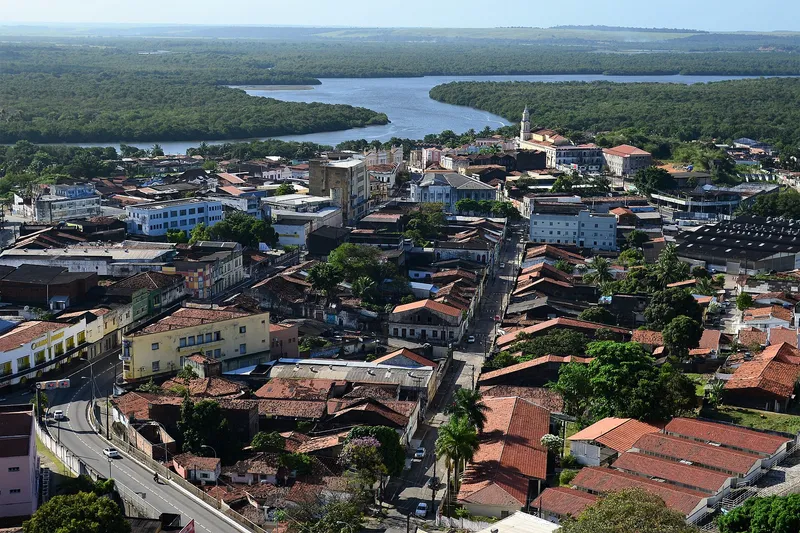
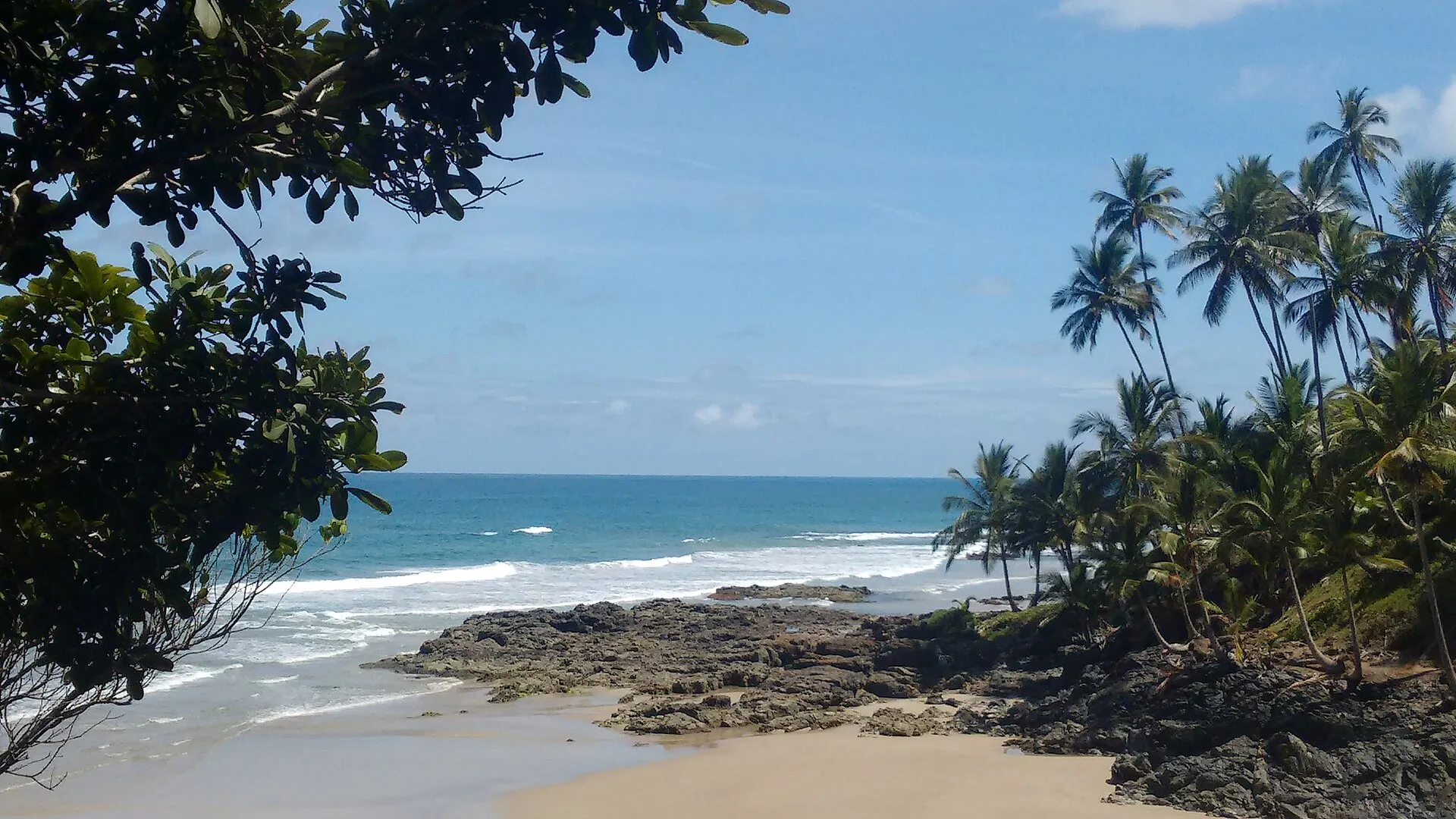 Photo: CRISTIANE GOMES / Wikimedia Commons (CC BY-SA 4.0)