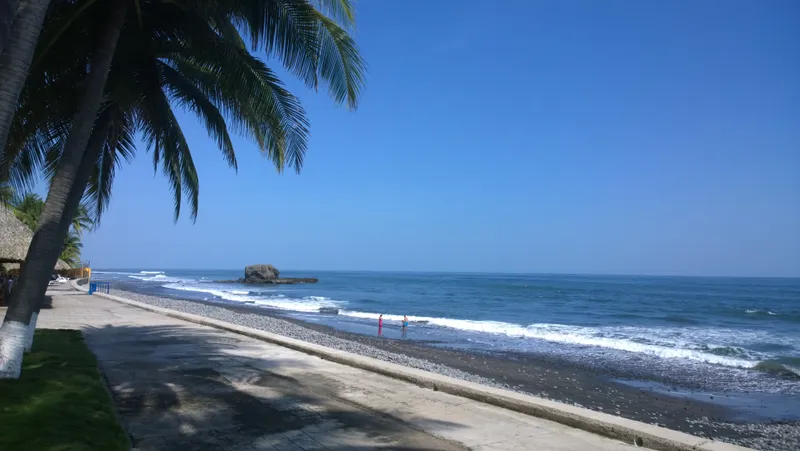
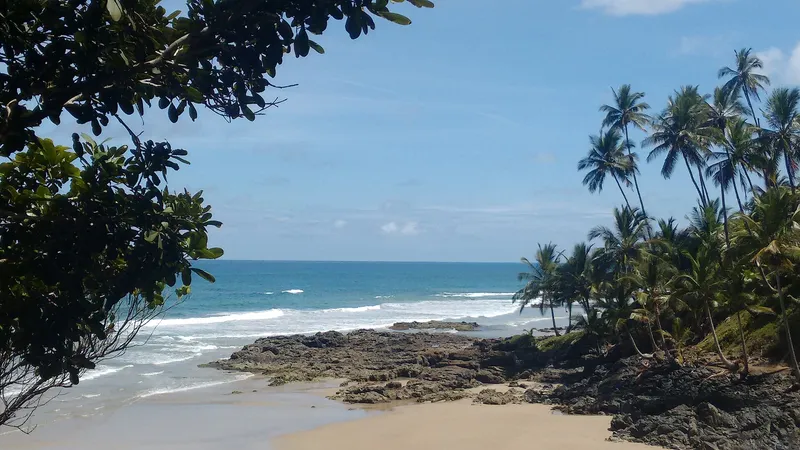
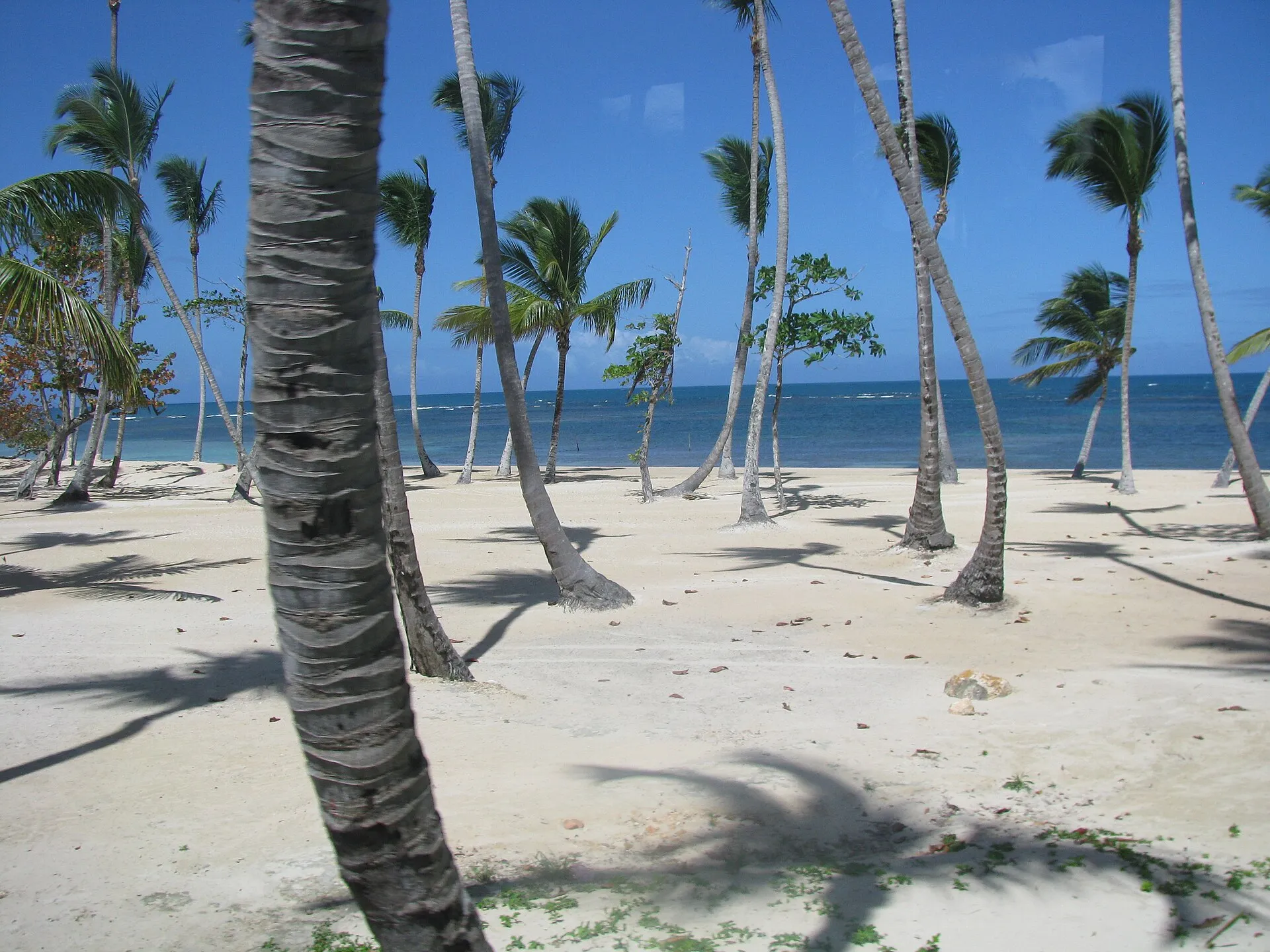
Palm-lined white-sand beach at Las Terrenas, Samana, Dominican Republic.
Photo: Captain-tucker / Wikimedia Commons (CC BY-SA 3.0)
Dominican Republic flag

Las Terrenas

Dominican Republic

A palm-backed beach town on the Samaná Peninsula, shaped by decades of French and Italian settlers.

$1,500
Monthly Budget
--
Current Weather
Tropical
Climate Type
6/10
WiFi Score
6/10
Safety Score
UTC-4
Timezone
0
Nomad Score

Setting Up as a Nomad in Las Terrenas

A palm-backed beach town on the Samaná Peninsula, shaped by decades of French and Italian settlers. A tropical climate and strong nature make Las Terrenas an easy base, and at about $1,500 a month it fits a range of budgets. Keep the culture scene in mind.

Compare Las Terrenas vs Santo Domingo →

Nomad Facts at a Glance

The practical basics for Las Terrenas, Dominican Republic

CurrencyPeso (RD$, DOP)
LanguageSpanish
Plugs & powerType A/B · 120V / 60Hz
Tap waterBottled or filtered
Tipping10% often added
Ride-hailingUber, inDrive
Emergency911
Mobile dataeSIM: Airalo / Holafly
Driving sideRight
Dialling code+1
Time zoneUTC-4
Best time to visitJan, Feb, Mar

Country-level guidance to get you oriented, not a substitute for checking locally. Numbers and norms can change; 112 reaches emergency services from most mobiles worldwide.

Category Breakdown

How Las Terrenas scores across all 13 factors

Las Terrenas's Nomad Score is 6.7 out of 10, from 13 category ratings (each out of 10): Climate 8, Cost of Living 6, WiFi 6, Nightlife 5, Nature 9, Safety 6, Food 7, Nomad Community 5, English 5, Visa Ease 7, Culture 5, Cleanliness 6, Air Quality 8.

Weather in Las Terrenas

30-year monthly averages (1991-2020) from a local weather station, and the best time to visit

30°
20°
Jan
31°
20°
Feb
31°
21°
Mar
32°
22°
Apr
32°
22°
May
32°
23°
Jun
32°
23°
Jul
32°
23°
Aug
33°
23°
Sep
32°
22°
Oct
31°
22°
Nov
30°
21°
Dec
Daily high & low (°C)Rainfall (mm/month)Best months to visit

The best time to visit Las Terrenas for comfortable weather is Jan, Feb, Mar. The warmest month is Sep (around 33°C by day), and the wettest is Nov (about 272mm of rain).

Chasing good weather? See other cities that are warm in Jan, or plan a multi-city route around the seasons, or search flights when you are ready to move. Staying a while in Las Terrenas? Check visa options, your time-zone overlap and how far your budget stretches, or find it on the world map.

Climate normals for 1991-2020 measured at the Arroyo Barril weather station, 17 km away. Historical averages, not a forecast. Source: WMO climate normals, published by NOAA NCEI.

Best Neighborhoods in Las Terrenas

Where to base yourself for the perfect nomad experience

Centro

$$
Busy, convenient, mixed

The walkable town centre

The centre of Las Terrenas holds the main street, the supermarkets, the pharmacies, banks and many restaurants, plus apartments within walking distance. It is the most convenient base for people without a motorbike, though the traffic and noise are higher than on the beach.

Best for: Car-free nomads who want shops and services nearby
Pros
  • Walk to supermarkets, banks and cafes
  • Widest choice of apartments
  • Motoconchos available everywhere
Cons
  • Noisy and congested
  • A few minutes from the nicest beaches
  • Internet varies by building

Playa Bonita

$$$
Relaxed, scenic, upscale

The long palm-lined beach

Playa Bonita is the main beach area east of the centre, a broad, quiet stretch with palm trees, boutique hotels, beach restaurants and holiday villas. It is a short motoconcho ride from the centre and popular with long-stayers who want the beach at their door.

Best for: Nomads who want the beach on their doorstep
Pros
  • Beautiful beach steps from your door
  • Quieter evenings
  • Good restaurants nearby
Cons
  • Higher rents
  • Need a ride for supermarkets
  • Wifi weaker in some villas

Pueblo de los Pescadores

$$
Lively, local, social

The old fishermen's quarter

The old fishing village sits at the western end of the main beach, where the street is lined with open-air restaurants and bars facing the water. Fishing boats still launch from the sand, and the area is lively at night.

Best for: Nomads who like evening bars and fresh seafood
Pros
  • Fresh seafood on the water
  • Easy to meet people at night
  • Walkable from the centre
Cons
  • Can be noisy at night
  • Tourist pricing in places
  • Limited apartments

El Portillo

$
Quiet, rural, scenic

Quiet beach community east of town

El Portillo is a beach strip around 10 km east of Las Terrenas, with a long, sheltered beach, a few hotels and an airstrip. It is more peaceful than the centre, but there are fewer services.

Best for: Writers and couples who want solitude on the beach
Pros
  • Quiet and spacious
  • Beautiful long beach
  • Lower prices
Cons
  • Few restaurants
  • Need transport for everything
  • Weaker internet

Playa Cosón (10 km west)

$
Wild, windy, spacious

A wide, empty beach

Playa Cosón stretches along the coast west of Las Terrenas, known for its long sand, kitesurfing wind and small beach hotels. The area is spread out and quiet, with more space but fewer services than the main town.

Best for: Kiters and people who like space
Pros
  • Long, empty beach
  • Good wind for kiting
  • Lower rents
Cons
  • Far from services
  • Few places to work
  • Car or motorbike needed

Cost of Living in Las Terrenas

Where this figure comes from. The $1,500 monthly budget above is our own estimate rather than a measurement. How we source everything.

Las Terrenas costs about $1,500 a month for a comfortable remote-work life, a touch below Cabarete. Rent for a furnished one-bedroom apartment near Playa Bonita or in the centre runs roughly $550 to $750, and a small villa with a pool costs well above that. Food comes to about $450: French bakeries and Italian restaurants are pricey, while market produce and local comedores keep groceries manageable. Transport is around $60, mostly motoconchos at a couple of dollars a ride. Coworking or a monthly desk adds roughly $150. The town gets more expensive in the winter high season, and imported items cost more here than in Santo Domingo.

Where to Work in Las Terrenas

Las Terrenas has no big coworking scene, so most remote workers rely on their rental and a handful of cafes. The small coworking spaces in town offer desks, and cafes like Cafe del Mar and L'Arco, in the centre and along Calle Principal, give you air conditioning and outlets, though quality varies. Wifi from Claro or Altice works for calls in most apartments, but speeds are modest, and storms and power cuts disrupt it often. Before you sign a lease, test the connection at the property and ask whether there is an inverter or generator. A backup SIM is useful for the rainy-season days when the line fails.

Getting Around Las Terrenas

Las Terrenas is spread over a few kilometres of coast, and motoconchos (motorbike taxis) are the main way around, costing a couple of dollars a ride. The centre is walkable, but Playa Bonita and El Portillo are a ride away. Most visitors arrive at the small Samana El Catey airport, about 35 minutes by taxi along the new highway, or at Las Americas airport near Santo Domingo, around two hours away. Caribe Tours and Metro run coaches from the capital to Samana, with a taxi onward. Renting a car helps for Playa Rincon and Salto El Limon, but a motorbike is more common, if risky on wet roads.

Visas for Las Terrenas

Entry works the same as anywhere in the Dominican Republic: 30 days without a visa for US, Canadian, EU and UK citizens, extendable to 120 days for a fee, per Wikipedia's visa policy page. Most flights fold the $10 tourist card into the ticket price. Las Terrenas has a large French and Italian community, and many of them arrived on exactly this tourist entry before switching to residency, which is filed in Santo Domingo and takes months, so start early if you plan to stay. For a single season, the usual approach is to extend once and fly out of Samaná El Catey airport, about 45 minutes away, before the extension runs out.

Best Time to Visit Las Terrenas

The dry season from December to April is the best time in Las Terrenas: sunny days, calm seas and cooler nights, which is also when European tourists and prices peak. Humpback whales visit the Samana Bay from mid January to March, and boat trips run from the town. May to November is hot, humid and wetter, with quieter beaches and lower prices, and hurricane season peaks from August to October. Heavy rain can cut the dirt roads and flood the centre. If you want good weather with fewer crowds, aim for late April to June, when the rains are still light and rents ease.

Pros and Cons of Las Terrenas

Las Terrenas gives you a real beach town rather than a resort: palm-lined Playa Bonita and Playa Cosón, good French and Italian bakeries, and a relaxed mix of long-term residents from Europe and the Dominican Republic. The hills behind town hold waterfalls and trails, and the pace is slow in the best sense. The downsides are real, though. The community is small and spread out, English is thinner than on the north coast, wifi and power cuts interrupt work, and a lack of coworking means you must organize your own setup. Prices are high for imported goods, and the town can feel sleepy in the off season.

Who Las Terrenas Is For

Las Terrenas fits remote workers who value nature and a quiet daily life over a big social scene. If you like working from a rented apartment, swimming before breakfast, and eating good bread and seafood, you will settle in fast. Couples, writers and independent developers do well here, especially if they speak some Spanish or French. It is a weaker fit for people who rely on coworking events, want a large English-speaking nomad network, or need guaranteed fast internet and nightlife every night. Come for a couple of months in the dry season, rent a place with backup power, and treat the slower pace as the point.
Where to Stay in Las Terrenas

Top neighborhoods and accommodations for digital nomads

Browse apartments, aparthotels and hotels across Las Terrenas. Compare prices and book a base that suits a remote-work stay.

See available stays in Las Terrenas →

Affiliate link. See our disclosure.

Best Coworking Spaces

Where nomads get work done in Las Terrenas

We have not yet verified specific coworking spaces in Las Terrenas. When we list one it will name the source we checked it against, the same as every other figure on this page, and until then we would rather show nothing than a name we have not confirmed. The guide sections above cover what working from Las Terrenas is actually like, including connection speeds and cafe culture.

Where to Eat & Drink

Best food and drink spots in Las Terrenas

Services in Las Terrenas in a Language You Speak

One provider in Las Terrenas, listed by the language they work in. Every language claim names the source it came from.

Doctors & clinics1

English

See the provider in Las Terrenas →

Cities with a Similar Vibe to Las Terrenas

Different places that score alike across our 13 categories, if you like Las Terrenas, these tend to feel similar.

In the rankings

Las Terrenas in our rankings

  1. Best cities in North America & the Caribbean→

A comfortable solo budget in Las Terrenas is about $1,500/mo, a mid-range budget by nomad standards.

Frequently Asked Questions About Las Terrenas

How much does it cost to live in Las Terrenas as a digital nomad?

A comfortable nomad budget in Las Terrenas is around $1,500 a month, covering a furnished rental, food, coworking, and getting around. You can spend less by living outside the center and eating local, or more in the most popular neighborhoods.

Is the internet fast enough for remote work in Las Terrenas?

Las Terrenas rates 6 out of 10 for WiFi in our scoring, so connectivity is average for video calls and everyday remote work. A local SIM with a data plan is a smart backup for cafes, coworking, and travel days.

Is Las Terrenas safe for digital nomads?

Las Terrenas scores 6 out of 10 for safety in our ratings, which is average for solo travelers and long stays. Use the usual precautions with valuables and at night, and favor well-reviewed neighborhoods when you choose where to stay.

Is Las Terrenas a good city for digital nomads overall?

Las Terrenas stands out for nature and the outdoors and great weather among remote workers. With a typical budget near $1,500 a month and a growing nomad scene, it is worth a look if those priorities match what you want from a base.