Cost of Living in Algiers
Where this figure comes from. No cost survey covers Algiers, so the $800 a month above is our own estimate rather than a measurement. On 416 of our 999 city guides the figure is built from a published Numbeo basket, a one-bedroom rent in the centre plus one person's monthly costs without rent, converted to USD; this city is not one of them. How we source everything.
Algiers can be run near $800 a month, but the figure hinges entirely on the exchange rate used. Changing money on the parallel market, which nearly everyone does, yields substantially more dinars than the official bank rate and roughly halves the effective cost of living, so budget planning should assume cash euros or dollars exchanged locally. A furnished one-bedroom in Hydra, Sidi Yahia, Bab Ezzouar or near the centre costs $250 to $500 monthly at parallel rates, more if booked through international platforms in hard currency. Food is inexpensive: $150 to $250 covers groceries and eating out, with a plate of couscous or chorba at a local restaurant under $4. A Djezzy, Ooredoo or Mobilis SIM with data runs $8 to $15. Formal coworking is scarce; expect $60 to $120 where it exists. Utilities are $25 to $50, transport $30 to $60. Value is good, convenience is not. Import restrictions mean a good many ordinary goods are simply not on the shelves, and the ones that are carry a markup that has nothing to do with the exchange rate. Anyone attached to a particular brand of anything should bring it rather than expect to find it. Cash runs everything: cards are barely used and a foreign one will not work at all.
Where to Work in Algiers
Coworking supply in Algiers is genuinely limited, with a handful of startup-oriented spaces and incubators clustered around Hydra, Sidi Yahia and the university and business zones near Bab Ezzouar; the Algiers startup ecosystem around Algeria Venture and similar public initiatives is where most desks and events sit. Beyond that, hotel lobbies, the newer cafes of Hydra and Sidi Yahia, and apartments are the working reality. Base yourself in Hydra or Sidi Yahia for the safest, best-serviced residential option, in El Biar or Ben Aknoun for quieter hillside living, or near the Bab El Oued and central Algiers waterfront for atmosphere and walkability at the cost of noise. Fixed internet has improved substantially, with Algerie Telecom fibre now reaching central districts, though ADSL still lingers in older buildings and speeds are inconsistent. Nationwide internet shutdowns during school exam periods each June are a real and recurring disruption.
Getting Around Algiers
Algiers has the best public transport in the Maghreb: a clean modern metro line, several tram lines, extensive buses and cable cars climbing the steep hillsides, with fares under $0.50 a ride. The city is built on slopes above the bay, so central districts are walkable but tiring, and the metro plus a taxi covers most needs. Yassir is the dominant local ride-hailing app and works well, with typical rides costing $1.50 to $4; Heetch also operates in Algiers. Uber and Bolt do not. Street taxis exist and are negotiated rather than metered. Houari Boumediene airport sits about 20 kilometres east of the centre, roughly 30 to 50 minutes depending on traffic, with a Yassir ride around $8 to $15 and a metro plus bus combination far cheaper. Traffic congestion is heavy at peak hours. A car is unnecessary in the city and parking is difficult. The Sahara is reached by air rather than by road, because the distances south are enormous and the flights from here to the oasis towns are cheap and frequent, which is how anybody with a fortnight actually gets to see the desert. Overland it is days. Trains along the coast are slow but cheap and comfortable.
Sorting transport? Book an airport transfer, or compare car rental on Auto Europe and QEEQ.
Visas for Algiers
Algeria has the hardest entry requirements in North Africa and this is the single biggest obstacle. Almost all Western nationals, including EU, UK, US, Canadian and Australian citizens, must obtain a visa in advance from an Algerian embassy or consulate before travel; there is no e-visa for general tourism and no visa on arrival. The application requires a hotel booking covering the entire stay with a confirmation stamped and signed by the hotel, or a formal invitation letter from an Algerian host that has been certified by local authorities, plus bank statements, an itinerary, insurance and a return ticket. Processing takes weeks and refusals are routine without a clear reason given. Tourist visas are usually issued for 30 days, sometimes 90. A limited visa on arrival scheme exists for tourists booked on organised tours into the Saharan south via Djanet and Tamanrasset, but it does not cover independent travel to Algiers. There is no digital nomad visa. Extensions require police applications and are rarely granted.
Best Time to Visit Algiers
Algiers has a classic Mediterranean climate softened by the sea, so it never reaches the extremes of the interior. Spring, from March to May, is the best window: 18 to 25 Celsius, green hills, wildflowers and comfortable walking weather. Autumn, September through November, is nearly as good, with warm sea into October and the first rains arriving late. Summer, June to August, brings 28 to 34 Celsius with high humidity along the coast and heavy domestic tourism on the beaches; the interior and the Sahara become genuinely dangerous, exceeding 45 Celsius, so southern travel is off the table. Winter, December to February, is mild at 10 to 17 Celsius but is the wet season, with sustained rain and grey skies, and unheated apartments feel colder than the numbers suggest. Ramadan, falling in the first quarter through the late 2020s, transforms daily rhythm: daytime restaurants close, offices shorten hours, and nights become sociable.
Pros and Cons of Algiers
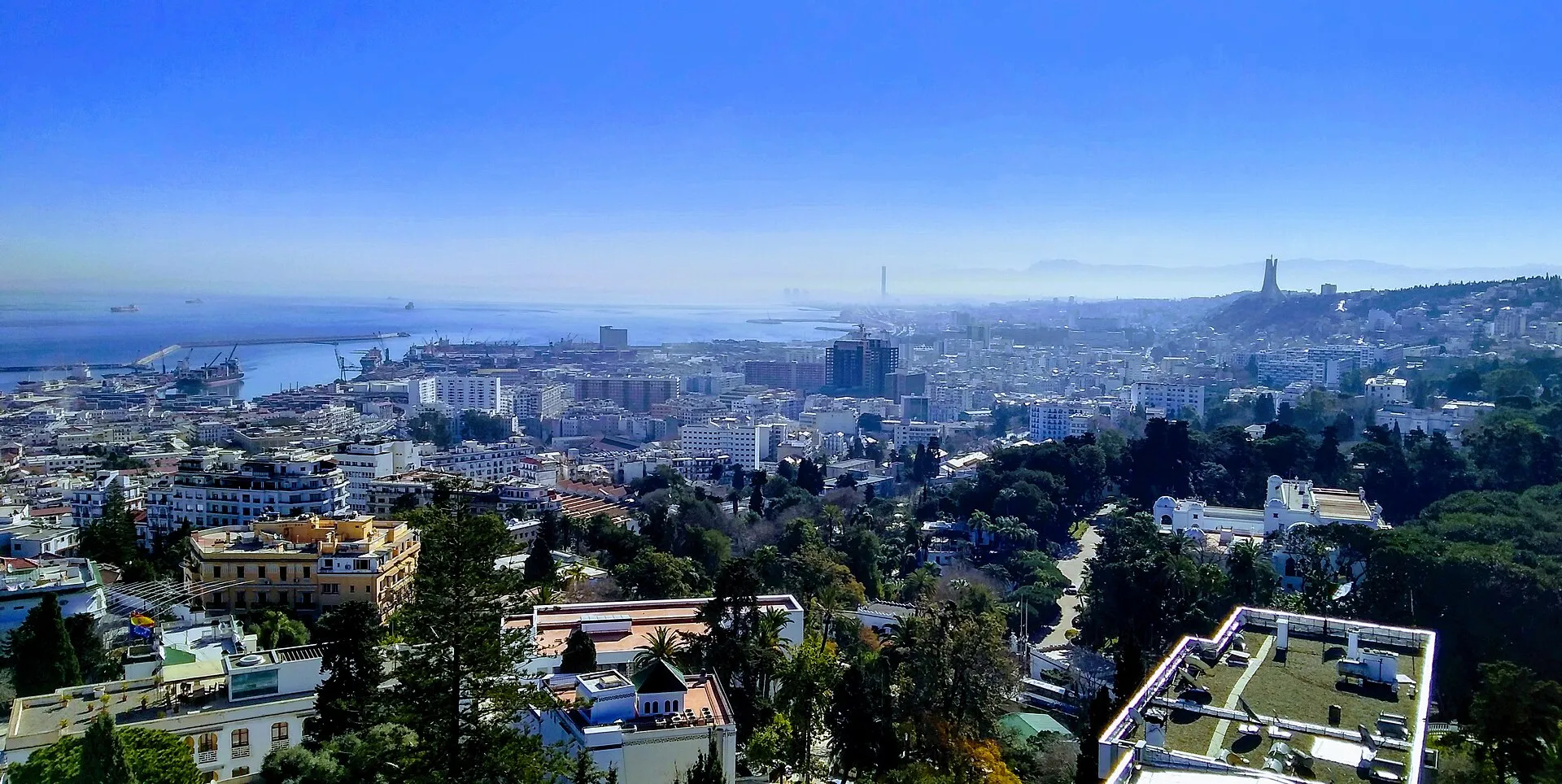
Algiers is one of the most striking and least visited capitals on the Mediterranean, with white terraced buildings stacked above a wide bay, spectacular French colonial and Ottoman architecture, the UNESCO-listed Casbah, excellent museums, a serious cafe culture and prices that, at parallel exchange rates, are extremely low. Roman sites at Tipaza and Djemila are day trips, the Kabylie mountains are close, and Algerians are notably hospitable to the few foreigners who arrive. The obstacles are substantial. The visa alone deters most people, and it must be secured before booking anything. There is essentially no nomad scene and very few foreign residents outside diplomatic and energy sectors. Foreign card payments are almost useless outside major hotels, so the economy runs on cash. Internet is inconsistent and subject to national exam-period shutdowns. French or Arabic is effectively mandatory, alcohol is hard to buy, bureaucracy is heavy, and travel outside the north is restricted.
Who Algiers Is For
Experience and patience are the requirements, along with enough French or Arabic to function without English, and the reward is the architecture, the history and a country that almost nobody visits. It works for someone with a genuine tie to Algeria, family, business in energy or construction, or academic research, since the visa is far easier with a local host. Photographers, Roman-history enthusiasts and anyone who enjoys being the only foreigner in the room will find it unusually rewarding. It is the wrong destination for a first stint abroad, for anyone dependent on card payments, food delivery apps and coworking infrastructure, or for anyone who needs guaranteed uninterrupted internet for client calls. Nomads seeking community, nightlife, beach convenience or an easy administrative life should choose Morocco or Tunisia, both of which deliver a similar region with none of the entry friction.