Cost of Living in Punta Cana
Real market data
Source: Numbeo · August 2026
$1,490/moSolo nomad1-bed centre + living costs
$1,910/moCoupleshared 1-bed + costs
$1,490/moLean / localcheaper area + costs
- 1-bed rent, city centre$970DOP 56,145
- Monthly costs excl. rent (1 person)$530DOP 30,589
- Meal, inexpensive restaurant$8DOP 473
- Buy price, per m² (centre)$3,000DOP 174,271
Prices are from Numbeo (August 2026), converted to USD at $1 = 58.08 DOP (01 Aug 2026). The monthly living-costs figure is our transparent one-person basket, groceries, a few meals out, utilities, phone, internet, transport and essentials, priced from those figures. Solo adds central rent; couple and lean are estimates from the same numbers. The guide below quotes its own monthly range, which is a different measurement rather than a competing one: this table prices a defined basket at the figures above, while that range is a judgement about how somebody actually lives here.
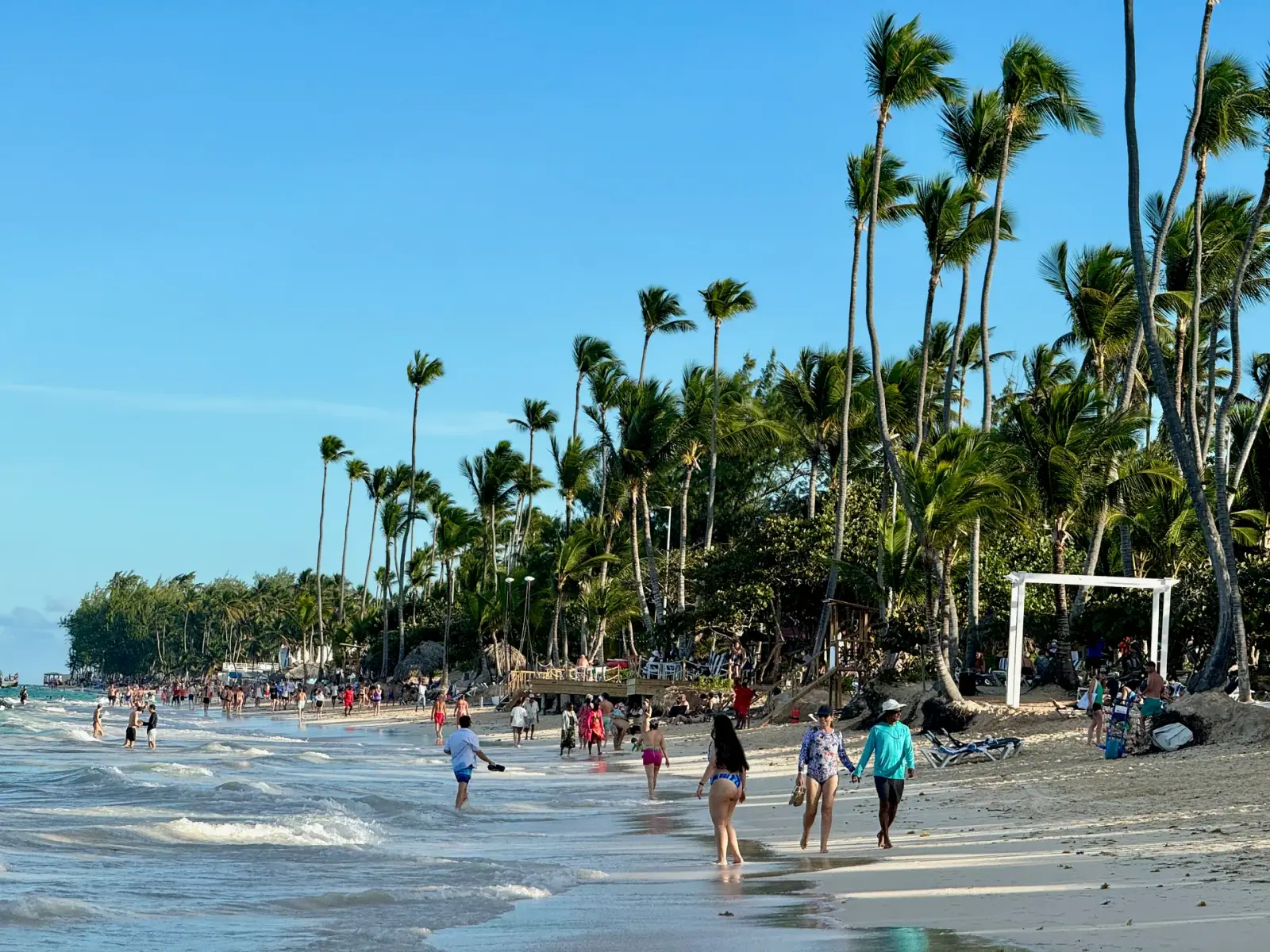
Punta Cana is a resort town, and prices reflect that. In the tourist strip around Bavaro, everything skews toward vacation budgets. As a nomad, you can bring costs down significantly by shopping locally and avoiding resort-adjacent restaurants.
- Rent, Bavaro tourist zone (1BR apartment): $570-760/month
- Rent, further from beach or local areas: $430-655/month
- Groceries (local supermarkets like Jumbo or Nacional): $140-225/month
- Eating out, local spots: $5-10 per meal
- Eating out, tourist restaurants: $21-43 per meal
- Coworking hot-desk: $22-27/day; monthly $200-400
- Local transport (guagua public bus): $1 per ride
- Taxi/Uber for mid-distance trips: USD 15-50 depending on distance and booking method
Realistic monthly total: USD 1,400-2,200 for a comfortable nomad setup. You can push it below USD 1,200 by living farther from the tourist zone and eating local, but expect to spend USD 2,500+ if you are dining out often in tourist restaurants and riding hotel taxis.
Note that tourist-area restaurants often add an 18% ITBIS tax and a 10% tip as separate line items on your bill. Budget for this when eating out.
Where to Work
Punta Cana has a small but functional coworking scene, concentrated in the Bavaro area.
Coworking Spaces
PYHEX Work is the most established option, located three minutes from Punta Cana International Airport at Cormont Plaza II on the Boulevard Turistico del Este. It caters to designers, developers, and entrepreneurs and offers private offices alongside hot desks. Daily passes run around USD 20-25. Monthly memberships start at roughly USD 200.
Cana Work sits inside Puntacana Village and offers a polished, design-forward space with hot desks, private offices, meeting rooms, and a club area. It is the pricier option, with monthly memberships ranging from USD 200 to 400 and private offices starting near USD 800/month. Hours can be limited, so check ahead.
Cafe Work Culture
Cafe work culture is limited compared to cities like Medellin or Lisbon. Most cafes are oriented toward tourists eating quickly, not remote workers sitting for hours. Some cafes in shopping centers like Palma Real do tolerate lingering, and Cafeina Coffee House in Cap Cana has a quieter atmosphere suited to a few hours of focused work. Expect modest WiFi in most cafes, which handles video calls but may frustrate heavy uploaders.
The Real WiFi Situation
Resort and hotel WiFi is generally decent but shared across many guests, making it unreliable during peak hours. Coworking spaces offer the most dependable connections. Mobile data via Claro or Altice is a solid backup for video calls when cafe WiFi disappoints. Do not expect fiber-grade speeds outside of dedicated coworking spaces.
Getting Around
Punta Cana is not walkable in the conventional sense. The tourist zone is spread out along a long coastal strip, and distances between places require transportation. Crossing the Bavaro strip on foot in heat and humidity is not practical for daily errands.
Public Guaguas
Public minibuses called guaguas run along the main roads and cost about $1 per ride. Wave one down from the roadside and pay cash. They are cheap but slow and run on unpredictable schedules. Good for budget day-to-day movement if you are not in a hurry.
Motoconchos
Motorcycle taxis (motoconchos) are everywhere and cost roughly USD 2-4 for short hops. They are fast and cheap but helmets are rarely provided. Use them only for short daytime rides and accept that some risk comes with the territory.
Uber and Taxis
Uber operates in Punta Cana but cannot legally pick up at the airport or most resort lobbies. Walking to a nearby road or shopping center gets you much cheaper Uber rates than resort taxis. Hotel taxis charge a premium: USD 20-50 for rides that would cost USD 8-15 via Uber. For airport arrivals, pre-booked private transfers (USD 25-40) are the practical option.
Airport Access
Punta Cana International Airport is one of the busiest in the Caribbean. Pre-booked shuttle services are reliable and reasonably priced. PYHEX Work coworking space is literally three minutes from the airport, which is handy for layover working.
Sorting transport? Book an airport transfer, or compare car rental on Auto Europe and QEEQ.
Visas and Staying Long-Term
Citizens of the United States, Canada, the United Kingdom, the European Union, and most of Latin America do not need a visa to enter the Dominican Republic. You receive a tourist stay of 30 days on arrival, which historically has been treated leniently for stays up to 30-60 days by many travelers, but the official allowance is 30 days.
Extensions
You can extend your stay online through the Direccion General de Migracion portal for a fee of approximately USD 50-100, adding up to 120 additional days. This makes it possible to stay up to 150 days in a single trip without leaving the country.
No Dedicated Digital Nomad Visa
As of 2025-2026, the Dominican Republic does not offer a dedicated digital nomad visa. Your realistic options are tourist entry with extensions, exiting and re-entering (a short hop to another Caribbean island resets the clock), or pursuing longer-term residency as a rentier if you have passive income to demonstrate.
Best Time to Visit
Punta Cana sits in a favored pocket of the Caribbean that avoids the worst hurricane exposure, but it still has distinct seasons worth understanding.
Dry Season: December to April
This is the sweet spot for remote work. Temperatures sit at 25-28 degrees Celsius (77-82 F), humidity drops to more comfortable levels, and rain is rare. Skies stay clear. The downside is this is also peak tourist season, so restaurants get crowded and accommodation prices are highest. January and February are the coolest and most pleasant months.
Shoulder Seasons: May and November
Good value months with acceptable weather. Some short afternoon showers occur but typically clear quickly. Fewer tourists means quieter coworking spaces and lower accommodation rates. These months offer a reasonable balance for nomads who prioritize cost and calm over perfect weather.
Hurricane Season: June to October
Officially hurricane season, though Punta Cana is less exposed than many Caribbean islands. September and October are the rainiest months, with more frequent afternoon downpours and occasional multi-day overcast periods. Direct hurricane hits are rare, but storms elsewhere can bring unsettled conditions. Power and internet reliability can dip during storm periods. Budget travelers sometimes accept this tradeoff for significantly lower prices.
Pros and Cons
- Easy visa access for most nationalities with extendable tourist stays
- Beautiful beach access a few minutes from most accommodations
- Good flight connections including direct routes from North America and Europe
- English is widely spoken in tourist areas and coworking spaces
- Safe environment in the tourist zone with dedicated CESTUR tourist police presence
- Warm weather year-round and no serious cold season to manage
- Resort town atmosphere makes deep local immersion and authentic community hard to find
- Expensive if you default to tourist pricing on restaurants, taxis, and activities
- Weak cafe work culture compared to most nomad hotspots; coworking options are limited
- Poor walkability in the sprawling coastal strip; you need transport for most errands
- No digital nomad visa and limited long-term stay options beyond tourist extensions
- Do not drink tap water anywhere; budget for bottled water throughout your stay
Who Punta Cana Is Best For
Punta Cana works best for remote workers who want a Caribbean beach base for a month or two and prioritize natural beauty and warm weather over a buzzing nomad community. If you can work independently without needing coworking culture, coffee shop rituals, or a social circle of fellow nomads, you can carve out a productive and affordable stay here. It suits people already experienced with remote work who just want a change of scenery with reliable enough infrastructure to get the job done.
It also works well as a short-term base before or after island-hopping, given the strong airport connections. Couples or solo travelers who can self-motivate and enjoy beach downtime after work hours will find it genuinely rewarding.
You should skip Punta Cana if you rely on coworking community and social energy to stay productive, if you want to immerse in local Dominican culture (most of what you encounter here is tourism infrastructure, not everyday Dominican life), or if you are on a tight budget and expect the same value-per-dollar as Southeast Asia. Santo Domingo or Cabarete offer a more authentic nomad experience within the same country.