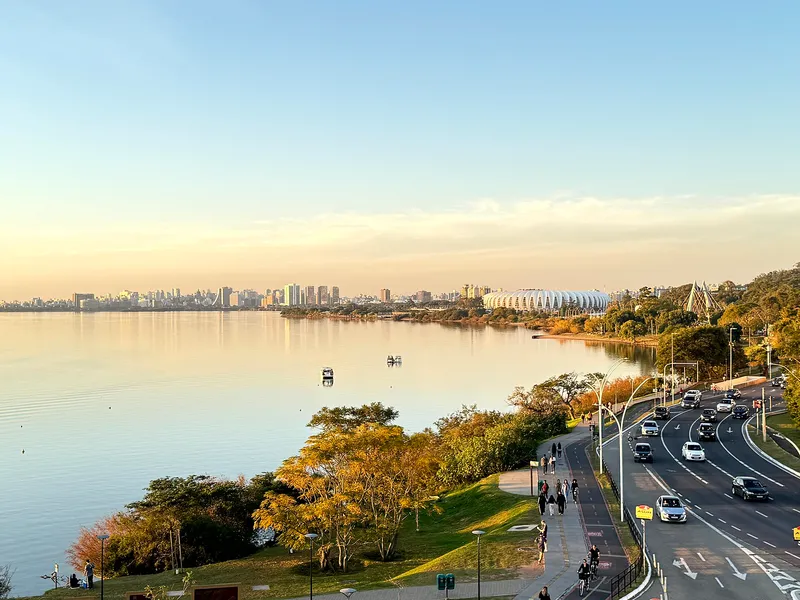
Cost of Living in Chisinau
Where this figure comes from. No cost survey covers Chisinau, so the $800 a month above is our own estimate rather than a measurement. On 416 of our 999 city guides the figure is built from a published Numbeo basket, a one-bedroom rent in the centre plus one person's monthly costs without rent, converted to USD; this city is not one of them. How we source everything.
Budget around $800 a month as a solo remote worker in Chisinau, which makes it the cheapest capital in Europe by most measures. A one-bedroom flat runs roughly $250 to $450, with the centre and Botanica at the upper end and the Soviet-era districts well below. Food is inexpensive and Moldova grows most of it: the markets are genuinely cheap and the wine is absurdly so, since this is a country with more vineyard per head than almost anywhere. Utilities in winter are the one line that rises sharply. This is our own estimate rather than a reconciliation against measured data. Gigabit fibre runs $8 to $12 a month, which is not a typo and is among the cheapest anywhere on earth for that speed. A coworking desk is $70 to $120 and a trolleybus fare a few cents. Heating through a continental winter is the one genuine seasonal expense, adding $50 to $100 a month between November and March in an older block. Restaurant meals run $5 to $10 and a good bottle of Moldovan wine at a shop is often under $5, which changes the shape of a social life here more than the rent does.
Where to Work in Chisinau
Moldova's internet is its standout practical advantage: fixed broadband is among the cheapest in the world, and gigabit fibre in Chisinau costs a fraction of what it does in western Europe. Mobile data is similarly cheap and fast. There is a real coworking scene, driven by an IT sector that the Moldova IT Park tax regime has deliberately grown, and desks are inexpensive. Power is reliable, though the country's energy dependence has been a live political issue since 2022. Russian and Romanian are both widely spoken; English is limited outside the technology sector. Moldova has repeatedly appeared in the top handful of countries worldwide for fixed broadband speed relative to price, which is a direct consequence of a small, dense, late-built network with no legacy copper to protect. The IT Park regime lets a registered company pay a single seven per cent levy on turnover covering income tax, social contributions and VAT, and it has drawn a genuine outsourcing sector to the city.
Getting Around Chisinau
Chisinau is flat, laid out on a Russian imperial grid, and the centre around Stefan cel Mare boulevard is easily walkable. Trolleybuses and minibuses cover the city for a few cents and run frequently. Taxis and ride-hailing are cheap. The city is compact enough that most people do not need a car. Chisinau airport has connections across Europe, though the choice narrowed after Ukrainian airspace closed and routes rerouted. Cricova and Milestii Mici, the underground wine cities, are half an hour out, and Transnistria, the unrecognised breakaway region, is an hour east and requires its own consideration. Transnistria requires a separate entry registration at the de facto border and is not recognised by any United Nations member, so anyone crossing should understand that consular assistance there is effectively unavailable. Trains are slow and limited; the overnight service to Bucharest exists but the bus is faster, and the rail link north into Ukraine has been reshaped by the war. Orheiul Vechi, a cave monastery cut into a limestone gorge an hour north, is the country's best-known sight and is reachable by marshrutka on a good day.
Sorting transport? Book an airport transfer, or compare car rental on Auto Europe and QEEQ.
Visas for Chisinau
Moldova gives most Western nationalities ninety days visa-free within any hundred and eighty, which is the standard European arrangement. Since 20 September 2025 Moldova has had a digital nomad residence right: remote workers employed by, or partners in, a company registered outside Moldova can get provisional residence for up to two years, renewable, if they have earned at least $2,970 a month from that work over the six months before applying. That floor is three times Moldova's forecast average monthly salary, which the government sets every year, so it rises when the forecast does. The application goes to the migration authority with health insurance, a criminal record certificate and a lease or hotel contract. It is a separate route from the Moldova IT Park regime, a flat seven per cent tax on turnover for technology companies registered locally. Other long stays run through a residence permit that requires a local basis such as employment, study or property. Moldova is an EU candidate country and its rules are moving. The ninety-in-one-hundred-eighty rule runs on Moldova's own clock rather than Schengen's, so time here does not consume a Schengen allowance, which makes Chisinau useful as a reset for anyone cycling around the European Union. Moldova opened EU accession negotiations in 2024 and its visa and tax rules are likely to move over the coming years.
Best Time to Visit Chisinau
May to September is the comfortable half, with warm dry summers reaching the high twenties and long evenings. Late September and early October are the best of the year, when the wine harvest brings the National Wine Day festival to the main square and the countryside is at its most attractive. Winter runs from December to February and is properly cold, sitting around freezing with snow, and the shoulder months of March and November are grey and wet. Moldova has a genuine continental climate rather than a Mediterranean one, which surprises people who place it further south than it is. The festival falls on the first weekend of October and brings producers from every region into the centre, which makes it the one weekend genuinely worth planning a trip around. Milestii Mici holds the Guinness record for the largest wine collection in the world, at around two million bottles in two hundred kilometres of limestone tunnels.
Pros and Cons of Chisinau
Chisinau is the cheapest capital in Europe with some of the cheapest internet anywhere, a real IT sector, and a wine country on its doorstep that includes the largest underground cellar on earth at Milestii Mici. It is safe, walkable and almost entirely undiscovered by remote workers. English is limited, the city is architecturally plain outside a few streets, no remote-working scene has grown up here at all, and Moldova sits directly next to Ukraine, which is a live geopolitical consideration to think about before committing to a long stay rather than after one. Moldova is also among the least visited countries in Europe by a wide margin, which is part of the appeal and part of the reason nothing is set up for visitors: signage is thin, English-language information is scarce, and a good deal of the country runs on knowing somebody.
Who Chisinau Is For
European time zones, gigabit fibre and very low costs, for anyone who needs neither a scene nor English to get by. Anyone with Russian or Romanian will find it dramatically easier. The visa-free allowance runs to ninety days, which is long enough to test the place properly without committing to it. There is no nomad community, and Chisinau was built for use rather than for looking at. The larger consideration is the war across the border in Ukraine. The wine alone justifies a visit in September. Curiosity about a country nobody goes to is a legitimate reason on its own, and Moldova qualifies more completely than anywhere else on the continent: it receives fewer visitors than any other European state. Running a small software company cheaply and legally is what the IT Park regime was built for, and it is one of very few tax structures in Europe aimed squarely at businesses of one or two people rather than at corporations pretending to be small.
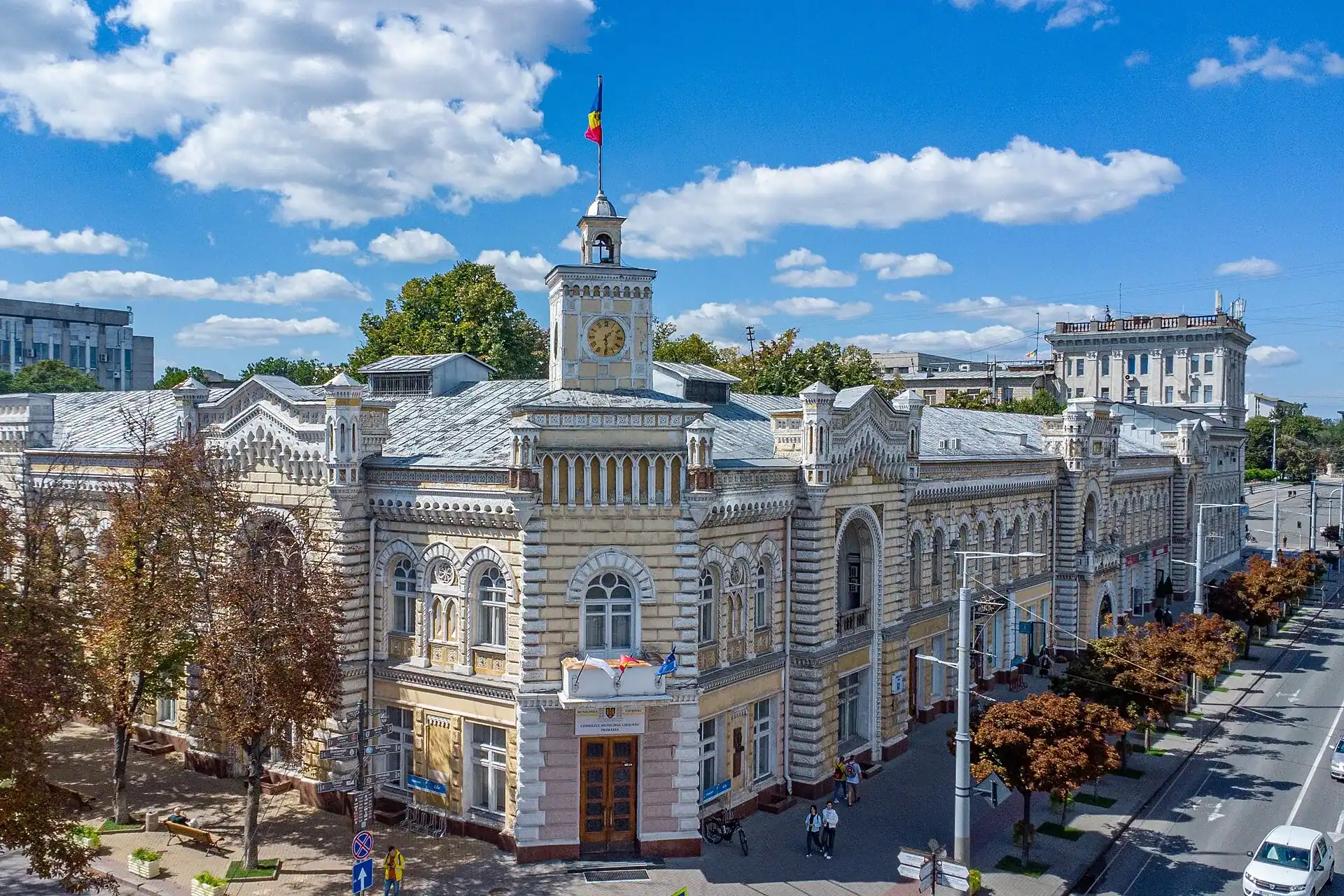 Photo: Rodion Gavriloi / Wikimedia Commons (CC BY-SA 4.0)