Cost of Living in Constanța
Where this figure comes from. No cost survey covers Constanța, so the $900 a month above is our own estimate rather than a measurement. On 416 of our 999 city guides the figure is built from a published Numbeo basket, a one-bedroom rent in the centre plus one person's monthly costs without rent, converted to USD; this city is not one of them. How we source everything.
Budget roughly $900 a month as a solo remote worker in Constanța, which makes Romania's Black Sea port one of the cheapest coastal cities in the European Union. A one-bedroom apartment in the centre or the Faleza Nord district runs about $300 to $450, and the older blocks further out drop to $220 to $320. Rents rise sharply in the summer season along the beach strip at Mamaia, which is effectively a separate resort economy, so living in the city proper rather than the resort saves a great deal. Groceries land around $200 to $260. A lunch is $5 to $8, a restaurant dinner with wine $15 to $22, and a monthly transit pass about $12. Utilities add $80 to $160, higher in winter. Many owners here let for nine months and keep the summer for themselves, so a lease offered in autumn may quietly end in June, and reading the term matters more than reading the monthly figure. Blocks are run by an owners association that bills heat, water and the stairwell together and posts the amounts on the door, which makes a building's running costs unusually easy to check before signing. What is charged out at the resort strip and what is charged in town are two separate markets with two separate calendars.
Where to Work in Constanța
Constanța has a modest coworking scene, with a handful of spaces in the centre charging roughly $80 to $130 a month, serving local software and logistics firms rather than visiting nomads. Romania's real advantage is infrastructure: fixed-line internet here is among the fastest and cheapest anywhere in Europe, gigabit connections are routine and inexpensive, and mobile data is excellent. That single fact makes working from an apartment entirely practical. Cafes in the old town near the Casino and along Stefan cel Mare are comfortable with laptops. English is reasonably common among younger people and in the technology sector, less so elsewhere. The summer influx to Mamaia changes the atmosphere of the whole city from June to September. The port is the largest on this sea, and since 2022 it has carried a great deal of the grain that used to leave through Ukrainian terminals, which has filled the logistics and shipping agency sector and put lorries on every approach road. It is the one industry here that hires internationally. For everybody else it means a city with a working economy underneath the summer one, and a professional population that does not leave when the beach closes.
Getting Around Constanța
Constanța is spread along the coast and the centre is walkable, particularly the peninsula around the old town, the Casino and the port. Buses and trolleybuses cover the rest of the city cheaply, with a monthly pass around $12. Mamaia, the resort strip north of the city, is a short bus ride and connected by a summer cable car. Bucharest is about two and a half hours by car on the A2 motorway and three to four by train, which is the main link most residents use; the capital's Otopeni airport is the practical international gateway. Constanța has its own small airport with limited seasonal routes. The Danube Delta, one of Europe's great wetlands, is around two hours north. A canal cut across the plain in the communist era joins the river to the sea just south of the city, and it is why barges out of central Europe end their journey here rather than in a delta port. The motorway to the capital jams solid on a summer Friday evening and again on the Sunday return, which residents plan around by travelling at odd hours. Local trains run south along the string of resort towns, slow, cheap and half empty out of season.
Sorting transport? Book an airport transfer, or compare car rental on Auto Europe and QEEQ.
Visas for Constanța
Romania is in the European Union and joined the Schengen area for air and sea borders in March 2024, with full land border accession following in January 2025, so Schengen rules now apply. EU and EEA citizens may live and work freely. Most other Western passports get 90 days in any 180. Romania introduced a digital nomad visa in 2021 for non-EU remote workers, requiring proof of foreign income at a multiple of the Romanian average wage, health insurance and a clean record; it grants an initial stay that can be extended. Romania is also well known for its low corporate tax rates for micro-companies and its flat personal income tax, which has attracted a meaningful number of foreign founders to register here. Bulgaria's beaches start just past Vama Veche, and since both countries became full Schengen members that frontier is internal, so summer weekends on the Bulgarian side count against the same allowance and the Entry/Exit System only logs you when you leave the zone altogether.
Best Time to Visit Constanța
May, June and September are the best months in Constanța. The Black Sea is swimmable from roughly June to September, and July and August bring the full Romanian holiday season to Mamaia, which triples the population of the strip and fills the restaurants. September is the sweet spot: warm sea, thinning crowds and prices dropping back. Spring is pleasant and windy. Winter is cold, grey and windy off the sea, with temperatures around freezing and a city that feels considerably larger than its off-season population, since much of the coastal infrastructure shuts entirely from October to April. Anyone planning to stay year-round should base themselves in the city rather than in the resort, where winter can be genuinely desolate. The crivat is the winter fact nobody warns you about: a hard cold wind off the steppe that drives snow sideways and has closed the road to the capital more than once, and it is why a coastal winter here feels colder than the thermometer says it should. In spring the wetlands north of the city fill with birds moving up from Africa, which is the delta's real season and passes without any of the summer crowd noticing it.
Pros and Cons of Constanța
Constanța gives you EU residency, a Black Sea coast, Roman and Greek archaeology going back two and a half thousand years, and some of the fastest cheap internet in Europe, all at prices well under the Mediterranean. The old town around the Casino is handsome, the Danube Delta is close, and Bucharest is a comfortable drive. The neglect is real: the city has real neglect: parts of the historic quarter are derelict, and investment has gone to the resort at Mamaia rather than to the centre. The Black Sea is not the Mediterranean, with a short swimming season and a cold, bleak winter. There is essentially no nomad community, English is patchy, and Mamaia's summer club economy dominates the season whether you want it or not.
Who Constanța Is For
A Black Sea coast on European Union terms, at a price to match, going to whoever values fast internet and Romanian tax arrangements over scenery. The Romanian digital nomad visa and the micro-company regime both apply, which settles most of the paperwork question. The classical archaeology along this coast is substantial, and the Danube Delta is near enough for a long weekend. It is a reasonable summer base and a demanding winter one. Mediterranean warmth is not on offer at this latitude, there is no established foreign community, and the historic fabric is neglected rather than preserved. Bucharest, two and a half hours away, has the jobs, the flights and the scene; Constanța has the sea and the quiet.
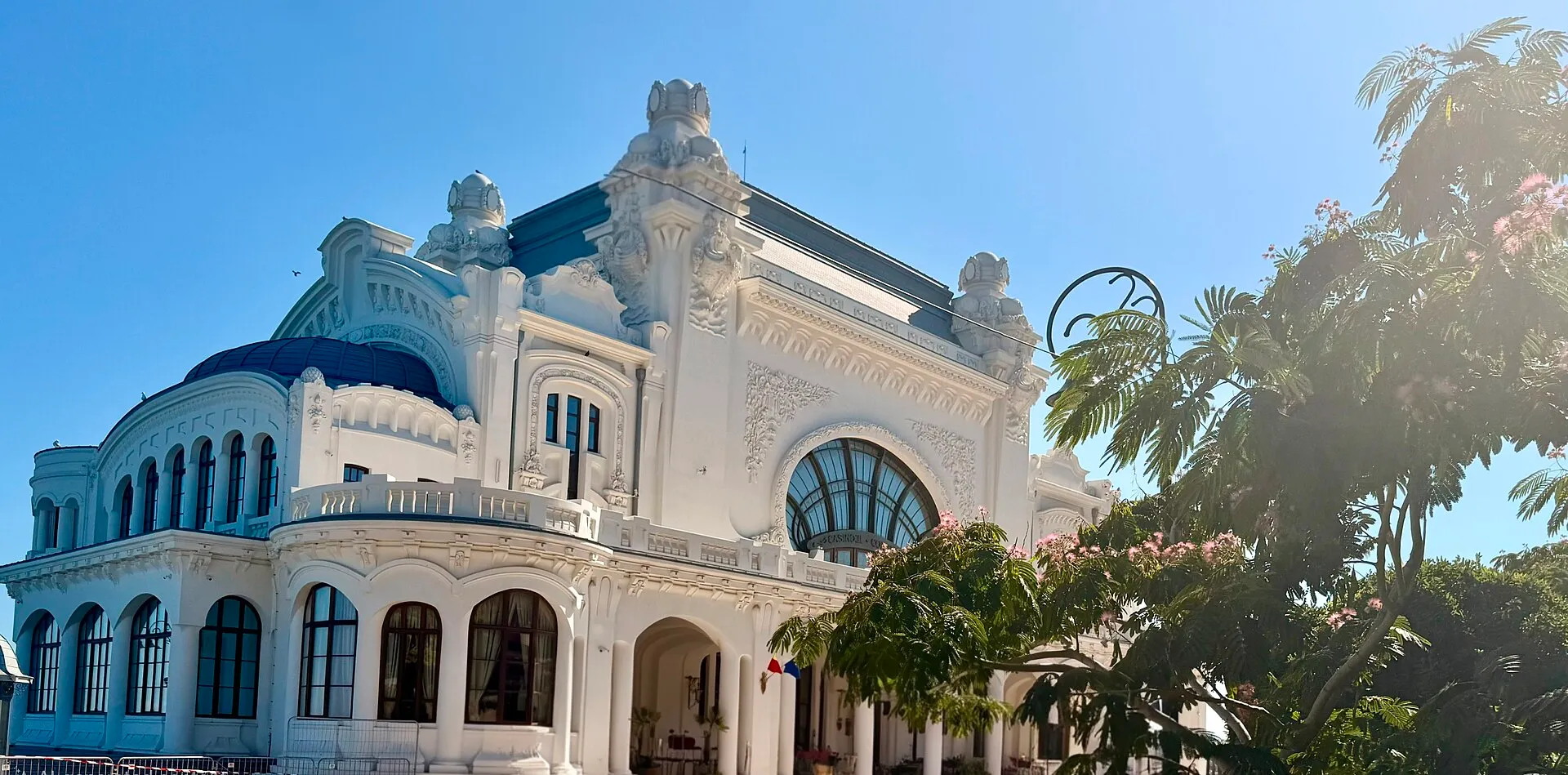 Photo: Andymxm / Wikimedia Commons (CC BY-SA 4.0)