Cost of Living in Samaipata
Where this figure comes from. No cost survey covers Samaipata, so the $600 a month above is our own estimate rather than a measurement. On 416 of our 999 city guides the figure is built from a published Numbeo basket, a one-bedroom rent in the centre plus one person's monthly costs without rent, converted to USD; this city is not one of them. How we source everything.
Samaipata is one of the cheapest bases you'll find in South America, and Bolivia's low prices are the main reason nomads end up staying longer than planned. A simple room or studio runs roughly $200-350 a month, while a nicer house with a garden (common on the outskirts) can be found for $350-550. Lunch menus (almuerzos) at local comedores cost $2-3 for soup, a main, and juice, and even the expat-oriented cafes rarely charge more than $6-8 for a full meal. Produce at the daily market is cheap and good: avocados, tropical fruit, and fresh bread cost a fraction of what you'd pay in Santa Cruz. Everything is priced and paid in bolivianos (BOB), and Samaipata runs almost entirely on cash. Card readers exist at a handful of tourist-facing businesses but are unreliable, and the town's one or two ATMs occasionally run out of cash or go offline for a day, so budget nomads should stock up on bolivianos before arriving from Santa Cruz. All told, a comfortable monthly budget lands around $600-900, which is remarkably low, but it comes with the tradeoff of a much more basic standard of infrastructure than a big city.
Where to Work in Samaipata
There is no dedicated coworking space in Samaipata, so remote workers rely on a handful of expat-run cafes near the plaza that welcome laptops and have decent wifi, most notably Landhaus, a German-owned cafe and guesthouse just outside the center that's known locally for having some of the fastest, most stable internet in town. Latina Café and Café Jardín, both a short walk from the main square, are also popular laptop spots with passable connections, though speeds are modest by international standards and can slow noticeably in the evenings or during rain. Many long-stay nomads simply work from their rental, paying for a private fiber or 4G-based home connection as a backup to the town's shared broadband. Power cuts happen occasionally, especially in the wet season, so a small backup battery or offline-capable workflow is worth having. This is not a place for video-call-heavy jobs or large file uploads; it suits async work, writing, coding with modest bandwidth needs, or anyone building slack into their schedule around the town's rhythms.
Getting Around Samaipata
Samaipata itself is small and entirely walkable, with the plaza, market, and most cafes and rentals within a 10-15 minute stroll of each other. Getting to and from the town is the real logistical piece: shared taxis and trufis run from Santa Cruz's Parada Samaipata, taking about 2.5-3 hours along a winding mountain road through Comarapa-bound traffic, for roughly $3-5 per seat, or you can hire a private taxi for more comfort and about four times the price. There's no public bus network within Samaipata since it's not needed, but local trufis and hired trucks (often 4x4s with bench seating) handle the region's onward trips to El Fuerte, the waterfalls, and Amboró National Park, since many of those roads are unpaved and rough, especially after rain. Renting a motorbike is common among longer-term residents for exploring the surrounding valleys independently. The mountain road from Santa Cruz can be genuinely hair-raising in fog or heavy rain, with occasional landslides during the wet season, so build flexibility into travel days and avoid night travel on that route.
Sorting transport? Book an airport transfer, or compare car rental on Auto Europe and QEEQ.
Visas for Samaipata
Samaipata follows Bolivia's national entry rules rather than anything city-specific. Most nationalities, including the US, UK, EU, Canada, and Australia, receive a 30-day tourist stamp on arrival at no cost, extendable in 30-day increments up to a maximum of 90 days total per calendar year, handled through Bolivian immigration (Migración) offices, most conveniently in Santa Cruz since Samaipata has no immigration office of its own. A few nationalities still need a visa in advance, but US citizens no longer do: Bolivia lifted that requirement in December 2025. There is no formal digital nomad visa in Bolivia, so anyone working remotely from Samaipata is technically doing so on tourist status, which is the norm in this part of South America but worth knowing. Overstaying is fined per day and can complicate future entries, so keep track of your 90-day window if you're settling in for a longer stint.
Best Time to Visit Samaipata
The dry season, roughly May through October, is the easiest window: clearer skies, cooler nights at altitude, and much more reliable road conditions for day trips to El Fuerte, the waterfalls, and Amboró. Daytime temperatures in this stretch sit comfortably in the high teens to mid-20s Celsius, with genuinely cold nights given the elevation, so pack layers. The wet season, November through March, brings the cloud forest and surrounding hills to life with lush green growth, but also frequent afternoon downpours, muddier unpaved roads, and a higher chance of the Santa Cruz road being slowed by landslides or flooding. Shoulder months like April and late October often strike a good balance of green scenery and manageable weather. Because Samaipata's whole appeal is nature and slow travel, the dry season is the more forgiving choice for first-time visitors or shorter stays, while the wet season suits those already settled in who don't mind the rain and want to see the landscape at its most dramatic.
Pros and Cons of Samaipata
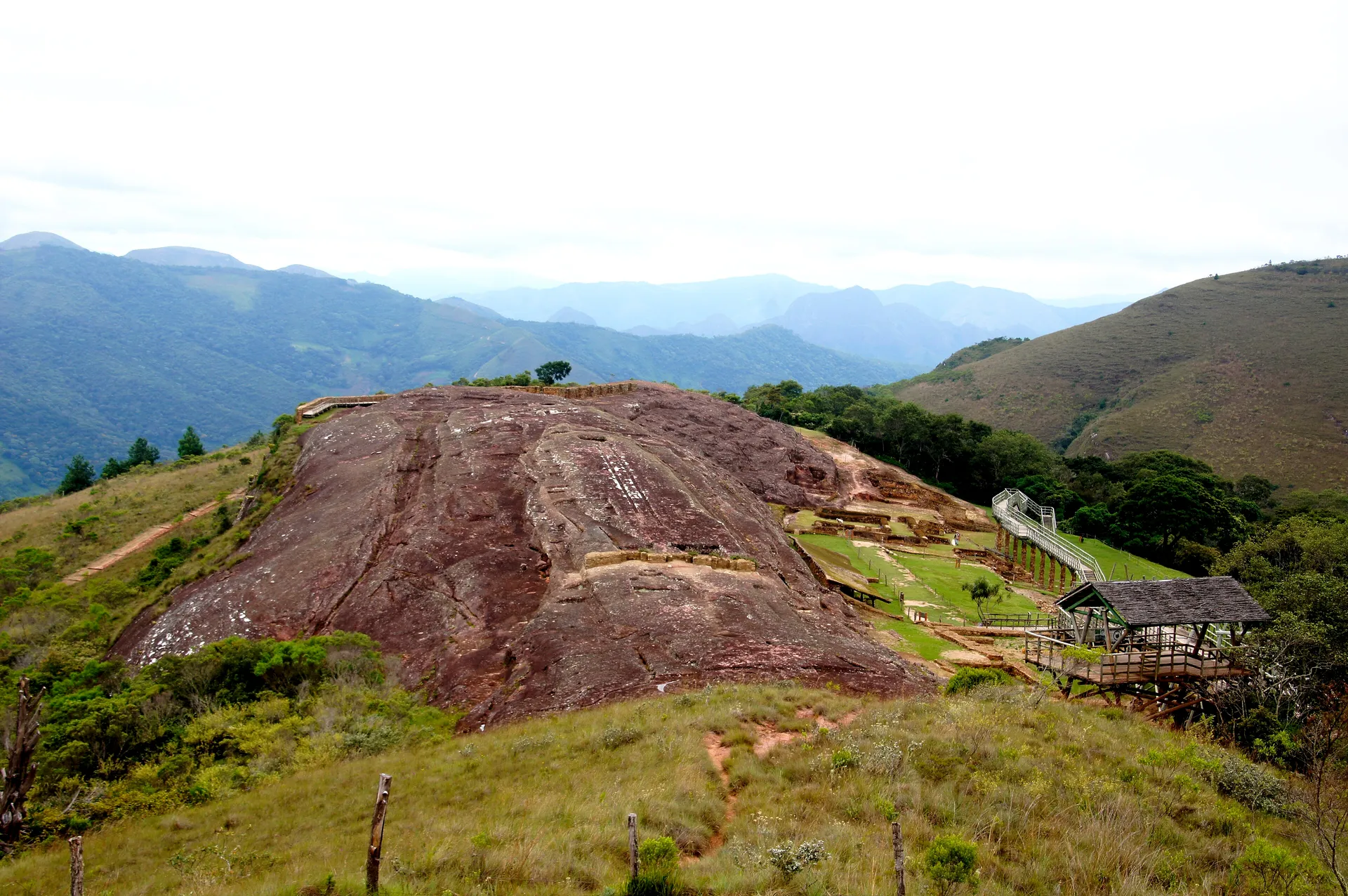
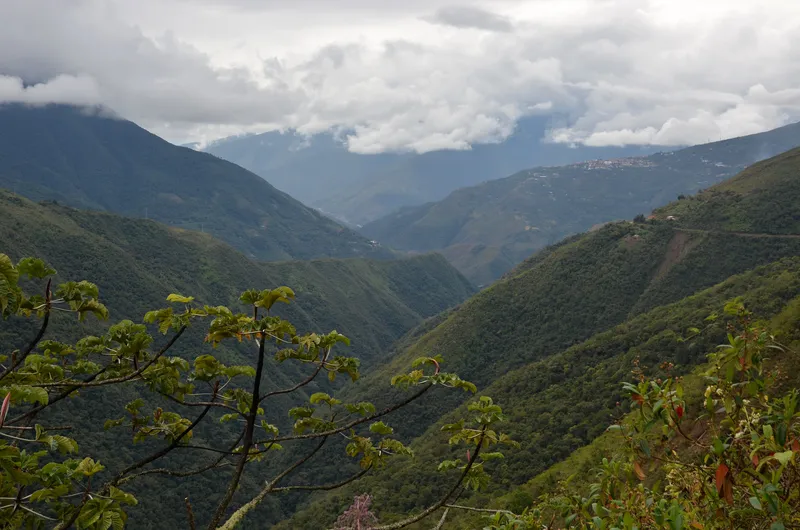
The upsides are real and specific: dramatic cloud-forest and mountain scenery on your doorstep, a UNESCO archaeological site (El Fuerte) a short trip away, low cost of living, a relaxed pace of life, and a small but genuine international community that makes it easy to meet people despite the town's size. Air quality is excellent, the surrounding nature (waterfalls, giant ferns, Amboró's biodiversity) is a legitimate draw rather than marketing, and the town itself is safe and easygoing. The downsides are equally real: Samaipata is remote, sitting 2.5-3 hours from the nearest city along a winding road that can be rough in bad weather, infrastructure is basic with patchy wifi and occasional power or water interruptions, the expat and digital nomad scene is small so options for community, entertainment, and dating are limited, and there's essentially no nightlife beyond a few low-key bars. Healthcare is basic locally, meaning anything serious means a trip to Santa Cruz. It rewards people looking for quiet and nature, and frustrates those wanting fast internet, variety, or a bigger social scene.
Who Samaipata Is For
Samaipata suits nomads and slow travelers who value nature, quiet, and a genuine small-town pace over convenience, nightlife, or fast infrastructure. It works well for writers, developers with modest bandwidth needs, or anyone whose job doesn't demand constant video calls, especially those who want hiking, waterfalls, and archaeological sites within easy reach rather than a two-day excursion. It's a strong fit for people coming from Santa Cruz who want a cooler, greener escape, or for longer-stay nomads who've already done the bigger Latin American hubs and are looking for something slower and cheaper. It's a poor fit for anyone who needs reliable fast internet for their job, wants an active nightlife or dating scene, or is only passing through for a few days and would rather avoid the long, occasionally rough road in and out. Think of it less as a nomad hub and more as a nature-and-recovery base: come for the cloud forest, the ruins, and the calm, and be honest with yourself about whether the road and the wifi are dealbreakers.