Cost of Living in Karakol
Where this figure comes from. No cost survey covers Karakol, so the $500 a month above is our own estimate rather than a measurement. On 416 of our 999 city guides the figure is built from a published Numbeo basket, a one-bedroom rent in the centre plus one person's monthly costs without rent, converted to USD; this city is not one of them. How we source everything.
Budget around $500 a month as a solo remote worker in Karakol, which is among the cheapest bases anywhere in this dataset. A one-bedroom apartment runs roughly $150 to $300, with guesthouse long-lets cheaper still outside the summer season. Food from the bazaar costs very little and a full meal in a local cafe is a couple of dollars. The seasonal cost that matters is heating: winter here is severe and coal or gas heating through five cold months is a real expense that summer visitors never see. Trekking gear and transport add up in season. Fibre runs about $10 to $20 a month where it reaches and mobile data less. Coal for a winter is the seasonal expense that dominates any local budget, and a guesthouse room with heating included is often cheaper overall than an unheated flat. A shared taxi to Bishkek is $10 to $15 and a place in a marshrutka half that. Trekking permits are not required for the standard routes, which keeps the cost of a week in the mountains to food, transport and a guide if you want one.
Where to Work in Karakol
Karakol has no formal coworking and remote work happens from guesthouses and a small number of cafes. Kyrgyz fixed broadband reaches the town with modest speeds and inconsistent reliability, and mobile data is cheap and often the more dependable option. Power cuts occur, particularly in winter when the grid is under load. The town's tourism economy has improved connectivity in the guesthouses that cater to trekkers, which is where most remote workers end up. Anyone needing consistent high bandwidth should verify a specific connection rather than assume. The seasonal pattern matters too: guesthouse connections are under most load in July and August, exactly when the town is busiest. Kyrgyzstan sits six hours ahead of GMT, which gives a European afternoon overlap and no useful American window. The guesthouse economy is genuinely the infrastructure here: several of the trekking hostels have invested in better connections specifically because long-stay guests asked for them, which is worth asking about by name when booking. Bishkek is where anything requiring a bank, an embassy or a specialist doctor is done.
Getting Around Karakol
Karakol is small, laid out on a Russian colonial grid and entirely walkable, with the bazaar, the Dungan mosque and the wooden Orthodox church all within twenty minutes. Marshrutka minibuses and shared taxis cover the Issyk-Kul shore and run to Bishkek in about six hours. Everything that brings people here, the Ala Kul trek, the Jeti Oguz valley, the ski base, needs either a taxi or an organised transfer. There is no functioning rail. Roads over the passes close in winter and mountain travel needs proper planning rather than improvisation. The Ala Kul trek is a three-day loop over a 3,900-metre pass to a lake that is a startling turquoise, and it starts from Karakol itself rather than requiring a transfer. Altyn Arashan, with its hot springs, is a rough two-hour drive up a riverbed and is the standard first day. Jeti Oguz and its red sandstone formations are forty minutes west and are reachable by marshrutka to the village then a walk up the valley.
Sorting transport? Book an airport transfer, or compare car rental on Auto Europe and QEEQ.
Visas for Karakol
Kyrgyzstan grants thirty days visa-free in any sixty-day period to citizens of a long list of countries including most of Europe, the United States, Canada, Japan and Australia, a limit cut from sixty days in 120 on 31 December 2025. Extensions are possible through the state registration service. Kyrgyzstan does grant a Digital Nomad status, but only to IT and software specialists from eleven named countries, among them the US, the UK and Germany. Kazakhstan and Uzbekistan are both straightforward overland and equally open, which makes a regional circuit easy to arrange without paperwork. Registration with the authorities is no longer required for short stays by most nationalities. There is no registration requirement attached to it either, which is the part that matters over a long stay and a large reason the country takes the overland traffic it does. A day trip to Kazakhstan or Uzbekistan no longer buys a fresh allowance: the thirty days count across any sixty-day window, so a longer stay means spending the other thirty days somewhere else. The land crossings to Kazakhstan at Kegen and Karkara are open seasonally and are the shortest route to Almaty.
Best Time to Visit Karakol
June to September is the season and the reason to come, with the high passes open, the alpine lakes accessible and daytime temperatures in the low to mid twenties. July and August are the peak for trekking and also when the Issyk-Kul shore fills with domestic and Kazakh holidaymakers. September is the best single month: clear, quiet and still warm. Winter from November to March is long and cold, with heavy snow and temperatures well below freezing, and the town becomes a small ski base. Spring is short and muddy. The Sunday animal bazaar on the edge of town starts before dawn and is a working livestock market rather than a display, and it is the one thing in Karakol that runs regardless of season. The high passes hold snow into June, so an early-summer arrival often means the lower valleys rather than the routes people come for.
Pros and Cons of Karakol
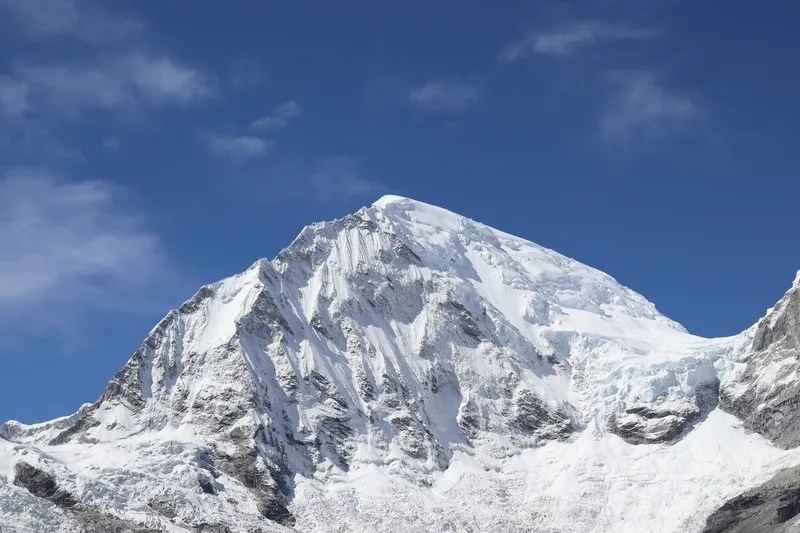
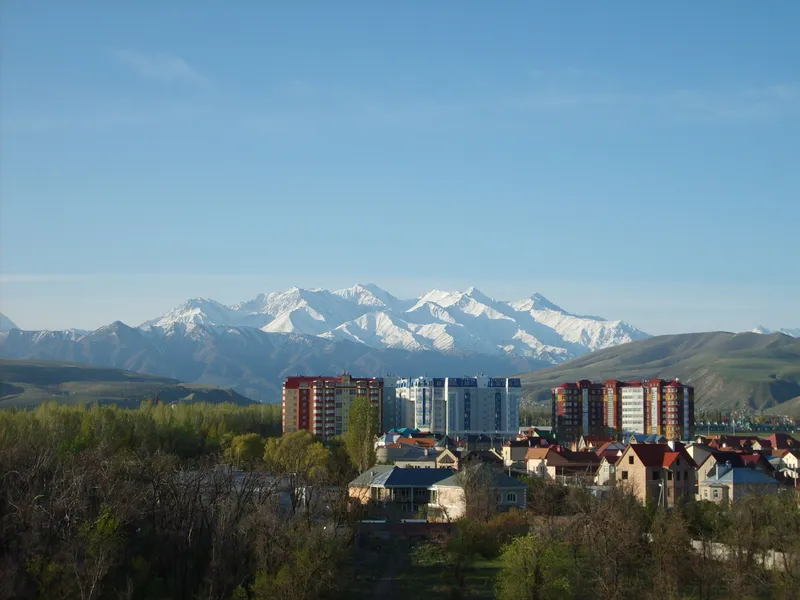
Karakol is the trekking capital of Kyrgyzstan, at the far end of Issyk-Kul under the Tian Shan, with the Ala Kul route, the Jeti Oguz valley and serious alpine terrain accessible directly from town. Costs are extremely low and the thirty-day visa-free entry removes most of the friction. The Dungan mosque and the wooden church give the town a genuine character. Connectivity is unreliable, English is rare on the ground, winter is severe, and medical facilities are limited enough that anything serious means Bishkek. The town also empties between October and May, so anyone arriving outside the trekking season should expect a quiet place with most tourist services closed. Karakol's Dungan mosque was built by Chinese Muslim refugees in 1907 without a single nail, and the wooden Holy Trinity cathedral nearby was rebuilt after an earthquake using the same technique, which together make the town architecturally unlike anywhere else in the region.
Who Karakol Is For
Trekkers, climbers and skiers who want a very cheap base at the foot of a serious mountain range, and whose work survives a shaky connection. It works for anyone travelling Central Asia over a season, given how easy the visa position is. A demanding remote schedule is the wrong thing to bring here, English will not get anybody far, and six hours of road between this town and the capital either reads as the appeal or reads as the problem. Which of the two it is tends to become clear in week three rather than week one. Russian learners get an unusually good environment. It remains the practical second language across Kyrgyzstan and it is far more useful here than English, which means immersion happens whether or not it was planned. Learning to ski is unusually affordable from this town. The base above it holds the best snow in Central Asia, and a day pass costs a small fraction of anything comparable in the Alps. Compared with Bishkek, Karakol costs half as much, runs on a fraction of the services, and at the foot of the mountains rather than three hours from them.
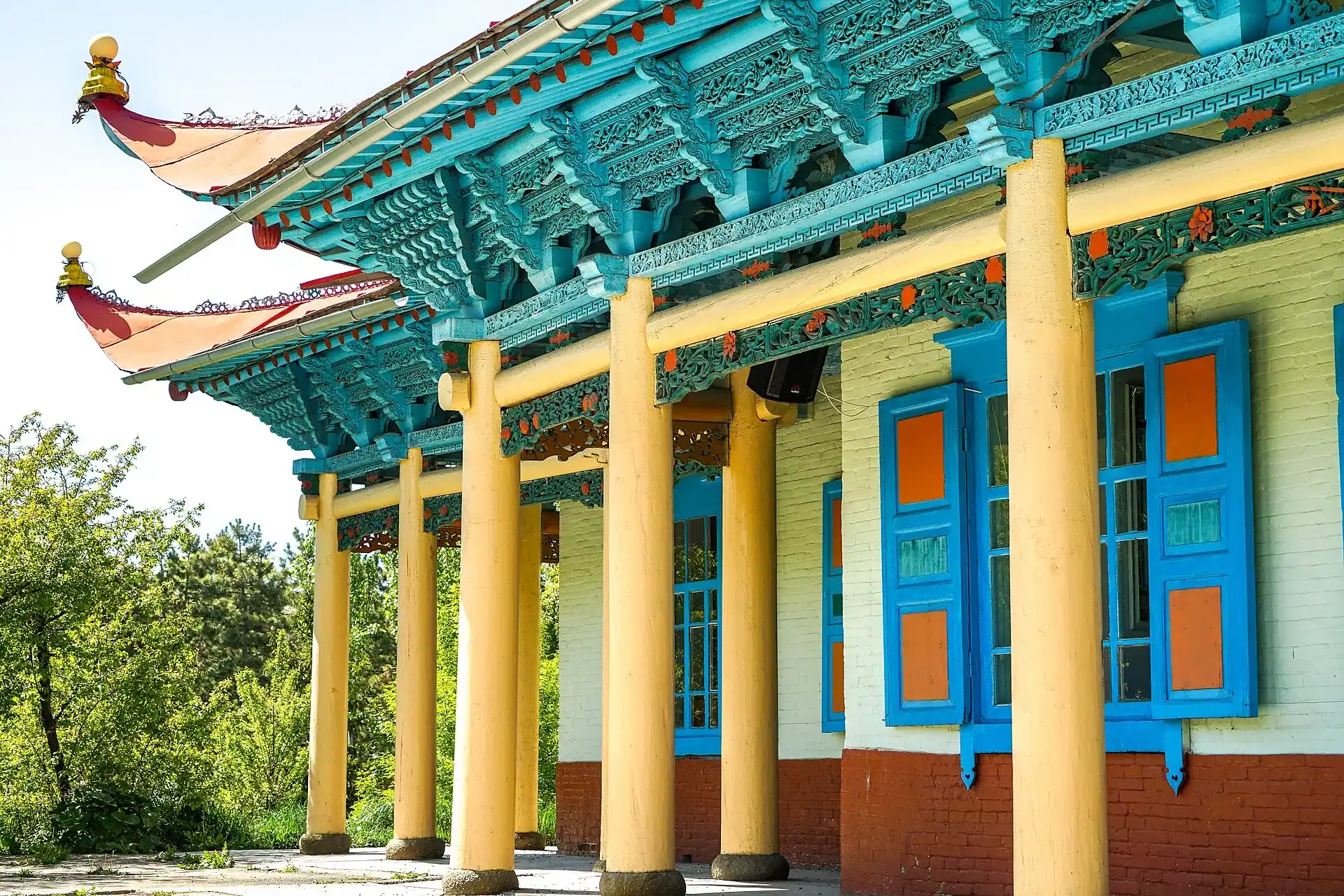 Photo: Kalpak Travel / Wikimedia Commons (CC BY 2.0)