Cost of Living in Mirissa
Where this figure comes from. No cost survey covers Mirissa, so the $800 a month above is our own estimate rather than a measurement. On 416 of our 999 city guides the figure is built from a published Numbeo basket, a one-bedroom rent in the centre plus one person's monthly costs without rent, converted to USD; this city is not one of them. How we source everything.
Mirissa is one of Sri Lanka's more affordable beach bases, and a slow-travel nomad can live comfortably here on roughly $600 to $1,200 a month depending on how close to the sand you sleep and how often you eat out. A simple guesthouse room runs cheap off-season, while a nicer studio or a beachfront place in high season pushes prices up sharply. Local rice and curry, kottu, and street eats cost very little, though the seafood restaurants along the bay charge tourist prices. Scooter rental, tuktuk rides, and a good data SIM are all inexpensive. Budget more in season (December to March), when demand for rooms spikes and owners hold firm on rates. These are editorial estimates, not fixed figures. The seafood on those menus is landed at Mirissa's own harbour, the largest fishing port on the south coast, which brings in tuna, mullet, snapper and butterfish, so fish is the cheapest good protein in town once you step away from the tables on the sand.
- Budget guesthouse room: roughly $10 to $25 a night off-season, more in season.
- Monthly rental or long-stay room: often $250 to $600 depending on standard and timing.
- Local rice and curry or kottu: a few dollars; beachfront seafood costs much more.
- Scooter rental: around $6 to $10 a day, cheaper by the month.
Where to Work in Mirissa
Mirissa earns its living from the beach, the harbour and the whale boats rather than from people at laptops, so it is no coworking hub, and connectivity is variable. Many guesthouses and beach cafes advertise wifi that is fine for messaging but strains under video calls, and speeds dip when the town is full. The reliable move is a local SIM from Dialog or Mobitel loaded with a generous data package, used as your primary connection or a hotspot backup. Always test the wifi at your accommodation before committing to a longer stay, and ask specifically about upload speed. A small nomad and long-stay traveller scene has grown up around the beach and nearby Weligama, so you will find a few laptop-friendly cafes and other remote workers, but treat dependable internet as something you arrange rather than assume.
- Get a Dialog or Mobitel tourist SIM with a large data pack as your workhorse connection.
- Test guesthouse wifi (especially upload speed) before booking a long stay.
- A handful of beach and village cafes are laptop-friendly for lighter work.
- Nearby Weligama has a larger long-stay crowd and more cafe options.
Getting Around Mirissa
Mirissa itself is small and walkable: you can stroll the length of the main bay, reach Coconut Tree Hill, and find food and the harbour on foot. For anything further, tuktuks are everywhere and cheap for short hops, and many travellers rent a scooter to explore the south coast freely, though local traffic and road conditions call for care and a proper licence. The scenic coastal railway and frequent buses connect Mirissa to Weligama, Galle, and Matara, making day trips easy and inexpensive, and the coastal train ride is a genuine highlight. Arriving from Colombo or Bandaranaike International Airport takes roughly two and a half to three hours, faster via the southern expressway by private transfer or taxi, slower but cheaper by train and bus. The railway station is not on the bay but about two kilometres east of the town, so anyone arriving by train with luggage should plan on a tuk-tuk for the last stretch and a seat on the seaward side is worth taking for the run along the coast.
- The town core is walkable; tuktuks handle short trips for a few dollars.
- Scooter rental gives freedom along the coast, but ride cautiously and legally.
- Coastal trains and buses link Weligama, Galle, and Matara affordably.
- Airport transfer takes about 2.5 to 3 hours via the southern expressway.
Sorting transport? Book an airport transfer, or compare car rental on Auto Europe and QEEQ.
Visas for Mirissa
Most visitors enter Sri Lanka on a tourist visa arranged through the country's Electronic Travel Authorization (ETA) system, applied for online before arrival. Since 25 May 2026 that tourist ETA has been free for nationals of forty countries, among them the UK, the US, Canada, Australia and much of western Europe, and a stay beyond the first thirty days means an extension, paid at the normal visa fee and applied for through the immigration department's online portal. The government application site is eta.gov.lk, so any page that adds a service charge on top of the official fee is an agency rather than the immigration department.
Best Time to Visit Mirissa
Mirissa runs on the south-coast season. The best stretch is roughly November or December through April, when the southwest monsoon has passed, the seas are calmest, the weather is at its sunniest, and blue-whale and dolphin watching is in full swing offshore. This is peak time for good reason, so expect the town to be busiest and priciest, with the beach, restaurants, and whale boats all filling up around the December to March core. From about May to September the southwest monsoon brings more rain, cloud, and rougher, choppier water, which quietens the town, drops accommodation prices, and can still deliver plenty of dry spells between showers. If you want the whales, the calm swim beach, and the postcard weather, aim for the dry season; if you want low prices and a sleepier vibe, the green season has its own appeal.
- November/December to April: calmest seas, best weather, whale season, but busy and pricier.
- December to March: the peak core, most crowded and most expensive.
- May to September: southwest monsoon, more rain and rough water, quieter and cheaper.
Pros and Cons of Mirissa
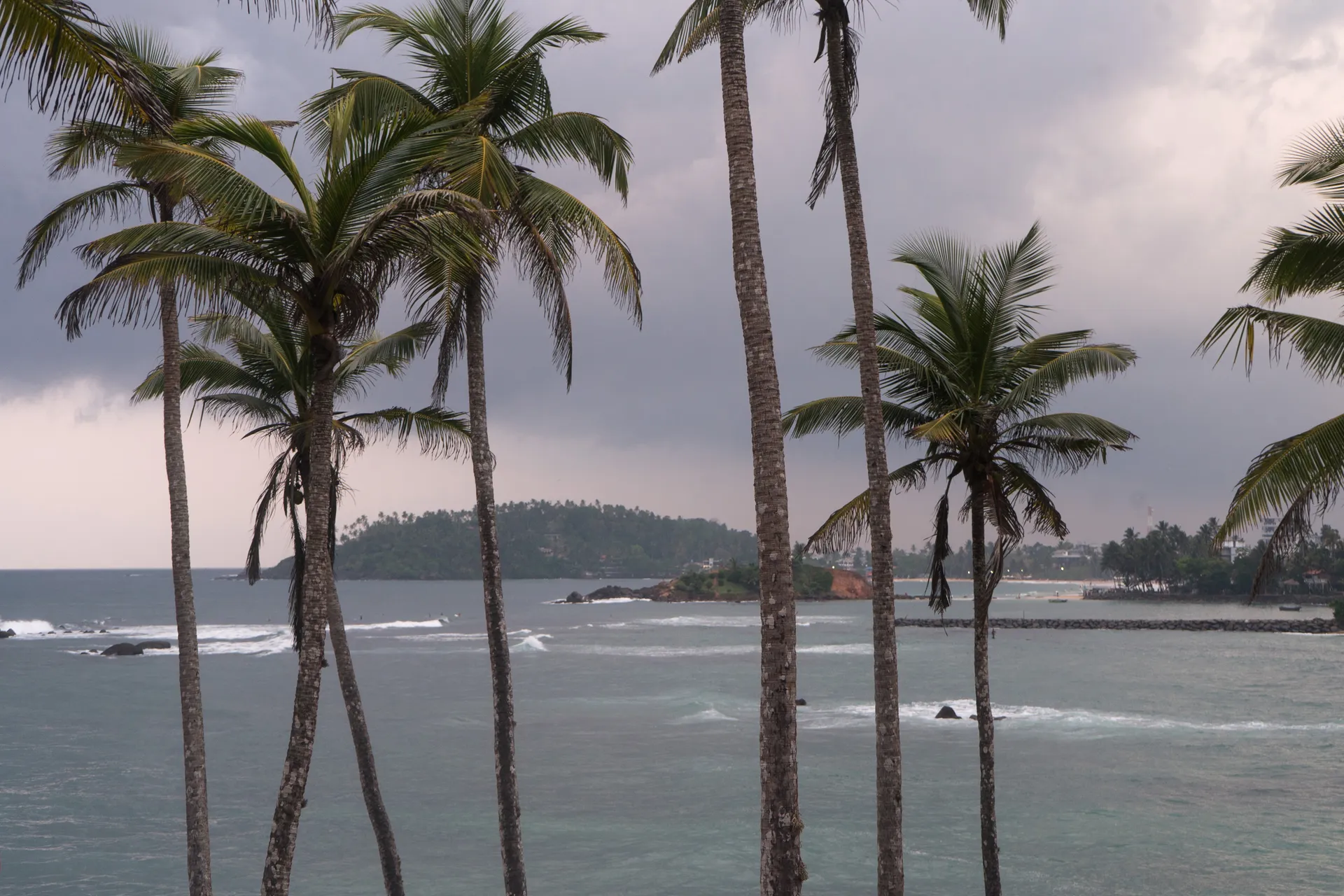
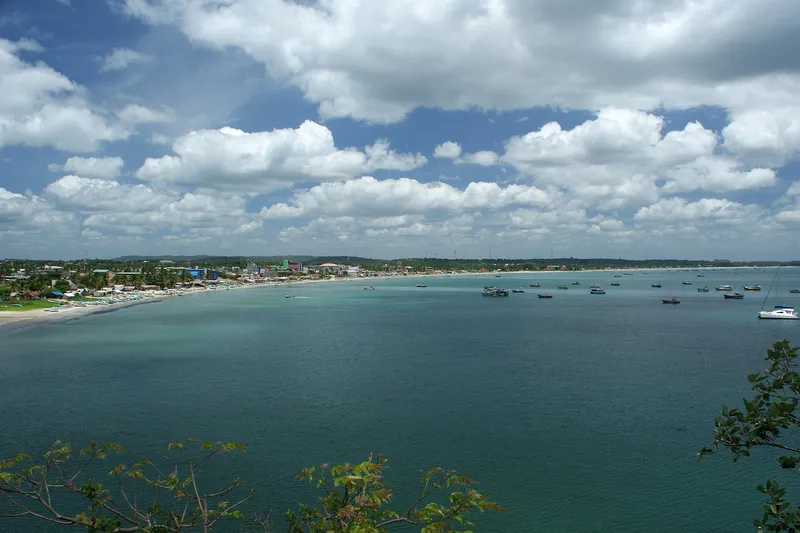
Mirissa's appeal is easy to feel: a beautiful crescent of palm-fringed golden sand, warm swimmable water in season, world-class whale and dolphin watching, iconic viewpoints at Coconut Tree Hill and Parrot Rock, low costs, friendly locals, and a relaxed backpacker-and-nomad energy with Weligama's surf and Galle's history close by. The trade-offs are real too. Infrastructure is modest, wifi is variable and can frustrate serious remote work, the town gets crowded and noticeably pricier in high season, and the monsoon months bring rain and rough seas. It is a place to slow down rather than power through a demanding work schedule, and it rewards travellers who came for the beach first and the laptop second. Go in with honest expectations and Mirissa is a delight.
- Pros: gorgeous beach, whale watching, low cost, friendly laid-back vibe, great coast nearby.
- Cons: variable wifi and modest infrastructure, seasonal crowds and higher prices.
- Cons: monsoon months bring rain and rough water; it is not a productivity-first hub.
Who Mirissa Is For
Mirissa suits the beach-and-surf slow-travel nomad: someone who wants to start the day in the ocean, work a lighter or flexible schedule, and treat a laptop as one part of the day rather than the center of it. It is ideal if you value warm water, affordable living, whales on your doorstep, and a friendly, unhurried scene over fast internet and coworking desks. It is a poor fit if your work depends on rock-solid connectivity, back-to-back video calls, or a structured professional environment, and it is less appealing if you dislike crowds in high season or rough seas in the monsoon. Come as a swimmer, surfer, or slow traveller with modest bandwidth needs and a good mobile data plan, and Mirissa can be a wonderful, restorative base on Sri Lanka's south coast.
- Great for: beach and surf lovers, slow travellers, and light or flexible remote workers.
- Less ideal for: call-heavy jobs needing reliable, high-speed internet.
- Best paired with: a good mobile data plan and realistic expectations about pace.