Cost of Living in Dahab
Where this figure comes from. No cost survey covers Dahab, so the $900 a month above is our own estimate rather than a measurement. On 416 of our 999 city guides the figure is built from a published Numbeo basket, a one-bedroom rent in the centre plus one person's monthly costs without rent, converted to USD; this city is not one of them. How we source everything.
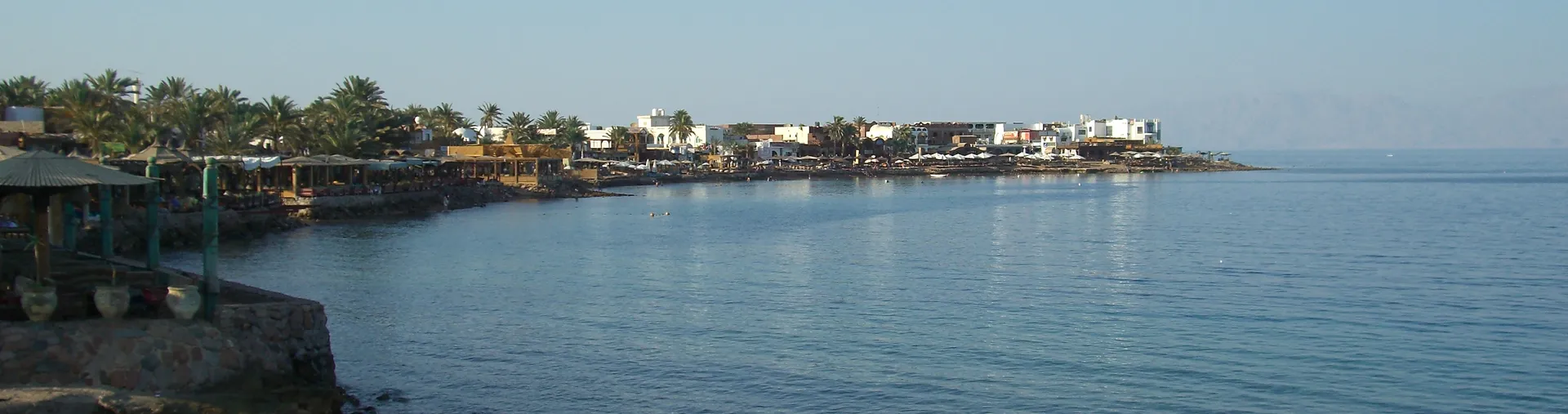
Dahab is affordable, and Egypt's weak currency makes it especially good value for those earning abroad. A comfortable single-person budget runs roughly $700 to $1,200 a month. A furnished apartment near the seafront or in Assalah costs about $250 to $550, and local Egyptian food is very cheap, while traveller-facing beachfront restaurants charge a little more. These are our editorial estimates in US dollars; because the Egyptian pound has fluctuated sharply, prices in dollar terms have often been low, and a longer monthly rental rather than nightly rates is the key to keeping costs down. Diving is the line that decides a budget here. A single guided dive is cheap by world standards, but the people who come for a season do two a day for weeks, and that adds up to more than the rent without anyone quite noticing. Buying your own mask, fins and computer pays for itself inside a month. On money, the pound has been devalued repeatedly and card acceptance outside the bigger dive centres is patchy, so keep cash and expect prices quoted to you in dollars to be worse than the same thing priced locally.
- Furnished apartment near the sea: roughly $250 to $550 a month
- Local Egyptian meal (koshari, fuul): roughly $2 to $5
- A guided fun dive on the local reefs: a modest sum by global standards
- Pickup or taxi across town: a couple of dollars
Where to Work in Dahab
Dahab has grown a small but genuine nomad and diver community, and its working setup has improved to match. Internet is the main variable: fibre and 4G reach the town but speeds can be inconsistent and outages happen, so test any rental's connection and keep a Vodafone, Orange or Etisalat SIM with data as backup before relying on it for calls. A handful of coworking spaces and plenty of laid-back beachfront cafes with wifi serve remote workers, and the barefoot, unhurried atmosphere suits focused work between dives. Manage bandwidth expectations, and Dahab is a workable, and very pleasant, base. The day here has a natural shape and fighting it is pointless. Boats and shore dives go early, so the divers are gone by eight and back by one, and the cafes are quiet and workable exactly then. The afternoon is hot, loud and social. Most people who make this work put their calls at either end of the day and keep the middle for whatever they came for. Local time runs an hour or two ahead of most of western Europe, which drops a European working day neatly into a local afternoon.
Getting Around Dahab
Dahab is a small, flat town strung along the Red Sea, and getting around is easy on foot or by bicycle, especially between the main Masbat and Assalah areas and the seafront promenade of cafes and dive shops. Cheap pickup trucks and taxis handle longer trips, including to the famous Blue Hole dive site north of town and out into the desert. The nearest airport is Sharm el-Sheikh, about an hour and a half away, from which transfers and buses run to Dahab. For desert and Bedouin excursions, tours and jeeps are easily arranged locally. The road to and from the airport passes through several military checkpoints where passports are inspected, which is routine and adds time rather than difficulty; keep the document accessible rather than packed. Travel between towns in this peninsula is generally done by day, and some operators will not run certain routes after dark, so an evening flight can mean an overnight in the resort town rather than a transfer. Within town, the seafront promenade is lit and busy but the back roads are neither, so a torch is a sensible thing to carry.
Sorting transport? Book an airport transfer, or compare car rental on Auto Europe and QEEQ.
Visas for Dahab
Most visitors enter Egypt on a visa on arrival or an e-visa, granting 30 days and extendable, though rules vary by nationality. A useful quirk for Dahab: travellers arriving through Sharm el-Sheikh and staying only in the South Sinai resort area, including Dahab, can often receive a free entry permit of around 15 days, though this does not cover trips to the rest of Egypt, which need a full visa. Note your permitted period and any Sinai restrictions. Worth spelling out what the short resort permit does and does not allow. It covers the coastal strip and the monastery in the mountains inland, which is most of what visitors here actually do, but it will not get you to Cairo, Luxor or anywhere across the canal; attempting that leg without a full visa means being turned back at a checkpoint. Upgrading afterwards is possible but means a trip to a passport office. If there is any chance you will want the rest of the country, buy the full visa at the start.
Best Time to Visit Dahab
Dahab enjoys a warm desert climate with sunshine almost year-round, making it a reliable escape. The most comfortable times are spring, from March to May, and autumn, from September to November, when temperatures are warm but not extreme and the sea is inviting. Summer, from June to August, is very hot, though the dry desert heat and cooling sea breezes make it more bearable than humid climates. Winter, from December to February, is mild and pleasant by day with cooler evenings, and remains a fine time for diving. There is rarely any rain to plan around. A couple of things the sunshine figures hide. The sea is coldest in late winter, down to temperatures where a thicker wetsuit is not optional, and warmest in early autumn, which is when the diving is at its most comfortable. The northerly wind blows hardest in spring, which is excellent for the windsurfers and irritating for everyone eating outdoors. And although rain is rare, when it does fall on the mountains it runs off fast and the wadis flood, which closes the inland roads for a day; it happens perhaps once or twice a year.
Pros and Cons of Dahab
Dahab is a laid-back Red Sea gem for water and desert lovers, with the trade-offs of a small, remote town. The trade-off that catches people is not remoteness but inertia. This town is unusually good at absorbing people who meant to stay a fortnight: rent is trivial, the day has an obvious shape, the water is extraordinary, and almost nothing forces a decision. A large share of the foreign population arrived years ago on a short trip. Whether that reads as the best thing about the place or a warning depends entirely on what you are trying to build. On the practical side, be clear that this is a small town in a sparsely populated region: anything beyond basic medical care is in the next town along the coast, the shopping is limited, and anyone who needs a city for work or family should treat the distance as a real constraint rather than an inconvenience.
- Pros: world-class diving and snorkelling on spectacular reefs including the Blue Hole, a wonderfully relaxed barefoot atmosphere, low costs and strong value, a growing nomad and diver community, and a dramatic desert-meets-sea setting with year-round sun.
- Cons: patchy internet, limited amenities and no big-city conveniences, a somewhat remote location with airport transfers, hot summers, modest cultural offerings, and the need to be aware of wider Sinai travel and security advisories.
Who Dahab Is For
Dahab is for the water-loving, laid-back nomad who wants to structure life around diving, snorkelling and the sea, and who can work happily with light connectivity. Divers, freedivers, windsurfers and anyone craving a slow, barefoot, sun-soaked base on a budget will love it, and the small nomad-and-diver community makes it easy to find like-minded people. It suits flexible, lower-bandwidth work and a tolerance for small-town limits. It is a poor fit for those who need fast, reliable internet, city amenities, rich cultural sightseeing or nightlife. Come for a season, lock in a monthly rental, and let the Red Sea be your reason to stay. A season is the right unit here, and the good ones run from autumn through spring. Book a month first and extend rather than committing to six, because the town either clicks immediately or it does not and there is no middle. Bring the dive gear if you have it and the patience if you do not. Anyone who does not swim will find the days long, since almost every social thread in the place runs through the water, and the photographs will not have warned you.