Cost of Living in Bocas del Toro
Where this figure comes from. No cost survey covers Bocas del Toro, so the $1,100 a month above is our own estimate rather than a measurement. On 416 of our 999 city guides the figure is built from a published Numbeo basket, a one-bedroom rent in the centre plus one person's monthly costs without rent, converted to USD; this city is not one of them. How we source everything.
Bocas del Toro sits in a moderate band for Central America, with most solo nomads spending roughly $900 to $1,600 a month. Panama uses the US dollar, so there is no currency friction and prices are easy to read. Bocas Town on Isla Colon has the widest range of rentals, from simple guesthouse rooms to over-water cabins, while the outer islands can run cheaper or, for beachfront, pricier. Imported goods and anything shipped across the water carry an island markup, so groceries and hardware cost more than on the mainland. Eating local Caribbean food and cooking at home keeps budgets low, while a diet of Western restaurants and cocktails pushes you toward the top of the range.
- Budget room or shared house: $350 to $650 per month
- Private apartment or cabin: $700 to $1,200 per month
- Local meal or fonda plate: $5 to $9; Western restaurant mains: $12 to $18
- Water taxis, local beer and coffee are cheap; imported goods carry an island markup
Where to Work in Bocas del Toro
Island infrastructure sets the terms here: wifi is variable and drops out now and then, and the power and water supplies can both fail without any warning. That does not make remote work impossible, but it rewards preparation. Choose accommodation partly on its internet, ask hosts direct questions about speeds and backups, and carry a local eSIM or SIM as a mobile hotspot for when the main line stutters. There is a small but real nomad scene, a handful of laptop-friendly cafes in Bocas Town, and a coworking-style spot or two, though options are limited compared with a mainland city. Slow-travel nomads with light bandwidth needs cope well; anyone on constant video calls should stress-test their setup in the first days.
- Prioritise accommodation with proven wifi and a backup plan
- Bring a local SIM or eSIM for mobile hotspot redundancy
- A power bank and offline work habits smooth over outages
- Expect a few cafes and coworking-style spaces, not a big hub
Getting Around Bocas del Toro
Bocas Town is small and easy to walk, so day-to-day errands rarely need transport. On Isla Colon you can hail taxis or rent a bike to reach beaches like Bluff and Paunch further up the island. The real backbone of the archipelago, though, is the water taxi, known locally as a lancha: fast boats shuttle between Bocas Town and the outer islands such as Bastimentos and Carenero throughout the day, and this is the main way most people move around. Getting to Bocas in the first place is either a short flight from Panama City into Bocas del Toro airport (BOC) on Isla Colon, or the longer overland bus route to Almirante followed by a boat crossing. Coming overland from Costa Rica, the crossing is the bridge over the Sixaola River at Guabito, where a small municipal tax is charged in each direction before shuttles carry you on to the water-taxi dock for the islands.
- Bocas Town: walkable; taxis and bike rentals on Isla Colon
- Water taxis (lanchas) link the islands and run through the day
- Arrive by short flight to BOC or bus-plus-boat via Almirante
- Fix boat fares before departing and carry small US-dollar cash
Sorting transport? Book an airport transfer, or compare car rental on Auto Europe and QEEQ.
Visas for Bocas del Toro
Bocas del Toro is part of Panama, so entry rules are national rather than local. Many nationalities receive a tourist entry on arrival that commonly allows a stay of up to 90 to 180 days, which covers a generous slow-travel season without paperwork. Panama has also built a reputation for longer-stay options, including a short-stay framework and the well-known Friendly Nations pathway aimed at residency for people from a list of countries, though these involve local sponsorship, funds and legal steps well beyond a tourist visit. How long the tourist stamp runs depends on the passport: American and Canadian visitors get up to six months, British and EU visitors three. Remote workers earning at least $36,000 a year from abroad have a cleaner option in Panama's short-stay remote worker visa, which runs nine months, can be renewed once, and requires health insurance valid in Panama.
- Tourist entry commonly allows up to 90 to 180 days on arrival
- Panama offers longer routes such as short-stay and Friendly Nations residency
- Longer options need sponsorship, funds and formal legal steps
Best Time to Visit Bocas del Toro
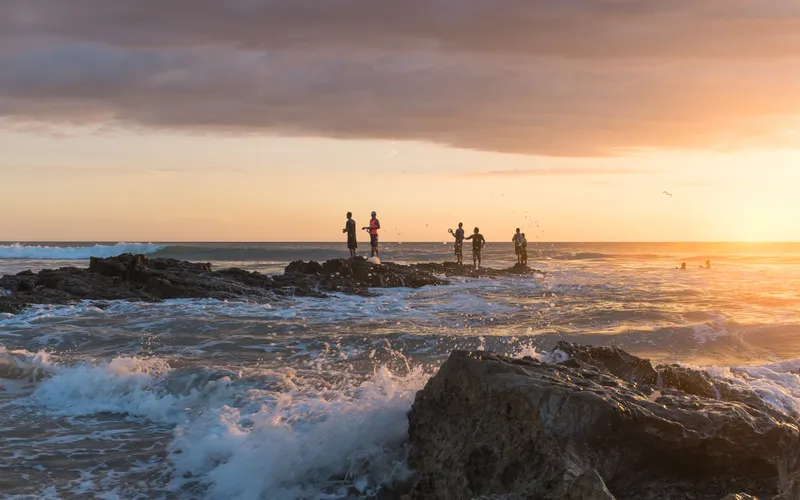
Bocas has a Caribbean climate that is warm and humid all year, and it genuinely rains a lot, so no month is guaranteed dry. That said, the calmer, comparatively drier windows tend to fall roughly from February to April and again from September to October, and these are the sweet spots for reliable island days, snorkelling and settled boat crossings. Weather here is changeable, and a bright morning can turn into an afternoon downpour, so pack a light rain layer whatever the season. Surfers have a different calendar: the biggest, most consistent swells arrive from December to March, when the reef breaks around Isla Colon come alive and the town fills with a livelier crowd.
- Drier, calmer windows: roughly February to April and September to October
- Rain is possible year-round; mornings are often clearer than afternoons
- Best surf: December to March for bigger reef swells
- Always pack a light rain layer and quick-dry clothing
Pros and Cons of Bocas del Toro
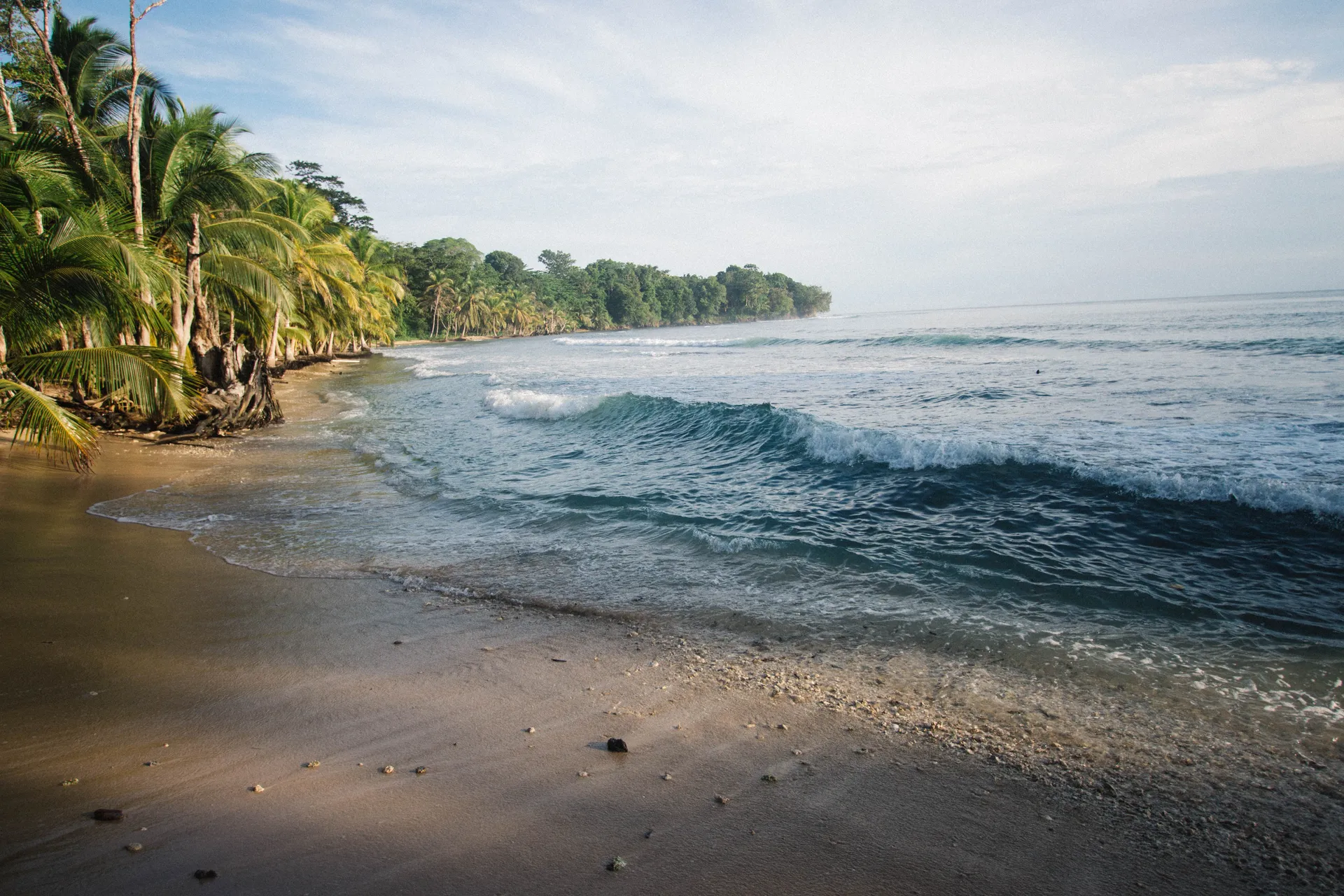
Bocas del Toro is easy to love and easy to be honest about. The pull is obvious: turquoise Caribbean water, coral reefs, surf breaks, over-water bungalows and a genuinely relaxed Afro-Caribbean and Ngabe island culture, all priced in the familiar US dollar with enough English spoken to smooth arrival. It is fun, social and scenic, with a growing nomad and backpacker community. The trade-off is infrastructure: wifi is patchy, power and water can hiccup, everything runs on island time, and the frequent rain and rustic services test anyone who needs polish and predictability. Normal traveller safety awareness applies, as it would in any small tourist town. Come for the lifestyle and slow pace, not for a frictionless work base. The best of the archipelago is protected: the Isla Bastimentos National Marine Park takes in much of Bastimentos island, the Zapatilla Cays and the mangroves and water around them, which is why the reefs a short lancha ride from town remain worth the snorkel.
- Pros: stunning reefs and surf, laid-back culture, US dollar, decent English, low-key cost
- Pros: strong island-and-surf lifestyle and a friendly nomad scene
- Cons: variable wifi and occasional power and water outages
- Cons: frequent rain, rustic infrastructure and island-time pacing
Who Bocas del Toro Is For
Bocas del Toro suits a specific nomad: the island-and-surf slow traveller who values lifestyle over connectivity and can happily tolerate patchy wifi and the occasional outage. If your ideal week mixes light, flexible work with reef dives, board sessions at Bluff or Paunch, beach days at Red Frog and Starfish, and evenings by the water, this place delivers. It works best for people who structure their work asynchronously, keep backups, and treat a lost afternoon of internet as part of the deal. It is a poor fit for anyone tethered to constant video calls, hard deadlines or a need for reliable services. Come with realistic expectations and a spirit for island living, and Bocas rewards you generously.
- Great for: surf-and-island slow travellers with flexible, low-bandwidth work
- Great for: divers, snorkellers and anyone who loves Caribbean beach life
- Less ideal for: heavy video-call schedules and rigid deadlines
- Bring backups, patience and an appetite for island time