Cost of Living in Zanzibar
Real market data
Source: Numbeo · August 2026
$500/moSolo nomad1-bed centre + living costs
$790/moCoupleshared 1-bed + costs
$450/moLean / localcheaper area + costs
- 1-bed rent, city centre$150TZS 396,302
- 1-bed rent, outside centre$100TZS 264,201
- Monthly costs excl. rent (1 person)$350TZS 933,953
- Meal, inexpensive restaurant$5TZS 12,500
- Buy price, per m² (centre)$37,840TZS 100,000,000
Prices are from Numbeo (August 2026), converted to USD at $1 = 2642.96 TZS (01 Aug 2026). The monthly living-costs figure is our transparent one-person basket, groceries, a few meals out, utilities, phone, internet, transport and essentials, priced from those figures. Solo adds central rent; couple and lean are estimates from the same numbers. The guide below quotes its own monthly range, which is a different measurement rather than a competing one: this table prices a defined basket at the figures above, while that range is a judgement about how somebody actually lives here.
What this figure covers. Every rent quoted in the guide below starts above the measured figure here, which means the survey is describing a different Zanzibar: the island away from Stone Town and the northern beach strip, where almost no visitor stays. Budget from the guide rather than from the table if you are looking at Stone Town, Paje or Nungwi. How we source everything.
Zanzibar is cheaper than most Southeast Asian nomad hubs on paper, but the reality is more complicated. The island's economy is built around tourism, which means long-term accommodation is genuinely hard to find at reasonable rates and groceries lean on imports.
All prices below are in US dollars, converted from Tanzanian shilling prices. The exchange rate hovers around 2,600 TZS per USD.
- Rent (Stone Town, 1-bedroom): $305-455/month. Decent furnished flats exist, but long-term leases are rare and landlords expect tourist-rate premiums.
- Rent (Paje or Jambiani, 1-bedroom): $225-340/month. Slightly more budget-friendly in the beach villages, especially off-season.
- Groceries: $98-150/month. Local produce, coconut, fish, and rice are cheap. Imported goods (cheese, wine, oats) are expensive and spotty in availability.
- Eating out, local spots: $4-7.50 per meal. Zanzibar mix, biryani, and grilled seafood at street stalls are excellent value.
- Eating out, tourist restaurants: $11-23 per meal.
- Coworking hot-desk: The Train's House charges $10/day or $180/month for a shared desk in Stone Town.
- Local transport (dala dala): $0.20-0.40 per ride. Scooter rental runs about $115/month long-term.
- Utilities: Often included in accommodation. If separate, expect $38-57/month for electricity, which can spike with AC use.
- SIM data (Vodacom 20GB): ~$10/month.
Realistic monthly total: Budget nomad spending carefully: $1,200-1,600/month. A comfortable lifestyle with occasional restaurant meals, a reliable coworking space, and scooter transport: $1,800-2,400/month. Nomads who eat out frequently and stay in nicer guesthouses will easily hit $2,500+.
Where to Work
Zanzibar has a small but real coworking scene concentrated in Stone Town and Paje. These spaces exist precisely because home and hotel WiFi is unreliable, so they tend to invest in backup generators and better connections.
Coworking Spaces
- The Train's House (Stone Town): The most established space on the island, operating from a historic building in Darajani. Hot desks run $10/day or $180/month. Generator backup, AC, printing, and a restaurant onsite.
- Kokaya Space (Stone Town): A courtyard-style space on Mizingani Road with a cafe and cultural events. Good atmosphere if you prefer a more social environment over pure productivity.
- Tarawanda House (Stone Town): Rooftop coworking with coliving rooms available. Hosts networking events and is popular with long-term nomads.
- Migoz Pro Hub (Stone Town): More corporate in feel, on Nyerere Road with a barista counter and professional seating.
- The Nest Coworking Place (Paje): Open 24/7 at a beachfront resort. The trade-off is a longer commute from Stone Town, but it suits nomads who want to base themselves in Paje.
Cafe Work Culture and WiFi Reality
Cafe work culture is less established than in Southeast Asia. You can find a handful of cafes with decent WiFi in Paje, but expect to be turned away or receive poor speeds if the connection is overloaded. Stone Town's better cafes are usable on a good day. Island connections are fine for video calls and light cloud work but not for large file uploads. Power cuts happen and are genuinely disruptive. Coworking spaces with generators are a more reliable choice for client calls or deadline work.
Getting Around
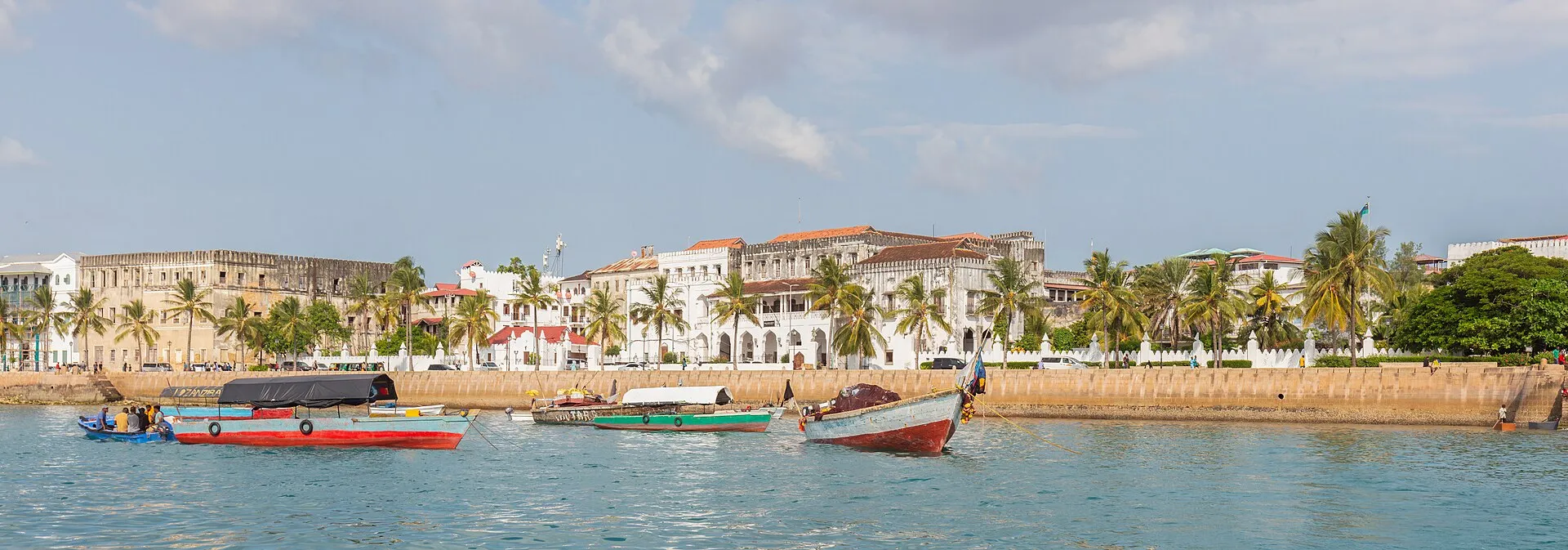
Stone Town itself is compact and largely walkable, though the narrow alleys and midday heat make long walks uncomfortable. Beyond the old town, you need transport.
On the Island
- Dala dala: Shared minibuses covering the main routes for under $0.50 per ride. Crowded and infrequent after dark, but by far the cheapest way to cross the island.
- Bolt: Launched on Zanzibar in mid-2025 and now the most convenient app-based ride option. Uber no longer operates in Tanzania.
- Scooter rental: The nomad default for exploring the island freely. Long-term rentals run around $115/month; daily rates are higher at $19-30. An international driving permit is advisable.
- Taxis: Available but negotiate the price before you get in. Airport to Stone Town is a fixed $15 for up to four passengers and takes about 15 minutes.
Airport (ZNZ)
Zanzibar Abeid Amani Karume International Airport sits about 6km south of Stone Town. A dala dala costs well under $1 but involves a walk and some patience. A taxi costs $15 and takes 15 minutes. The airport handles both direct international arrivals and connections via Dar es Salaam, Nairobi, and Doha.
Sorting transport? Book an airport transfer, or compare car rental on Auto Europe and QEEQ.
Visas and Staying Long-Term
Zanzibar is part of Tanzania, so you follow Tanzanian entry rules. Since January 2025, Tanzania no longer issues visas on arrival. You must obtain an eVisa before you travel.
- eVisa (single entry, 90 days): $50, apply at visa.immigration.go.tz. Processing typically takes a few hours to a few days.
- Multiple-entry visa: $100, valid for 12 months.
- Mandatory travel insurance: Since October 2024, all visitors to Zanzibar must have travel insurance from Zanzibar Insurance Corporation. You pay this on arrival.
- Extension: You can extend a single-entry tourist visa once at the Zanzibar Immigration Office for an additional 90 days ($50). Total maximum stay is 180 days before you must leave Tanzania.
- Nomad visa: Tanzania has no dedicated digital nomad visa as of mid-2026.
- Yellow fever: Vaccination certificate required if arriving from a country with yellow fever transmission risk.
Best Time to Visit
Zanzibar has two rainy seasons and two dry seasons. Getting the timing right matters a lot for both comfort and your connection to the outside world (power cuts spike during heavy rain).
- June to October (long dry season): The best overall window. Temperatures sit at 22-28°C with low humidity, minimal rain, and consistent sunshine. July and August are peak tourist season with higher prices and more competition for accommodation. September and October give you the same good weather with notably smaller crowds.
- December to February (short dry season): Warm at 28-32°C, mostly dry with occasional brief showers. A solid second choice, especially January and February when it is hot and dry.
- March to May (long rains): Heavy afternoon downpours are daily. Accommodation is cheapest of the year and the island is quiet, but power outages are more frequent and some businesses scale back. Not recommended if reliable internet is a priority.
- November: Short rains, variable and patchy. Not the worst time to visit but unpredictable.
For remote work, aim for June to October or January to February. September and early October offer the best combination of weather, lower prices, and manageable crowds.
Pros and Cons
Pros
- Stunning beaches with some of the best kitesurfing in the world, particularly at Paje
- Genuinely low cost of food when eating local, with excellent Swahili and spice-influenced cuisine
- Stone Town is a living UNESCO World Heritage site, fascinating to explore
- Warm, welcoming culture and English is widely spoken in tourist and business contexts
- A small but real coworking scene with reliable generator backup
- Good flight connections from Europe and the Middle East, Nairobi is a short hop away
- No jet lag for European nomads; UTC+3 year-round
Cons
- WiFi is genuinely unreliable outside of dedicated coworking spaces; power cuts are common
- Long-term accommodation is hard to find and overpriced compared to comparable destinations in Asia
- The island economy prices tourists heavily: eating out at nicer spots gets expensive fast
- Petty theft is a real concern in Stone Town, particularly in crowded markets and after dark
- No nomad visa; the eVisa caps you at 90 days (extendable once to 180 total)
- Grocery selection for imported items is limited and inconsistent
- Humidity and heat from November through March can make working without AC uncomfortable
Who Zanzibar Is Best For
Zanzibar works well for nomads who want a short-term tropical base, not a permanent one. If you are writing, designing, or doing async work that tolerates occasional connectivity hiccups, the island rewards you with a genuinely beautiful environment and rich culture. It suits people who can work from a coworking space on a schedule rather than relying on home or cafe WiFi for client calls. The June-to-October dry season is a particular draw for European nomads looking to escape winter.
Kitesurfers, divers, and anyone drawn to the Swahili coast's history will find Zanzibar more than a backdrop. Foodies willing to eat local will eat very well for very little.
Zanzibar is a harder fit if you need consistent multi-gigabit speeds, hold daily video calls on a strict schedule, or want a dense nomad community with regular meetups. It is also not ideal for anyone planning a stay beyond six months, since the visa situation requires either a border run or starting fresh with a new entry. Budget-focused nomads who compare it to Southeast Asia on a cost-per-experience basis will find Southeast Asia wins on internet reliability and accommodation flexibility, though not on culture or scenery.