Cost of Living in Crete
Where this figure comes from. No cost survey covers Crete, so the $2,200 a month above is our own estimate rather than a measurement. On 416 of our 999 city guides the figure is built from a published Numbeo basket, a one-bedroom rent in the centre plus one person's monthly costs without rent, converted to USD; this city is not one of them. How we source everything.
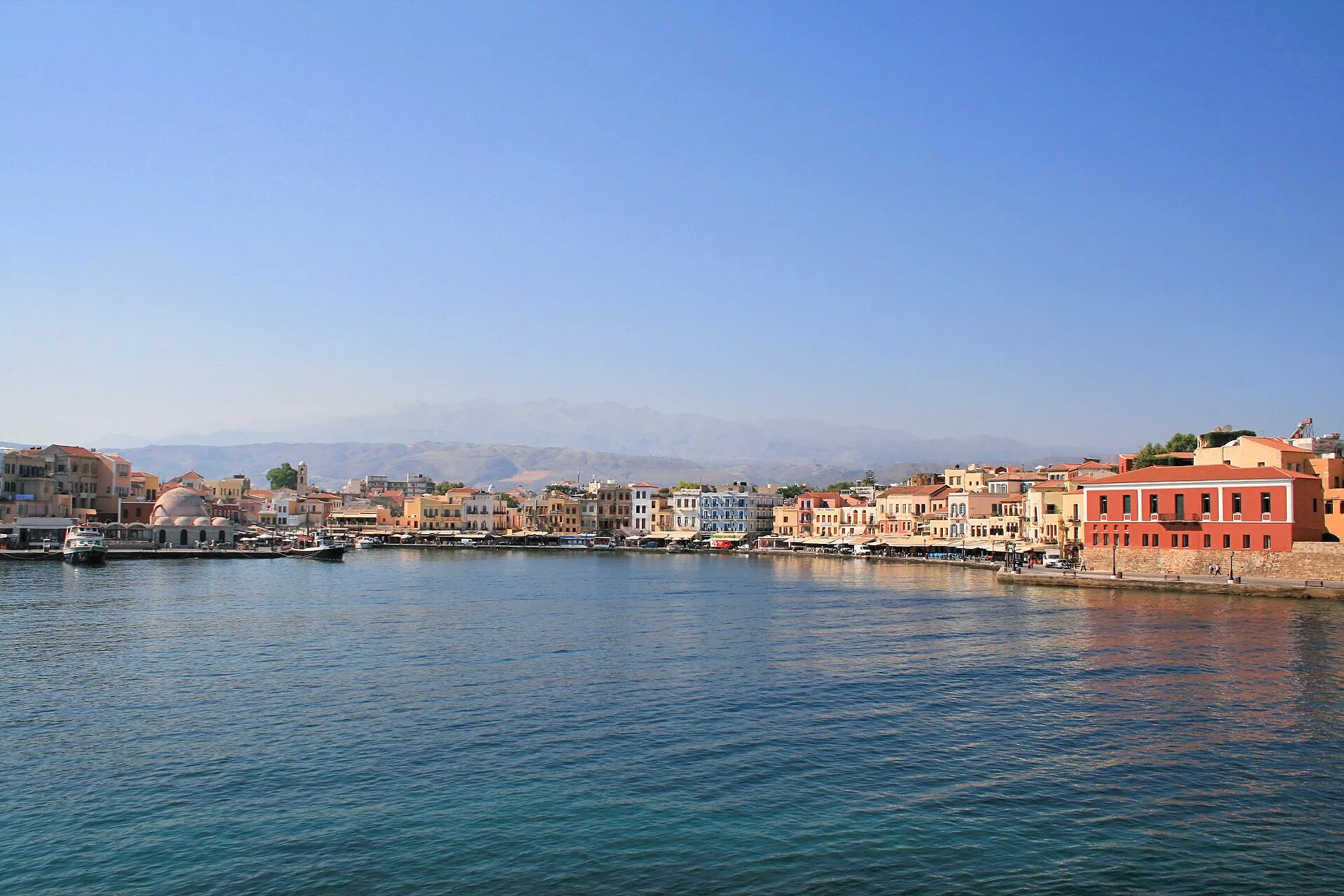
Crete sits in a comfortable middle ground for European island living. A one-bedroom apartment in central Heraklion or Chania Old Town runs roughly $690-1,040/month. Move a few kilometers out to neighborhoods like Nea Alikarnassos (Heraklion) or Akrotiri (Chania) and you can find furnished apartments for $520-690/month. Avoid booking anything for July or August if you plan to stay more than a month: landlords typically switch to short-term tourist pricing and rates double or triple.
- Rent (1-bed, city center): $690-1,040
- Rent (1-bed, outer area): $520-690
- Groceries (cooking most meals): $230-370
- Eating out (3-4 meals per week at local tavernas): $115-205
- Coworking hot-desk: $140-215/month
- Local transport (buses): $35-58
- Utilities + internet: $92-140
- Total monthly budget: about $2,200
Local coffee costs $2.50-3.50, a gyros pita runs $3.50-4.50, and a full sit-down meal at a neighborhood taverna with wine lands at $14-23 per person. Supermarkets like Lidl and local markets keep grocery costs reasonable if you cook.
Where to Work
The coworking scene is small but functional. In Heraklion, COMEET Creative Space is the most polished option, offering a day pass at $14, a week at $63, and a monthly hot-desk at $215. Office12 is another Heraklion option with a $190/month membership, ergonomic setups, and occasional networking events. FuckUp Coworking operates 24/7 with unlimited coffee and private lockers. In Chania, Workhub Chania is the standout, with a backup internet line, meeting rooms, and a strong nomad community via its WhatsApp group; monthly desks cost around $365.
Cafe culture is strong on the island and most venues welcome laptop workers outside peak summer hours. Coffee Lab and Mikro Caffenio in Chania are popular among remote workers. Expect free Wi-Fi at most cafes, though speeds vary widely and can drop during busy periods. Apartments in Heraklion have fibre; cafe connections are slower but generally usable for calls. Mobile backup via Cosmote or Vodafone SIM cards is recommended. Outside major towns, connectivity becomes patchy in mountain villages.
Getting Around
Crete is a large island and a car is almost essential if you want to explore beyond the city you base yourself in. Rental rates start around $23-46/day for a compact car at the airport, or cheaper with weekly rates booked in advance. Within Heraklion and Chania, the city bus networks are adequate and cheap, with tickets at about $1.50 per ride. Both cities are walkable in their historic cores.
The island has two international airports: Heraklion Nikos Kazantzakis (HER) in the east and Chania International (CHQ) in the west. Heraklion is the larger hub with more direct routes year-round. A bus from Heraklion airport to the city center costs around $2.50; a taxi runs $17-23. From Chania airport a bus costs $2.50 and takes about 20 minutes; a taxi is roughly $35. Intercity buses (KTEL) connect Heraklion, Rethymno, and Chania for $7-16 depending on distance.
Sorting transport? Book an airport transfer, or compare car rental on Auto Europe and QEEQ.
Visas and Staying Long-Term
Greece is a Schengen Area member. Citizens of the US, UK, Canada, Australia, and most other Western countries can enter visa-free for up to 90 days within any 180-day period. EU/EEA citizens have no restrictions.
Greece introduced a Digital Nomad Visa (officially a national Type D visa, which can lead on to a residence permit) for non-EU remote workers. The key requirements as of 2025-2026 are: proof of remote income of at least $4,030/month net, employment or contracts with clients entirely outside Greece, and valid health insurance. The visa is valid for 12 months, and holders who want to stay on can move to a Digital Nomad Residence Permit that lasts two years and renews two years at a time. Applicants apply at a Greek consulate before arrival. Permit holders who become tax residents (183+ days per year) qualify for a 50% income tax reduction for up to seven years.
Best Time to Visit
Crete gets roughly 300 sunny days per year, but not all seasons suit remote work equally. The two best windows are April to mid-June and mid-September to November. During these shoulder periods, temperatures sit at 18-26 degrees Celsius, crowds are thin, accommodation prices are lower, and businesses are fully open. You can genuinely enjoy the island outside work hours without fighting tourists for a seat.
July and August are hot (28-35 degrees Celsius), crowded, and expensive. Rental prices spike and coworking spaces can fill up with short-term visitors. If you need to be there in summer, base yourself inland or in a quieter part of Heraklion away from the waterfront. Winter (December to February) is mild by northern European standards (12-16 degrees Celsius) but rainy, and some restaurants and tourist infrastructure close outside the larger cities. Heraklion functions year-round better than Chania for a true winter stay.
Pros and Cons
- Pro: Exceptional food culture with cheap, genuinely good local tavernas on almost every block
- Pro: Affordable by Western European standards, especially outside peak season
- Pro: Stunning natural environment: gorges, beaches, mountains all within day-trip distance
- Pro: Safe, low-crime environment with friendly and often English-speaking locals
- Pro: Good year-round climate, easily the warmest island in Greece during shoulder seasons
- Pro: Heraklion has reliable fibre internet and a functioning year-round city
- Con: Small nomad community compared to Athens or larger European hubs
- Con: Car essentially required to explore outside your base city
- Con: Summer (July-August) brings intense heat, crowds, and inflated rents
- Con: Limited coworking options, especially in Chania where Workhub is expensive
- Con: Some services and restaurants shut in winter, particularly in Chania's Old Town
- Con: Internet in mountain villages and smaller towns is unreliable
Who Crete Is Best For
Crete works best for remote workers who want a Mediterranean lifestyle without paying Athens or Barcelona prices, and who are happy to slow down and settle into a place rather than constantly moving. You will thrive here if you appreciate food, outdoor activities, mild winters, and a quieter pace of life. The shoulder seasons (spring and autumn) are ideal for writers, designers, and solo freelancers who want long productive days with excellent beaches and hiking at the end of them.
It is less suited to people who need a large, active nomad co-community, frequent networking events, or access to fast-paced startup culture. Those who rely on seamless coworking infrastructure or need to stay connected while traveling around the island should be prepared for gaps in coverage and limited workspace options outside Heraklion and Chania. Budget travelers trying to get by on under $1,040/month will find it tight unless they commit to a longer-term rental negotiated in the off-season.