Cost of Living in Rhodes
Real market data
Source: Numbeo · August 2026
$1,460/moSolo nomad1-bed centre + living costs
$2,150/moCoupleshared 1-bed + costs
$1,330/moLean / localcheaper area + costs
- 1-bed rent, city centre$590€510
- 1-bed rent, outside centre$460€401
- Monthly costs excl. rent (1 person)$870€756
- Meal, inexpensive restaurant$19€17
- Monthly transit pass$75€65
- Buy price, per m² (centre)$3,820€3,321
Prices are from Numbeo (August 2026), converted to USD at $1 = €0.87 (01 Aug 2026). The monthly living-costs figure is our transparent one-person basket, groceries, a few meals out, utilities, phone, internet, transport and essentials, priced from those figures. Solo adds central rent; couple and lean are estimates from the same numbers. The guide below quotes its own monthly range, which is a different measurement rather than a competing one: this table prices a defined basket at the figures above, while that range is a judgement about how somebody actually lives here.
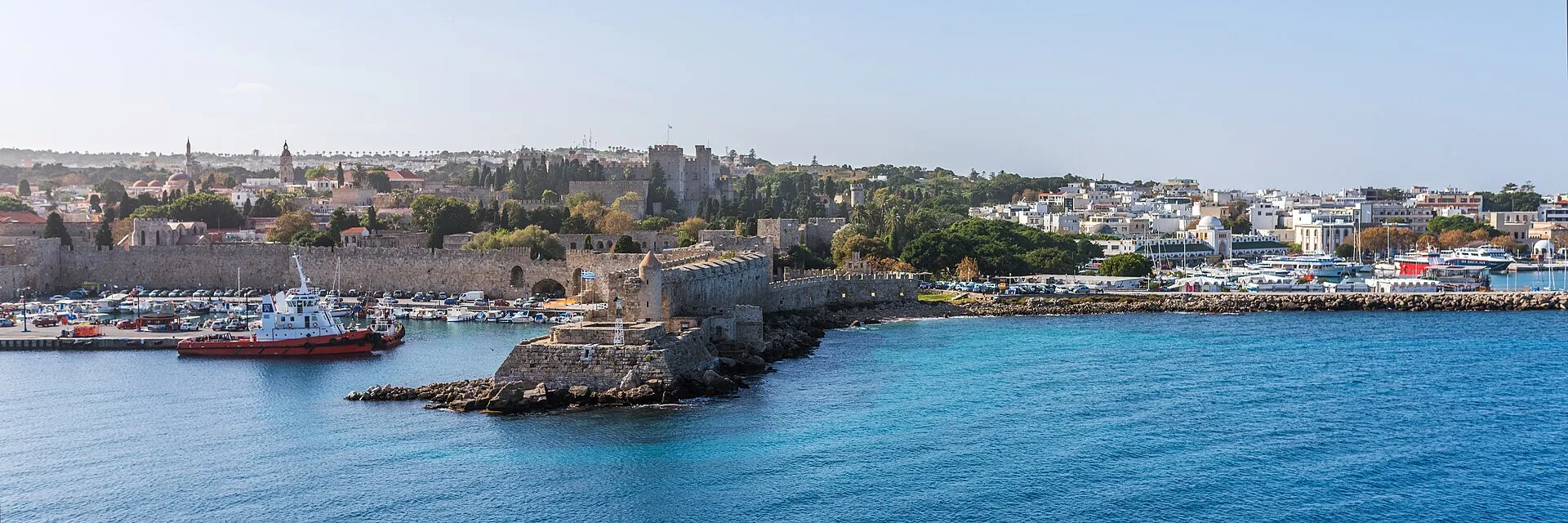
Rhodes is one of the more affordable Greek islands for longer stays, though prices spike sharply in summer when tourist demand pushes short-term rents and dining costs up considerably.
A one-bedroom apartment in Rhodes Town center runs roughly $405-575 per month on a longer-term lease. In quieter residential neighborhoods like Zefyros or farther south along the west coast, you can find the same for $290-405. Be aware that annual leases are scarce; most landlords prefer seasonal contracts from April to October.
- Rent (1BR, central): $405-575/month
- Rent (1BR, cheaper area): $290-405/month
- Groceries: $175-255/month cooking at home
- Eating out: A sit-down taverna meal runs $14-23; a gyros wrap is $3.50-6
- Coworking hot-desk: $18/day or around $290/month at Rhodes Project
- Local transport (buses): $1-9 per trip depending on distance; budget $46-69/month
- Coffee at a cafe: $3.50-6
Realistic monthly total: $1,150-1,730 for a frugal-to-comfortable solo lifestyle. Off-season (November to March), you can live closer to the lower end. In peak summer, groceries and transport costs stay flat but eating out and any short-term accommodation will cost more.
Where to Work
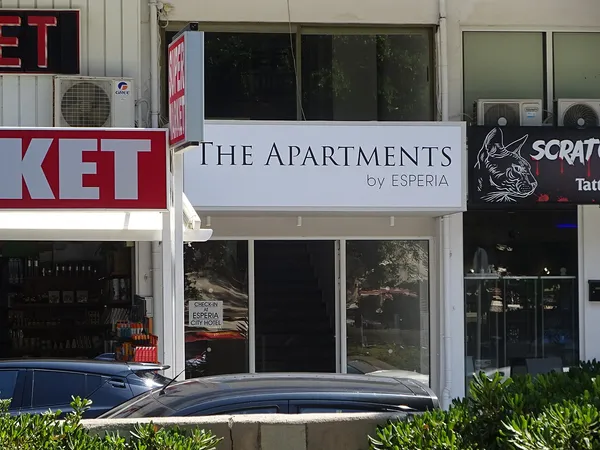
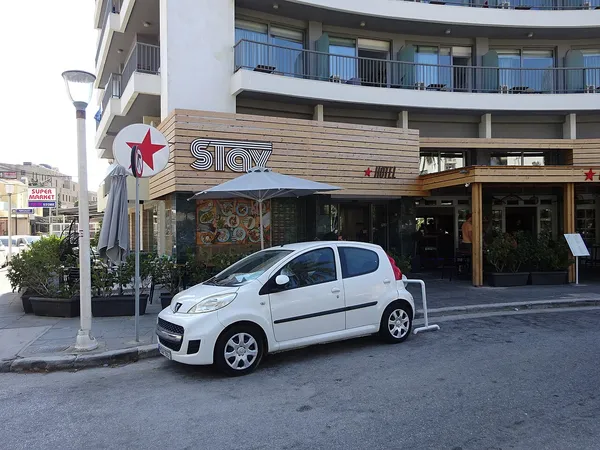
Dedicated coworking infrastructure on Rhodes is thin but functional. The two confirmed spaces are Rhodes Project SCE (Chimarras 27, near the city center) and STAY Hotel's coworking floor in New Town. Rhodes Project offers hot-desk day passes at $18 and monthly memberships at $290, with fiber, ergonomic chairs, a garden patio, and a kitchen. STAY Hotel's space is open-plan with plug sockets at every desk and a private room for calls, included if you stay at the hotel or available separately.
Cafe work is genuinely viable in Rhodes Town. Coffee culture is strong here, Greek cafes stay open for hours, and most places have free WiFi. Speeds in town are generally reliable on fixed connections, though they can be inconsistent in village cafes or at the southern end of the island. Mobile data (4G) covers the main coastal strip well and is a solid backup.
Outside of Rhodes Town, working from a kafeneio in a village square is possible but do not count on it for deadline-critical work. The island has no major co-living infrastructure as of 2025.
Getting Around
Rhodes Town itself is very walkable. The Medieval Old Town is pedestrian-only inside the walls, and most of New Town's amenities sit within a 20-minute walk. Outside the town, you need a plan.
Two public bus networks serve the island: RODA covers the west coast and KTEL covers the east coast. Both depart from the central station near Mandraki harbor. Fares are cheap ($1-9 depending on distance), but services outside of peak summer run infrequently, and the last bus often leaves before evening. For serious island mobility, renting a scooter ($17-35/day) or a small car ($40-69/day) is the practical choice.
Airport to city: The airport sits about 14 km southwest of Rhodes Town. Bus line 5 connects the terminal to Mandraki for $2.50 and takes roughly 40 minutes. Taxis cost $29-35 for the same journey. There is no train on the island.
Sorting transport? Book an airport transfer, or compare car rental on Auto Europe and QEEQ.
Visas and Staying Long-Term
Rhodes is part of Greece, which is in the Schengen Area. Citizens of the US, UK, Canada, Australia, and most other non-EU countries can enter visa-free and stay up to 90 days within any 180-day period across the entire Schengen zone, not just Greece.
Greece offers a dedicated Digital Nomad Visa for non-EU, non-EEA citizens who work remotely for employers or clients outside Greece. It covers stays of up to 12 months, after which holders can apply for a two-year Digital Nomad Residence Permit that is itself renewable. Requirements include a minimum net monthly income of $4,030, health insurance, a clean criminal record, and proof of remote employment. The application fee is approximately $260 total. EU and EEA citizens have the right to live in Greece indefinitely and can register for a residence certificate.
Extensions beyond the 90-day Schengen limit without the nomad visa are not available.
Best Time to Visit
Rhodes gets around 300 days of sunshine per year, which is the highest average in Greece, so most of the year is reasonable. That said, the experience varies significantly by season.
May and June are the sweet spot for remote workers: warm and sunny (22-27 degrees C), the island is lively but not yet overwhelmed, accommodation is easier to find, and prices are lower than peak summer. September and October are equally good, often better: the summer crowds have thinned, the sea is still warm from months of sun, and you can rent accommodation on more flexible terms.
July and August are relentlessly hot (33-35 degrees C) with the island packed with tourists, which strains transport, restaurants, and your focus. Winter (December to February) is mild at 15-17 degrees C with some rain, and most tourist infrastructure closes or scales back sharply. If you want a quiet, local feel and do not mind reduced amenities, winter works. Spring and autumn are the better all-round windows for productive remote work.
Pros and Cons
- Outstanding natural setting with beaches, medieval architecture, and clear water
- Affordable cost of living compared to most of Western Europe
- Strong English proficiency throughout Rhodes Town
- Good food scene with excellent fresh seafood and traditional Greek cuisine
- Digital nomad visa available for non-EU citizens wanting to stay past 90 days
- Safe, relaxed atmosphere with low crime
- Thin coworking infrastructure with only two confirmed dedicated spaces
- Heavily seasonal: many venues close in winter and transport becomes sparse
- Getting around without a vehicle is limiting outside of Rhodes Town
- Peak summer is crowded and hot, which makes productive work harder
- Small nomad community compared to hubs like Athens, Lisbon, or Bali
- Long-term rentals are hard to find as landlords favor short tourist lettings
Who Rhodes Is Best For
Rhodes suits remote workers who value lifestyle and environment as much as infrastructure. If you want a Mediterranean island base with genuine history, affordable food, good weather for most of the year, and a slower pace, Rhodes delivers. It works well for freelancers, writers, designers, or developers who are self-sufficient and do not need a buzzing nomad scene. The spring and autumn shoulder seasons are the ideal windows: you get warm weather, beach access, and a functional island without the summer chaos.
It is a harder sell if you rely on frequent coworking events or a built-in remote-work community, if you need to work reliably from outside Rhodes Town, or if you are planning a long winter stay and want a full social calendar. Athens is a better base for nomads who want city infrastructure, year-round options, and a larger international community.