Cost of Living in Burgas
Where this figure comes from. No cost survey covers Burgas, so the $800 a month above is our own estimate rather than a measurement. On 416 of our 999 city guides the figure is built from a published Numbeo basket, a one-bedroom rent in the centre plus one person's monthly costs without rent, converted to USD; this city is not one of them. How we source everything.
Budget roughly $800 a month as a solo remote worker in Burgas, which is cheap even by Bulgarian standards and very cheap for a city on a coast. A one-bedroom apartment near the centre or the Sea Garden runs about $300 to $420, and the residential districts of Slaveykov or Izgrev drop that to $220 to $300. Summer short-lets are far more lucrative for owners, so a year-round lease is best signed between October and April. Groceries land around $190 to $240. A lunch is $4 to $7, a restaurant dinner with wine $14 to $20, and Bulgarian wine is very good and very cheap. A monthly transit pass is about $18. Utilities add $70 to $150. Heating on this coast is mostly done with air conditioning units running in reverse rather than with a central system, so a winter bill tracks the electricity tariff directly and a well-sealed flat pays for itself quickly. Buildings collect a small monthly sum from every flat for the stairwell and the lift. Owners who let year-round are often willing to drop the price for a longer commitment, because the alternative is an empty flat for seven months and a scramble every summer.
Where to Work in Burgas
Burgas has a small coworking presence, some of it connected to the city's push to attract remote workers, at roughly $80 to $130 a month. Most people work from their apartment or from the cafes along Aleksandrovska and around the Sea Garden, which are comfortable with laptops. Bulgarian internet is one of the country's genuine strengths: fibre is widespread and among the cheapest in Europe, and mobile data is fast. That single fact makes Burgas viable in a way its size would not otherwise suggest. English is reasonably common among younger people and in the tourism trade, thinner elsewhere, and Cyrillic takes a week or two to become comfortable with. The refinery north of the city is the largest in this part of the continent and, with the port beside it, accounts for far more of the local economy than tourism does, which is why the place keeps working through the winter when the resorts shut. None of it hires foreigners. What it does is keep the shops, the clinics and the schools open all year, which is the practical difference between here and a resort town, and the reason a long stay is possible at all.
Getting Around Burgas
Burgas is flat and compact, and the centre, the Sea Garden and the beach form a walkable strip about two kilometres long. The city buses cover the rest cheaply, with a monthly pass around $18, and cycling is easy on the flat with a lane along the seafront. The railway station sits right at the end of the main pedestrian street and connects to Sofia in about six hours, which is slow; the bus does it in five and is the usual choice. Burgas Airport is 10km north and is one of Bulgaria's two main summer gateways, with a large number of European charter and scheduled routes between May and October and a much thinner winter schedule.
Sorting transport? Book an airport transfer, or compare car rental on Auto Europe and QEEQ.
Visas for Burgas
Bulgaria is in the European Union and completed Schengen accession for land borders in January 2025, so Schengen rules now apply: EU and EEA citizens may live and work freely, and most other Western passports get 90 days in any 180. Since the end of that year non-EU remote workers can apply for a digital nomad residence permit, renewable once after a year. The usual routes are a freelance or self-employed residence permit, which requires registered activity in Bulgaria, or company formation, which is common enough that local accountants advertise it in English. Bulgaria's 10 percent flat corporate and personal income tax is the reason a number of long-stayers register a business rather than simply visiting. Taking money out of a locally registered company costs another five percent on the dividends on top of the corporate rate, so the headline figure is not the whole picture and an accountant will show you the combined number. Citizens of the bloc staying beyond three months register for a certificate of residence and are then issued an identity document, which is what the banks want to see. A local address on a registered lease is the document every one of these steps depends on. British summer charters land at Burgas Airport, where the EU Entry/Exit System now fingerprints arrivals instead of stamping them.
Best Time to Visit Burgas
May, June and September are the best months in Burgas. The Black Sea is swimmable from roughly mid-June to late September, and July and August bring the full Bulgarian and regional holiday season to the coast, filling the beaches at nearby Sunny Beach and Sozopol and pushing prices up. September is the sweet spot: warm sea, thinning crowds, prices falling back. The city itself stays open year-round, unlike the resort strips north and south of it, which is the main argument for basing yourself here rather than in one of them. Winter is cold, grey and windy off the sea, around 5 degrees, and much of the coastal tourism infrastructure closes from November. One of the great migration corridors of the continent passes directly over this city, and for a few weeks in the autumn storks and raptors cross it in numbers that stop people in the street, which is the best-timed reason to be here that has nothing to do with the beach. The lakes fill with wintering birds afterwards. Spring brings a cold sea fog that can sit over the shore while the interior is bright, so a day trip inland is often the better call, and the difference of twenty kilometres can be ten degrees.
Pros and Cons of Burgas
Burgas gives you European Union residency, a Black Sea coast, a genuinely pleasant central park in the Sea Garden, some of the cheapest internet in Europe, and Bulgaria's 10 percent flat tax, at prices well below the Mediterranean. It is flat, walkable and has an airport with real summer connections. The salt lakes north of the city are a serious birding site, with pelicans and flamingos. The swimming season is a short one and the winter on the Black Sea is genuinely bleak. The city is functional rather than beautiful. There is little in the way of a foreign community and no nomad scene. English is patchy and Sofia is five hours away.
Who Burgas Is For
The cheapest way to put a coastline and a European Union address together, if cheap internet and the Bulgarian tax arrangements matter more to you than scenery. Registering a Bulgarian company is the administrative reason people come. Birders come for the lakes, and everybody else comes for a Black Sea summer without the resort strips attached to it. It works as a May-to-October base more comfortably than as a year. Anybody arriving in expectation of Mediterranean warmth has come to the wrong sea, and the winters make the point without argument. Nor is there a settled foreign population, and the town reads as pleasant and modern rather than as beautiful and old. Plovdiv and Sofia both offer more of a city, and Varna is the larger coastal alternative.
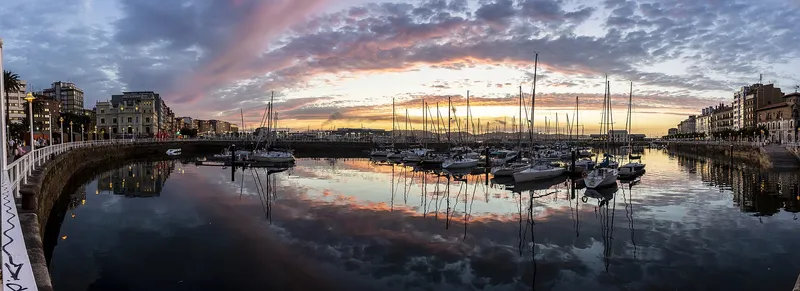
 Photo: Mister No / Wikimedia Commons (CC BY 3.0)