Cost of Living in Varna
Real market data
Source: Numbeo · August 2026
$1,250/moSolo nomad1-bed centre + living costs
$1,750/moCoupleshared 1-bed + costs
$1,100/moLean / localcheaper area + costs
- 1-bed rent, city centre$620€541
- 1-bed rent, outside centre$470€410
- Monthly costs excl. rent (1 person)$630€544
- Meal, inexpensive restaurant$13€11
- Monthly transit pass$29€26
- Buy price, per m² (centre)$3,340€2,900
Prices are from Numbeo (August 2026), converted to USD at $1 = €0.87 (01 Aug 2026). The monthly living-costs figure is our transparent one-person basket, groceries, a few meals out, utilities, phone, internet, transport and essentials, priced from those figures. Solo adds central rent; couple and lean are estimates from the same numbers. The guide below quotes its own monthly range, which is a different measurement rather than a competing one: this table prices a defined basket at the figures above, while that range is a judgement about how somebody actually lives here.
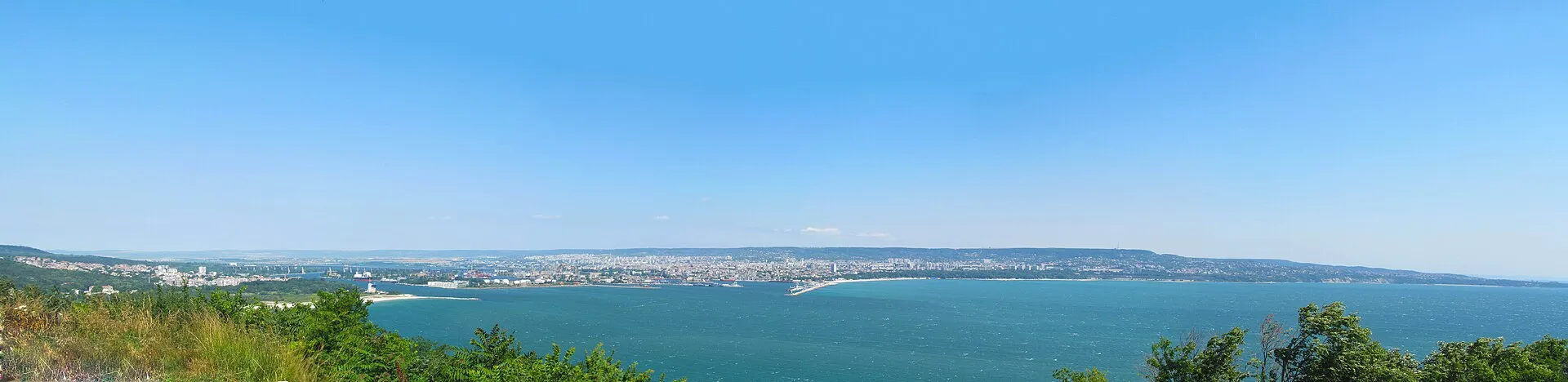
Varna is one of the more affordable coastal cities in the EU, though costs have risen modestly in recent years. All figures below are monthly estimates in US dollars, converted from local prices; Bulgaria switched from the lev to the euro on 1 January 2026.
- Rent, 1-bedroom city center: $500-530
- Rent, 1-bedroom outside center (Mladost, Vazrazhdane): $330-395
- Groceries: $235-295 for one person cooking at home
- Eating out: A meal at an inexpensive local place runs $9-12; a sit-down dinner with drinks around $24-35
- Coworking hot desk: $77-165 depending on the space
- Local transport (bus): around $29-53 monthly
- Utilities: $105-130 in a typical apartment
Total monthly range: A lean budget sits around $825-940. A comfortable mid-range lifestyle with a central apartment and regular dining out lands at $1,290-1,530. You are unlikely to need more than $1,250/month unless you eat out every meal and take short trips.
Where to Work
Varna has a small but functional coworking scene. The best-established options are Wollow (General Kolev 54, floor 5), which offers fiber internet, standing desks, sea views, and a hot desk from around $14/day or $180/month. Switch Coworking (Otets Paisyi 42) is a well-regarded multi-floor hub in the center with day passes from around $8 and monthly memberships around $108. Innovator (ul. Sofia 1, Talyana neighborhood) blends coworking with a makerspace, hosts regular events, and has a ground-floor cafe; it skews more creative and tech-oriented.
Cafe work is viable in Varna. Jasmin Specialty Coffee Roastery in the Greek Neighborhood has reliable WiFi and a calm atmosphere that regulars use for laptop sessions. Samba Coffee on ul. Preslav is popular and highly rated. 43.12 Cafe on ul. Preslav 15 has ample indoor seating and an app-based ordering system that keeps interruptions low.
On WiFi in general: fixed-line broadband in apartments is fast (fiber is common), but mobile data and cafe networks vary. A few cafes in the old town lack strong signals. Download your key files before heading out.
Getting Around
The city center, Sea Garden, and port area are all walkable and compact. Most daily errands, cafes, coworking spots, and restaurants are within a 15-20 minute walk from a central apartment. Varna lacks ride-hailing apps like Uber; local taxi companies (Maxim Taxi is the most reliable) are affordable and metered, with a typical short ride costing $3-6.
The city bus network is cheap (a single ticket is around $1 purchased on board) and covers most neighborhoods. Bus schedules are not well integrated into Google Maps, so expect some trial and error when planning routes. Trolleys also run through the center.
From the airport: Varna International Airport is roughly 10 km northwest of the city center. Bus 409 runs to the center in about 20 minutes for $1. A taxi takes 10 minutes in light traffic and costs around $9-11. There is no train connection between the airport and city.
Sorting transport? Book an airport transfer, or compare car rental on Auto Europe and QEEQ.
Visas and Staying Long-Term
Bulgaria joined the Schengen Area in 2024. Citizens of the US, UK, Canada, Australia, and most EU countries can enter visa-free. For non-EU travelers, the standard Schengen allowance applies: 90 days within any 180-day period across the Schengen zone.
Bulgaria introduced a Digital Nomad Residence Permit in December 2025. It is valid for one year and renewable once (up to two years total). To qualify, you must be a non-EU citizen, earn your income from clients or employers outside the EU/EEA/Switzerland, and demonstrate average annual income of at least $35,690 for the prior calendar year. You must also show proof of accommodation, health insurance valid in Bulgaria, and a clean criminal record. Applications opened in late December 2025 and processing can take over three months.
EU citizens can live and work in Bulgaria indefinitely.
Best Time to Visit
For remote work combined with quality of life, late spring and early autumn are the sweet spots. May and June bring warm temperatures (18-24°C / 64-75°F), fewer tourists than peak summer, lower accommodation prices, and long daylight hours. September and early October are similarly pleasant and even less crowded after the summer rush clears.
July and August are hot (28-32°C / 82-90°F), busy, and noticeably more expensive. The city fills with domestic and Eastern European tourists; beach areas get crowded and some coworking spaces fill up. If you enjoy that energy and can work early-morning hours, summer works fine, but it is not the calm, productive baseline the rest of the year offers.
Winter (December-February) is cold and grey, with temperatures hovering around 5-10°C (41-50°F). Most beach-facing businesses close or reduce hours. The city is quiet and very cheap, but the nomad community thins out significantly and coworking options contract. Unless you specifically want a focused, low-distraction winter base, plan to arrive after March.
Pros and Cons
- Low cost of living by EU standards, especially rent and food
- Black Sea beach access within walking distance from the center
- Excellent fiber broadband in apartments; good coworking options
- Compact, walkable center with a pleasant old town and Sea Garden
- Growing expat and nomad community with organized meetups
- EU member state with Schengen travel freedom
- Seasonal: much quieter and less welcoming outside May-September
- No ride-hailing apps; bus schedules hard to plan without local knowledge
- English is less common outside tourist-facing businesses; Cyrillic script adds friction
- Digital nomad visa has a high income threshold ($35,690/year) and slow processing
- Limited international flight connections outside summer season
- Nightlife and cultural scene are modest compared to Sofia or larger European cities
Who Varna Is Best For
Varna works well for nomads who want a genuinely affordable EU base with beach access and do not need the social density of a capital city. If you value a slower pace, low monthly burn, walkable neighborhoods, and a summer of outdoor living alongside your laptop, Varna delivers that reliably. It particularly suits people on a 3-6 month stay from April through October, when the city is at its best.
It is less suited to nomads who need a large year-round community, frequent international flight connections, a vibrant nightlife or arts scene, or who plan to be there through the winter. If you rely on spontaneous networking or regular in-person events with other remote workers, Sofia has more of that infrastructure. Varna rewards people who already have their work rhythm sorted and are looking for a cheap, pleasant place to maintain it near the sea.