Cost of Living in Cuenca
Real market data
Source: Numbeo · August 2026
$790/moSolo nomad1-bed centre + living costs
$1,030/moCoupleshared 1-bed + costs
$670/moLean / localcheaper area + costs
- 1-bed rent, city centre$480
- 1-bed rent, outside centre$370
- Monthly costs excl. rent (1 person)$310
- Meal, inexpensive restaurant$4
- Monthly transit pass$23
- Buy price, per m² (centre)$1,230
Prices are from Numbeo (August 2026), already in US dollars. The monthly living-costs figure is our transparent one-person basket, groceries, a few meals out, utilities, phone, internet, transport and essentials, priced from those figures. Solo adds central rent; couple and lean are estimates from the same numbers.
Cuenca runs on US dollars, which Ecuador adopted in 2000, so there is no currency conversion to worry about. A single person can live comfortably for $1,000 to $1,500 per month, with a more relaxed budget sitting around $1,800-2,200 if you eat out often and take taxis.
- Rent (El Centro, furnished 1-bed): $350-700/month depending on quality and floor
- Rent (Yanuncay or outer areas, furnished 1-bed): $200-400/month
- Groceries (supermarket): $150-250/month cooking most meals
- Eating out (set lunch, almuerzo): $3-5 per meal at local spots
- Eating out (mid-range restaurant): $10-18 per person
- Coworking hot desk: $80-200/month; day passes around $8-15
- Local bus: Under $0.50 per ride; taxis from $2-5 within the city
- Home internet (fiber): $25-40/month
A realistic all-in monthly total for a working nomad: $1,100 at the low end, $1,800 on the comfortable end. Cuenca is noticeably cheaper than Quito for rent and food.
Where to Work
Cuenca has a small but functional coworking scene. Impaqto (Av. 12 de Abril, next to the river) is the most established option, part of Ecuador's first B-Corp coworking chain, with a startup-oriented community. Plans run $127-197/month. La Ofi (Simón Bolívar and Estévez de Toral) is the upscale choice, with fast fiber, private offices, a photography studio, and rates from $80 for 40 hours to $200 for unlimited. Zona 256 in the modern El Vergel district offers 24-hour access at $190/month, which suits people with irregular schedules.
Cafe work is genuinely viable in Cuenca. Cafe de Ñucallacta (Hermano Miguel) and Moliendo Cafe both welcome lingerers with reliable wifi and good coffee. Expect slower connections in some of the older buildings downtown.
The honest WiFi picture: fiber is available across the city and home connections are fast on a good plan. Public and coworking wifi is more variable, sometimes slowing sharply at busy times. For video calls, a coworking membership or a dedicated home connection is worth the investment.
Getting Around
El Centro Histórico is highly walkable. If you stay downtown, you can reach most restaurants, cafes, markets, and the main square on foot in under 20 minutes. Sidewalks are uneven in places, but the core area is compact and manageable.
City buses cover the whole urban area and cost under $0.50 per ride. You load fares onto a Movilizate card (requires a one-time online registration with your ID). Taxis are metered and affordable: most cross-city rides run $2-4 during the day. App taxis via InDriver are available and often cheaper than flagging a cab on the street.
Mariscal Lamar International Airport (CUE) sits about 3 km northeast of El Centro. A taxi to the center takes 10-15 minutes and costs around $4-7. There is no direct public bus link that suits most arrivals, so a taxi or pre-arranged shuttle is the standard option. Domestic flights connect to Quito and Guayaquil. International travelers typically route through Guayaquil (GYE) or Quito (UIO), then take a short domestic leg or a 3.5-hour bus ride to Cuenca.
Sorting transport? Book an airport transfer, or compare car rental on Auto Europe and QEEQ.
Visas and Staying Long-Term
Citizens of the US, Canada, the EU, the UK, and most of the Americas can enter Ecuador visa-free for up to 90 days per 180-day period. Extensions for an additional 90 days (for a total of 180 days) can be applied for through the immigration authority (Ministerio de Relaciones Exteriores) before your initial stamp expires.
Ecuador introduced a formal Digital Nomad Visa (a type of Rentista temporary residency) that grants a 2-year renewable stay. Requirements as of 2025-2026 include: proof of monthly income of at least $1,446/month (3x the unified basic salary of $482), valid health insurance, a clean criminal record certificate (issued within 180 days), and a valid passport. The application is processed online or through an Ecuadorian consulate and can take 2-4 months. The fee is modest.
Best Time to Visit
Cuenca sits at about 2,550 meters (8,360 feet) in the Andes and has a mild, temperate climate year-round, often called "eternal spring." Daytime highs hover around 19-22°C (66-72°F) most months, with cool nights dropping to 8-12°C (46-54°F). Bring layers; most homes have no central heating.
The dry season runs roughly June through December, with August being the sunniest and driest month. June through September is the most reliable window for clear skies and outdoor exploration. October brings some rain, and the wettest months are March and April.
For remote work, the season matters less than you might think: internet and coworking spaces run year-round regardless of rain. The dry months are simply more pleasant for walking the city and taking day trips. If you want the most consistent sunshine combined with good coworking access, July and August are the sweet spot.
Pros and Cons
- Affordable: One of the cheapest mid-size cities in Latin America for a comparable quality of life
- Safety: Considered one of Ecuador's safer cities, with a significant expat community and relatively low violent crime
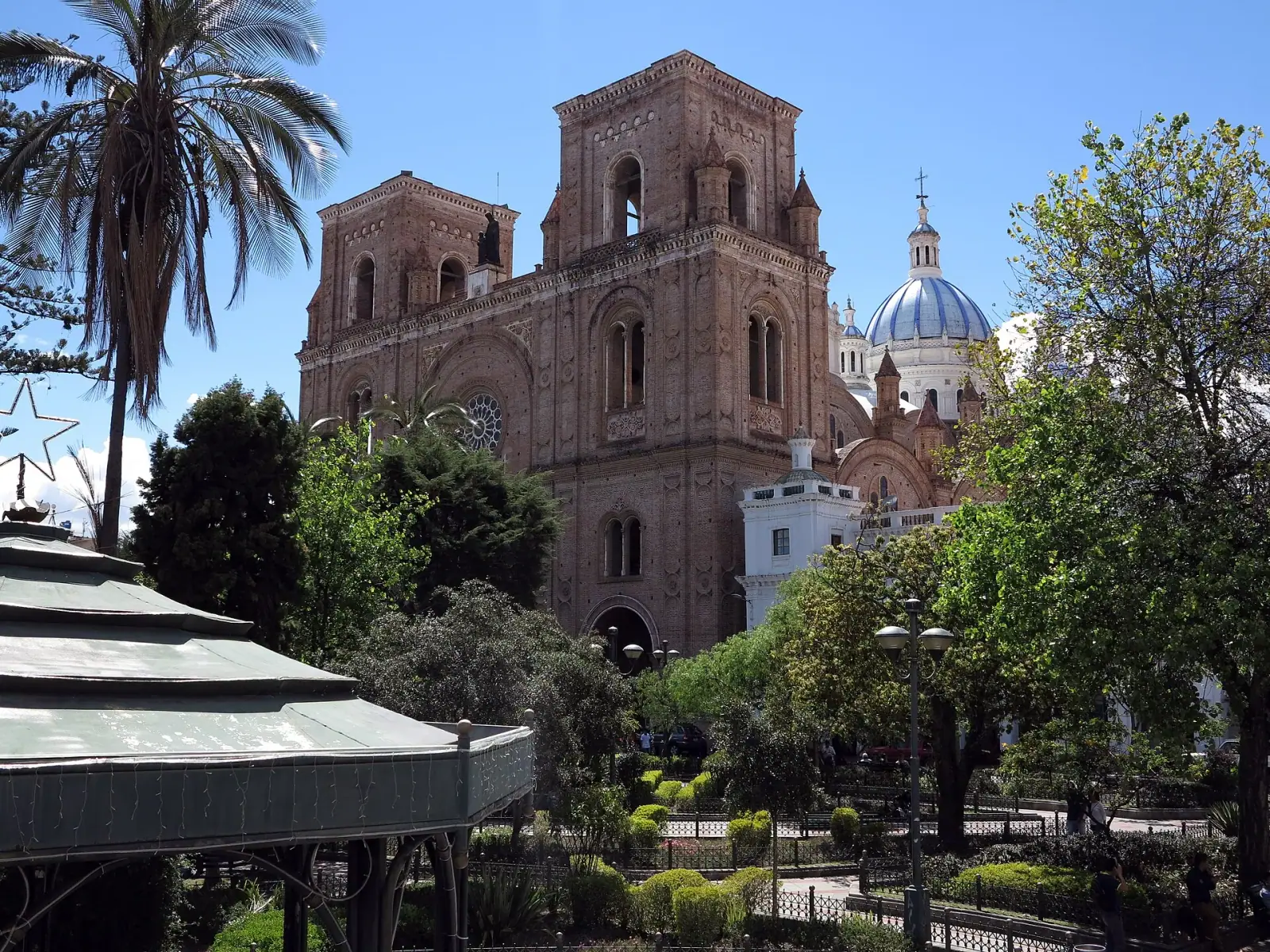
- Colonial beauty: UNESCO World Heritage historic center with genuine character and walkable streets
- English is workable: Large English-speaking expat community; many services and restaurants cater to foreign residents
- Stable dollar economy: No currency risk; prices are predictable
- Good food scene: Strong cafe culture, fresh markets, and a growing restaurant scene
- Small nomad community: The digital nomad crowd is thin compared to Medellin or Mexico City
- Altitude adjustment: At 2,550m, expect fatigue and shortness of breath for the first few days
- Nightlife is limited: Cuenca is quiet at night; it's not a city for people who want a social bar scene
- WiFi inconsistency: Public and older-building connections can be unreliable; confirm before committing to accommodation
- Getting there takes effort: No major international hub; most routes require a connection through Quito or Guayaquil
- Cold evenings: Accommodation rarely has heating, which can be a problem in the rainiest months
Who Cuenca Is Best For
Cuenca works best for nomads who prioritize low cost, safety, and a slower pace over nightlife and a large peer community. If you want to focus on deep work, keep expenses under $1,500/month, and enjoy a genuinely beautiful city with excellent food and coffee, Cuenca delivers. It is a particularly strong fit for writers, researchers, and independent freelancers who do not need a buzzing co-working social scene.
It also suits people exploring residency options in Latin America: the combination of visa-free access, a formal digital nomad visa pathway, and a large established expat infrastructure make it one of the more practical long-term bases in South America.
Skip Cuenca if you need fast, consistent public WiFi everywhere, want an active nightlife or large nomad meetup scene, struggle with altitude, or need direct international flight connections. People who thrive in Medellin's permanent-party energy often find Cuenca too sleepy. It rewards patience and self-sufficiency more than it rewards those who want a ready-made nomad social life handed to them.