Cost of Living in Maseru
Where this figure comes from. No cost survey covers Maseru, so the $800 a month above is our own estimate rather than a measurement. On 416 of our 999 city guides the figure is built from a published Numbeo basket, a one-bedroom rent in the centre plus one person's monthly costs without rent, converted to USD; this city is not one of them. How we source everything.
Budget around $800 a month as a solo remote worker in Maseru, which is low and reflects a small economy closely tied to South Africa's. A one-bedroom place runs roughly $250 to $450. Food is cheap and much of it comes across the border from South Africa, which is where a great many residents shop deliberately, since Bloemfontein is around two hours away. The loti is pegged one to one with the South African rand and rand circulate freely alongside it. This is our own estimate rather than a reconciliation against measured data. Lesotho sits inside the Southern African Customs Union, which is why prices track South Africa's so closely and why so little is made locally; it is also the source of a large share of government revenue. Practically it means South African banking, retail and mobile networks all work here with minimal friction, and a card issued in Johannesburg behaves normally. Rents are usually monthly with a deposit and negotiated directly with the owner. Electricity and water are cheap by regional standards, since both are produced domestically.
Where to Work in Maseru
Maseru's connectivity is modest: fibre has reached parts of the city and mobile data from Vodacom Lesotho and Econet is the common fallback, with prices high relative to income. Power comes largely from the Muela hydropower station and is more reliable than in several neighbouring countries, though cuts happen. There is very little coworking. English is an official language alongside Sesotho and is the medium of education, government and business, which removes the language barrier entirely and is Lesotho's clearest practical advantage. Anyone working with Europe will find the offset small, at one or two hours ahead of London depending on the season, which is a workable overlap. The professional economy is narrow and worth knowing before arriving: garment manufacturing for export, the water project that sells the country's rivers to South Africa, government, and a substantial development sector. Almost every foreign professional here is attached to one of those. In practice people work from home or from hotel lobbies, and a South African SIM roaming across the border is a common backup, since the networks are the same operators and coverage across the lowlands is continuous.
Getting Around Maseru
Maseru sits on the border, with the Maseru Bridge crossing into South Africa at the edge of the city centre, and the town itself is compact enough to walk in parts. Minibus taxis cover the city and the country cheaply. Beyond the lowland strip Lesotho is mountainous and the roads are serious: the Sani Pass, one of the highest road passes in Africa, requires a four-wheel drive and is one of the great drives on the continent. Moshoeshoe I airport has limited connections, and most people fly into Johannesburg. The Lesotho Highlands Water Project dams in the interior are worth the drive in their own right, and the road to Katse is tarred the whole way. The border posts have opening hours rather than running continuously, and the main bridge closes overnight, which is the detail that strands people arriving late from Bloemfontein. Maputsoe further north is the alternative and keeps longer hours. Up in the highlands the honest answer is often that there is no road at all: villages are reached on horseback or on foot, and the Basotho pony remains working transport rather than a tourist attraction.
Sorting transport? Book an airport transfer, or compare car rental on Auto Europe and QEEQ.
Visas for Maseru
Lesotho grants visa-free entry to citizens of most Commonwealth countries, the European Union and the United States for up to fourteen or ninety days depending on nationality, with an e-visa available for everyone else. The rules vary by passport more than in most countries, so check yours. There is no remote work visa. Extensions are applied for locally. Because Lesotho is entirely surrounded by South Africa, anyone arriving overland needs South African entry first, and the two sets of rules both apply to any land journey. Anyone crossing at Maseru Bridge should allow time at month end and on holidays, when the queues of people working in South Africa are longest. A trip into Lesotho and back consumes a South African entry each way, so anyone on a ninety-day South African allowance should check whether their visa is single or multiple entry before crossing. Travellers arriving by air avoid the issue entirely, which is occasionally the cheaper answer despite the fare. Keep the Lesotho entry slip, since an extension is calculated from it.
Best Time to Visit Maseru
March to May and September to November are the best months, with mild dry weather and the mountain passes open. Lesotho is the only country in the world entirely above a thousand metres and the altitude governs everything: summers from December to February are warm in the lowlands and stormy in the mountains, and winters from June to August bring real snow to the highlands, with skiing at Afriski, one of only a handful of ski resorts in Africa. Maseru itself sits at 1,600 metres and gets frost. Afriski above Butha-Buthe runs from roughly June to August and is one of only two ski areas in southern Africa, which surprises most visitors. Lesotho has among the highest lightning strike densities in the world, and the afternoon storms in the highlands are genuinely dangerous for anyone exposed on a ridge, so walks are started early and finished early. Flash flooding closes mountain roads without warning in the same season. The Morija Arts and Cultural Festival, usually falling in the spring window, is the country's main cultural gathering and worth timing a visit around.
Pros and Cons of Maseru
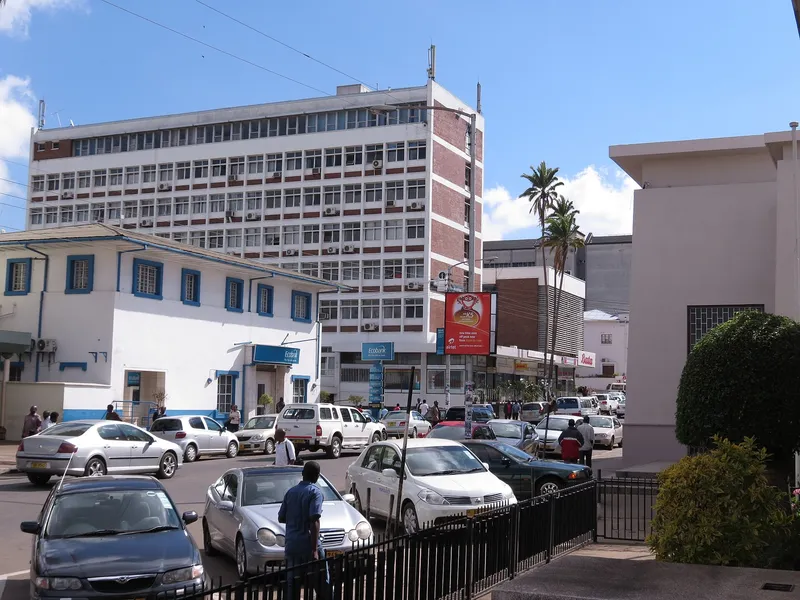
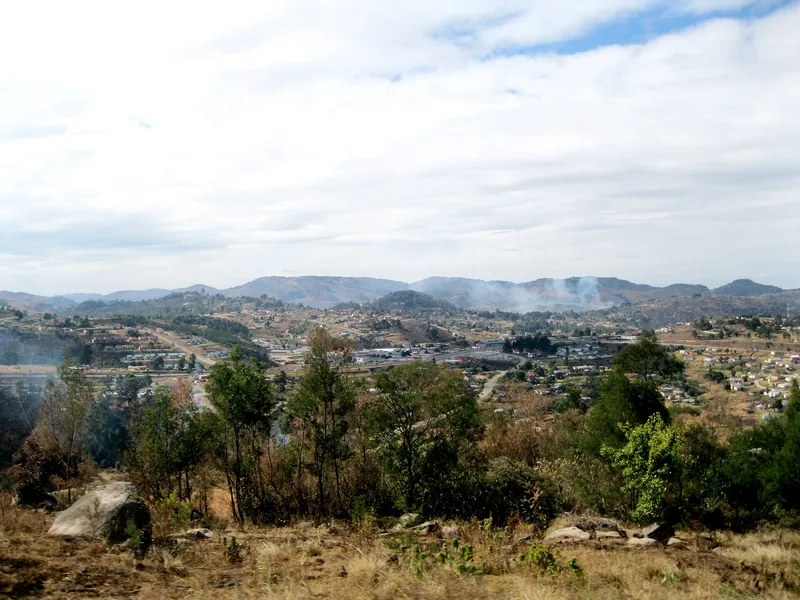
Lesotho is the Mountain Kingdom and the name is literal: the entire country sits above a thousand metres, the Maloti range runs through it, Sehlabathebe National Park is a UNESCO World Heritage site, and Maletsunyane Falls drops two hundred metres in a single sheet. English works everywhere and costs are very low. Maseru itself is a functional border town and not in any sense an attractive city, the connection is poor, the country has one of the highest HIV rates in the world, and everything beyond the lowlands requires a serious vehicle. The health statistic deserves context rather than a bare number. Lesotho's HIV prevalence is among the world's highest, and it is also one of the countries where treatment coverage has expanded most, with antiretroviral access now reaching the large majority of those diagnosed. It is a fact about the country's history and its health system rather than a risk to a visitor taking ordinary precautions. Altitude is the more practical concern on arrival, since even the lowlands sit around 1,500 metres and the passes climb far higher.
Who Maseru Is For
An English-speaking base for the Maloti mountains at very low cost, particularly for a walker, a rider or anyone drawn to Basotho pony trekking, which is the traditional way to travel here. It works as a gateway rather than a destination. This is a border town rather than a city, connectivity is unreliable, and without a vehicle equal to the mountain roads the whole of Lesotho stays out of reach, which is the only reason to come. Dinosaur trackways are an unexpected draw. Lesotho's sandstone holds some of the best-preserved footprints found anywhere, and several of the sites are open to anybody who makes the drive. Anyone drawn by the Maloti and the Drakensberg should know they are the same range seen from two sides, and the South African approach through Underberg is better organised for visitors while the Lesotho side is emptier and cheaper. It suits a skier, improbably: Afriski in the Maloti runs a short winter season on the only lift-served snow in southern Africa, and Lesotho is the only country on earth lying entirely above a thousand metres, which is the same fact that explains the cold, the ponies and the emptiness.
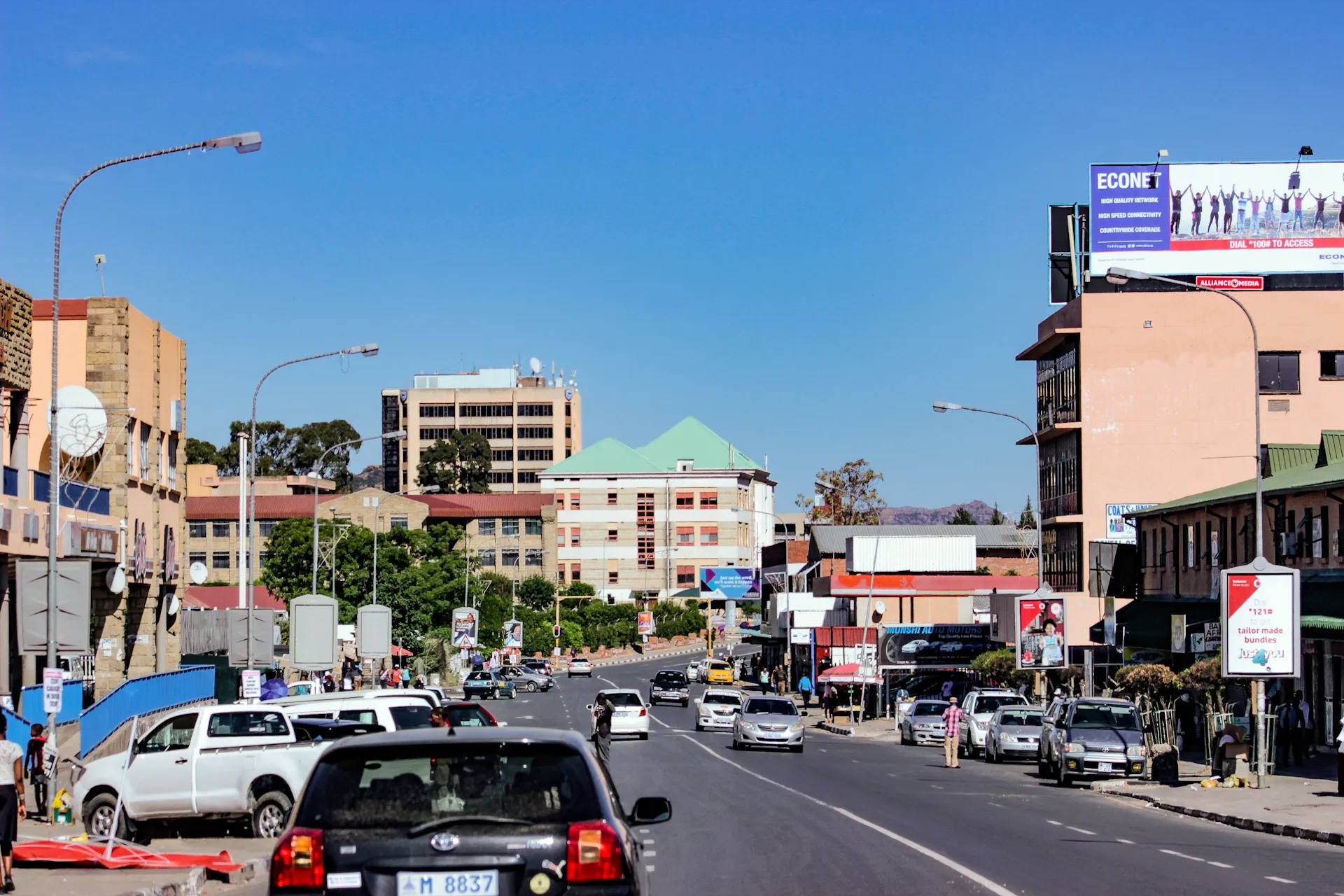 Photo: Lschefa / Wikimedia Commons (CC BY-SA 4.0)