Cost of Living in Mombasa
Where this figure comes from. No cost survey covers Mombasa, so the $800 a month above is our own estimate rather than a measurement. On 416 of our 999 city guides the figure is built from a published Numbeo basket, a one-bedroom rent in the centre plus one person's monthly costs without rent, converted to USD; this city is not one of them. How we source everything.
Around $800 a month is a realistic figure for a single nomad in Mombasa who rents monthly rather than nightly. A furnished one-bedroom in Nyali, Bamburi or on the Diani strip south of the ferry costs $300 to $550 a month on a longer lease, with beachfront apartments and serviced units running $600 to $900. Food is the strong point: $150 to $250 covers groceries plus regular eating out, with a plate of pilau or biryani at a local place under $3 and a beachfront dinner around $12 to $20. A Safaricom SIM with a large monthly data bundle costs $10 to $20, and Safaricom coverage is the single best utility in the country. Coworking desks run $70 to $130. Electricity and water land at $30 to $70, higher with constant air conditioning. Transport is $40 to $80. Overall value is strong, especially for the coastline and food on offer.
Where to Work in Mombasa
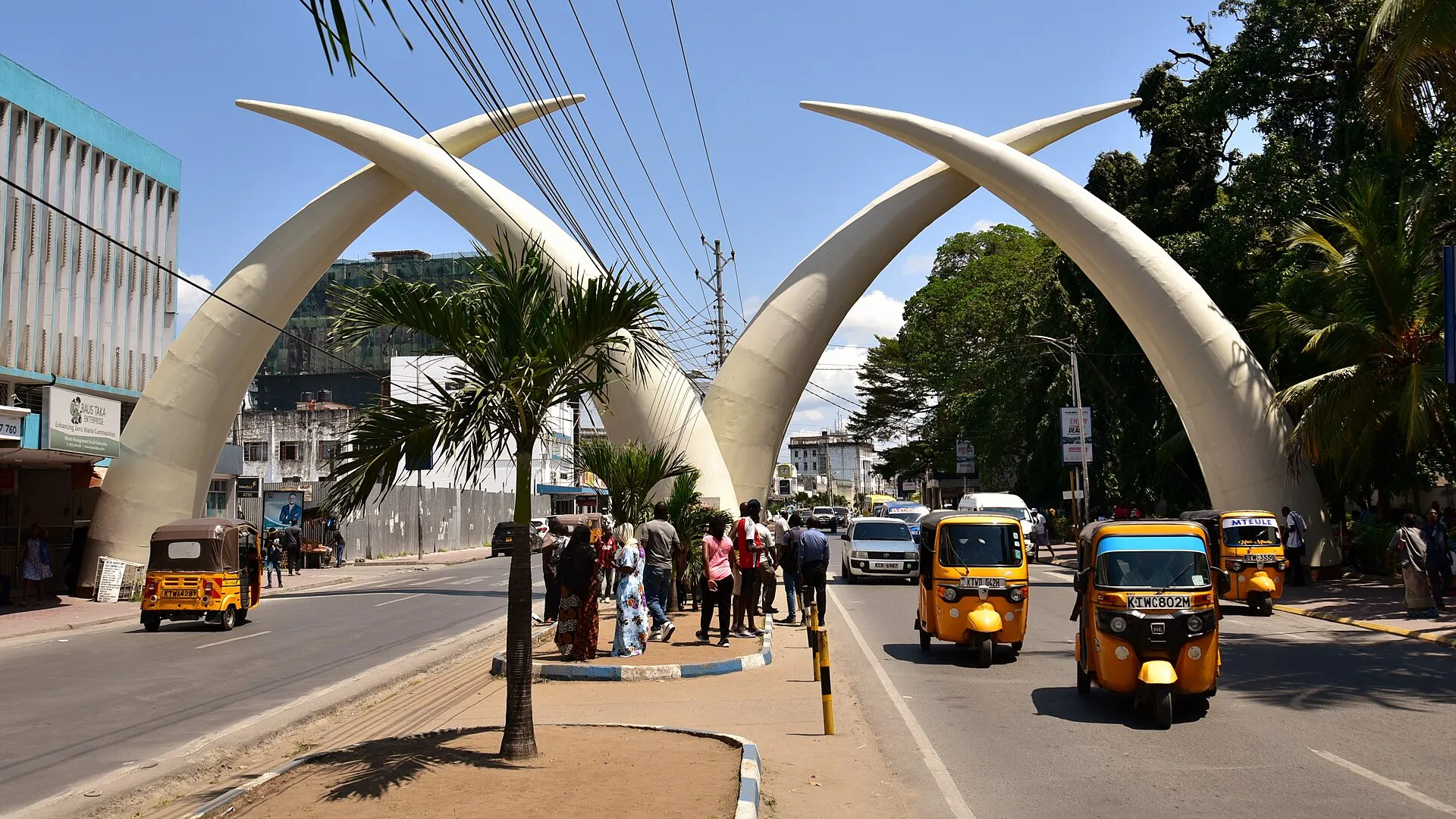
Nyali is the practical base: a leafy suburb north of Mombasa Island with malls, supermarkets, apartment blocks and the majority of what passes for a coworking supply. Bamburi and Shanzu extend the same idea further north with more beach. Diani Beach, south across the Likoni ferry, is the more appealing lifestyle choice and has quietly become the coast's remote-work centre, with beachfront cafes, villa rentals and Kenya's small but visible coastal nomad crowd. Swahilipot Hub near the Old Town serves the local creative and tech community and is worth visiting. Old Town and Mombasa Island itself are atmospheric but hot, congested and not where anyone rents a desk. Fibre from Safaricom or Zuku in Nyali and Diani is reliable, and Safaricom 4G is a strong backup almost everywhere. Power cuts happen regularly; check that any rental or cafe has an inverter or generator before committing. The port here is the sea gate for half a dozen landlocked countries inland, and the freight moving up the corridor towards Uganda and beyond is what the city actually does for a living. Tourism is the visible half and the smaller one, which is why the town keeps working when the beaches empty out.
Getting Around Mombasa
Bolt and Uber both operate in Mombasa and are the default for anyone working remotely, with typical rides costing $2 to $5 and a longer run from Nyali to the airport around $8 to $12. Little is a useful local alternative. Tuk-tuks are everywhere and cost $1 to $3 for short hops once a price is agreed, and boda-boda motorcycle taxis are cheapest but carry meaningful accident risk. Matatu minibuses serve fixed routes for well under $1. Moi International Airport sits on the western side of the island, roughly 30 to 45 minutes from Nyali in traffic. The SGR train to Nairobi leaves from Miritini and takes about six hours, a genuinely good alternative to flying. The Likoni ferry to the south coast and Diani is free for foot passengers, chaotic at rush hour, and the main friction of living south. Walkability is poor outside Old Town and beach strips; no car is needed.
Sorting transport? Book an airport transfer, or compare car rental on Auto Europe and QEEQ.
Visas for Mombasa
Kenya abolished its traditional visa in January 2024 and now requires every visitor, including citizens of visa-exempt-sounding countries, to obtain an Electronic Travel Authorisation before arrival. The ETA is applied for online, costs roughly $30 to $35 plus processing, and is normally approved within a few days, so apply at least a week out. It grants a single entry with a stay of up to 90 days, and the immigration officer at the airport sets the actual period stamped, which can be shorter than requested. Extensions of a further 90 days are possible through the immigration eCitizen portal or the immigration office in Mombasa, giving a practical six-month ceiling. Kenya has had a Class N digital nomad permit since October 2024, for remote workers employed or contracted outside Kenya with an assured income of $55,000 a year from abroad; it costs $1,000 a year plus a $200 processing fee and is applied for online through the immigration eFNS portal. The East Africa Tourist Visa covering Kenya, Uganda and Rwanda still exists and remains useful for a regional loop. Yellow fever proof is required when arriving from an endemic country.
Best Time to Visit Mombasa
Mombasa is hot and humid all year, typically 26 to 33 Celsius, with the seasons defined by monsoon winds rather than temperature. The best stretch is December to March, when the northeast kaskazi wind brings clear skies, calm warm sea and the best diving and snorkelling visibility; this is also the peak tourist window with the highest prices, especially around Christmas and New Year. The long rains arrive in April and May and are the worst period by a wide margin: heavy downpours, high humidity, rough seas, and many coastal hotels and restaurants closing outright. June through September is cooler and breezier under the southeast kusi monsoon, drier than April, with more seaweed on the beaches but comfortable working weather and lower prices. Short rains fall in November. Ramadan matters on this coast, since Mombasa is heavily Muslim: daytime eating options thin out noticeably, and Eid brings several very lively days. The domestic holiday weeks fill the beach hotels with Kenyan families and set the rates more than any foreign season does, and they do not line up neatly with the best weather, so the busiest fortnight of the year is not always the most pleasant one to be here. Booking around them saves a good deal.
Pros and Cons of Mombasa
The strengths are obvious: Indian Ocean beaches, Swahili food that ranks among the best on the continent, Old Town's coral-stone architecture and centuries of trading history, Safaricom's excellent mobile network, M-Pesa making payments frictionless in a way most countries cannot match, and a low cost of living against a genuinely attractive lifestyle. Diani in particular has a small, real remote-work community. The drawbacks are equally clear: humidity is relentless and saps concentration, power cuts interrupt work weeks, and fixed-line internet quality varies sharply by building. Petty theft, phone snatching and scams targeting foreigners are common, walking alone on beaches after dark is inadvisable, and terrorism advisories still apply near the Somali border further north. The Likoni ferry is a daily bottleneck, traffic on the island is severe, malaria is present year round, and the professional nomad scene remains small enough that networking is largely accidental.
Who Mombasa Is For
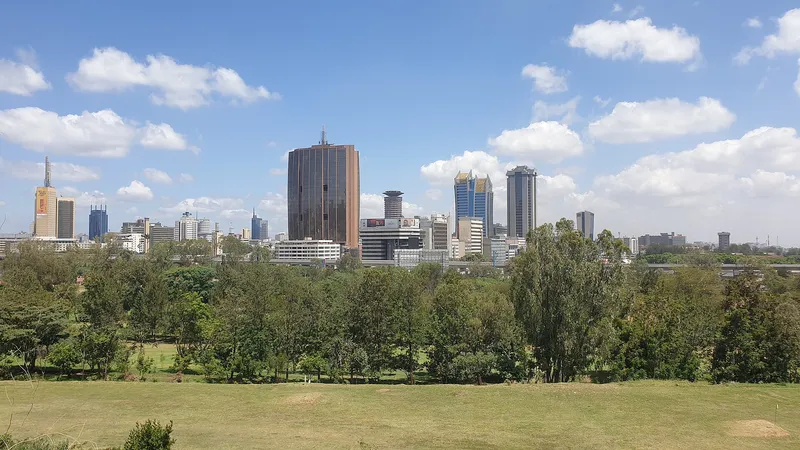
Mombasa and its coastline suit the nomad who wants ocean living on a modest budget and can work asynchronously without needing a dense professional community. It fits divers, surfers and kitesurfers, food-obsessed travellers, anyone combining remote work with safari and East African travel, and Europe-facing workers who benefit from the convenient UTC+3 timezone. Diani specifically works for those who want a small, sociable, low-key expat and nomad crowd rather than a city. Humidity here defeats people who do not do well in it, guaranteed power and fibre for live calls are not something the city can promise, and urban culture, nightlife variety and a peer network of any size are all thin on the ground. Nairobi is the better Kenyan choice for anyone whose priority is business connections, startup ecosystem access or a cooler climate. Solo travellers uneasy about petty crime and constant price negotiation should also think twice.