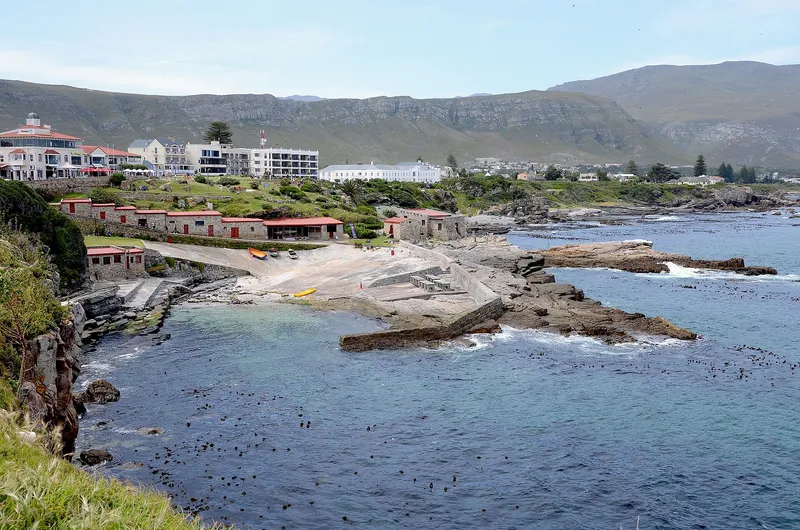
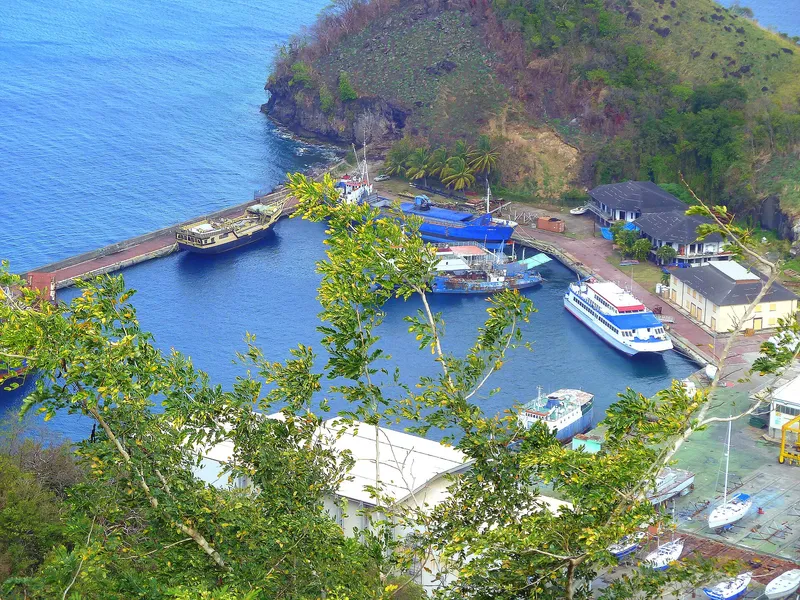
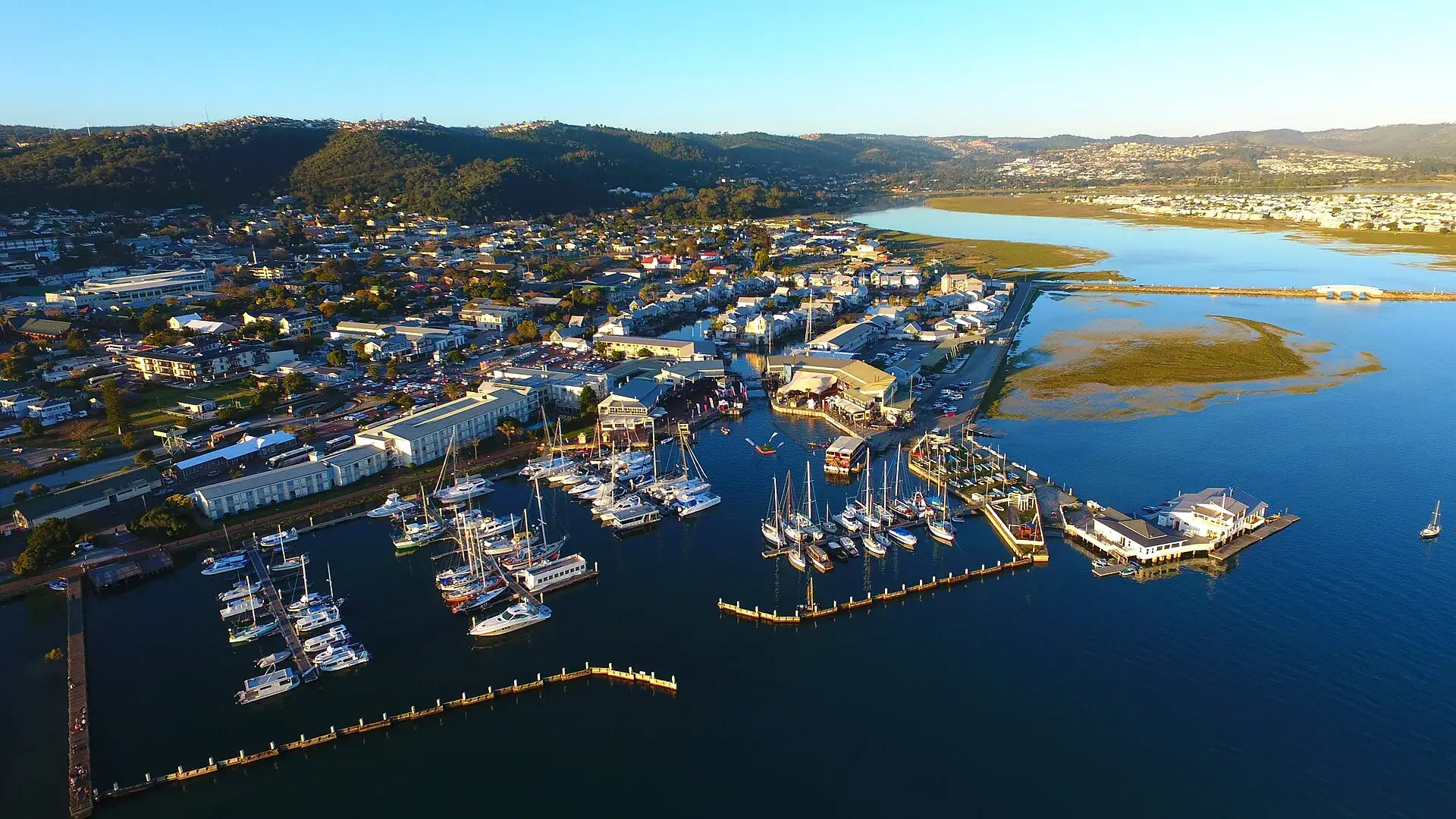
The Knysna lagoon and its waterfront from the air
Photo: Terence27 / Wikimedia Commons (CC BY-SA 4.0)
South Africa flag

Knysna

South Africa

A lagoon town halfway along the Garden Route, with forest behind and sandstone heads in front.

$1,200
Monthly Budget
--
Current Weather
Oceanic
Climate Type
6/10
WiFi Score
6/10
Safety Score
UTC+2
Timezone
0
Nomad Score

Setting Up as a Nomad in Knysna

A lagoon town halfway along the Garden Route, with forest behind and sandstone heads in front. For remote workers, Knysna leans on nature and English, with a typical budget near $1,200 a month. The main trade-off is the size of the nomad scene.

Nomad Facts at a Glance

The practical basics for Knysna, South Africa

CurrencyRand (R, ZAR)
LanguageEnglish
Plugs & powerType C/D/M/N · 230V / 50Hz
Tap waterSafe in cities; bottled rurally
Tipping10-15%
Ride-hailingUber, Bolt
Emergency112 / 10111
Mobile dataeSIM: Airalo / Holafly
Driving sideLeft
Dialling code+27
Time zoneUTC+2
Best time to visitFeb, Apr, Nov

Country-level guidance to get you oriented, not a substitute for checking locally. Numbers and norms can change; 112 reaches emergency services from most mobiles worldwide.

Category Breakdown

How Knysna scores across all 13 factors

Knysna's Nomad Score is 7.2 out of 10, from 13 category ratings (each out of 10): Climate 7, Cost of Living 6, WiFi 6, Nightlife 4, Nature 9, Safety 6, Food 7, Nomad Community 3, English 9, Visa Ease 8, Culture 5, Cleanliness 7, Air Quality 9.

Weather in Knysna

Monthly averages from 2019-2023 (Open-Meteo), and the best time to visit

24°
18°
Jan
24°
18°
Feb
23°
17°
Mar
21°
14°
Apr
20°
12°
May
19°
11°
Jun
18°
10°
Jul
18°
10°
Aug
18°
11°
Sep
20°
13°
Oct
21°
14°
Nov
22°
16°
Dec
Daily high & low (°C)Rainfall (mm/month)Best months to visit

The best time to visit Knysna for comfortable weather is Feb, Apr, Nov. The warmest month is Jan (around 24°C by day), and the wettest is May (about 79mm of rain).

Chasing good weather? See other cities that are warm in Feb, or plan a multi-city route around the seasons, or search flights when you are ready to move. Staying a while in Knysna? Check visa options, your time-zone overlap and how far your budget stretches, or find it on the world map.

Historical monthly averages, not a forecast. Source: Open-Meteo ERA5, a grid of roughly 25 km cells, because no weather station with published normals is close enough to the city.

Best Neighborhoods in Knysna

Where to base yourself for the perfect nomad experience

Knysna Central and the Waterfront

$$$
Central & Lagoon-side

The town centre on the lagoon, with the quays and the oysters

The compact centre on the northern shore of the lagoon, with the Waterfront development, the quays where the oyster boats tie up, and Main Street holding the shops, restaurants and services. Everything practical in Knysna is within a few minutes of here.

Best for: Anyone who wants the restaurants, the quays and the shops on foot
Pros
  • All shops, restaurants and services close by
  • Lagoon frontage and the boat trips to the Heads
  • The only walkable part of the town
Cons
  • The highest rents, and higher again over the December holidays
  • Busy through the South African summer
  • Traffic on the N2 running through

The Heads and Eastford

$$$$
Clifftop & Dramatic

Out at the sandstone cliffs where the lagoon meets the sea

The eastern headland above the two sandstone cliffs that guard the lagoon mouth, with houses stepped up the slope and views straight out to the open ocean. It is the most dramatic address in Knysna, quiet, residential, and about ten minutes from the centre by car.

Best for: Stays where the view of the Heads and the ocean is the reason to be here
Pros
  • The best views in Knysna, over the Heads and the sea
  • Quiet, residential and well kept
  • Coastal walks and the Featherbed reserve opposite
Cons
  • High rents for anything with the view
  • A car is essential
  • Ten to fifteen minutes to the shops

Leisure Isle

$$$$
Island & Genteel

The island in the lagoon, calm water and no through traffic

A residential island in the lagoon connected by a causeway, with tidal swimming beaches, quiet streets and no through traffic at all. It is one of the most settled and expensive addresses on the Garden Route, popular with retirees and holiday-home owners.

Best for: Quiet stays with calm swimming water and no traffic
Pros
  • Tidal swimming beaches on the lagoon
  • No through traffic and very quiet
  • Ten minutes into the centre
Cons
  • Very high rents and limited supply
  • No shops or restaurants on the island
  • Older, retirement-weighted community

Knysna Heights and Paradise

$$
Residential & Practical

The residential slopes behind the town, the everyday value

The suburban streets climbing the hill behind the centre, with ordinary houses, local schools and views over the lagoon from the upper roads. It is where most permanent residents live, rents are well below the waterfront, and the centre is a short drive downhill.

Best for: Longer stays wanting a normal house at a rent below the waterfront
Pros
  • Rents well below the lagoon and the Heads
  • Lagoon views from the upper streets
  • A settled year-round community
Cons
  • Steep, and a car is needed
  • Nothing to walk to
  • Little character

Rheenendal and the Knysna Forest

$$
Forest & Rural

Inland among the indigenous forest and the old gold road

The farming and forest area northwest of the town, where the largest remaining indigenous forest in South Africa runs up towards the Outeniqua mountains, past the ghost workings at Millwood. Houses are scattered smallholdings, quiet and green, with a twenty-minute drive into town.

Best for: Stays that want the indigenous forest and space, with a car
Pros
  • Indigenous forest and mountain trails at the door
  • Space and much lower rents
  • Genuinely quiet
Cons
  • Twenty to twenty-five minutes into Knysna
  • A car is essential and roads are partly gravel
  • Wildfire risk in dry, windy conditions

Cost of Living in Knysna

Where this figure comes from. No cost survey covers Knysna, so the $1,200 a month above is our own estimate rather than a measurement. On 416 of our 999 city guides the figure is built from a published Numbeo basket, a one-bedroom rent in the centre plus one person's monthly costs without rent, converted to USD; this city is not one of them. How we source everything.

Budget roughly $1,200 a month as a solo remote worker in Knysna, which sits in the middle of the South African range and reflects its status as a well-established Garden Route town. A one-bedroom place in Knysna proper or in Leisure Isle and Brenton runs about $400 to $650, with lagoon views commanding a premium and holiday-let demand tightening the market over Christmas and Easter. Groceries land around $260 to $330. Knysna oysters, the town's signature, are cheap at source. A pub lunch is $8 to $12, a restaurant dinner with wine $20 to $30. Utilities add $90 to $170, with backup power a common additional cost given South Africa's electricity record. Water is metered and restricted in dry years, and the municipal tariff steps up sharply once a household crosses a threshold, which makes a garden an expensive habit. Private medical cover is close to essential, since the public hospitals in the region are stretched, and it is a real monthly line rather than a precaution. Anything ordered online arrives slowly, because the courier networks treat this coast as a spur rather than a route, and the local shops price accordingly.

Where to Work in Knysna

Knysna is a small town of around 70,000 and has a modest coworking presence serving a mix of local business and the semigration crowd who have moved down from Johannesburg and Cape Town, with desks at roughly $110 to $180 a month. Cafes around the waterfront and on Main Street are comfortable with laptops. Fibre has been rolled out well in the town and speeds are good, which is one reason Knysna has attracted remote workers. Electricity is no longer the persistent constraint it was: the national cuts ended in May 2025 and none has been scheduled since. Ask about backup power anyway, because the forest and the lagoon mean a lot of overhead line in a small area, and outages here have always owed as much to weather as to anything the national grid was doing. The clock here gives you the entire European working day without an early start, which is the best single reason to base a business in this country and why the relocation crowd keeps its European clients. Anyone working seriously keeps two connections, a fibre line and a mobile router on a different network, because the failure modes are independent of each other. The arrivals from the cities brought their own professional networks with them rather than joining a local one.

Getting Around Knysna

Knysna is strung along the N2 between the lagoon and the forested hills, and a car is effectively necessary: the beaches at Buffalo Bay and Brenton, the forest trails, and the neighbouring towns of Plettenberg Bay and Sedgefield are all a drive away. The town centre and the waterfront are walkable. There is minimal public transport beyond minibus taxis. The Garden Route is designed around driving and most residents and visitors do exactly that, with the N2 running from Cape Town in about six hours and Port Elizabeth in three. George airport is about an hour west and connects to Johannesburg and Cape Town, which makes Knysna far better linked than its size suggests. The tourist railway that once ran along this coast closed after storm damage in 2006 and was never restored, so the road is the only way through. Long-distance coaches stop here on the run between the two big coastal cities and are cheap and reliable, which is the alternative to driving for anyone travelling alone. Driving the rural stretches after dark is the thing residents avoid, rather than the towns themselves.

Sorting transport? Book an airport transfer, or compare car rental on Auto Europe and QEEQ.

Visas for Knysna

South Africa grants most Western passports 90 days visa-free on arrival, including EU, UK, US, Canadian and Australian citizens. The remote work visitor visa introduced in 2024 is South Africa's first purpose-built route for foreign remote workers and requires an annual income above a substantial threshold; the figures and conditions have been revised since launch. Extensions to the standard visitor visa are possible but the process is slow and best started early. Other routes include the critical skills work visa for listed occupations, business visas, and retirement visas, the last of which has long been popular along the Garden Route. Any application longer than a visitor stamp wants a police certificate from every country lived in for more than a year, and assembling those takes longer than the rest of the file put together. Applications are lodged abroad through a contracted visa centre rather than at the mission itself. The visitor stamp is given on arrival without discussion, but the officer writes the date by hand, so it is worth reading what was actually written before leaving the desk.

Best Time to Visit Knysna

The Garden Route has a mild climate with rain spread across the year rather than concentrated in a season, which is unusual for South Africa. February to April is generally the best window: warm, settled, and after the December and January holiday crush has passed. Spring, September to November, is also good and brings wildflowers and whale watching along the coast, with southern right whales present from roughly June to November. Winter, June to August, is cool and damp, around 18 degrees in the day, and quiet. December and January are the South African summer holidays, when the population of the town multiplies, prices rise sharply and accommodation must be booked months ahead. The fires of 2017 came through the plantations and the edges of the town in a single afternoon, and fire season is now part of how residents read a hot dry wind rather than an abstraction. Whales pass close enough to be watched from the cliffs without a boat between winter and spring. The lagoon is at its best on a still morning before the wind gets up.

Pros and Cons of Knysna

Knysna sits on a lagoon between indigenous forest and the sea, and the setting is the whole point: it is one of the most attractive small towns in South Africa, with good fibre, a mild year-round climate, an established community of people who have relocated for exactly these reasons, and George airport an hour away. Costs are moderate and the food and wine are very good. The town is small and can feel closed, and a car is not optional here. The 2017 wildfires did significant damage and fire risk remains a live concern. Water restrictions appear in dry summers, and the national power cuts that shaped the last decade here ended in 2025, though the local lines still come down in a storm. Crime is lower than in the big cities but not absent, and the seasonal holiday influx transforms the town twice a year.

Who Knysna Is For

Small-town South Africa with good infrastructure and dramatic surroundings, and a car. People who hike, sail, dive or mountain bike have the most to work with, and families relocating find decent schools in a quiet place. Anybody drawn to the Garden Route gets a base here with considerably more substance behind it than Plettenberg Bay has ever managed. Retirees and semigrants make up much of the incoming population. Living car-free is not possible on this stretch of coast, a professional network of any size does not exist here, and city amenities are six hours away in Cape Town. Cape Town is six hours away and answers all of those.
Where to Stay in Knysna

Top neighborhoods and accommodations for digital nomads

We have not yet verified specific places to stay in Knysna. When we list one it will name the source we checked it against, the same as every other figure on this page, and until then we would rather show nothing than a name we have not confirmed. The neighbourhood guide above says which parts of the city to look in, which is the more useful half of the answer anyway.

Best Coworking Spaces

Where nomads get work done in Knysna

We have not yet verified specific coworking spaces in Knysna. When we list one it will name the source we checked it against, the same as every other figure on this page, and until then we would rather show nothing than a name we have not confirmed. The guide sections above cover what working from Knysna is actually like, including connection speeds and cafe culture.

Where to Eat & Drink

Best food and drink spots in Knysna

We have not yet verified specific places to eat in Knysna. When we list one it will name the source we checked it against, the same as every other figure on this page, and until then we would rather show nothing than a name we have not confirmed. The guide sections above cover what eating in Knysna costs and what the city is known for.

Cities with a Similar Vibe to Knysna

Different places that score alike across our 13 categories, if you like Knysna, these tend to feel similar.

In the rankings

Where Knysna ranks

Knysna features in 1 of our 32 city rankings.

  1. 7Best cities in Africa→

A comfortable solo budget in Knysna is about $1,200/mo, a mid-range budget by nomad standards.

Frequently Asked Questions About Knysna

How much does it cost to live in Knysna as a digital nomad?

A comfortable nomad budget in Knysna is around $1,200 a month, covering a furnished rental, food, coworking, and getting around. You can spend less by living outside the center and eating local, or more in the most popular neighborhoods.

Is the internet fast enough for remote work in Knysna?

Knysna rates 6 out of 10 for WiFi in our scoring, so connectivity is average for video calls and everyday remote work. A local SIM with a data plan is a smart backup for cafes, coworking, and travel days.

Is Knysna safe for digital nomads?

Knysna scores 6 out of 10 for safety in our ratings, which is average for solo travelers and long stays. Use the usual precautions with valuables and at night, and favor well-reviewed neighborhoods when you choose where to stay.

Is Knysna a good city for digital nomads overall?

Knysna stands out for nature and the outdoors and widely spoken English among remote workers. With a typical budget near $1,200 a month and a growing nomad scene, it is worth a look if those priorities match what you want from a base.