Cost of Living in Gqeberha
Where this figure comes from. No cost survey covers Gqeberha, so the $1,000 a month above is our own estimate rather than a measurement. On 416 of our 999 city guides the figure is built from a published Numbeo basket, a one-bedroom rent in the centre plus one person's monthly costs without rent, converted to USD; this city is not one of them. How we source everything.
Budget around $1,000 a month as a solo remote worker in Gqeberha, which is good value at prevailing exchange rates and cheaper than Cape Town for an equivalent standard. A one-bedroom apartment in Summerstrand or Humewood runs roughly $400 to $650, and less inland. Groceries and eating out are inexpensive for anyone earning in dollars or euros, and the wine is very cheap. The costs people forget are security, which is a normal household expense here, and backup power, since years of load shedding made an inverter or generator close to standard in any property worth renting. The national cuts ended on 16 May 2025, so that hardware is now a hedge against ordinary faults rather than a scheduled necessity, and you should not pay a premium for it as though it were. Fibre runs about $30 to $50 a month. Security is a genuine line item rather than a precaution: armed response monitoring runs $30 to $60 a month and most rentals worth having include it. An inverter and batteries capable of carrying a working day cost several hundred dollars up front, and a property that already has them is worth paying more for. Rents inland at Walmer or Newton Park run a third below the beachfront, at the cost of a drive to the sea.
Where to Work in Gqeberha
Fibre has reached the main suburbs and offers reasonable speeds at prices that are high relative to local income, and mobile data is workable but expensive. Nelson Mandela University and the automotive manufacturing sector give the city a real professional base, and a small coworking scene exists around the beachfront and the business district. The decisive practical issue is electricity: South Africa's scheduled rolling blackouts take internet down with them unless the building has battery backup, and confirming that before signing a lease is essential rather than optional. Cape Town is two hours by air if a week in a proper professional hub is worth the trip. South Africa sits two hours ahead of GMT, giving a full European overlap and a late-afternoon window with the American east coast, which is a large part of why the country has drawn remote workers at all. Load shedding stages were published in advance through apps, which at least made the outages predictable. None has been imposed anywhere in the country since 16 May 2025, and Eskom carried the whole 2026 winter without one, so the app that everybody here still has installed has gone quiet. Nelson Mandela University spreads across several campuses and its ocean sciences faculty is the strongest research presence in the city.
Getting Around Gqeberha
Gqeberha is spread along the coast and a car is close to necessary; the public minibus network exists but is not aimed at visitors and the formal bus service is limited. The beachfront from Humewood to Summerstrand is walkable and pleasant in daylight. Addo Elephant National Park is about an hour inland, the Tsitsikamma section of the Garden Route two hours west, and the airport sits close to the centre with domestic connections. Driving between towns is safe and the roads are good. Walking after dark is not advised anywhere in the city. Addo is the third-largest national park in South Africa and is malaria-free, which makes it the practical big-game option for anyone who would rather not take prophylaxis. The Baviaanskloof, a wilderness area three hours inland, is one of the great four-wheel-drive routes in the country. The N2 west to Storms River and the Tsitsikamma bridges is the start of the Garden Route proper, and the drive is straightforward and well maintained.
Sorting transport? Book an airport transfer, or compare car rental on Auto Europe and QEEQ.
Visas for Gqeberha
South Africa grants most Western nationals ninety days visa-free on arrival, extendable once by a further ninety days through an application that is slow and should be started early. The remote work visa introduced in 2024 is open to people employed by foreign companies but sets an income threshold well above local averages, and the tax treatment took time to settle. Longer stays otherwise run through employer sponsorship or the critical skills list. Namibia, Botswana, Lesotho and Eswatini are all reachable overland if a reset is needed. Anyone planning to apply for the extension should note that Home Affairs appointments are the bottleneck rather than the paperwork itself. South Africa enforces overstays harder than most of the region: exceeding the permitted period gets a traveller declared undesirable, which carries an automatic ban of one to five years depending on how long the overstay ran, and it is applied at the airport rather than argued afterwards.
Best Time to Visit Gqeberha
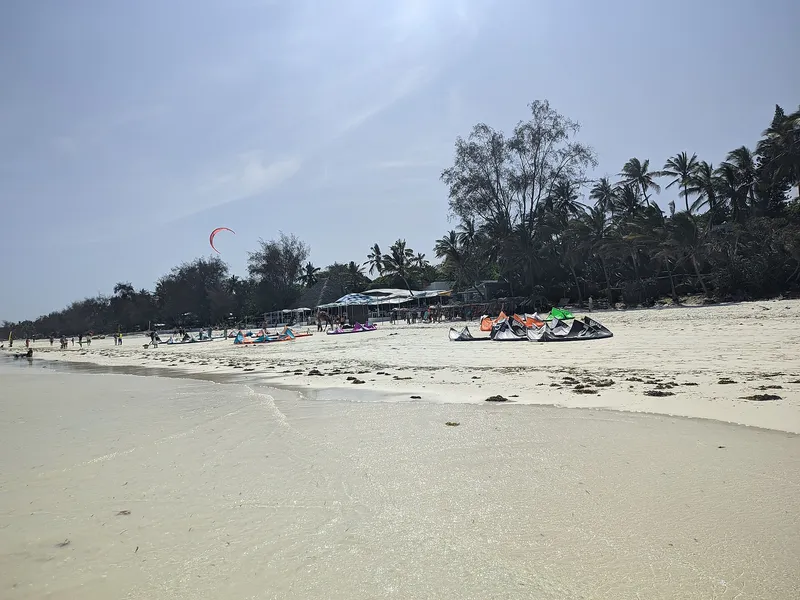
October to April is the warm half, with daytime temperatures in the low to mid twenties and sea warm enough to swim. The city calls itself the windy one for good reason and the southwesterly blows hard through spring and summer, which is either a nuisance or the point depending on whether you sail. February and March are the calmest and warmest weeks. Winter from June to August is mild rather than cold, with highs around nineteen, and it is the best season for whale and dolphin watching along the coast. Rain falls year-round with no marked wet season. The wind blows hardest between September and January and is strong enough that the city has built a reputation for kitesurfing at Kings Beach, which is the constructive way to read a fact that otherwise reads as a drawback. Southern right whales pass the bay between June and November and are often visible from the Sardinia Bay cliffs without a boat. Humidity stays moderate year-round.
Pros and Cons of Gqeberha
Gqeberha combines an easy coastal city with malaria-free big game an hour inland at Addo, warm Indian Ocean swimming and prices that are excellent value at current exchange rates. English is universal and the Garden Route starts here. Safety is the honest headline here: South African crime rates are among the world's highest, property crime is a constant background concern, and personal habits have to change accordingly. The city is car-dependent and the wind is relentless for months at a time, and the load shedding that used to head this list stopped nationally in May 2025 without the grid underneath it being rebuilt. The city also lost its familiar name recently, and both Gqeberha and Port Elizabeth remain in daily use, which matters when searching for anything. Algoa Bay holds the largest breeding colony of African penguins in the world on St Croix Island, though that population has collapsed sharply over the past two decades and is now the subject of an emergency conservation effort. The city was renamed from Port Elizabeth in 2021 as part of a wider programme of place-name changes across the Eastern Cape.
Who Gqeberha Is For
Warm-water coast, wildlife and low costs, for people prepared to adopt South African security habits rather than argue with them. The Garden Route starts or ends here for most people who drive it. Surfers need no persuading, and neither does anybody who would take space over city life. Walking everywhere after dark is not a habit this city rewards, backup power is a purchase rather than an option, and the steady low-level awareness of personal security that residents carry without thinking is exhausting for anybody who has not learned to hold it lightly. One industry cuts against the thin professional network entirely. Volkswagen, Isuzu and a large supplier base all operate here, which makes this South Africa's main vehicle manufacturing centre outside Gauteng and a real place to have that career. Cape Town is what people measure it against: a third cheaper here, a fraction of the scene, warmer water and considerably less to look at. Anyone comparing the South African coastal cities should weigh Cape Town for the scenery and the prices that come with it, Durban for the warmth and the humidity, and this one for the game reserves within an hour and the lowest costs of the three.
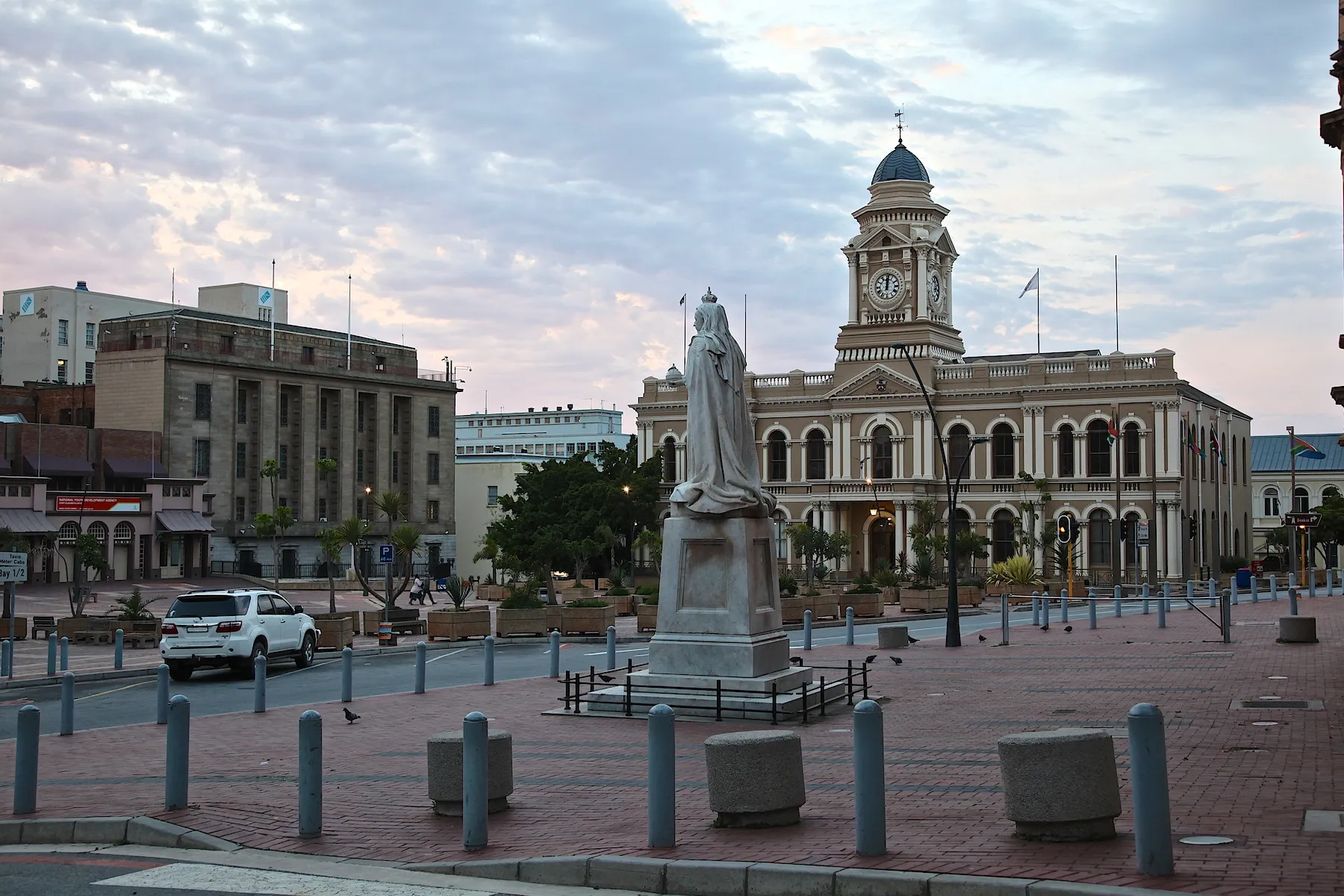 Photo: Leo za1 / Wikimedia Commons (CC BY-SA 3.0)