Cost of Living in Diani Beach
Where this figure comes from. No cost survey covers Diani Beach, so the $950 a month above is our own estimate rather than a measurement. On 416 of our 999 city guides the figure is built from a published Numbeo basket, a one-bedroom rent in the centre plus one person's monthly costs without rent, converted to USD; this city is not one of them. How we source everything.
Budget roughly $950 a month as a solo remote worker in Diani Beach, which is inexpensive for a coastline of this quality. A one-bedroom apartment or cottage a few minutes from the sand runs about $300 to $500 on a long lease, with beachfront and serviced options considerably more and inland Ukunda cheaper. Groceries land around $200 to $280, with local markets far cheaper than the supermarkets that stock imported goods for the expatriate market. A local meal is $3 to $5, a beach restaurant dinner $12 to $20, and a Tusker beer about $2. A tuk-tuk down the beach road is under a dollar. Utilities add $60 to $120, and many people budget for backup power. A night guard is an ordinary household line here rather than a sign of trouble, and one shared between a few houses on a lane costs very little each. Water on this coast often arrives by tanker in the dry months even where there is a mains connection, so a house with its own tank is worth more than the rent difference implies. Landlords commonly ask three or six months up front from a foreigner, which makes the first payment the real barrier rather than the monthly figure.
Where to Work in Diani Beach
Diani has a genuine and slightly surprising remote-work scene: it has been promoted for several years as a base for the sector and has at least one established coworking space on the beach road, with desks at roughly $120 to $200 a month, plus several cafes and beach clubs entirely used to laptops. That makes it an outlier on the East African coast. Connectivity is the reason it works: fibre is available along the main road and Kenyan mobile data is cheap, fast and reliable, with M-Pesa handling payments for almost everything. Power cuts happen and a backup is normal. The community is small but real, and skews towards people staying months rather than weeks. Local time sits three hours ahead of London and one ahead of most of the continent to the north, which puts a European working day squarely inside the afternoon here and is a large part of why the place works for anyone billing to Europe. The season shapes the company: desks fill between about November and March and thin out afterwards, so a stay timed for the quiet months is cheaper and lonelier in equal measure. Nothing local hires foreigners outside the hotels and the dive schools.
Getting Around Diani Beach
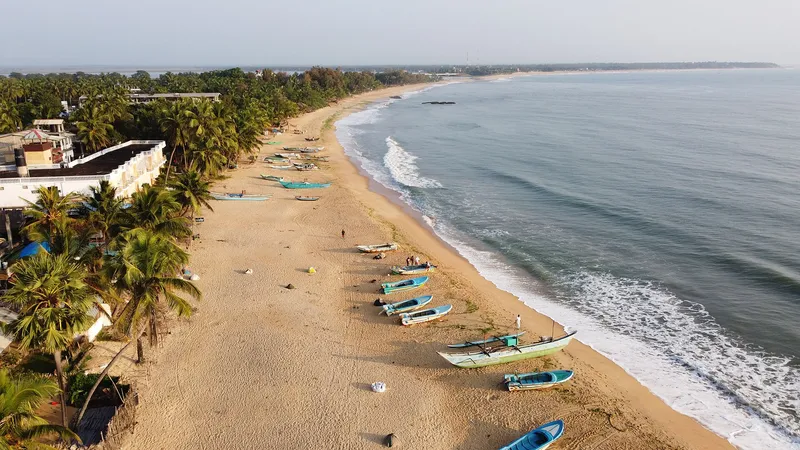
Diani is a single road running parallel to about ten kilometres of beach, with side lanes down to the sand, and tuk-tuks are the universal transport: they cost a dollar or two for most trips and are everywhere. Matatu minibuses run the main road cheaply. Many residents rent a motorbike or a car for trips further afield. Ukunda airstrip is right in Diani and has daily flights to Nairobi, which is the practical route in and out and takes about an hour. Mombasa is roughly an hour and a half north including the Likoni ferry crossing, which can be very slow at peak times; the new Dongo Kundu bypass has improved this considerably. The standard gauge railway from the capital is the alternative to flying and takes about six hours to a terminus on the far side of the big city, from where a taxi finishes the job. It is comfortable and cheap and books out at holidays. Motorcycle taxis fill the gaps the three-wheelers leave and are how most people get down a sand lane to a house. The border with the next country south is under two hours away, which turns a visa run into a day trip rather than an expedition.
Sorting transport? Book an airport transfer, or compare car rental on Auto Europe and QEEQ.
Visas for Diani Beach
Kenya moved in January 2024 from a visa system to an Electronic Travel Authorisation that all visitors must obtain online before arrival, which despite being described as visa-free is a mandatory paid application. It generally grants 90 days. In 2024 Kenya announced a Class N digital nomad work permit for remote workers earning above an annual threshold from foreign sources, aimed squarely at the coast and at Diani in particular, granting an initial period with renewal possible. East African Tourist Visa arrangements covering Kenya, Uganda and Rwanda also exist for multi-country travel. The travel authorisation is granted for a single entry, so a weekend across a border means applying again and paying again, and that is what trips up anyone planning a loop through several countries. Extending a stay is done in person at an immigration office in one of the big cities rather than locally. Ordinary work permits are sponsored by a company and carry a serious annual fee, which is why the remote worker category was created at all and why the older routes were never realistic for a freelancer.
Best Time to Visit Diani Beach
December to March is the best season in Diani: hot, dry, and with the clearest water for diving and snorkelling on the reef. July to October is the second window, cooler and dry, and this is when the humpback whales pass. The long rains fall roughly from late March through May and are the wettest part of the year, when some businesses close and the sea is churned up; the short rains in November are lighter. Temperatures are consistently high, high twenties to low thirties, with humidity to match. The kaskazi and kusi monsoon winds shape the seasons and the kitesurfing calendar, with the best wind generally from December to March and again in June to August.
Pros and Cons of Diani Beach
Diani has one of the best beaches in the world by most measures, and unusually for East Africa it has the infrastructure to work from: fibre, a coworking space, an airstrip with daily Nairobi flights, and a small established remote-work community. Costs are low, the food is good, and Kenya's mobile money system makes daily life frictionless. Marine parks, Shimba Hills and a coral reef are all close. The Kenyan coast has a security history that requires attention to what the current government travel advice says, particularly regarding areas further north. Power cuts occur, healthcare beyond a good local clinic means Mombasa or Nairobi, and the beach road is developing fast and not always attractively.
Who Diani Beach Is For
Diani suits remote workers who want a genuinely beautiful tropical coast with functioning infrastructure and low costs, and who are drawn to Africa rather than the well-worn Asian and Latin American circuits. Divers and kitesurfers are the obvious audience, and safari access is close enough to fold into the plan instead of standing as a separate trip. Solo workers and couples both settle in easily, and the community here is small enough that being isolated takes more effort than at most beach bases. Checking travel advisories before booking is not optional on this coast, first-rate healthcare means a flight to Nairobi, and the amenities of a large city are simply not part of the offer. Nairobi has the infrastructure and the professional scene; Zanzibar is the obvious regional alternative on the coast.
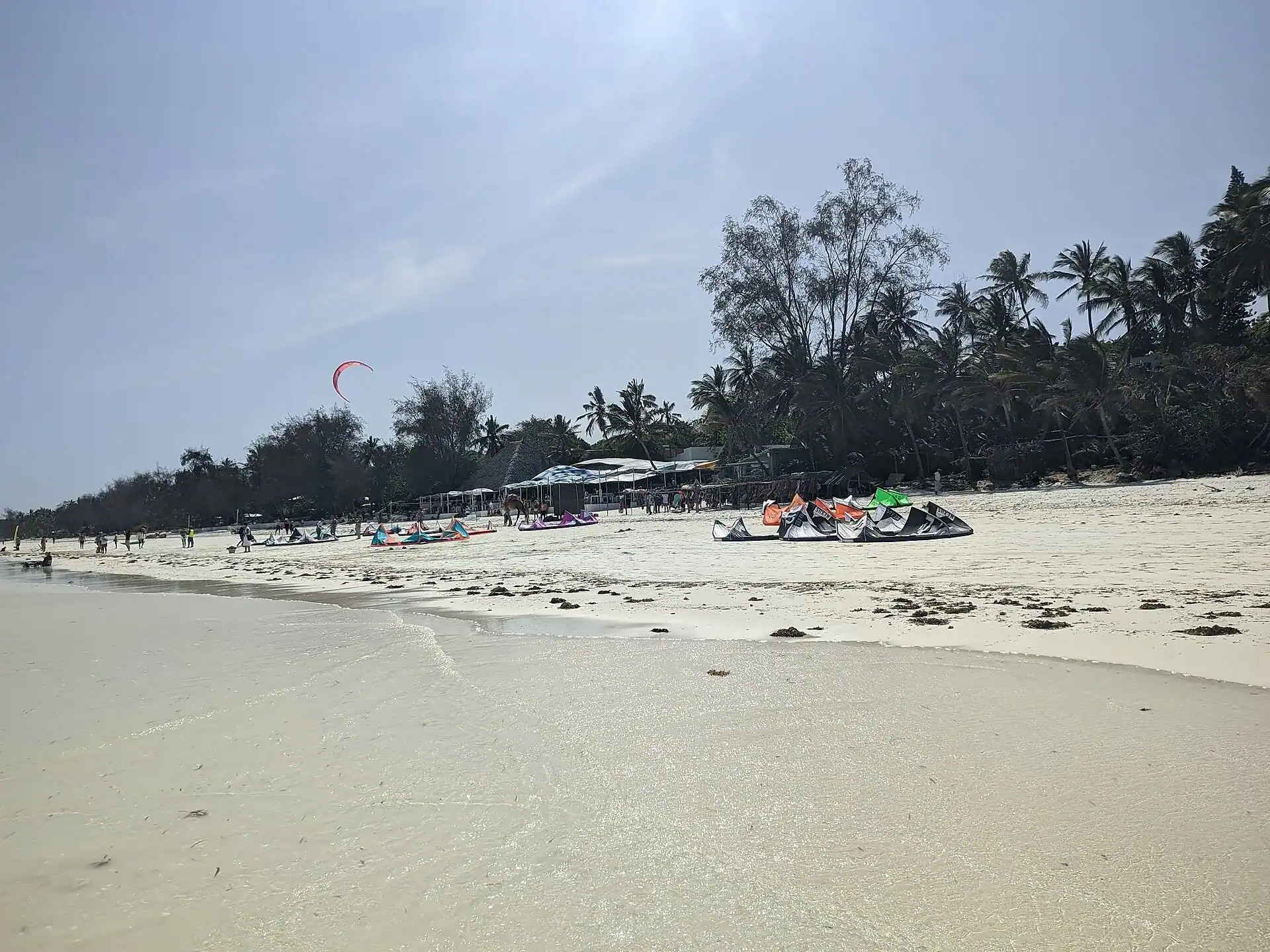 Photo: Lebu Ayiga / Wikimedia Commons (CC BY 4.0)