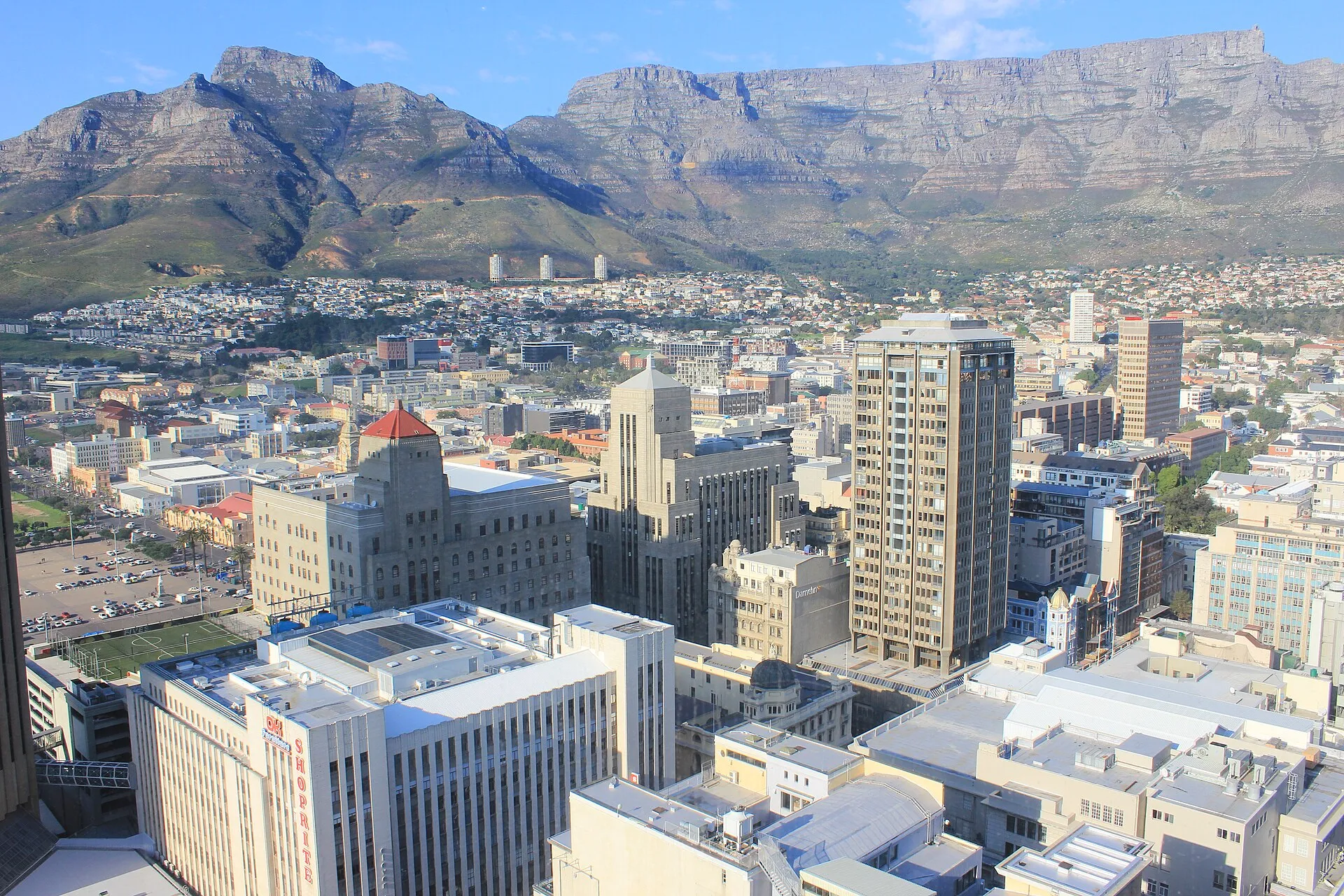
 Cape Town
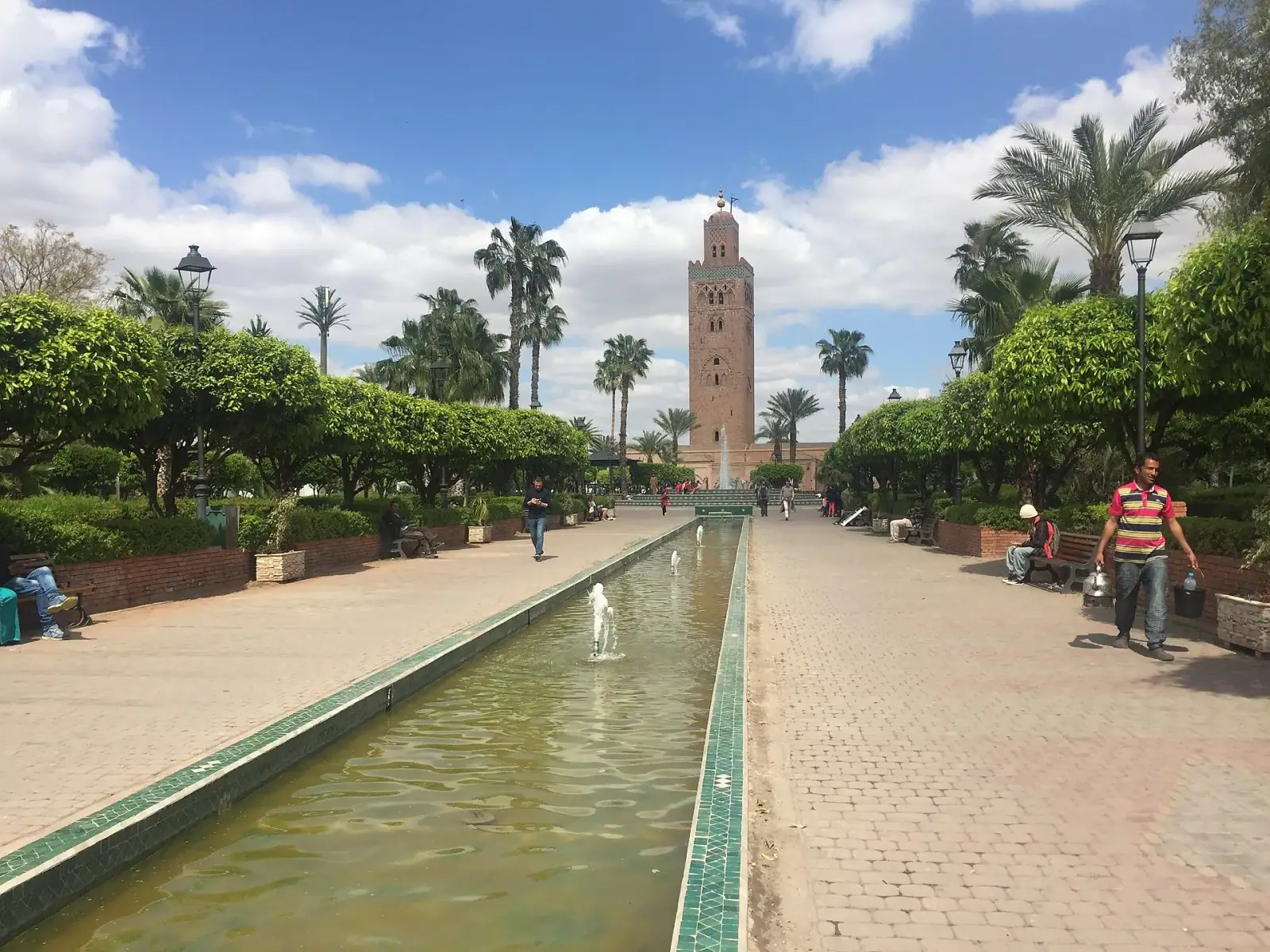
 Marrakech
Nobody moves to Cape Town or Marrakech for the office. You go for what lies an hour or three beyond the city limits, and those two hinterlands run on opposite calendars. So picture four free weekends, two in February and two in July.
February
This is Cape Town at full strength, with highs of 27°C and hardly any rain. On Saturday you could go down the peninsula to Simon's Town, where about 3,000 African penguins live on Boulders Beach, a colony that began with two breeding pairs in 1982. Carry on to Cape Point, take the funicular to the old lighthouse, and look down on the point itself. Next weekend, it could be Stellenbosch, about 50 kilometres inland, with its oak-lined streets and a wine route that farmers set up in 1971. You will want a car for all of this, and you will want to stay on the routes you know, which we come back to below.
In Marrakech the same February Saturday is 21°C, and a very different trip is open to you: skiing. Oukaïmeden in the High Atlas has six lifts between 2,600 and 3,200 metres. Snowfall has become unpredictable, so treat it as a day out and not a season pass. Or take the road to Imlil, the village where most people begin the two-day climb of Toubkal, at 4,167 metres the highest peak in North Africa, and visible from the city on a clear day. Imlil was badly damaged in the earthquake of September 2023, and rebuilding across those valleys has been slow. You will see that, and your guesthouse money will be spent where it matters.
July
Now the two cities swap. Marrakech reaches 38°C by day and a weekend stops being a treat, since leaving town is how you cope. CTM and Supratours coaches run to Essaouira in about three hours for around $8. Waiting at the other end is a walled port on the Atlantic, where the average high over the year is only about 21°C and the wind is so constant that it is known as the Windy City. You could buy sardines off the dock and have them grilled in a side street for very little, and watch the sunset from the seawall at Place Moulay Hassan. We compare Marrakech with Essaouira on a page of its own.
Cape Town in July is 18°C by day and 7°C at night, and the wettest part of the year has just passed its peak. It is easy to write off, and that would be a mistake. Southern right whales come into Walker Bay from around June, and at Hermanus, about 115 kilometres from the city, you can watch them from the cliffs. The town even employs a whale crier, who since 1992 has blown a kelp horn to announce where they are. The whales usually stay until early December, and the festival comes at the end of September.
What decides it
On weekends alone, Cape Town wins. You get penguins, whales and vineyards in one radius and in English, whereas Marrakech's trips are fewer, further and better suited to someone who likes a long drive.
The trouble is what you drive through. Cape Town recorded 2,998 murders between 2022 and 2023, and most of the worst violence is concentrated on the Cape Flats, in places such as Nyanga, Delft and Mitchell's Plain, which lie close to the roads out to the Winelands and the airport. Britain's travel advice goes as far as naming the airport roads: use the N2 and the M3, not the R300 or Borcherds Quarry Road. Plenty of foreigners live happily in Sea Point and Gardens with these rules in mind, but you will never quite stop thinking about your route. Marrakech asks for patience with touts. That is a much smaller thing.
It also asks for less money. We estimate about $2,000 a month in Cape Town and about $1,500 in Marrakech. Most Western passports get 90 days in Morocco, and South Africa's digital nomad visa can run for up to three years at about $3,280 a month in income. The clock pulls the same way as the visa: Cape Town is on UTC+2, close to Central Europe, while Marrakech sits an hour or two behind Paris since Morocco settled on UTC in September 2026.
That gives you the shape of a good answer, because neither city needs your whole year. Take Marrakech from October to April, in Gueliz, for the price and the mountains. For a longer stay, Cape Town is the place that will hold you, and it is worth arriving in time for that September festival in Hermanus, when the whales are still in the bay and the rain is on its way out.
 United States
 United Kingdom
 Germany
 Canada
 Australia
 India