Cost of Living in Stellenbosch
Where this figure comes from. No cost survey covers Stellenbosch, so the $1,100 a month above is our own estimate rather than a measurement. On 416 of our 999 city guides the figure is built from a published Numbeo basket, a one-bedroom rent in the centre plus one person's monthly costs without rent, converted to USD; this city is not one of them. How we source everything.
Stellenbosch sits at the more affordable end of the global spectrum while still feeling comfortable, and most nomads land somewhere between roughly $900 and $1,300 a month. Rent is the biggest variable: a studio or one-bedroom near the centre costs more than a room in a shared student house or a suburb like Die Boord. Wine, produce and coffee are genuinely good value, and the many farm-to-table restaurants make eating out a pleasure rather than a splurge. Budget a little extra for a backup power source and a decent mobile data bundle. These figures are editorial estimates and shift with the rand and the season. The university calendar, not the tourist season, is what moves rent in this town. Roughly thirty thousand students arrive in February and leave in November, and the private blocks and shared houses price against that cycle, which means the cheapest long leases are the ones running through the summer holidays when everyone has gone home. The other variable is the rand, which swings enough that a dollar budget set in January can be worth ten percent more or less by June. Both cut in your favour if you are paid in a hard currency and can be flexible about when you arrive.
- Rent (one-bedroom): roughly $500 to $800 per month depending on area and season
- Monthly groceries: roughly $220 to $320 for one person cooking most meals
- Coffee, casual lunch or a glass of estate wine: a few dollars each
- Mobile data and ride-hailing, since the town has no real public transport: budget a little extra
Where to Work in Stellenbosch
The town punches above its weight for workspaces thanks to its student and tech scene. You will find a handful of coworking spaces and plenty of independent cafes along Church Street, Dorp Street and around Die Braak where laptops are welcome. Wifi is generally good, and the thing older guides warn about has largely gone away: South Africa's rolling blackouts, which shaped every working day here for years, have not been imposed since May 2025, and Eskom carried the whole 2026 winter without a single stage. The grid was repaired rather than rebuilt, so a bad run of breakdowns could bring the cuts back, and most cafes kept the inverters they bought. Keep a charged laptop, then stop planning your week around a schedule. Mornings are calm; the student rhythm picks up in the afternoons. Worth knowing that the venture cluster here is real rather than decorative. This small town is the registered home of several of the country's largest financial and consumer groups, and the university runs a startup incubator with more founder traffic per head than anywhere outside Johannesburg. The counterweight is water. The Western Cape came within weeks of running its taps dry in 2018, restrictions return in dry summers, and a flat with a tank is worth paying for.
Getting Around Stellenbosch
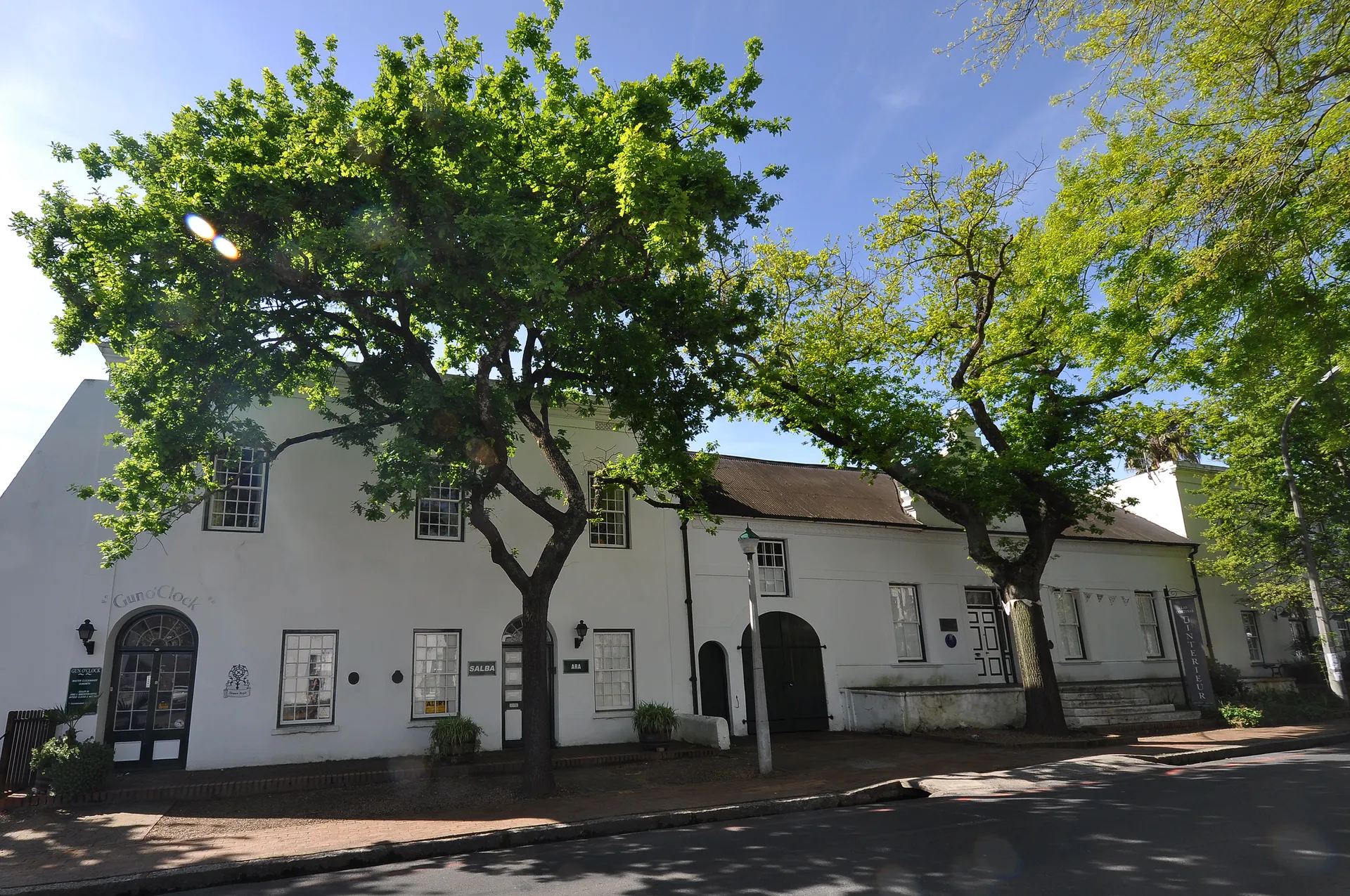
Stellenbosch is compact and made for walking. The oak-lined historic core, with its Cape Dutch gables along Dorp Street, is easily covered on foot, and cycling is popular given the flat centre and student culture. Ride-hailing apps operate and are handy after dark or for trips to nearby wine estates and restaurants. For exploring the wider Winelands or reaching Cape Town International, about 45 minutes west, renting a car gives you the most freedom and lets you enjoy the mountain passes. Metered taxis and shuttles exist too. As anywhere, take normal precautions at night and keep valuables out of sight in parked cars. The railway is the thing to check rather than assume. A commuter line runs from here to Cape Town and it is cheap and scenic, but Western Cape rail was gutted by theft and vandalism in the early 2020s and service on this corridor has come back only in stages, so confirm what is actually running before planning around it. In practice most people drive or use ride-hailing, and the minibus taxis that carry most South Africans are cheap and frequent but assume you know the hand signals and the routes. Cape Town International is forty minutes away on the highway.
Sorting transport? Book an airport transfer, or compare car rental on Auto Europe and QEEQ.
Visas for Stellenbosch
Many visitors arrive on South Africa's standard visa-exempt tourist entry, which commonly grants up to 90 days for passport holders from countries like the UK, the US and much of the EU. South Africa has also introduced a remote-work visa aimed at digital nomads earning income from abroad, which suits longer stays beyond the tourist window. Keep proof of onward travel, accommodation and funds handy, as these are sometimes requested on arrival. The tax tail on that remote-work visa is what catches people. If your home country has a double-taxation agreement with South Africa, you are expected to register with the revenue service once you have been in the country more than 183 days in any twelve months; if it does not, you are expected to register regardless of how long you stay. That is a stricter test than most nomad visas carry. The income floor sits at about $39,350 a year, set as a fixed rand amount in the October 2024 rules, so the dollar equivalent moves with the currency rather than with any wage.
Best Time to Visit Stellenbosch
Stellenbosch has a Mediterranean climate: warm, dry summers and cool, wetter winters. The most popular window runs from roughly November to March, when long sunny days suit hiking in Jonkershoek, wine-estate lunches and evenings outdoors, though this is also peak season with higher prices and busier estates. Autumn, around March to May, is a lovely quieter alternative, with harvest activity and golden vineyards. Winter, from June to August, brings green mountains, cosy fireside tasting rooms and lower rates, but pack layers and a rain jacket. Summer heat can be intense in January and February, so plan outdoor activity for the cooler morning hours. Fire is the seasonal risk nobody mentions in the wine-country copy. The fynbos on these mountains burns as part of its own life cycle, the season runs through the hot dry months from roughly December to March, and large blazes have closed the reserve above town and reached properties on the edge of it several times this decade. Check before planning a hike in February. The compensation in the same window is the harvest, which runs from about the end of January into April and is the one time the estates are working rather than hosting.
Pros and Cons of Stellenbosch
Stellenbosch is one of the most charming bases in the Cape Winelands, blending a walkable historic town, superb food and wine, mountain scenery and a lively university energy. It rewards nomads who value quality of life and the outdoors over a large ready-made nomad scene. The trade-offs are real but manageable: the town is smaller and more spread out than a major city, you will want a car to make the most of the region, and the power cuts that once dominated every conversation here stopped in 2025 without the underlying grid being rebuilt. Weigh these against the setting and the value, and for many people the balance tips firmly in favour. What the summary leaves out is the inequality, because here it is a ten-minute walk rather than an abstraction. Kayamandi sits immediately north of the centre, a township established under segregation-era housing policy, and it is closer to the oak-lined heritage streets than most wine estates are to each other. South Africa has among the highest measured income inequality of any country, and this town holds both ends of it in sight of each other. Arriving without the winelands brochure in your head makes the place legible rather than confusing. The practical corollary is ordinary caution after dark, which residents take seriously and visitors often do not.
- Pros: gorgeous walkable Cape Dutch town centre; world-class wine, food and coffee; mountains and trails on the doorstep; good value; English widely spoken
- Cons: small, spread-out town where a car helps; no real public transport; nomad community is modest; peak-season prices and heat in high summer
Who Stellenbosch Is For
Stellenbosch suits nomads who want a beautiful, slower base with easy access to nature, great food and wine, and the buzz of a university town, all within 45 minutes of Cape Town. It is ideal for hikers, mountain bikers, foodies and anyone who prefers oak-shaded streets and vineyard views to a big-city grind. It is less suited to those who need a huge, plug-and-play nomad crowd or absolutely uninterrupted power without any planning. If you can bring a backup power setup, a relaxed pace and a taste for the outdoors, Stellenbosch is a rewarding and memorable place to settle for a while. Six months from February works better than a summer, catching a full term, the harvest and the autumn without the December emptiness or the January heat. Live inside the walkable core, because the town has no meaningful public transport and everything beyond it assumes a car. Anyone who runs, rides or climbs should treat that as the main reason to be here: Jonkershoek, the Helderberg and the Franschhoek passes are all inside an hour. And if you stay longer than a term, learn some Afrikaans; English gets you everything, but the town's social life partly does not happen in it.