 Kuala Lumpur
 Bali
The island has the traffic jam and the capital has the rainforest. That is the wrong way round, and it causes a lot of disappointment.
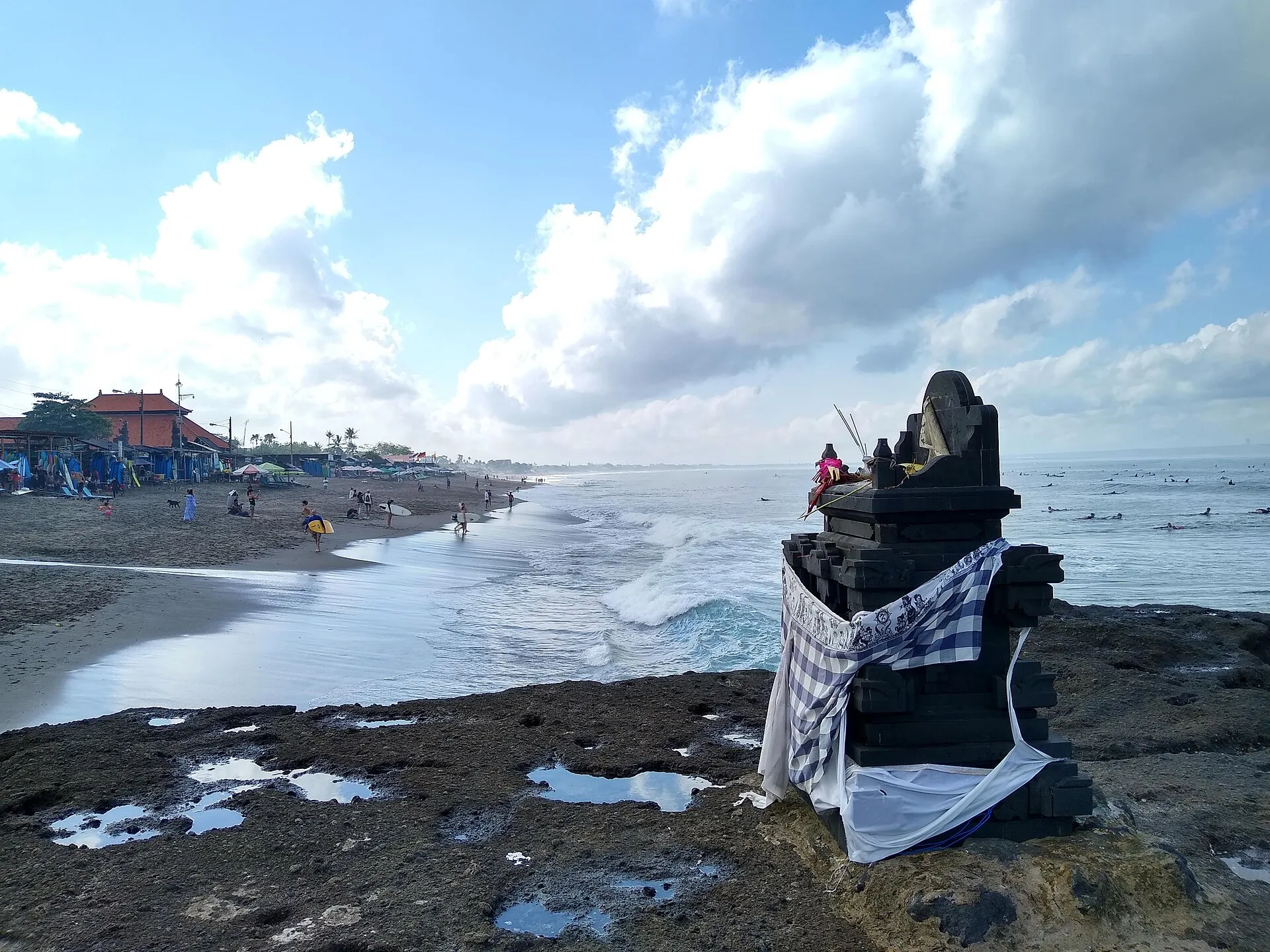
Start with what people go to Canggu for. Not long ago this was paddy and coconut groves behind a ten-kilometre beach, and photographs of that are still doing the selling. Development since the early 2020s has replaced much of the rice. Jalan Raya Canggu, the main road, is notoriously jammed, and the famous shortcut to Berawa, Jalan Anggrek, is a one-way lane too narrow for its purpose and often stuck as well. With no railway on the island, your scooter is your commute, your gym run and your dinner plan. Bali is still magnificent, with temples at the end of the beach road at Batu Bolong and offerings on the pavement every morning, but the calm you came for is an hour away, in another part of the island, behind the same traffic.
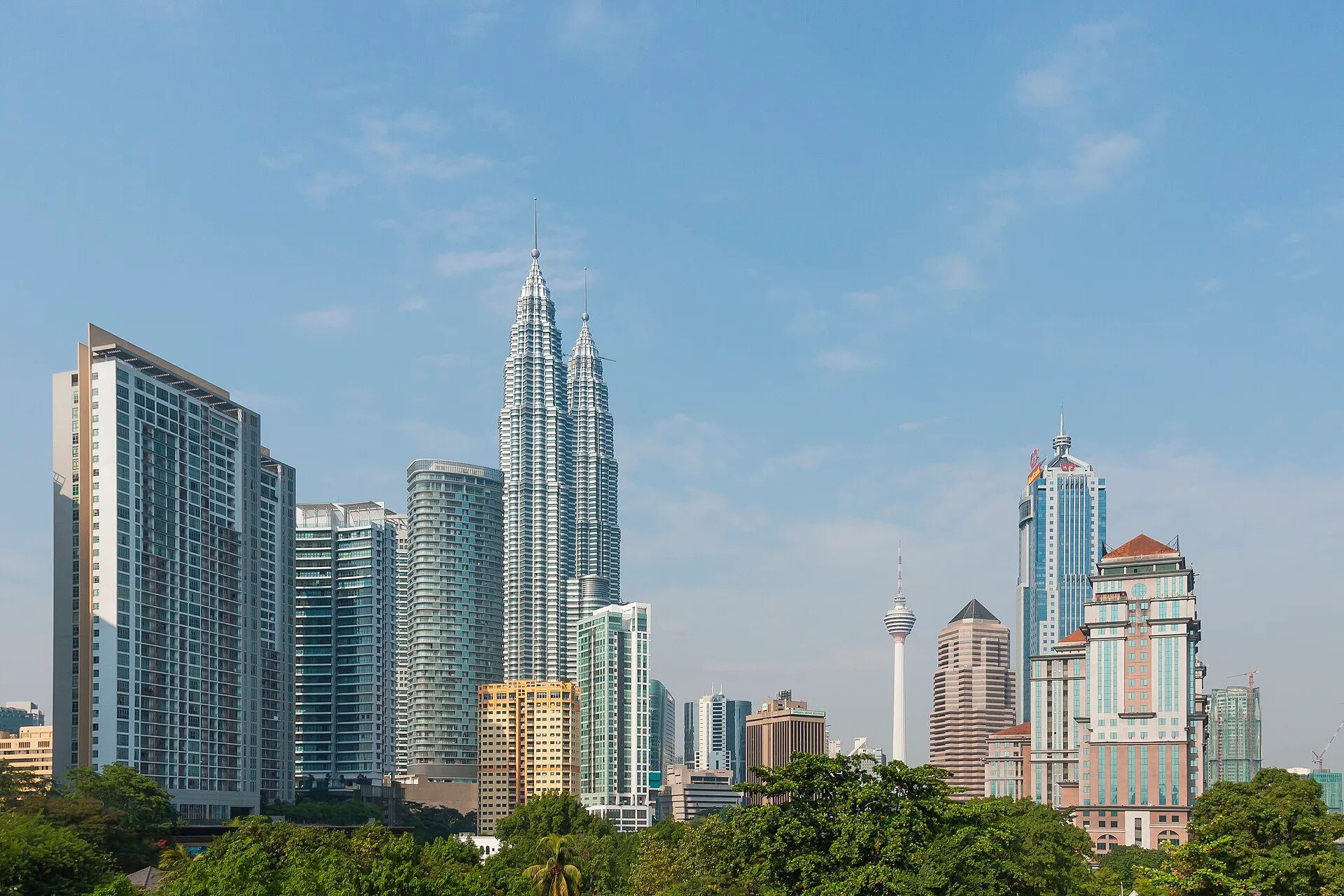
Now go to Kuala Lumpur, a metropolitan area of nearly nine million with the world's second-tallest building. At the foot of the KL Tower, in the city centre, 9.3 hectares of old tropical forest have been protected since 1906, with jungle trails open to the public. The Batu Caves, with their 272 steps and 42-metre golden statue of Murugan, are a commuter train ride from KL Sentral. Life can happen behind one door: a condo with a pool and a gym on a high floor, delivery at the lift, a mall connected to the station. For several weeks at a time, you can be far more alone here than you ever would in a villa in Canggu, if that is what you need.
Who you will meet
Being alone is the thing, though. Bali's chaos is mostly people, and many of them do what you do. You can sit down in a Canggu café on your second day and know somebody by the end of it, because this is what the place has been optimised for. Kuala Lumpur will feed you magnificently, from nasi lemak to Hokkien mee to banana-leaf curry, and it will speak English with you, then leave you entirely to yourself. Bangsar and Mont Kiara have foreign residents, but they have jobs and families and do not need to meet you.
So the island that looks like solitude is the social choice, and the city that looks like a crowd is the private one. Decide honestly which of these you lack.
Money, and the visa gap
Costs will not settle this. We estimate about $1,800 for a month in Kuala Lumpur and about $2,000 in Canggu, and central rents overlap: $490 to $1,100 for a furnished place in KL, $525 to $1,050 for a private one-bedroom in Canggu. Paperwork might. Malaysia's DE Rantau pass starts at about $24,000 a year and can run for up to two years. Indonesia's remote worker visa asks for about $60,000 a year and runs for one. If you earn well under the Indonesian figure, that may be the end of the discussion, at least for a long stay. Our visa comparison has the conditions for each.
Both share a clock, UTC+8, and both are soaked for part of the year, in different ways. Bali's monsoon runs roughly October to April, with the heaviest rain from December to March. KL has no real season off: at least 2,600 mm a year, some of the most frequent thunderstorms on Earth, and flash flooding in the centre when the drains give up. You soon learn to plan your afternoons around the sky.
One day a year, Bali shows what you were looking for. On Nyepi, next on 9 March 2027, the whole island stops for 24 hours from 6 a.m.: the airport closes, nobody may go onto a street or a beach, foreigners included, and lights stay low. You will see more stars than you have in years, and hear no scooters at all.
Here is where we land. If you are arriving alone and can meet the income bar, take Bali, and if the south wears you down, look east to Sanur, which is quieter and has a beach you can actually swim from. If you already have your people and your work is demanding, Kuala Lumpur is the better machine for living in, and you should try it for a month before you assume you need an island.
 United States
 United Kingdom
 Germany
 Canada
 Australia
 India