Cost of Living in Chamonix
Where this figure comes from. No cost survey covers Chamonix, so the $1,800 a month above is our own estimate rather than a measurement. On 416 of our 999 city guides the figure is built from a published Numbeo basket, a one-bedroom rent in the centre plus one person's monthly costs without rent, converted to USD; this city is not one of them. How we source everything.
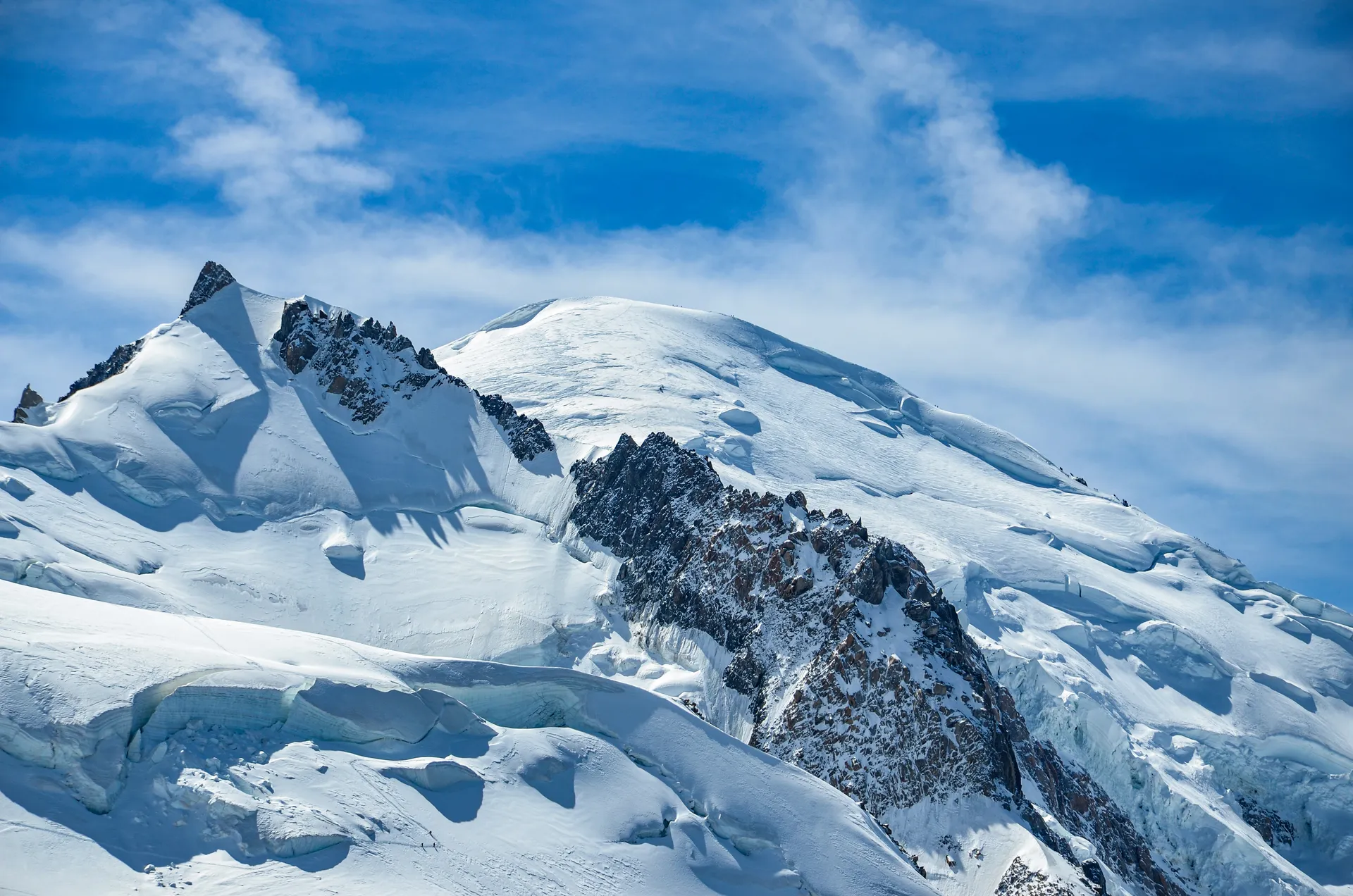
Chamonix is an honest splurge rather than a bargain base. As a world-famous alpine resort at the foot of Mont Blanc, it prices accordingly, and the two high seasons (winter ski and summer alpine) push rents and restaurant bills up sharply. A comfortable monthly budget lands roughly between $1,500 and $2,400, and can climb higher if you want a central studio in peak weeks. Savoyard dinners of fondue and tartiflette, lift passes and mountain gear all add up. Shoulder seasons (late spring and autumn) are calmer and cheaper. These figures are editorial estimates; shop around and consider a longer lease to soften the resort premium. The housing market here has a structural problem worth understanding before you look. A very large share of the valley's stock is second homes and seasonal lets, which means the long-term market is tiny and the people it squeezes hardest are the seasonal workers who run the lifts and the restaurants; a remote worker with a foreign income is competing in that same small pool. Start looking months ahead, take a longer lease than feels necessary, and look down the valley toward the villages rather than in the town, where the same money goes considerably further.
- Rent: a small central flat is dear, especially during ski and summer peaks; longer lets cost less.
- Eating out: Savoyard restaurants and mountain refuges are pricey; a good local menu is a treat, not a daily habit.
- Groceries: supermarkets in town keep costs sane if you cook; alpine convenience carries a markup.
- Activities: lift passes, ski hire and guiding are significant recurring costs for outdoor lovers.
Where to Work in Chamonix
Chamonix is a small mountain town, not a coworking hub, so temper expectations. There is no sprawling scene of desk spaces, though a handful of flexible offices and hotel lounges exist, and cafes in the pedestrian centre tolerate a laptop between the lunch and apres crowds. The saving grace is connectivity: fibre and 4G/5G reach the valley well, so a good apartment with reliable wifi is your most dependable office. Many remote workers here simply build a home setup, then break for the mountains. If you need buzzing communal workspace and networking events, a larger city suits you better; Chamonix rewards the self-directed, disciplined solo worker. An environmental fact belongs here rather than in the weather section. The valley is a road freight corridor as well as a resort, with heavy lorries running the tunnel under the massif, and in a temperature inversion the pollution sits in the valley bottom exactly where the town is. It is a long-running local controversy rather than a secret. The practical effect for a working day is that the air on a still winter morning at valley level can be worse than the mountains around you suggest, and that living a few hundred metres higher up genuinely helps.
Getting Around Chamonix
Chamonix is refreshingly walkable, with a compact pedestrian centre you can cross on foot in minutes. A free valley bus and the Mont-Blanc Express train link the string of villages from Servoz up to Argentiere and Vallorcine, so you rarely need a car for daily life. Lifts and mountain railways (the Aiguille du Midi cable car and the Montenvers rack railway to the Mer de Glace) carry you into the high mountains. Geneva and its international airport sit about an hour away by road, with regular shuttles and buses. A car helps for exploring wider Savoie, but parking in town is tight and pricey in season. The valley works better than its size suggests, for two reasons. Anyone staying in registered accommodation gets a guest card covering the valley bus and the local train at no charge, which turns a string of villages into one connected place and is on its own an argument for living away from the centre. Ask the landlord for it. And the train continues over the border into Switzerland, which is a beautiful line and a useful one, though it is an external frontier for customs even though both sides are in the passport-free zone.
Sorting transport? Book an airport transfer, or compare car rental on Auto Europe and QEEQ.
Visas for Chamonix
Chamonix is in France, part of the Schengen Area, so entry rules follow French and EU policy. Many visitors from visa-exempt countries can stay up to 90 days in any 180-day period without a visa, which suits a season of skiing or a summer of hiking. For longer stays, France offers a long-stay visa (VLS-TS), including options aimed at remote workers, visitors of independent means and the self-employed; requirements typically cover proof of income, accommodation and health insurance. Factor in processing time and paperwork if you plan to overwinter. A wrinkle specific to this valley: the Swiss border is fifteen minutes up the road and the airport most people use is on the other side of it, which means a routine transfer crosses a frontier that is inside the passport-free area but outside the customs union. Nobody checks a passport and everybody may be checked for goods. The Entry/Exit System now does that counting biometrically at the external border, which for most people bound for this valley is passport control at Geneva airport, so nobody needs to inspect a page of stamps to know where they stand.
Best Time to Visit Chamonix
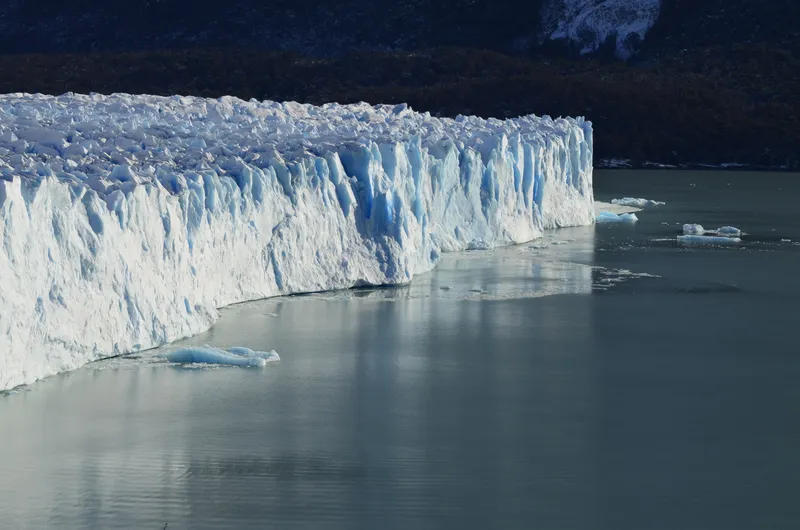
Chamonix has two clear peaks. Winter, roughly December to April, delivers snow, skiing and the famous off-piste of the Vallee Blanche, with the town at its liveliest and priciest. Summer, June to September, brings hiking, trail running (the town hosts the UTMB ultra race) and high-alpine climbing, with cool, changeable weather at altitude. The shoulder seasons, late spring and autumn, are quieter and cheaper, though some lifts and businesses close and mountain conditions can be unsettled. Choose winter for snow sports, summer for trails and long days, and the shoulders for calm and value if you can accept fewer services. One number makes the seasons concrete in a way a calendar does not. The glacier that the rack railway was built to reach has lost so much length and depth over the past century that the staircase down to it has been extended repeatedly, and the descent from the station to the ice now runs to several hundred steps where it was once a short walk. Markers on the rock show where the surface stood by decade. It is the most legible piece of evidence about the climate anywhere in the Alps, it is a twenty-minute train ride from the town, and it is worth seeing early in a stay rather than late.
Pros and Cons of Chamonix
Chamonix is a dream for anyone who lives to be in the mountains, and a stretch for anyone chasing a cheap, year-round urban base. The setting is simply world-class, the air is clean and the outdoor access is unrivalled in western Europe, but the resort economy, strong seasonality and small-town social scene are real trade-offs for a remote worker. Weigh what you value: if peaks and trails outrank nightlife, coworking and low costs, the balance tips firmly in Chamonix's favour. Weigh it honestly before committing to a longer stay, especially outside the two busy seasons. What deserves saying plainly is the risk, because the marketing does not. This valley has a long history of fatal accidents in the mountains above it, avalanche and rockfall are ordinary rather than exceptional, and the high routes that draw people here kill a number of them every year. None of that is a reason to stay away and all of it is a reason to take the local advice seriously, hire a guide for anything glaciated, and read the bulletin every morning in winter. The other honest note is money. A valley this famous is expensive in every direction, and the people who live here year-round are mostly either well paid remotely or working two seasonal jobs.
- Pros: world-class alpine scenery and outdoor access; clean mountain air; walkable town with a lively pedestrian centre; decent fibre internet; Geneva airport about an hour away.
- Cons: expensive resort pricing; strong seasonality with quiet shoulders; small community and thin coworking scene; changeable high-altitude weather; peak-season crowds and tight parking.
Who Chamonix Is For
Chamonix suits the outdoor-obsessed remote worker who will trade a big-city social life and low costs for daily access to serious mountains. Skiers, climbers, hikers and trail runners will feel they have found home, especially if they can work independently from a well-connected apartment and structure their days around the weather and the lifts. It fits couples and solo adventurers more than those craving a buzzing nomad crowd or a cheap long-term base. If your idea of a good life is a screen by morning and the Mont Blanc massif by afternoon, few places in Europe compete. A practical shape: come for a season rather than a month, because the lift pass, the lease and the rhythm of the place are all built around one. Winter from December and summer from June are the two, and the shoulder weeks between them are cheap, quiet and largely closed. Live down the valley rather than in the town, where the rent is lower and the train is free with the guest card. And be honest about the fitness required; the thing that makes people happy here is doing the mountains rather than looking at them, and the gap between those two is where a season goes wrong.