Cost of Living in La Serena
Where this figure comes from. No cost survey covers La Serena, so the $1,000 a month above is our own estimate rather than a measurement. On 416 of our 999 city guides the figure is built from a published Numbeo basket, a one-bedroom rent in the centre plus one person's monthly costs without rent, converted to USD; this city is not one of them. How we source everything.
Budget around $1,000 a month as a solo remote worker in La Serena, which is good value for Chile and below Santiago or Valparaiso. A one-bedroom apartment runs roughly $350 to $550, rising through the January and February holiday season when Chilean families fill the coast. Groceries are moderate by Chilean standards, which are the highest in South America, and wine and produce are cheap. Utilities are low because the climate is mild year-round and neither heating nor cooling is much needed. Eating out is reasonable and the seafood along the coast is excellent value. Rents in Chile are often quoted in unidades de fomento, an inflation-indexed accounting unit rather than pesos, so the figure on the contract climbs quietly each month even when the headline number looks fixed. Expect to be asked for a guarantor or several months up front as a foreigner with no Chilean credit history. The January and February spike is steep enough that some long-stay renters simply leave for those two months and return in March. Imported electronics are expensive and worth bringing rather than buying, while anything grown in Chile, from avocados to wine, is cheap.
Where to Work in La Serena
Chile leads South America on connectivity and La Serena is well served, with fast fibre available across the city at reasonable prices and reliable mobile coverage. A small coworking presence exists, and the Universidad de La Serena and the astronomy sector give the city a professional population unusual for its size. The observatory operations in the Elqui valley bring an international scientific community that has been here for decades. Power is reliable. For remote work this is one of the more dependable options in South America. The observatory sector also means the region has better technical infrastructure than a coastal town of this size would otherwise justify. The time zone is the underrated asset here. Chile sits within an hour or two of United States eastern time depending on the season, which makes a normal North American working day entirely workable without early mornings or late nights. That is rare on this continent and it is the main reason people choose Chile over cheaper neighbours. Working in Spanish is close to obligatory outside the university and the observatories, since English is thinner on the ground here than in Santiago.
Getting Around La Serena
La Serena's colonial centre is compact and walkable, and the long beach connects it to Coquimbo four kilometres south along an avenue lined with the city's lighthouse and promenade. Local buses and colectivo shared taxis cover both cities cheaply. La Florida airport has domestic connections to Santiago. Long-distance buses run north to the Atacama and south to the capital in about six hours. The Elqui valley, the observatories and the pisco distilleries all lie inland and need a car or a tour. Cycling along the seafront is practical. Coquimbo next door has the fishing port and a rougher character, and the two cities function as one for most practical purposes. The long-distance coaches are genuinely comfortable, with fully reclining seats on the overnight Santiago services, so taking one at night rather than flying saves both a fare and a hotel. Ruta 5, the Panamericana, runs straight through, which makes the drive north towards the Atacama easy going. Between those two inland options, self-driving wins for anyone staying more than a day: the organised trips are built around the observatories' booking slots and leave almost no time for the villages, the distilleries or the walking, all of which are the reason to go up there in the first place.
Sorting transport? Book an airport transfer, or compare car rental on Auto Europe and QEEQ.
Visas for La Serena
Chile grants most Western nationals ninety days visa-free on arrival, extendable once for a further ninety days. There is no dedicated Chilean digital nomad visa, though a temporary residence permit exists for people with independent income and Chile has generally been open to longer stays. Peru is a long way north and Argentina over the Andes, so an overland reset is a substantial journey. Chile's agricultural import controls are enforced strictly at every border and airport, and undeclared food attracts a large fine regardless of intent. Anyone driving in from Argentina should expect the Andean passes to close in winter, sometimes for days at a time. Keep the tourist card issued on arrival, since it is asked for on departure and replacing it means a trip to the investigations police. Anyone staying long enough to want a phone contract, a bank account or a rental agreement will run into the RUT, the Chilean tax identity number, which threads through everything administrative and is obtainable without residence but not without effort. Overstaying carries a fine payable before you are allowed to leave, so it is a problem best not deferred to the airport.
Best Time to Visit La Serena
La Serena has one of the most even climates in this dataset, with warm dry summers around twenty-four and mild winters around fifteen, so the season matters less here than almost anywhere. January and February are the Chilean holidays, when the beach fills and prices rise. March to May and September to November are the quiet and comfortable months. The coastal camanchaca fog rolls in on many mornings and burns off by midday. Inland in the Elqui valley the skies are famously clear, which is why the observatories are there. The sea is cold all year, because the Humboldt current runs up this coast from the far south, so the beach is for walking and looking rather than long swims whatever the air temperature says. Stargazing is planned around the moon rather than the season: the observatories and the valley lodges book out around each new moon, and a full week of full moon is the one time those clear skies are wasted. In years of unusual winter rain the desert to the north flowers, the desierto florido, which is worth rearranging plans for and cannot be predicted far ahead.
Pros and Cons of La Serena
La Serena combines a colonial centre, a long beach, a genuinely mild year-round climate and the Elqui valley inland, where the clearest skies in the world support a cluster of international observatories and a pisco industry. Chilean infrastructure and connectivity are the best in South America. Chile is expensive by the standards of the region, Chilean Spanish defeats most people who arrive with textbook Spanish, street crime has risen across the country in recent years, and the town goes quiet once the summer season ends. The camanchaca fog also means that mornings are frequently grey even in summer, which surprises people who booked on the sunshine figures. This is a seismically active coast, and both La Serena and Coquimbo have tsunami evacuation routes marked on the streets, which is ordinary life in Chile and worth understanding on arrival rather than ignoring. And the city is genuinely distant: Santiago is six hours by road, so the things a capital provides, specialist medicine, an international airport, a wider job market, are a journey rather than a taxi ride.
Who La Serena Is For
A mild coastal base with reliable infrastructure, at Chilean prices, and astronomy is the particular draw, since the Elqui observatories are the real thing rather than a curiosity. It works for those with Spanish. A budget stretches considerably further in Peru or Bolivia than it does in Chile, no large international community has settled here, and this is a coastal town rather than a lively city, which is the whole of its character and also its limit. There is a positioning argument too. The Atacama is within reach from here without anybody having to commit to living in the desert, which is a compromise the region does not otherwise offer. It suits a slow stay rather than a short one, and the people who settle tend to be those who wanted the climate and the quiet in equal measure: writers, researchers, families, anyone recovering from a stretch of somewhere louder. Weighed against Vina del Mar, La Serena is smaller, cheaper and closer to the desert, trading Valparaiso's energy and disorder for a great deal more calm and a great deal less to do on a Tuesday night.
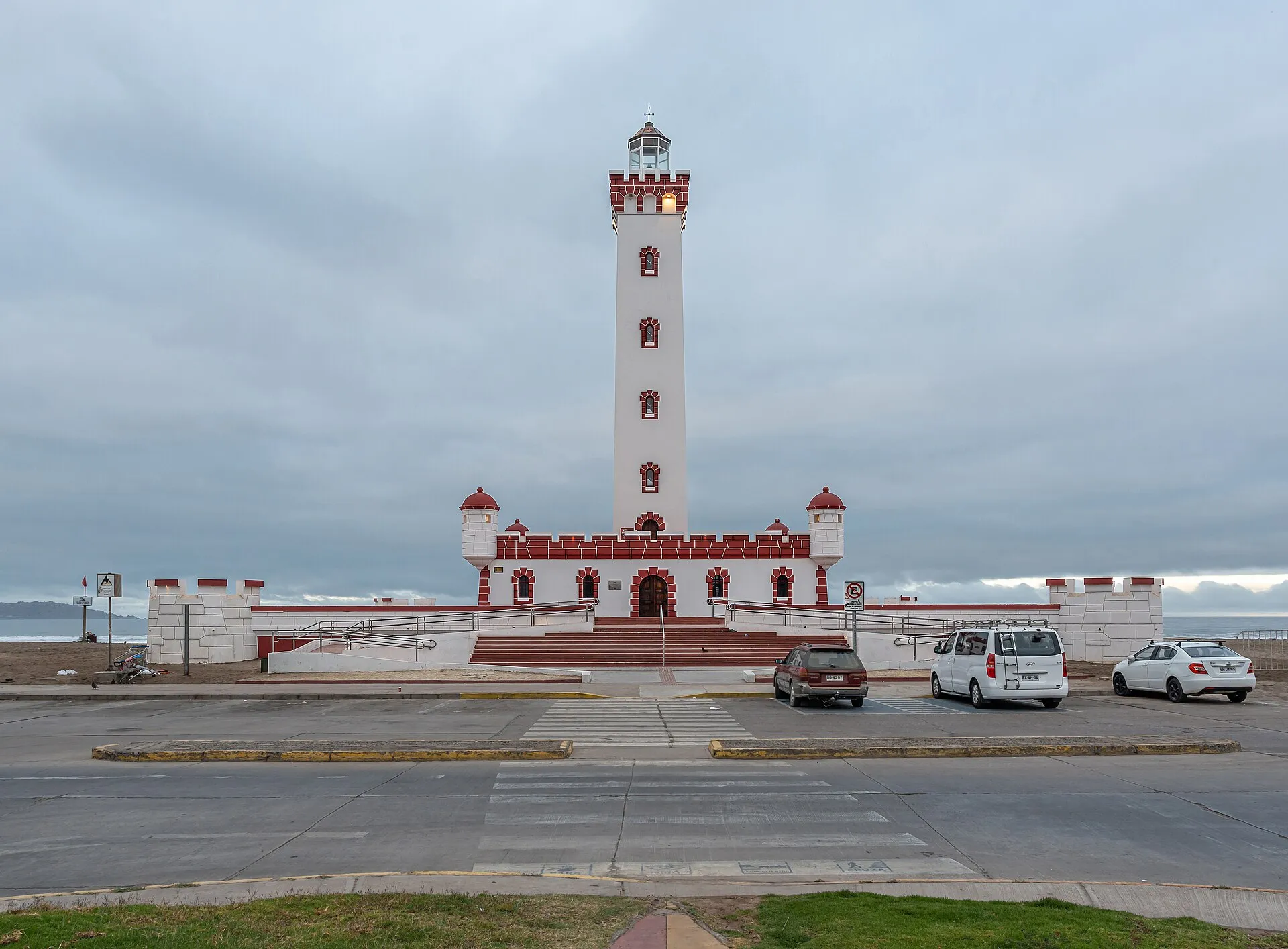 Photo: Rjcastillo / Wikimedia Commons (CC BY-SA 4.0)