Cost of Living in Weligama
Where this figure comes from. No cost survey covers Weligama, so the $800 a month above is our own estimate rather than a measurement. On 416 of our 999 city guides the figure is built from a published Numbeo basket, a one-bedroom rent in the centre plus one person's monthly costs without rent, converted to USD; this city is not one of them. How we source everything.
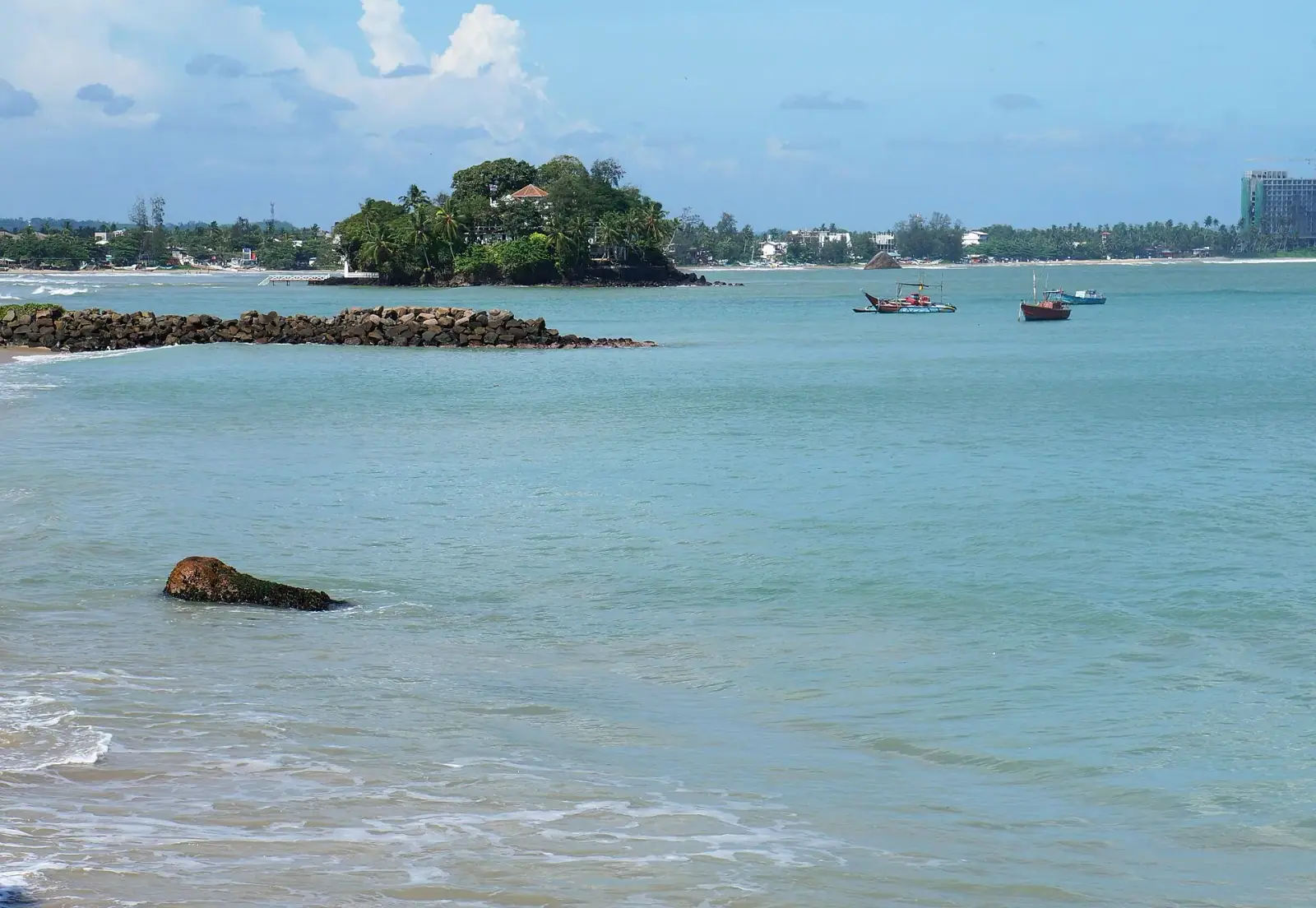
Weligama is one of Sri Lanka's most affordable beach towns for remote workers. A comfortable solo nomad budget runs around $550-1,040 per month depending on your lifestyle choices.
- Rent (central/beach area): $240-385 for a private room or studio with AC and WiFi; long-stay deals push this lower
- Rent (inland/quieter areas): $120-195 for a basic private room a few streets back from the bay
- Groceries: $45-74 per month cooking at home; local markets and Keells supermarket keep costs low
- Eating out (local rice and curry): $2.50-4.50 per meal; Western cafe meals run $4.50-10
- Coworking hot desk: Around $10 per day at Outpost; Plan B runs lower at roughly $5.50-7.50 per day
- Local transport: Tuk-tuks $1-2 per short ride; motorbike rental around $9 per day or $89 per month
- Total monthly range: $550 on a lean budget to $1,040 for a comfortable setup with coworking and regular cafe meals
Prices spike 20-30% during peak season (December-February) for accommodation, so lock in longer-term rates before you arrive if you plan to stay through the busy months.
Where to Work
Weligama has a surprisingly solid coworking and cafe-work scene for a small surf town.
Dedicated Coworking
Outpost Weligama is the most professional option, with two AC rooms, standing desks, private video call booths, and fiber internet on backup power. Day passes run around $12. It sits 30 meters from the beach, which is either a perk or a distraction depending on your focus level.
Plan B doubles as a cafe and coworking space near the main market junction. WiFi is fast, there is AC, ergonomic seating, and a cafe on-site. It is consistently named the most reliable spot for all-day work. Daily rates hover around $6-8.
Pasijou offers a garden setting, backup generator power, and free unlimited WiFi. It is quieter and more boutique, with food, beanbags, and occasional cinema nights.
Laptop-Friendly Cafes
Nomad Cafe on Matara Road is built for remote workers: plenty of power sockets, consistent WiFi, and strong coffee. Soul Temple near the beach is better for a morning session than a full workday. Most cafes in town tolerate laptop workers, but you will want to buy food or drink every hour or two as a courtesy during busy periods.
The Real WiFi Situation
Dedicated coworking spaces are reliable. Guesthouse WiFi is inconsistent. Grab a Dialog or Mobitel SIM on arrival (available at the airport); Dialog 4G covers the area well and gives you a reliable mobile backup. Power cuts happen, especially in wet season, so working from a space with a generator matters if you are on a deadline.
Getting Around
Weligama is compact and most of the beach strip, cafes, and markets fall within a 15-minute walk of each other. You can manage without a vehicle for the first week, but a scooter rental opens up nearby spots like Midigama, Ahangama, and Mirissa without depending on tuk-tuks for every trip.
- On foot: Central Weligama is walkable but pavements are patchy; expect to share the road with tuk-tuks and motorbikes
- Tuk-tuk: $1-2 for short hops; agree on the price before you get in
- Motorbike/scooter: Around $9 per day; monthly rates drop significantly; international driving permit required in theory, rarely checked in practice
- Local bus: Very cheap at about $0.50, connects to Galle and Matara, but schedules are unpredictable
- Train: Weligama has a station on the Colombo-Matara line; trains are slow but scenic and cost $1-1.50 to Galle
Getting to and from the Airport
Bandaranaike International Airport (CMB) is in Colombo, roughly 150 km away. The most common route is a train from Colombo Fort to Weligama station (3-4 hours, $1-1.50) or a private taxi for around $24-36 that takes 2.5-3 hours depending on traffic. Budget 3-4 hours of travel time minimum.
Sorting transport? Book an airport transfer, or compare car rental on Auto Europe and QEEQ.
Visas and Staying Long-Term
Sri Lanka introduced significant visa changes in early 2026. Most Western passport holders (UK, US, EU, Australia, Canada) enter on a tourist ETA that allows 30 days on arrival, extendable up to 270 days total through the Department of Immigration. Applications go through eta.gov.lk before travel.
Sri Lanka launched a dedicated Digital Nomad Visa in early 2026, valid for up to 5 years and open to remote workers earning at least $1,500 per month from employers or clients outside Sri Lanka. The fee is approximately $490. Spouses and dependent children under 18 can be included without separate income proof. Visa holders cannot work for Sri Lankan companies or clients.
A new extended tourist visa also allows stays of up to 180 days in a single visit.
Best Time to Visit
Weligama's southern coast runs on two seasons driven by the monsoons. The dry season from November through April is the peak window: clear skies, calm seas, consistent surf, and warm temperatures in the 27-30 degrees Celsius range. December through February is the busiest period with higher accommodation prices and a more energetic social scene.
The southwest monsoon arrives May through October, bringing heavy rain, rougher surf, and noticeably fewer visitors. Prices drop by 20-30%, the town is quieter, and the surf actually gets bigger (good for experienced surfers, not ideal for beginners). Short windows of clear weather still appear, but you cannot plan around them.
For remote work, January through March offers the best balance: reliable weather, stable power (fewer storm-related outages), and an active nomad community. If budget is your priority and you do not mind the occasional rainy day, June through August is a reasonable shoulder compromise.
Pros and Cons
- Pro: Very low cost of living by global standards, one of Southeast Asia's most affordable nomad bases
- Pro: Genuine surf culture, beginner-friendly waves, and surf lessons under $20
- Pro: Small but active nomad community; easy to meet people at coworking spaces and beach cafes
- Pro: Great food scene for a town this size, with local rice-and-curry spots and quality cafes within walking distance
- Pro: Close to Galle Fort, Mirissa whale watching, and the hill country for weekend escapes
- Pro: Warm, walkable, and relatively easy to navigate as a newcomer
- Con: Guesthouse WiFi is often unreliable; you need a coworking space or SIM for consistent connectivity
- Con: Power outages happen, especially during wet season; not all accommodation has generator backup
- Con: The road running through town is chaotic with motorbikes, tuk-tuks, and no consistent pavement
- Con: Solo female travelers report occasional street harassment, particularly in quieter areas at night
- Con: Medical facilities are limited; Colombo or Galle is the nearest option for anything serious
- Con: Peak season (December-February) prices and crowds can strip away the laid-back quality that makes Weligama appealing
Who Weligama Is Best For
Weligama suits you well if you want a genuine low-cost beach base where the surf, food, and nomad infrastructure all exceed what you would expect from a town this size. It is a natural fit for budget-conscious remote workers who do not need a city's amenities, beginner and intermediate surfers who want to mix work and water, and anyone leaving behind expensive European or North American rent who wants to stretch their income significantly.
It also works well for a first visit to Sri Lanka before heading to the hill country or the cultural triangle: you get a functioning base, easy logistics, and a low-stress entry point.
Skip Weligama if you depend on fast, reliable internet in your accommodation (coworking spaces solve this, but you have to commute to them), if you need strong hospital access, or if you find small beach towns claustrophobic after more than a few weeks. Those who have stayed longer than a month often note the town can feel repetitive. A two to six week stay is the sweet spot for most nomads before exploring elsewhere on the island.