Cost of Living in Nuwara Eliya
Where this figure comes from. No cost survey covers Nuwara Eliya, so the $800 a month above is our own estimate rather than a measurement. On 416 of our 999 city guides the figure is built from a published Numbeo basket, a one-bedroom rent in the centre plus one person's monthly costs without rent, converted to USD; this city is not one of them. How we source everything.
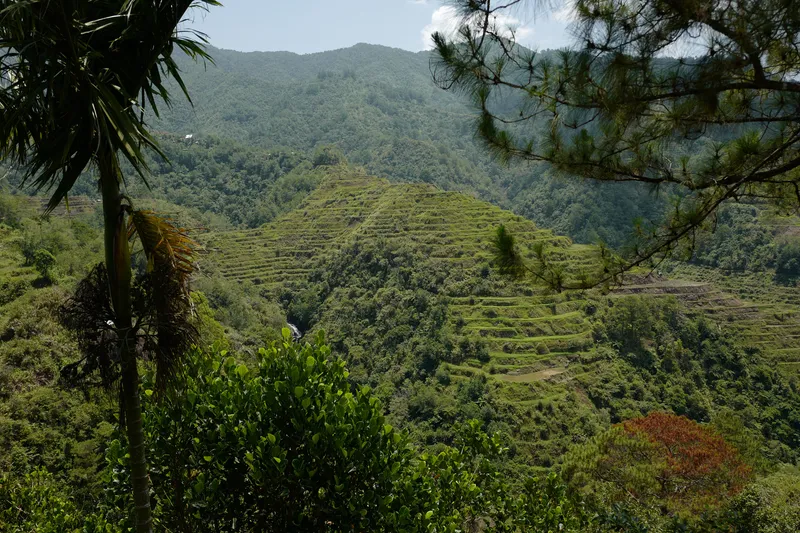
Nuwara Eliya is affordable, and a slow-travelling nomad can live comfortably here on roughly $600 to $1,200 a month depending on comfort and season. Guesthouse rooms and small apartments are cheap outside the busy April season, local rice-and-curry meals cost only a few dollars, and tea, vegetables and produce are inexpensive in the central market. Costs climb during the peak season when Sri Lankan holidaymakers fill the town. Heating is rarely built in, so budget for warm layers and the occasional hot-water surcharge rather than air conditioning. The terraced slopes around the town are the island's up-country vegetable garden, so carrots, leeks and cabbages in the central market are cheap and fresh, while anything imported comes up the winding hill road at a premium. In a town of about 27,500 people the shops are small and the choice is narrow, so bring any specific medicine or kit from Colombo or Kandy.
- Guesthouse or simple apartment: roughly $250 to $600 per month, more in April
- Local rice and curry or short eats: $1.50 to $4 per meal
- High tea or a hotel restaurant meal: $10 to $25 as an occasional treat
- Tuktuk rides around town: a dollar or two
- Mobile data SIM with a monthly bundle: around $5 to $10
Where to Work in Nuwara Eliya
Tea pays the bills in Nuwara Eliya and laptops do not: no dedicated coworking space exists in town, and nothing works as a nomad hub, which shapes every choice about where you sleep and how you get online. Wifi in guesthouses and cafes is genuinely variable, sometimes fine and sometimes slow or dropping out, so treat any accommodation listing's wifi claim with healthy skepticism and ask for a speed test or a recent guest's word. The reliable move is a local SIM from Dialog or Mobitel with a generous data bundle, used as your primary connection or a hotspot backup. Colonial hotel tea rooms and a handful of cafes make pleasant work perches for a few hours.
- Buy a Dialog or Mobitel SIM on arrival and load a data bundle
- Work in short focused blocks; expect the odd outage during heavy mist and rain
- Colonial-hotel lounges and lake-view cafes suit light laptop sessions
Getting Around Nuwara Eliya
The town itself is small and walkable, with Victoria Park, the racecourse and the market all within a stroll, though the altitude and hills can leave you a little breathless at first. Tuktuks handle everything else cheaply, and hired drivers are the sensible choice for day trips to Horton Plains, World's End and the tea estates. The famously scenic hill-country train does not stop in the town centre; the nearest station is Nanu Oya, about 8km away, on the line that threads through tea fields between Kandy, Ella and Badulla. Roads here are winding and slow, so plan generous travel times. For the high plateau park the nearest railway stations are Pattipola and Ohiya, and polythene is banned inside the park after sambar deer died from eating plastic litter, so pack a day's food in paper or boxes rather than bags.
- Walk the compact town centre; tuktuks for short hops
- Nanu Oya station, about 8km out, is your rail gateway to Kandy, Ella and Badulla
- Hire a driver for Horton Plains, World's End and estate visits
- Buses connect the region cheaply but are slow on the winding roads
Sorting transport? Book an airport transfer, or compare car rental on Auto Europe and QEEQ.
Visas for Nuwara Eliya
Sri Lanka is entered on a tourist visa, historically arranged through the online ETA system, and the rules and fees have changed more than once in recent years. Sri Lanka does now have a dedicated route for remote workers in its Digital Nomad Visa, a one-year residence visa from the Department of Immigration and Emigration that is renewable annually, costs $500 a year per person and needs at least $2,000 a month remitted from work for clients or employers abroad. Keep proof of onward travel and funds handy. Past the first thirty days, an extension can be requested on the immigration department's website, which matters in a town that sits a long day's drive from the capital.
- Apply through Sri Lanka's official ETA or visa portal, not third-party resellers
- A Digital Nomad Visa exists for remote workers; most visitors still arrive on a tourist ETA
Best Time to Visit Nuwara Eliya
Roughly December to May is the driest and most popular window, and April is the high "season" when the town fills for horse racing, flower shows and the Sinhala and Tamil New Year, so accommodation books out and prices rise. Nuwara Eliya stays cool and often misty all year thanks to its 1,900m altitude, so pack warm layers whatever the month; evenings can be genuinely cold. The inter-monsoon and monsoon periods bring frequent rain and thick mist that can swallow the views, which is worth planning around if hiking and tea-country scenery are your reasons for coming. The averages explain the packing list: the mean annual temperature is about 16 degrees, clear nights in the cooler months can bring frost, and October and November are usually the wettest months, so a stay then means accepting days on end of drizzle and cloud.
- December to May: driest, clearest, busiest and priciest
- April: peak season with racing, flowers and New Year crowds
- Cool and misty year-round; bring warm layers and a rain shell
- Monsoon months bring heavy rain and mist that can hide the views
Pros and Cons of Nuwara Eliya
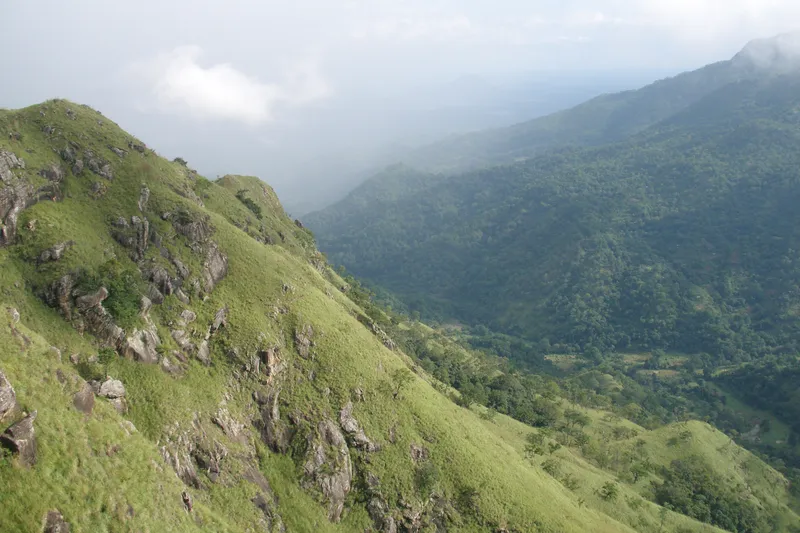
Nuwara Eliya is a rare cool-climate escape in tropical Sri Lanka, wrapped in emerald tea estates and colonial "Little England" charm, and it is cheap, scenic and relaxed. Those are real draws for a slow, restorative stay. The trade-offs are just as real: infrastructure is modest, wifi is unreliable, there is essentially no nightlife and only a tiny tourist rather than nomad scene, and the mist and rain can settle in for days. It is a place to breathe, hike and drink good tea, not to plug into a buzzy remote-work community or count on flawless connectivity. The scenery has real superlatives behind it: Pidurutalagala, the highest mountain in Sri Lanka, rises right above town, and World's End on the Horton Plains drops some 870 metres in one sheer cliff, a morning trip from here if you get there before the mist closes in.
- Pros: cool climate, gorgeous tea-country nature, low cost, colonial character, clean air
- Pros: superb hiking and the scenic hill-country train nearby
- Cons: variable wifi and modest infrastructure
- Cons: near-zero nightlife and a small tourist, not nomad, scene
- Cons: frequent mist and rain in the wetter months
Who Nuwara Eliya Is For
Nuwara Eliya suits the traveller who wants to slow right down in cool, misty hill country, swap tropical heat for tea, cardigans and long walks, and does not need fast wifi or a social nomad scene to be happy. It rewards hikers, tea lovers, photographers and anyone charmed by faded colonial atmosphere and emerald plantation views. If your work can tolerate patchy connectivity, or you treat this as a scenic pause between more connected bases like Kandy or Ella, it can be a lovely, affordable retreat. If you need reliable internet and a lively community, base elsewhere and visit for a few days.
- Cool-climate seekers escaping tropical heat
- Hikers, tea enthusiasts and photographers
- Slow travellers who can work around patchy wifi
- Anyone charmed by colonial atmosphere and tea-estate scenery