Cost of Living in Ella
Where this figure comes from. No cost survey covers Ella, so the $900 a month above is our own estimate rather than a measurement. On 416 of our 999 city guides the figure is built from a published Numbeo basket, a one-bedroom rent in the centre plus one person's monthly costs without rent, converted to USD; this city is not one of them. How we source everything.
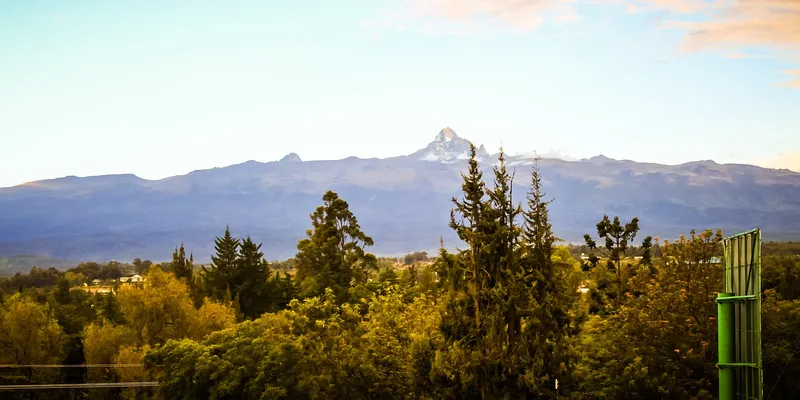
Ella is affordable, a small hill-country village where costs stay low despite its popularity with travellers. A comfortable single-person budget runs roughly $700 to $1,100 a month. Guesthouse rooms and cabins, many with sweeping valley or tea-plantation views, rent long-term for about $200 to $450, and local rice-and-curry meals cost just a couple of dollars. These are our editorial estimates in US dollars, shaped by Sri Lanka's post-2022 price rises. Traveller-focused cafes charge a little more, but staying and eating local keeps a monthly budget in this scenic village very manageable. Where the room sits decides the price more than anything else. A cabin ten minutes up the hill with the same view costs perhaps half what the equivalent on the main strip does, and the walk is the whole difference. Negotiate monthly rather than nightly and the gap widens further, because owners here would rather have a guaranteed low season than an empty one. Budget separately for the tuk-tuk: a driver hired for a full day of waterfalls and viewpoints costs more than two days of food, and almost everyone does it at least weekly.
- Guesthouse room or cabin, long stay: roughly $200 to $450 a month
- Rice and curry at a local spot: roughly $2 to $3
- Tuk-tuk to a trailhead or the Nine Arch Bridge: a couple of dollars
- Scenic hill-country train ticket: a few dollars
Where to Work in Ella
Ella is a hiking and backpacker village rather than a remote-work base, so set expectations accordingly. Internet is the main limitation: fibre and 4G reach the village but speeds are modest and can drop, and the hilly terrain and frequent mist do not help, so test any accommodation's connection carefully before relying on it for calls. Dedicated coworking does not exist; a scattering of traveller cafes with valley views serve as informal work spots. A Dialog or Mobitel SIM is a sensible backup. Ella suits someone with light connectivity needs who wants a beautiful, restful base rather than a place for constant meetings. What shapes the day here is the cloud rather than the bandwidth. It tends to fill the valley from late morning through the afternoon in most months, which takes the view away and, more to the point, brings the damp indoors; laptops and cameras live better in a dry bag with silica than on a windowsill. The practical consequence is that the good working hours are the early ones, before the mist and before the day-trippers arrive off the train. Anyone who has to be reachable in the evening should check whether the village power holds through a storm.
Getting Around Ella
Ella itself is tiny and walkable, a single main street with cafes and guesthouses, and most of the famous sights are reached on foot or by a short tuk-tuk ride. The big draw is the train: Ella sits on one of the world's most beautiful railway lines, winding through tea country between Kandy, Nuwara Eliya and Badulla, and the ride is an experience in itself. Tuk-tuks handle trips to trailheads for Little Adam's Peak, Ella Rock and the Nine Arch Bridge. The nearest airport is Colombo's, a long but scenic journey away by road or rail. The photographs leave out two things about the train. Reserved seats on the hill line sell out well in advance in season, and the unreserved carriages are standing room for hours, which is romantic for one journey and tiring for two. The bridge everyone photographs also has a published timetable, so you can stand in the right place at the right hour instead of waiting half a day. In the village itself, agree the tuk-tuk fare before getting in; the drivers on the main street quote for tourists and the ones a street back do not.
Sorting transport? Book an airport transfer, or compare car rental on Auto Europe and QEEQ.
Visas for Ella
Most visitors enter Sri Lanka on an Electronic Travel Authorization, granting a 30-day stay applied for online before arrival. It can be extended at the immigration office in Colombo, commonly to 90 days and, with further paperwork, up to six months, which makes a longer stay realistic without leaving the country. Overstaying carries fines, and visa policy has changed several times in recent years, so treat secondhand advice with caution. A couple of mechanics worth having straight. The thirty days run from the date you land rather than the date the authorisation is granted, so applying early costs you nothing. At the counter, an onward ticket and evidence that you can support yourself are both occasionally asked for, and the extension office will definitely want them, so keep a booking and a bank screenshot to hand rather than improvising. Medical cover has come and gone as a formal requirement more than once, which is a reason to carry it whether or not anyone asks.
Best Time to Visit Ella
Ella sits in Sri Lanka's cool hill country, so it is fresher and greener than the coast, with mild days and cool evenings year-round. The drier, clearer weather tends to run from around December to March, which is the best time for hiking and for those famous long valley views, though the hills can cloud over and drizzle at any time of year. Other months bring more frequent mist and afternoon showers, which keep the tea slopes lush but can obscure the scenery. For reliable hiking weather and open views, aim for the drier winter months. The island has two monsoons and this village sits awkwardly between them, which is why the weather here rarely matches whatever the forecast says for the coast. Assume cloud after eleven and plan the walks for dawn. Sunrise on the nearest peak is the standard ritual and the path is genuinely busy by six in season, so going an hour earlier is the only way to have it quietly. In the wetter months the trails carry leeches, which are harmless and deeply unpleasant; long socks solve it and nothing else does.
Pros and Cons of Ella
Ella offers some of Sri Lanka's most beautiful scenery in a tiny, relaxed package. Tiny is the part to take seriously. This is one street with a few dozen businesses on it, almost all of them serving travellers, and the population you will meet turns over completely every four or five days. That has an odd effect over a month: the scenery never stops being extraordinary but the human side of the place resets constantly, and people who stay long describe a particular loneliness that has nothing to do with being alone. It also means there is no local economy to plug into, no professional circle, and nothing to do on a wet Wednesday evening. Set against that, you can walk out of the door into tea terraces and a waterfall before breakfast, for a rent that would not cover a week almost anywhere comparable. Three weeks is bliss. Three months is a different proposition entirely, and worth thinking through properly before booking.
- Pros: stunning hill-country and tea-plantation scenery, superb hiking to viewpoints, the iconic Nine Arch Bridge and the world-famous scenic train, a cool climate, good air, low costs, safety and widely spoken English.
- Cons: a very small village with limited amenities, weak and inconsistent internet, no coworking or real nomad community, minimal nightlife, and crowds and rising prices at the height of the tourist season that can dent the tranquillity.
Who Ella Is For
Ella is for the nature-loving nomad who wants to wake up to tea-covered hills and misty valleys and can work comfortably with light connectivity. Hikers, photographers and anyone craving cool mountain air, waterfalls and slow village life will love it, and the easy English and low costs smooth daily life. It works best as a restful, scenic base for shorter stays or flexible, low-bandwidth work rather than a long-term hub. It is a poor fit for those who need fast, guaranteed internet, a coworking community or any nightlife. Come in the drier season, take the train in, and let the hills set the pace. Pair it rather than settle in it. The standard rhythm that works is two or three weeks here, then the same again somewhere with a real connection and a supermarket, on repeat; the hill country is close enough to the coast and to the bigger hill towns that this costs almost nothing in travel. Anyone bringing a partner will find the village more sustainable than a solo traveller does, simply because the company problem is already solved. And bring a book budget, because the evenings are long and there is not a great deal else.