Cost of Living in Colombo
Real market data
Source: Numbeo · August 2026
$790/moSolo nomad1-bed centre + living costs
$1,030/moCoupleshared 1-bed + costs
$520/moLean / localcheaper area + costs
- 1-bed rent, city centre$500Rs167,904
- 1-bed rent, outside centre$230Rs76,057
- Monthly costs excl. rent (1 person)$290Rs98,013
- Meal, inexpensive restaurant$4Rs1,450
- Monthly transit pass$7Rs2,397
- Buy price, per m² (centre)$3,630Rs1,217,767
Prices are from Numbeo (August 2026), converted to USD at $1 = Rs335.83 (01 Aug 2026). The monthly living-costs figure is our transparent one-person basket, groceries, a few meals out, utilities, phone, internet, transport and essentials, priced from those figures. Solo adds central rent; couple and lean are estimates from the same numbers.
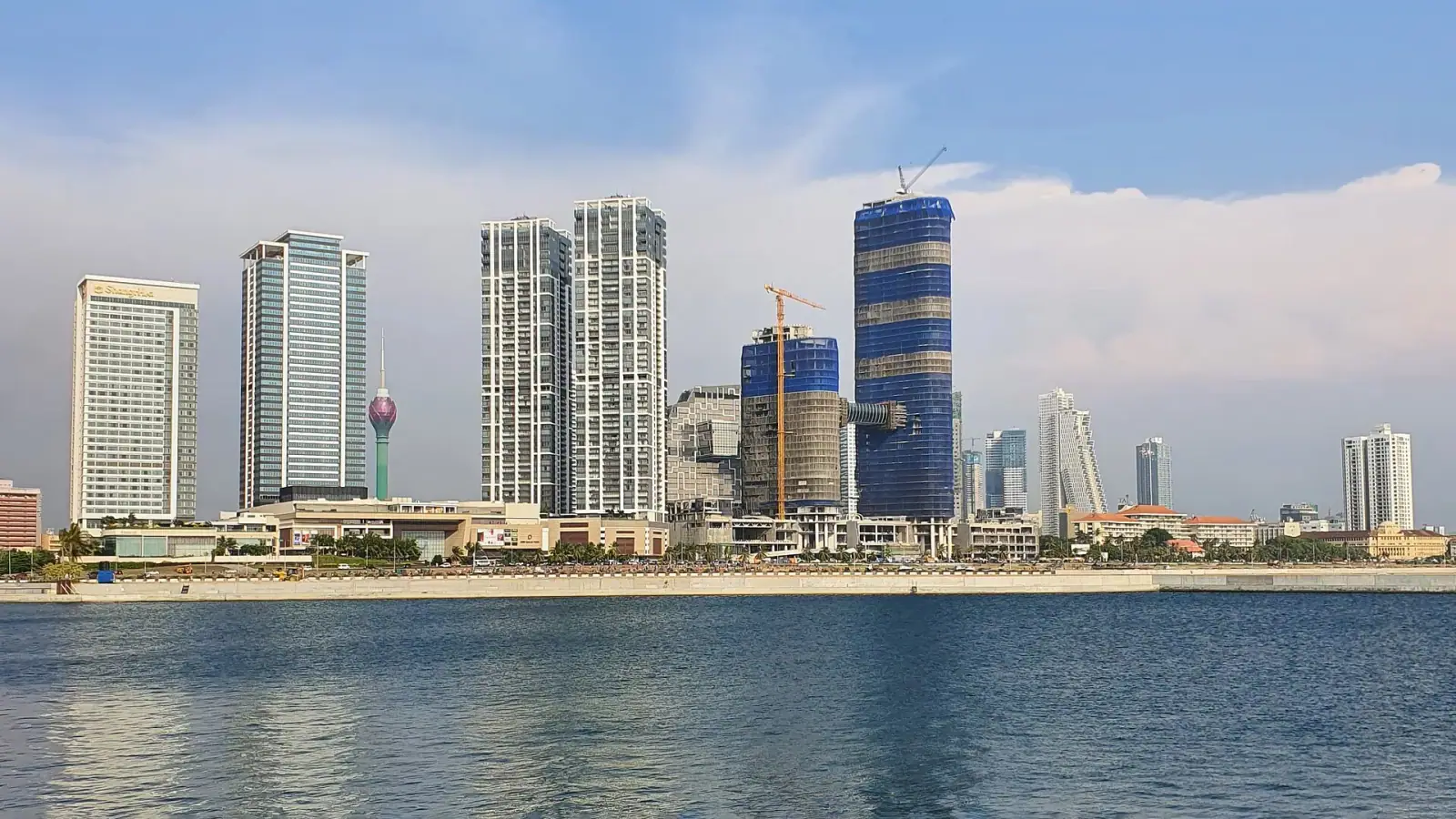
Colombo sits at the affordable end of Asian capital cities, but prices have risen since the post-2022 economic recovery. A solo nomad living modestly can get by on $900-1,200 per month; a more comfortable lifestyle with central housing and regular restaurant meals runs $1,400-1,800.
- Rent, central (Colombo 3, 5, 7): $270-475/month for a furnished 1-bedroom
- Rent, cheaper areas (Nawala, Rajagiriya, Nugegoda): $150-240/month
- Groceries (self-catering, local produce): $60-105/month
- Eating out: Local rice-and-curry lunch $1-2; mid-range restaurant meal $4.50-10; budget $74-120/month
- Coworking hot-desk: $74-165/month
- Local transport (tuk-tuks, PickMe app, buses): $24-54/month
- SIM data (50GB Dialog or Mobitel 4G pack): under $9/month
Total range: $900-1,800/month depending on your housing choice and how often you eat out. Imported goods, Western restaurants, and alcohol are disproportionately expensive relative to local alternatives.
Where to Work
Colombo has a growing but still modest coworking scene. The two most established spaces are Hatch in Fort (Colombo 1), Sri Lanka's largest startup hub, with reliable fibre and a buzzy community atmosphere, and WORX on Jawatta Road (Colombo 5), set in a renovated colonial building with zen gardens, a rooftop terrace, and an on-site restaurant. Hub9 operates two locations in Colombo 5 and Colombo 8, offering 24-hour access for those on tight schedules.
Cafe-working is popular but patchy. Java Lounge has several branches across the city (Jawatte, Bambalapitiya, Barnes Place) and is among the most reliably WiFi-friendly options. Barefoot Garden Cafe in Colombo 7 is a beloved creative spot with outdoor seating, though it gets busy at weekends.
The real WiFi situation: dedicated coworking spaces with SLT-Mobitel fibre are stable enough for video calls. Cafe WiFi is inconsistent; back up with a local SIM. Power cuts, though less frequent than during the 2022 crisis, still happen occasionally, so a coworking membership provides more reliability than cafe-hopping alone.
Getting Around
Colombo is not a walkable city. Heat, humidity, uneven pavements, and heavy traffic make walking more than short distances uncomfortable and sometimes unsafe. Your main tools are:
- PickMe: Sri Lanka's dominant ride-hailing app, covering tuk-tuks and cars. Cheaper than flagging down tuk-tuks on the street and eliminates fare negotiation.
- Uber: Also operates in Colombo; prices are comparable to PickMe for cars.
- Tuk-tuks (metered): Most have meters now. Expect around $0.50/km. Short hops across a neighbourhood cost $0.50-1.
- Buses: Very cheap (under $0.50 for most routes) but crowded and slow in traffic.
Traffic congestion in Colombo is serious, especially during morning and evening rush hours. Budget extra time for any appointment across the city.
Airport: Bandaranaike International Airport (CMB) is about 32 km north of the city centre in Katunayake, a 45-90 minute drive depending on traffic. A metered taxi or pre-booked airport transfer costs $10-18. There is also an express bus (Route 187) from the airport to Colombo Fort for around $1.50.
Sorting transport? Book an airport transfer, or compare car rental on Auto Europe and QEEQ.
Visas and Staying Long-Term
Most nationalities, including US, UK, EU, Canadian, and Australian passport holders, can obtain an Electronic Travel Authorisation (ETA) before arrival or on arrival. The standard tourist ETA grants 30 days, extendable online or in person up to a maximum of 270 days from arrival in 3-month blocks. Extensions cost roughly $50-60 per stage and can be handled through the Department of Immigration's online portal.
Sri Lanka launched a formal Digital Nomad Visa in early 2026. It requires proof of remote employment, a minimum income of approximately $2,000/month, and costs around $500 per year. It is valid for up to one year initially, with a 5-year option now being offered. Processing takes 3-6 weeks.
For most nomads staying under 6 months, the ETA extension route is simpler and cheaper.
Best Time to Visit
Colombo has a tropical climate with two monsoon seasons. The city sits on the southwest coast and receives the brunt of the southwest monsoon (May through September), bringing heavy daily downpours especially in May-June. A shorter northeast monsoon affects the country October through January, though Colombo gets less rain then than the east coast.
The best window for remote work is December through March. These months are the driest, with lower humidity (around 69-73%), more consistent sunshine, and fewer power interruptions linked to low-reservoir seasons. January and February are the most reliably pleasant months. If you arrive in April or May, expect afternoon downpours that can disrupt outdoor plans but rarely last all day.
Temperature stays between 26-33 C (79-91 F) year-round, so heat and humidity are a constant factor regardless of when you visit. Air conditioning in coworking spaces and apartments is standard and essential.
Pros and Cons
- Pro: Very low cost of living compared to other capital cities, especially for accommodation and local food
- Pro: English is widely spoken in business, hospitality, and educated circles
- Pro: Outstanding food scene, from cheap rice-and-curry to genuinely world-class seafood restaurants
- Pro: Beaches, jungle, and cultural heritage sites reachable within 1-3 hours
- Pro: Warm, welcoming local culture; low risk of violent crime
- Pro: Digital nomad visa now available; ETA extensions are straightforward
- Con: Air pollution from vehicle emissions is genuinely poor, especially in Fort and Pettah areas
- Con: Traffic congestion makes getting across the city slow and frustrating
- Con: Coworking infrastructure is still limited relative to Bangkok or Bali; good spaces fill up
- Con: Power cuts still occur, though less frequently than during the 2022 crisis
- Con: Heat and humidity year-round with no real cool season
- Con: Imported goods and alcohol carry significant markups
Who Colombo Is Best For
Colombo suits nomads who want an affordable, culturally rich South Asian base that is more accessible and less chaotic than Delhi or Dhaka. If you enjoy good food, a relaxed pace, and the option to escape to beaches or hills at weekends, Colombo delivers. It works especially well for those comfortable using ride-hailing apps for daily transport and who either join a coworking space or work from accommodation with reliable internet.
It is a strong fit for solo nomads and couples on a mid-range budget ($1,000-1,500/month), people drawn to Sri Lankan cuisine and culture, and those wanting a base to explore the rest of the island. Writers, designers, and async workers will find it easier here than those who depend on flawless video calls from cafes.
You may want to look elsewhere if you need European-standard air quality and cleanliness, prefer a large established nomad social scene, or find tropical heat genuinely difficult to work in. Families should note that international school fees are high and family-oriented infrastructure for nomads is limited.