Cost of Living in Galle
Where this figure comes from. No cost survey covers Galle, so the $1,200 a month above is our own estimate rather than a measurement. On 416 of our 999 city guides the figure is built from a published Numbeo basket, a one-bedroom rent in the centre plus one person's monthly costs without rent, converted to USD; this city is not one of them. How we source everything.
Galle is one of the more affordable bases in South Asia, though prices climbed after Sri Lanka's 2022 economic crisis. A comfortable single-person budget runs around $1,100 to $1,400 a month. A furnished one-bedroom near the Fort or in Unawatuna typically costs $350 to $600, while sharing a villa inland drops that considerably. Local rice-and-curry lunches cost a couple of dollars, and a meal at a Fort rooftop restaurant rarely tops $12. The figures here are our editorial estimates, not official statistics, and they shift with the season: beachfront rents in the December-to-March peak can run 30 to 50 percent above the monsoon low. Electricity deserves its own line. Tariffs were raised sharply after the crisis and revised several times since, so a villa with the cooling left on overnight can generate a bill that rivals a week of rent, which is why most long-stayers take a place with ceiling fans and good cross-ventilation instead. Value added tax was also widened to cover more goods and services, so restaurant and supermarket prices moved even where rents did not. Anything imported, from a laptop charger to decent coffee beans, carries a heavy duty and is worth bringing in a suitcase.
- Furnished 1-bed near the Fort: roughly $400 to $600 a month
- Local rice and curry: roughly $2 to $3
- Monthly coworking or cafe habit: roughly $80 to $150
- Tuk-tuk across town: roughly $1 to $2
Where to Work in Galle
Galle is not a coworking metropolis, but it has enough infrastructure for a focused remote worker. SLT fibre reaches the Fort, Unawatuna and much of the coast, and cafes with reliable connections cluster inside the ramparts. Most nomads split their time between a home fibre line and a favourite cafe. The larger coworking scene sits a short tuk-tuk or train ride south around Ahangama and Weligama, where surf-and-work spaces have multiplied. Power cuts that plagued 2022 have largely eased, but a laptop with strong battery life and a local SIM from Dialog or Mobitel with a generous data package remain sensible insurance for video calls. Salt and humidity are harder on equipment here than anywhere inland, and a laptop left in a sea-facing room without air conditioning will corrode at the ports within a season; a sealed box with desiccant is a cheap habit to acquire. Thunderstorms in the monsoon months take the power down briefly and often, so a surge protector matters more than a generator. Inside the ramparts the streets empty once the coaches have gone, but the call to prayer, the temple and the tuk-tuks all carry, which is worth listening to before committing to a room.
Getting Around Galle
Galle is walkable at its heart: the Fort is a compact grid you can cross on foot in fifteen minutes. Beyond the ramparts, tuk-tuks are the default, and the PickMe app gives metered, fixed-price rides that spare you the haggling. The coastal railway is the real joy here, a slow, scenic line hugging the Indian Ocean that links Galle to Colombo in the north and Matara in the south for well under a dollar. Intercity buses are cheap and frequent if chaotic. Colombo's Bandaranaike airport sits about two to two and a half hours away via the E01 southern expressway. Anyone planning to ride a scooter should know the licence position. A foreign licence alone is not enough; you need an international permit endorsed locally, and riding without it voids any insurance and is the single most common way a trip here goes badly wrong. Helmets are legally required and frequently ignored, which tells you nothing useful about the risk. On the train, sit on the seaward side going south and stand at the door for the stretch where the track runs within metres of the water. The expressway coach from the airport is faster and far cheaper than a private transfer.
Sorting transport? Book an airport transfer, or compare car rental on Auto Europe and QEEQ.
Visas for Galle
Most visitors enter Sri Lanka on an Electronic Travel Authorization, which grants a 30-day stay and is applied for online before arrival. The ETA can be extended online through the immigration department, commonly to 90 days and, with further paperwork, up to six months, which makes a medium-length stay in Galle realistic without a border run. Overstaying carries fines, and visa policy here has changed several times in recent years, so treat any secondhand advice with caution. Something that matters for a longer plan: the standard tourist authorisation allows two entries, so one side trip to the Maldives or southern India and back fits inside it, while a third arrival means applying again. Spend those two entries deliberately rather than on a casual hop. Anyone thinking about buying rather than renting should know that foreign nationals cannot hold freehold land here and are restricted to long leases, which is a different proposition from ownership and worth taking local advice on before any money moves.
Best Time to Visit Galle
Galle sits on the southwest coast, which enjoys its driest, sunniest weather from roughly December to March. This is peak season: calm seas, blue skies, the best surf on the nearby breaks, and the highest prices. The southwest monsoon brings heavier rain and rougher water from around May to September, though showers are often short and the town stays green and quiet. The shoulder months of April and October or November can be a sweet spot, with fewer crowds and lower rents. Whale-watching season off nearby Mirissa aligns neatly with the December-to-April window. The town has one date that fills every room in it: a literary festival held inside the walls in the new year, which brings writers and audiences from across the region and books out accommodation months in advance. Either plan around it or plan for it. During the wet months the sea throws itself against the ramparts, which is spectacular from the wall and means the beaches south of town are unswimmable for weeks at a stretch. Alcohol is not sold on full-moon holidays, which catches visitors out exactly once each.
Pros and Cons of Galle
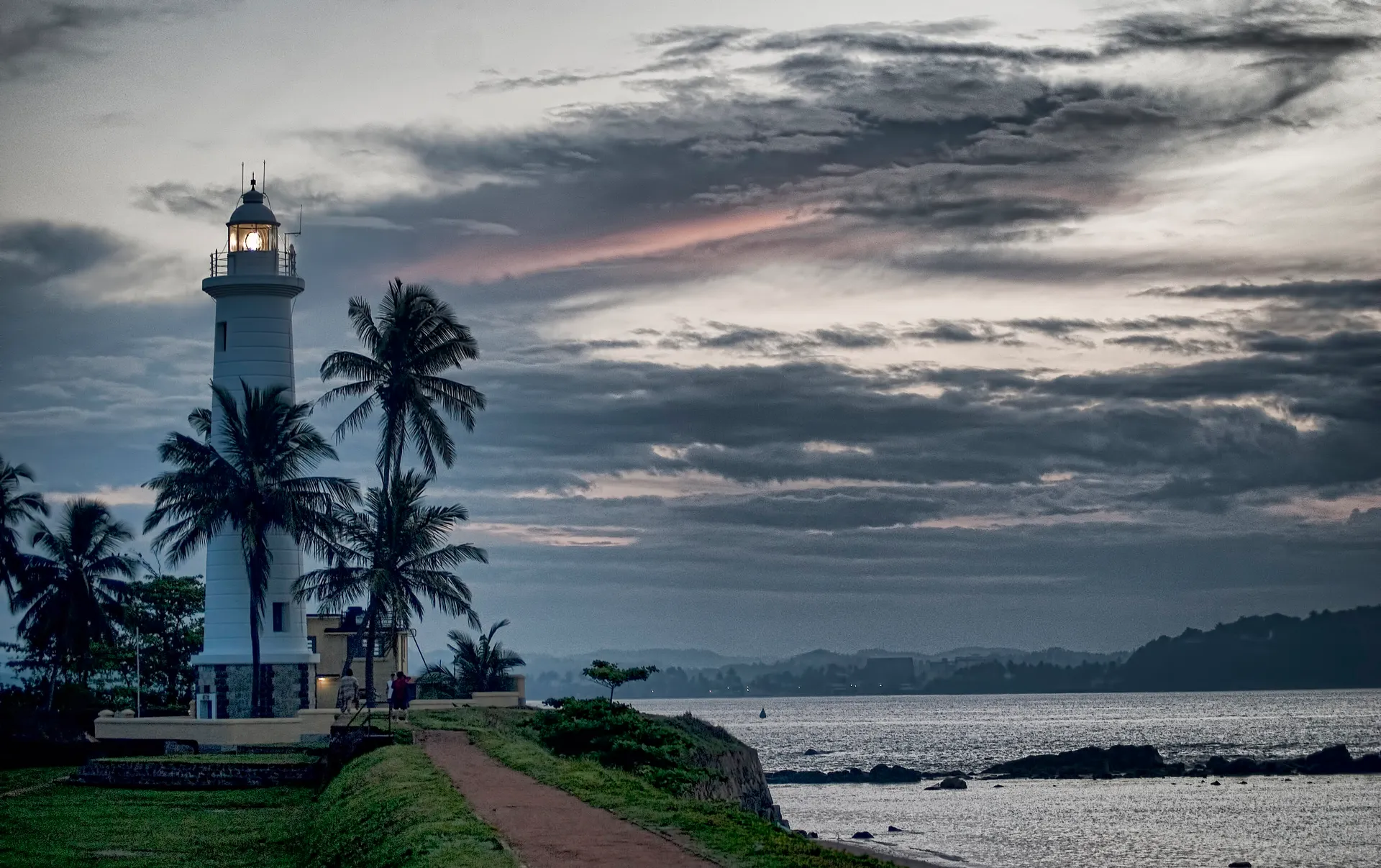
Galle rewards those who want history and coastline over big-city buzz. The upsides are real, and so are the trade-offs. The particular thing about this place is that the Fort is not a monument with a town attached; people live in it, the school runs, the post office works, and the ramparts are where the town walks in the evening. That is rarer than it sounds and it is why a month here feels different from a month in a restored heritage quarter elsewhere. The pressure on it is equally real. Almost every second building inside the walls is now a boutique hotel, a shop or a restaurant, prices inside are several times those outside, and the residential population has been falling for years. Short-let conversion is what drove it: a family house inside the walls earns more in a week of nightly bookings than in a month of rent, so the arithmetic only ever runs one way. Practically, the people who get the most out of it live outside the walls and walk in, which costs a third as much and puts you among neighbours rather than guests.
- Pros: a gorgeous UNESCO-listed colonial setting, easy beach access, widely spoken English, genuinely low costs, a safe and slow pace, and good coastal rail links.
- Cons: limited coworking and nightlife, monsoon rains for roughly half the year, occasional power and infrastructure hiccups, and a small nomad community compared with the Weligama and Ahangama surf hub down the coast.
Who Galle Is For
Galle suits the nomad who prioritises atmosphere, history and the ocean over a dense coworking scene and late nights. Writers, designers, founders in a heads-down phase, and anyone who wants to fold surfing, yoga and slow evenings into a working week will feel at home. Couples and solo travellers who value safety and easy English adapt quickly. It is a weaker fit for those who need a large, ready-made social scene or reliable clubbing, though the surf towns just south fill that gap. Pair a few focused weeks in the Fort with weekend trips to the tea country and the southern beaches. On length: three to six months through the dry season is the stay that makes sense, arriving in November and leaving before the rains. A year here is possible and a small number of foreigners do it, but the monsoon half is a genuinely different place and most people who try it end up spending those months elsewhere anyway. If you surf, base yourself down the coast and come into town for the evenings; if you do not, the reverse. Either way, take a place with a kitchen, because eating out every night here costs more than the rent.