Cost of Living in Gjirokastër
Where this figure comes from. No cost survey covers Gjirokastër, so the $700 a month above is our own estimate rather than a measurement. On 416 of our 999 city guides the figure is built from a published Numbeo basket, a one-bedroom rent in the centre plus one person's monthly costs without rent, converted to USD; this city is not one of them. How we source everything.
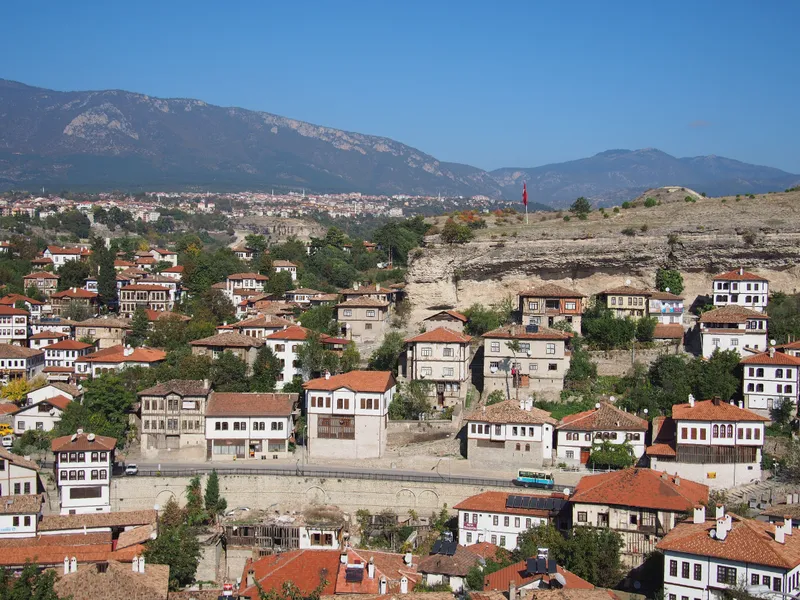
Gjirokastër is one of the more affordable bases in Europe, and a nomad can live comfortably here on a modest budget. Rent is the biggest saving: a simple flat in the lower town costs far less than anything on the coast, while stone houses in the old quarter fetch a premium for their charm. Groceries from the market, local wine and long coffees are all cheap, and eating out at a family taverna rarely dents the wallet. Utilities and fast enough internet are reasonable too. Expect to spend roughly $600 to $1,000 a month depending on your flat and habits. The stone houses carry a cost nobody quotes. The roofs are slate laid without mortar, they need re-laying every few decades, and the preservation rules mean it has to be done in the traditional way by the few people who still can, which is expensive and slow; a landlord facing that bill passes it on or lets the house decay, and both happen visibly around the old quarter. Renting one of the restored ones is lovely and priced accordingly. A modern apartment down on the flat costs half as much, is warm in January, and is what most residents actually live in.
- Rent (one-bed): a small lower-town flat is markedly cheaper than an old-quarter stone house.
- Food: market produce, bakeries and family tavernas keep daily costs low.
- Coffee culture: espressos and macchiatos cost only a little, so cafe working is easy.
- Estimate: roughly $600 to $1,000 a month all in (editorial estimate, not a fixed price).
Where to Work in Gjirokastër
Gjirokastër has no dedicated coworking space, so most remote workers set up in cafes or from their flat. The old bazaar is dotted with characterful coffee houses where a single order buys you hours at a table, and locals treat the long coffee as a daily ritual rather than a rush. For focused calls you will likely prefer home, since bazaar cafes can be lively and Wi-Fi varies from one to the next. Fibre and mobile data reach much of the town, so booking a flat with a solid connection is the key decision. A rooftop terrace with a castle view makes a fine, if unconventional, office. A local fact affects a working day more than the wifi does. The town sits on a steep slope above a valley, and the old quarter is reached by lanes that are effectively staircases with a gradient a car cannot take, so where you live decides how many times a day you are willing to go out. People underestimate this and then stop leaving the house. Take a place on the level you intend to spend your time on. The other consideration is winter: these houses were built for shade rather than warmth, the damp gets in, and an unheated stone room is a poor office in January.
Getting Around Gjirokastër
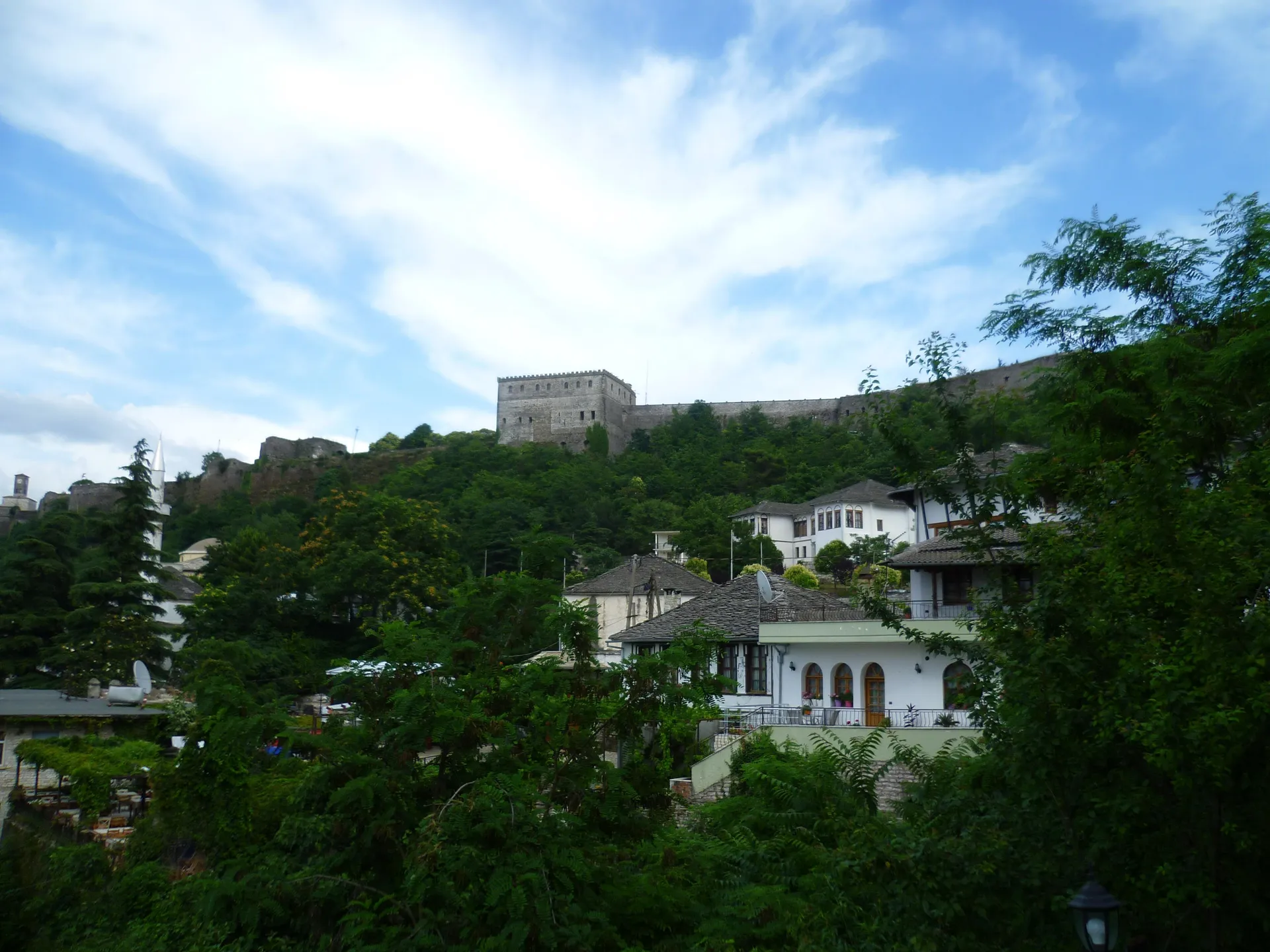
Gjirokastër is compact but steep, and the old town is a maze of polished cobbled lanes that reward good shoes and punish wheeled suitcases. Most of the historic core is best explored on foot, climbing between tower houses toward the castle. The lower new town is flatter and easier for daily errands. Furgon minibuses and buses link Gjirokastër to Tirana in roughly three hours and to the coast at Saranda in about an hour, making weekend trips simple. Taxis are cheap for the short haul up the hill. A car helps for reaching the Blue Eye spring, Antigonea and Drino valley villages. The local geography has two features worth knowing. The town is split between an upper old quarter and a lower modern one that function almost as separate places, and the walk between them is fifteen minutes down and considerably more back; the shared taxis that run the hill are cheap and are what everyone uses. And the main north-south highway passes along the valley floor below, which means the intercity buses do not come up into town but stop at the roundabout at the bottom, so arriving with luggage means a taxi from there rather than a walk. Nobody tells you that in advance.
Sorting transport? Book an airport transfer, or compare car rental on Auto Europe and QEEQ.
Visas for Gjirokastër
Albania is unusually generous with visitors, which makes Gjirokastër an easy long-stay base. Citizens of many countries, including the United States, the United Kingdom, the European Union and others, can enter visa-free and stay for up to a full year without any special paperwork. That is far longer than the standard ninety day windows common elsewhere in Europe, and it removes the constant border-run pressure that shapes nomad life in the Schengen zone. For many passports Albania offers one of the most relaxed and welcoming setups on the continent. The Greek border is an hour south of here, and crossing it matters more than the distance suggests: it is an external frontier of the bloc, so the moment you step over, the ninety-day allowance starts running and, since April 2026, is recorded biometrically rather than stamped. Days spent on this side do not count against it, which is exactly why people base themselves here and take day trips rather than the reverse. The crossing itself is undramatic and the coach schedules are built around it. Take the passport even for a beach day, and expect a queue in August.
Best Time to Visit Gjirokastër
Gjirokastër has a Mediterranean climate, so the shoulder seasons are the sweet spot. Late spring, from May into June, brings warm days, green hillsides and comfortable walking weather before the summer heat builds. Autumn, through September and October, is similar and quieter. High summer is hot and dry, and the stone lanes can bake in the afternoon, though evenings cool pleasantly and the castle hosts its famous folk festival. Winter is cool and wet, with grey skies and rain that suits the City of Stone nickname, and it is the cheapest, calmest time. For sightseeing and working alike, aim for the milder months either side of summer. Be precise about the folk festival, because it is not annual. It runs at the castle every few years rather than every summer, it brings groups from across the country and the diaspora, and it is one of the genuinely significant cultural events in this part of Europe; check the year before planning around it. The other seasonal note is water. The valley below floods in a wet winter, the road south has closed for it, and the town itself is fine because it stands a thousand feet up, but the region around it is not always reachable.
Pros and Cons of Gjirokastër
Gjirokastër is a rare kind of base: a genuine UNESCO World Heritage town where you can live cheaply, walk through Ottoman history daily and use one of the friendliest visa regimes in Europe. The trade-off is size and pace. This is a small town, not a nomad hub, so the community is thin and the nightlife minimal. Weigh the atmosphere and value against the practical gaps before committing to a long stay. This town holds two histories and a visitor meets both. The first is the imperial one: the tower houses, the bazaar and the castle are among the best-preserved examples anywhere and are the reason for the listing. The second is more recent and less comfortable. The man who ruled this country for forty years, sealed it off from the world and filled it with concrete bunkers was born in a house here, and so was its best-known novelist, who wrote about the place under that regime. The tunnel dug under the town for the party leadership is open to visitors. None of that is hidden here and none of it is dressed up either, which is unusual and is part of what makes the town worth more than a day. Come expecting a heritage site and you will miss most of it.
- Pros: very low cost of living; up to a year visa-free for many nationalities; stunning UNESCO old town and castle; strong food and coffee culture; close to the coast and the Blue Eye spring.
- Cons: tiny remote-work community; almost no nightlife; no coworking space; steep cobbled streets are hard going; wet, quiet winters and variable Wi-Fi.
Who Gjirokastër Is For
Gjirokastër suits the independent, self-directed nomad who values atmosphere over amenities. If you are a writer, remote worker or slow traveller drawn to history, stone architecture and long unhurried coffees, this town will feel like a discovery. It rewards people who can make their own routine, do not need a ready-made social scene, and enjoy exploring castles, ruins and mountain villages on quiet weekends. It is less suited to those who want buzzing coworking spaces, a big expat crowd or nightlife on tap. Come here for calm, culture, affordability and one of Europe's most relaxed visa setups, and you will likely fall for the City of Stone. On length, the visa allowance means a year is legally simple, and the practical answer is usually three to six months, since a place this size and the valley around it take about that long to exhaust. Base yourself down on the flat and go up for the evenings rather than the reverse. Anyone who reads should start with the novelist born here, whose books are set in these lanes and make the place legible in a way no guide does. And pick up a handful of phrases: under thirty you will find English, over forty you generally will not, and the welcome is warmer than the language barrier suggests.