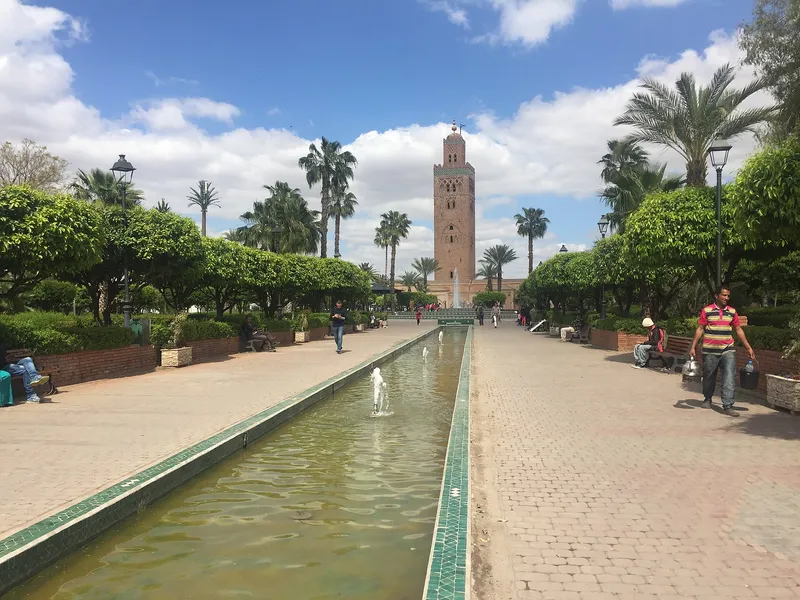
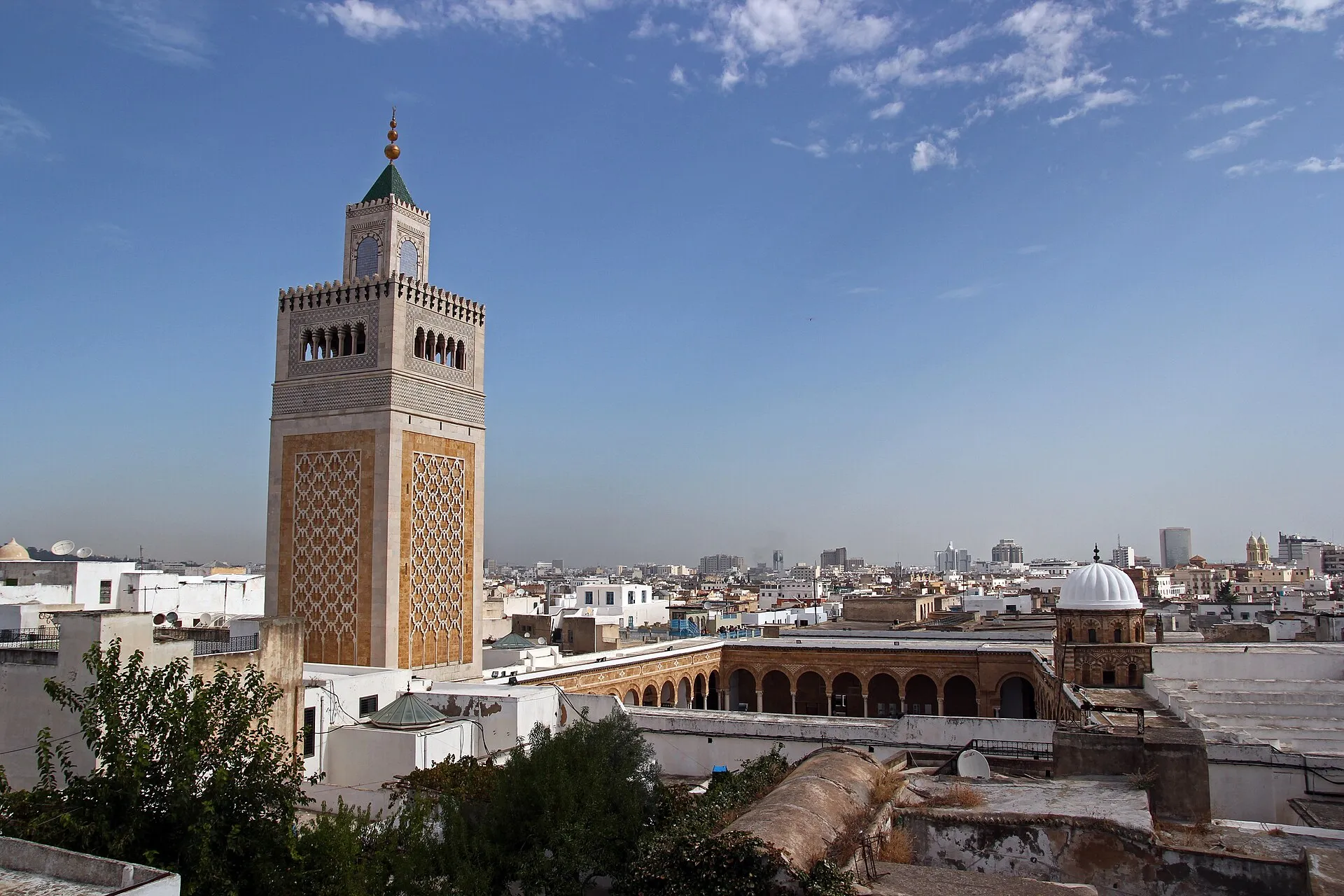
Zitouna Mosque minaret rising above the Tunis Medina rooftops with the city skyline behind
Photo: grolli77 from Berlin, Germany / Wikimedia Commons (CC BY-SA 2.0)
Tunisia flag

Tunis

Tunisia

Discover mediterranean crossroads with ancient medina and French colonial elegance.

$1.200
Monthly Budget
--
Current Weather
Mediterranean
Climate Type
50 Mbps
Avg. WiFi Speed
5/10
Safety Score
500+
Active Nomads
--
Time Difference
Scroll
0
Nomad Score

A Remote Worker's Guide to Tunis

Discover mediterranean crossroads with ancient medina and French colonial elegance. Expect $1,200 a month here. Low costs and culture are the standout strengths, with cleanliness the main caveat.

Compare Tunis vs Palermo →

Category Breakdown

How Tunis scores across all 13 factors

Weather in Tunis

Monthly averages from 2019-2023 (Open-Meteo), and the best time to visit

16°
Jan
18°
Feb
19°
Mar
22°
12°
Apr
26°
15°
May
32°
20°
Jun
36°
23°
Jul
36°
23°
Aug
32°
21°
Sep
27°
17°
Oct
22°
13°
Nov
18°
10°
Dec
Daily high & low (°C)Rainfall (mm/month)Best months to visit

The best time to visit Tunis for comfortable weather is Jun, Sep, Oct. The warmest month is Jul (around 36°C by day), and the wettest is May (about 56mm of rain).

Chasing good weather? See other cities that are warm in Jun, or plan a multi-city route around the seasons. Staying a while in Tunis? Check visa options, your time-zone overlap and how far your budget stretches, or find it on the world map.

Historical monthly averages, not a forecast. Source: Open-Meteo.

Best Neighborhoods in Tunis

Where to base yourself for the perfect nomad experience

Medina

$
Historic labyrinthine

UNESCO old city with labyrinthine soul

The ancient medina features winding souks, historic mosques, and Zitouna Mosque at its heart. Centuries of history layer through carpet shops, perfumeries, and traditional crafts.

Best for: History lovers and adventurous shoppers
✓ Pros
  • UNESCO heritage
  • Traditional crafts
  • Historic mosques
  • Authentic atmosphere
✗ Cons
  • Navigation challenging
  • Can feel overwhelming
  • Persistent sellers

Ville Nouvelle

$
Colonial urban

French colonial grid with tree-lined grace

The French-built new town features wide boulevards, colonial architecture, and the famous Avenue Habib Bourguiba. Cafes, shops, and cultural venues create urban Mediterranean atmosphere.

Best for: Urban explorers and cafe hoppers
✓ Pros
  • Tree-lined streets
  • Good cafes
  • Colonial architecture
  • Central location
✗ Cons
  • Traffic congestion
  • Political protests
  • Some decline

Sidi Bou Said

$$
Picturesque artistic

Blue and white hillside perfection

The iconic blue-and-white village overlooking the bay offers stunning views, artist galleries, and the famous Café des Nattes. Tunisia's most photographed location draws visitors for good reason.

Best for: Photographers and romantic travelers
✓ Pros
  • Stunning views
  • Iconic beauty
  • Artist community
  • Evening atmosphere
✗ Cons
  • Very touristy
  • High prices
  • Crowded peak times

La Marsa

$$
Coastal cosmopolitan

Beach suburb with cosmopolitan feel

This upscale coastal suburb offers beaches, cafes, and more liberal atmosphere. Tunisian elites and expatriates enjoy seaside living with modern amenities.

Best for: Beach lovers and expats
✓ Pros
  • Beach access
  • Modern cafes
  • Liberal atmosphere
  • Good restaurants
✗ Cons
  • Far from center
  • Expensive
  • Traffic to reach

Carthage

$
Archaeological residential

Ancient ruins with Mediterranean views

The ruins of ancient Carthage spread across a hillside suburb. UNESCO sites include Punic ports, Roman baths, and museums chronicling one of history's great civilizations.

Best for: History enthusiasts
✓ Pros
  • UNESCO ruins
  • Mediterranean views
  • Historic depth
  • Quiet atmosphere
✗ Cons
  • Spread out sites
  • Hot walking
  • Limited dining

Cost of Living in Tunis

Tunis is one of the most affordable capitals on the Mediterranean rim. Prices are quoted in Tunisian dinars (TND); 1 USD buys roughly 3.1 TND in mid-2026.

  • Rent, city center (downtown, Lac district): 900-1,100 TND/month (~$290-$355) for a furnished 1-bedroom
  • Rent, outer areas (Ettadhamen, Ariana, Manouba): 550-750 TND/month (~$175-$240) for a 1-bedroom
  • Groceries (cooking most meals): 350-500 TND/month (~$115-$160)
  • Eating out (mix of local cafes and mid-range restaurants): 300-500 TND/month (~$95-$160)
  • Coworking hot-desk (monthly pass): 140-620 TND/month (~$45-$200) depending on the space
  • Local transport (bus/metro monthly pass): 40 TND/month (~$13)
  • Total comfortable range: 2,000-3,500 TND/month (~$650-$1,130)

Budget nomads sharing apartments and cooking regularly can live on $650-750/month. Those renting solo, eating out often, and using a quality coworking space land closer to $900-$1,100/month. Tunis sits well below comparable Mediterranean cities in western Europe.

Where to Work

Tunis has a small but functional coworking scene concentrated around Lac de Tunis, Centre Urbain Nord, and the downtown Bab Bhar area.

  • Cogite (Lac de Bizerte, Lac district) is the most established community-focused space, rated 4.5 on Google. It offers fiber internet, an outdoor terrace, and regular networking events.
  • Work Zone (Centre Urbain Nord) is a modern high-rise space with 24/7 access, natural light, and a reliable connection. Hot desks run around 150-200 TND/month.
  • Level 1 (Boulevard Cheikh Zaid) operates as an anti-cafe: you pay per hour and get unlimited drinks. It has fast wifi, meeting rooms, and a prototyping lab, and suits shorter sessions well.
  • Regus Berges du Lac offers a more corporate setup with guaranteed bandwidth and access to meeting rooms at international-standard pricing.

Cafe work culture exists but is uneven. Upscale neighborhoods like La Marsa and Sidi Bou Said have laptop-tolerant cafes with decent wifi. In the downtown medina and older districts, cafe wifi is patchy or nonexistent. Avoid leaving devices unattended in any public cafe.

Fixed broadband in apartments reaches 50-100 Mbps on fiber in most central neighborhoods. Mobile 4G covers the greater Tunis metro reliably, with average download speeds around 49 Mbps. 5G launched commercially in early 2025. The infrastructure is solid enough for video calls and standard remote work, though speeds are moderate compared to eastern European or southeast Asian hubs.

Getting Around

Tunis has a metro (light rail), buses, and taxis. The metro network covers key corridors and costs under 1 TND per ride. Monthly transit passes cost about 40 TND (~$13) and cover buses and metro. The system is affordable but can be crowded and slow during peak hours.

Taxis are abundant and metered. A cross-city trip rarely exceeds 10-15 TND (~$3-$5) during the day. Confirm the meter is running before departing. As of mid-2025, ride-share apps including Bolt had their licenses suspended by the Tunisian government, so you rely on street taxis.

Walkability varies sharply by neighborhood. The medina and central Tunis are dense and walkable. Lac district and Centre Urbain Nord are car- and transit-oriented and less pleasant on foot.

Getting to and from Tunis-Carthage Airport: Bus lines 35 and 635 run to the city center (Tunis Marine station) for about 1 TND, operating from roughly 06:00 to 18:00. After hours, take a metered taxi for around 25-35 TND. The airport is about 8 km northeast of downtown; a taxi ride takes 15-25 minutes outside peak traffic.

Visas and Staying Long-Term

Tunisia is visa-free for most Western passport holders on arrival. US, UK, EU (most member states), Canadian, and Australian citizens can enter for up to 90 days without a visa. Germans receive a 4-month allowance. No advance application, no fee: you simply show your passport at the border.

There is no dedicated digital nomad visa for Tunisia as of mid-2026. After 90 days, you need a residence permit, obtained through the local district police station (commissariat). Extensions are possible but require paperwork and patience; many nomads do a border run to renew the 90-day allowance.

Always verify current entry rules with the official Tunisian embassy or consulate for your nationality before traveling, as policies can change.

Best Time to Visit

Spring (March to May) and autumn (September to November) are the best windows for remote work. Temperatures sit between 19-28C (66-82F), skies are clear, and the city is not overwhelmed with summer tourists. These shoulder seasons combine comfortable working conditions with lower accommodation prices.

Summer (June to August) is hot, with temperatures regularly exceeding 35C (95F) and occasional heat waves pushing higher. Coastal areas get crowded and prices rise. Air-conditioned coworking spaces make it manageable, but evenings outdoors lose their appeal.

Winter (December to February) is mild and rainy. Daytime temperatures of 12-17C (54-63F) are workable, and crowds thin out considerably. January sees the most rainfall. For budget travelers or those who dislike heat, winter is underrated.

Pros and Cons

Pros

  • Very low cost of living, well below European and most Latin American nomad hubs
  • 90-day visa-free entry for US, EU, UK, and many other passports
  • Fast 4G coverage citywide and fiber available in most apartments
  • Mediterranean coast, ancient ruins, and Sahara day trips all accessible from Tunis
  • Rich food culture with excellent value at local restaurants
  • Short flights to European cities (Rome, Paris, Frankfurt under 3 hours)
  • Growing coworking scene with community-focused spaces

Cons

  • English is rarely spoken; French is essential for daily life outside tourist areas
  • No digital nomad visa; 90-day limit requires planning for longer stays
  • Small nomad community compared to Southeast Asia or eastern Europe
  • Ride-share apps suspended as of 2025; taxi meter disputes are common
  • Nightlife is limited and alcohol availability varies by neighborhood (Lac district is largely dry)
  • Petty theft is a real concern in the medina and on public transport
  • Banking and payment infrastructure lags; many places are cash-only

Who Tunis Is Best For

Tunis suits nomads who prioritize low costs and an authentic, non-touristy base. If you speak French or are willing to learn basics, you will navigate daily life far more easily and build genuine local connections. It is a strong fit for freelancers and remote workers with flexible schedules who want proximity to Europe without European prices, and who are drawn to a city with real history, good food, and a Mediterranean climate.

Tunis also works well for longer-stay slow travelers who want to explore North Africa deeply: day trips reach Carthage, Sidi Bou Said, El Djem, and even the Sahara. The city rewards patience over instant convenience.

Skip Tunis if you need a large, English-speaking nomad community and plug-and-play convenience. It is not a city where everything is optimized for foreigners. If reliable high-speed internet above 100 Mbps matters for your work, test speeds in your specific neighborhood before committing. Those who need predictable nightlife, a wide bar scene, or a city that runs smoothly at night will find Tunis frustrating.
Where to Stay in Tunis

Top neighborhoods and accommodations for digital nomads

Nomads Hostel Tunisia

Hostel
Montfleury

Purpose-built hostel for travelers with free WiFi, rooftop terrace, shared kitchen, and a social atmosphere close to the Medina.

Check availability →

Dar Ben Gacem

Boutique hotel
Medina

Restored 17th-century house in the UNESCO Medina with free WiFi, rooftop, and authentic Tunisian breakfast for a cultural base.

Check availability →

Appart Hotel Lac 2 Tunis

Aparthotel
Lac 2

Self-catering suites in the modern Lac 2 business district with full kitchens, free WiFi, and proximity to embassies and cafes.

Check availability →

Mövenpick Hotel du Lac Tunis

Hotel
Les Berges du Lac

Five-star lakeside hotel in the business district with free WiFi, meeting rooms, pool, and 10-minute airport access.

Check availability →

Hotel Belvedere Fourati

Hotel
Belvédère

Rated 9.1 on Booking.com, this 4-star hotel sits 100m from Belvédère Park with free WiFi, restaurant, and central walkable location.

Check availability →

Browse apartments, aparthotels and hotels across Tunis. Compare prices and book a base that suits a remote-work stay.

See available stays in Tunis →

Affiliate link. See our disclosure.

Best Coworking Spaces

Where nomads get work done in Tunis

Cogite

Impact coworking hub
Lac de Tunis

Community-focused space with fiber wifi, outdoor terrace, and regular networking events in the Lac district.

View on Maps →

Work Zone

Modern coworking space
Centre Urbain Nord

High-rise workspace with 24/7 access, panoramic city views, fast internet, and a varied events calendar.

Visit website →

Level 1 Hub

Anti-cafe coworking
Bab Bhar

Pay-per-hour anti-cafe with unlimited drinks, strong wifi, three meeting rooms, and a prototyping lab.

Visit website →

Regus Tunis Berges du Lac

Serviced coworking
Berges du Lac

Corporate-grade flex workspace with guaranteed bandwidth, meeting rooms, and lake views in the business district.

Visit website →

Café Maghreb

Traditional cafe
Sidi Bou Said

Iconic terrace cafe with sea views, strong wifi, and a relaxed atmosphere popular with creatives and slow workers.

View on Maps →

Cobeezone

Boutique coworking
Centre Ville

Compact downtown coworking with fiber wifi, three meeting rooms, and flexible day or monthly passes from 13 TND.

View on Maps →

Where to Eat & Drink

Best food and drink spots in Tunis

Dar El Jeld Restaurant

Traditional Tunisian fine dining
Medina

Celebrated 30-year-old restaurant in an 18th-century medina townhouse serving refined lamb couscous and classic Tunisian dishes.

Visit website →

Fondouk El Attarine

Tunisian lunch restaurant
Medina

A restored caravanserai near Zitouna mosque serving traditional Tunisian lunch and mint tea amid authentic craftsman surroundings.

Visit website →

Le Baroque

Mediterranean bistro
Mutuelleville

Elegant neighborhood restaurant on Rue Felicien Challaye open until 1 AM, serving Mediterranean and Tunisian dishes in a refined setting.

View on Maps →

Le Saf Saf

Traditional cafe and restaurant
La Marsa

Long-standing La Marsa institution with a historic courtyard, serving Tunisian staples and mint tea at fair prices.

View on Maps →

El Ali Restaurant

Tunisian cuisine
Medina

Reliable medina restaurant serving affordable brik, couscous, and grilled meats in an authentic setting popular with locals.

View on Maps →

Le Vieux Port

Bar and brasserie
La Goulette

Lively bar and brasserie in La Goulette serving local beers and Tunisian small plates in a port-side setting.

View on Maps →

What Do Nomads Say?

Vote on how accurate these scores are based on your experience

Cities with a Similar Vibe to Tunis

Different places that score alike across our 13 categories, if you like Tunis, these tend to feel similar.

Frequently Asked Questions About Tunis

How much does it cost to live in Tunis as a digital nomad?

Budget roughly $1,200 a month in Tunis for a furnished place, food, coworking, and transport. The most popular central areas cost more; suburbs and local spots cost noticeably less.

Is the internet fast enough for remote work in Tunis?

Tunis rates 5 out of 10 for WiFi in our scoring, so it handles video calls and daily remote work workable. Carry a local SIM with data as a backup for cafes and travel days.

Is Tunis safe for digital nomads?

Our safety score for Tunis is 5/10, workable for nomads. As anywhere, watch your belongings, favor busier streets after dark, and research neighborhoods before you book.

Is Tunis a good city for digital nomads overall?

Tunis stands out for low costs and culture among remote workers. With a typical budget near $1,200 a month and a growing nomad scene, it suits anyone whose priorities line up with those strengths.