Cost of Living in Tofo
Where this figure comes from. No cost survey covers Tofo, so the $800 a month above is our own estimate rather than a measurement. On 416 of our 999 city guides the figure is built from a published Numbeo basket, a one-bedroom rent in the centre plus one person's monthly costs without rent, converted to USD; this city is not one of them. How we source everything.
Budget around $800 a month as a solo remote worker in Tofo, which is low for the diving it buys but not as low as the surrounding country, since everything on this beach is priced for visitors. A room or a simple one-bedroom place runs roughly $250 to $450 depending on how close it sits to the sand and whether it is high season. Food is cheap if bought at the market in Inhambane and considerably less so at the beach restaurants. Diving is the real budget line here. This figure is our own estimate rather than measured data. Diving is the line that dominates any Tofo budget: a single dive runs $45 to $60, a ten-dive package considerably less per dive, and an Open Water certification $350 to $450. Anyone here for a month who dives most days should expect that to exceed their rent. Electricity is expensive and unreliable in equal measure, and a place with a working inverter is worth paying more for.
Where to Work in Tofo
Tofo has no coworking and its internet is the honest weak point of the place. Mobile data on Vodacom or Tmcel is the primary connection for most people and speeds vary by hour and by weather. Fixed lines exist in a few of the better guesthouses and lodges. Power cuts are routine and most established places run on an inverter or a generator. Anyone whose work involves video calls should test thoroughly before committing to a month, and anyone who cannot tolerate an outage should look elsewhere on this coast. Mozambique runs two hours ahead of GMT, level with South Africa, which gives a full European overlap in the afternoon and makes European work genuinely practical when the connection holds. Starlink has appeared at some lodges since 2023 and is the single thing most likely to make a longer stay workable, so it is worth asking about by name. A permit to work is granted against a named employer, and the centres here sponsor only their permanent staff, so instructors passing through for a season are mostly doing it informally. None of that touches somebody billing a client abroad, which is the cleaner arrangement by a distance.
Getting Around Tofo
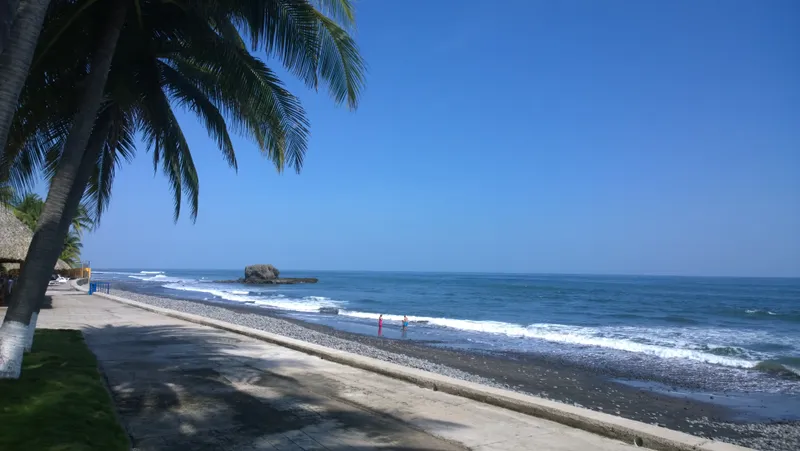
Tofo is a beach village and everything in it is within a fifteen-minute walk, which is a large part of why people stay longer than they planned. Inhambane, the provincial town with the market, the bank and the ferry, is about twenty-five minutes inland by chapa minibus or taxi. Inhambane airport has flights to Maputo and Johannesburg, which is the practical way in. The road from Maputo takes seven or eight hours by bus. Sand tracks lead to the quieter beaches at Barra and Tofinho, and a four-wheel drive or a walk are the only ways along them. Chapas run to Inhambane through the day and stop in the early evening, so an evening in town means arranging a taxi back. The dhow ferry across the bay from Inhambane to Maxixe is cheap, frequent and the pleasant way to make that crossing rather than driving around. Police checkpoints on the main highway are frequent and ask for a driving licence, a passport and the vehicle papers, so a hire car wants all three in the glovebox rather than one of them in a bag. Nothing about the stop is unusual once the documents are there.
Sorting transport? Book an airport transfer, or compare car rental on Auto Europe and QEEQ.
Visas for Tofo
Mozambique removed visa requirements in 2023 for citizens of a long list of countries including most of Europe, the United States, Canada and Australia, allowing visits of up to thirty days, which transformed the practicality of getting here. Everyone else can obtain a visa on arrival at the main entry points or apply in advance. Extensions are handled at immigration offices in the provincial capitals, meaning Inhambane rather than the beach. There is no digital nomad visa. The policy shift was recent enough that some airlines and border posts have been slower than the rules, so carry the documentation anyway. The 2023 visa exemption covers tourism specifically and for thirty days, so anyone planning a longer stay is looking at an extension from Inhambane or a border run to Eswatini or South Africa. Carry proof of onward travel and accommodation, since the exemption is newer than some officials' habits.
Best Time to Visit Tofo
Tofo works year-round, which is unusual, because the whale sharks and manta rays that draw divers here are resident rather than seasonal. April to September is the dry half, cooler and clearer, with humpback whales passing through between roughly June and October and the best visibility for diving. October to March is hotter and wetter, with the warmest water and the highest chance of a cyclone, most likely between January and March. The Mozambique Channel has produced serious storms in recent years, and anyone booking in that window should follow the forecasts. Water temperature ranges from about twenty-two degrees in the cooler months to twenty-nine in the warm half, so a wetsuit matters between June and September. Manta cleaning stations at Manta Reef are most reliably productive in the cooler, clearer water, which is the opposite of what most visitors assume. South African school holidays in December and again in the middle of the year are what actually fill this beach, rather than any international season, and the prices and the noise both follow that calendar rather than the weather.
Pros and Cons of Tofo
Tofo is one of the few places on earth where whale sharks and giant manta rays are present all year, on a wide arc of beach with a diving community that has been here for decades and a research presence studying both species. It is warm, cheap by the standards of what it offers, and small enough to know within a week. The internet is genuinely poor and the power cuts are routine, medical facilities are very limited and the nearest real hospital is a long way off, and the village has almost nothing beyond diving and the beach. The Marine Megafauna Foundation was founded here and Tofo is one of the longest-running whale shark research sites in the world, so the diving community has a scientific spine that most beach destinations lack and volunteers and researchers pass through constantly.
Who Tofo Is For
This is a place for a diver first and a remote worker second. Anyone whose work tolerates an unreliable connection and who wants to be in the water most days will find few better places at this price. A month or a season is the right length for this. A year is a different question entirely. A demanding call schedule will lose here more often than it wins, medical infrastructure means a long drive to Inhambane and a longer one to Maputo, and there is no professional community whatsoever. Bring a local SIM, a power bank and a tolerance for things happening slowly, and it repays all three. Marine research is a live activity here rather than a recreational veneer. The long-running study programmes take volunteers, and the scientists working on them make up a genuine part of the village's social life rather than passing through it.
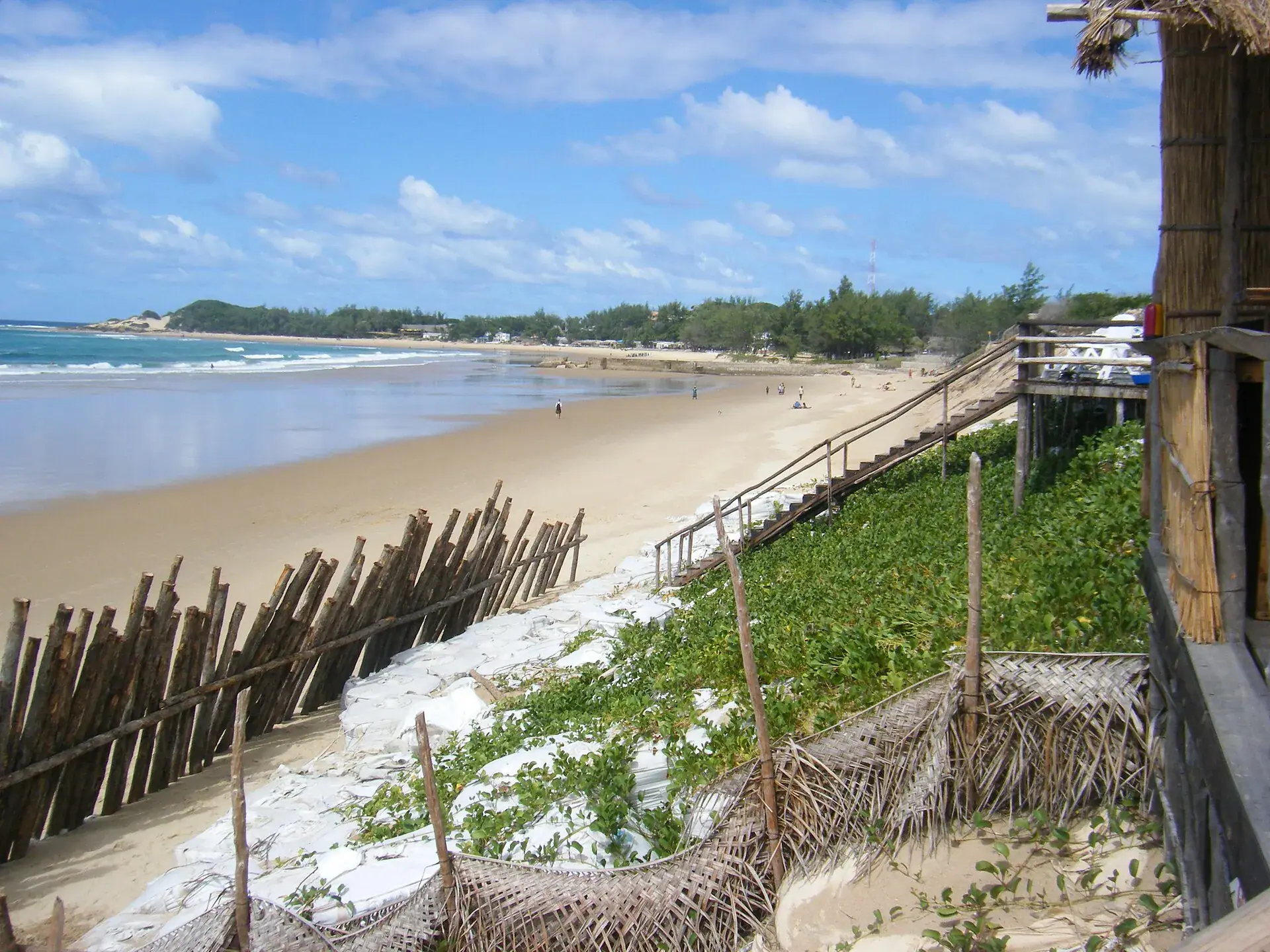 Photo: SALTACE / Wikimedia Commons (CC BY-SA 3.0)