Cost of Living in Maputo
Real market data
Source: Numbeo · August 2026
$1,050/moSolo nomad1-bed centre + living costs
$1,450/moCoupleshared 1-bed + costs
$880/moLean / localcheaper area + costs
- 1-bed rent, city centre$550MZN 34,750
- 1-bed rent, outside centre$380MZN 24,157
- Monthly costs excl. rent (1 person)$500MZN 31,820
- Meal, inexpensive restaurant$10MZN 650
- Monthly transit pass$24MZN 1,500
- Buy price, per m² (centre)$4,220MZN 268,771
Prices are from Numbeo (August 2026), converted to USD at $1 = 63.64 MZN (01 Aug 2026). The monthly living-costs figure is our transparent one-person basket, groceries, a few meals out, utilities, phone, internet, transport and essentials, priced from those figures. Solo adds central rent; couple and lean are estimates from the same numbers. The guide below quotes its own monthly range, which is a different measurement rather than a competing one: this table prices a defined basket at the figures above, while that range is a judgement about how somebody actually lives here.
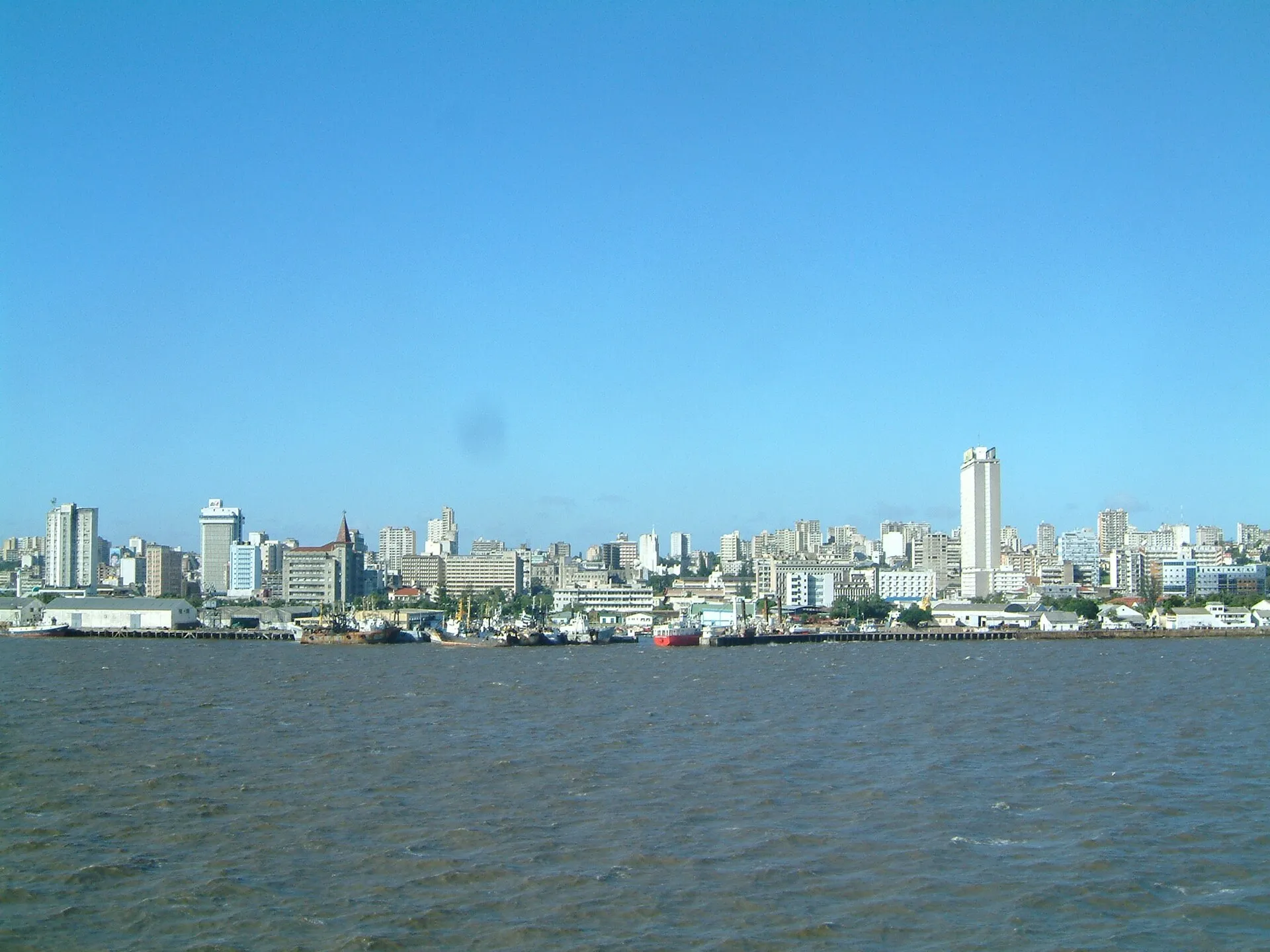
Maputo is one of the more expensive African capitals for foreigners, but costs remain far below Western equivalents. Rent is the biggest variable: a furnished one-bedroom apartment in central Polana or Sommerschield runs $440-785 per month, while a similar place in outer neighborhoods like Malhangalene or Maxaquene drops to $250-440. Electricity is sometimes billed separately, and load-shedding backup costs can add $47-79 for a generator-equipped building.
- Rent (central, furnished 1BR): $440-785
- Groceries (self-catering): $125-220
- Eating out (mix of local and mid-range): $110-250
- Coworking hot-desk: $50-155
- Local transport (Bolt/Yango + occasional chapa): $47-94
- Total realistic monthly range: $850-1,730
Eating at local cantinas brings a full meal to under $5.50. Restaurant meals at expat spots average $13-24. Supermarkets like Shoprite and Game carry imported goods but at imported prices. The Metical (MZN) fluctuates; keep USD or EUR in reserve for rent negotiations, as landlords often price in dollars.
Where to Work
Maputo has a small but real coworking scene, concentrated almost entirely in Sommerschield and Baixa. Cowork Lab operates seven business centers across the city, mostly in Sommerschield, with hot-desks, private offices, meeting rooms, and cafe services; this is your most reliable daytime option. Regus Maputo occupies the Millennium Park building in Baixa and suits more corporate-style remote workers with marble lobbies and bay views. Cowork Maputo is a smaller independent space offering shared desks and private offices in a modern environment.
Cafe-working culture is limited compared to Southeast Asia or Latin America. A handful of spots tolerate laptop workers, but you will rarely find reliable power outlets and most cafe WiFi is patchy. The coworking spaces above are a safer bet for any real deadline work. Fiber optic is available in central Maputo and the dedicated coworking spaces have the most dependable connections, but load-shedding (scheduled power cuts) can interrupt connectivity without warning. A 4G mobile data SIM from Vodacom or mCel provides a useful backup; prepaid data is affordable at around $8 for 10 GB.
Getting Around
Maputo is a compact city but not a particularly walkable one outside of the Polana and Sommerschield areas, where jacaranda-lined avenues make walking pleasant and reasonably safe in daylight. The flat Baixa waterfront strip along Avenida Marginal is also walkable during the day.
For getting around more broadly, Bolt, Uber, and Yango all operate in Maputo and are the recommended choice for most journeys. They are affordable, safer than street taxis, and easy to use. Agree on the price before entering any unmarked taxi. Chapas (minibuses) are the backbone of public transport, cheap and frequent, but crowded and confusing for newcomers.
Maputo International Airport sits about 4 km from the city center. A Bolt or Yango ride into Polana takes 10-20 minutes and costs roughly $4.50-8. Official airport taxis are available but significantly more expensive; negotiate the fare before you get in.
Sorting transport? Book an airport transfer, or compare car rental on Auto Europe and QEEQ.
Visas and Staying Long-Term
Citizens of the US, UK, EU countries, Canada, and about 29 other nations can enter Mozambique visa-free for up to 30 days. Mozambique introduced an e-visa system in 2026, allowing applicants from 183 countries to apply online before travel; e-visas cost roughly $50-160 depending on the category and can be valid for up to two years with multiple entries depending on what you apply for. Visa on arrival remains available at Maputo International Airport for most nationalities not eligible for visa-free entry.
There is no dedicated digital nomad visa at the time of writing. For stays beyond 30 days, your realistic options are: re-entering after a border run, applying for a temporary residence permit through local immigration (a bureaucratic process requiring a local sponsor or employment contract), or applying for an extended business visa. Extensions within the country are generally difficult to obtain and not guaranteed.
Best Time to Visit
Maputo sits in a subtropical zone with two clear seasons. The dry season runs from May through October: temperatures are comfortable at 22-27 degrees Celsius, skies are mostly clear, and humidity drops considerably. This is the best window for remote work, both because the weather is pleasant and because power infrastructure tends to cope better in dry conditions.
November through April is the wet season, peaking in January and February. Expect heavy afternoon downpours, heat and humidity well above 30 degrees Celsius, and a genuine cyclone risk that can cause flooding and outages. January and February are the months most worth avoiding if you have flexibility. March through April sees rain tapering off and can be tolerable if your coworking space has reliable backup power.
For the best combination of weather, functional internet, and manageable costs, aim for June through September.
Pros and Cons
Pros
- Genuine African city feel with a Portuguese-influenced cafe and restaurant culture
- Excellent fresh seafood at low to mid prices, especially piri-piri prawns and crab
- Small but functional coworking scene in a compact, navigable city
- Visa-free entry for most Western passport holders for 30 days
- Relatively affordable compared to Nairobi, Cape Town, or Luanda
- Warm winters, beautiful Marginal waterfront, and day-trip access to beaches and islands
Cons
- Load-shedding is frequent and can disrupt work without warning
- Internet speeds outside coworking spaces are inconsistent and often slow
- No digital nomad visa; 30-day limit is tight for longer stays
- Petty crime and mugging are real risks, especially at night in Baixa
- Very small nomad community, limited English outside the expat and tourist bubble
- Malaria is present year-round and preventative medication is strongly advised
- Few direct flight connections from Europe or North America drive up travel costs
Who Maputo Is Best For
Maputo suits adventurous remote workers who already have experience in emerging-market cities and are not relying on a large nomad community for their social life. You'll thrive here if you can work independently, have a solid backup for internet outages, and genuinely enjoy exploring a city that most nomads skip entirely. It is a good fit for those doing extended Africa travel, using it as a base for a few weeks between other destinations in southern Africa.
Skip Maputo if you need guaranteed fast internet, depend on coworking events or nomad meetups, or want easy visa extensions. It is also a poor fit for first-time Africa travelers who haven't yet developed a tolerance for infrastructure unpredictability. If you need more than 30 days and don't want to deal with complex permit processes, Mozambique will frustrate you.