Cost of Living in Blantyre
Where this figure comes from. No cost survey covers Blantyre, so the $800 a month above is our own estimate rather than a measurement. On 416 of our 999 city guides the figure is built from a published Numbeo basket, a one-bedroom rent in the centre plus one person's monthly costs without rent, converted to USD; this city is not one of them. How we source everything.
Budget around $800 a month as a solo remote worker in Blantyre, which is low even by regional standards. A one-bedroom place runs roughly $250 to $450, with Nyambadwe and Sunnyside at the top of that and the areas towards Limbe cheaper. Food from the markets costs very little and Malawi grows most of what it eats. Imported goods are expensive and sometimes simply unavailable, since the country has repeatedly run short of foreign exchange. The kwacha was devalued by around forty-four per cent in late 2023, so any figure in it dates fast. This is our own estimate rather than measured data. The foreign exchange shortage is not an abstraction and it shapes daily life: bank cards issued abroad often fail, ATMs run dry, and dollars change hands at a parallel rate well away from the official one. Bring cash, in good condition and in larger denominations, which attract a better rate. Landlords catering to foreigners frequently quote and want dollars, several months at a time. Fuel shortages have been recurrent, and queueing for it costs hours rather than money, which is its own kind of expense.
Where to Work in Blantyre
Blantyre's connectivity is modest: fibre has reached parts of the city and works reasonably where it exists, and mobile data from TNM and Airtel is the common fallback, though Malawian data prices are high relative to income. Power cuts are frequent and scheduled load shedding is a fact of life, so anything serious runs on an inverter or a generator. There is a small coworking presence serving local business rather than visitors. English is an official language and the medium of education and business, which removes the language friction entirely and is Malawi's clearest practical advantage. Load shedding is published as a schedule rather than arriving at random, so the workable arrangement is to plan the day around it: the utility posts the rota by area and most residents structure meetings and heavy tasks accordingly. Malawi's power is largely hydroelectric from the Shire river, which means supply worsens when the water is low, so the dry season is also the difficult season for electricity. The time zone sits two hours ahead of London, giving a comfortable European overlap and an early start against North America.
Getting Around Blantyre
Blantyre spreads across hills, with the older commercial centre and the separate town of Limbe forming a twin core about eight kilometres apart. Minibuses cover both cheaply and are how most people move; they fill before they leave. Taxis and a growing number of ride-hailing options work in the centre. Most expatriates drive, on the left. Chileka airport is twenty minutes out with regional connections through Addis Ababa, Nairobi and Johannesburg. Mount Mulanje is an hour and a half east and Lake Malawi's southern shore about three hours north, which is what most weekends here are for. Driving between towns after dark is avoided by residents, since the roads are unlit, carry pedestrians and livestock, and the standard of other vehicles varies enormously. Fuel availability is the other planning constraint on any road trip, and filling up when you can rather than when you need to is the local habit. The Zomba plateau, about an hour north, is the third weekend destination alongside the lake and the mountain, and its escarpment road is one of the best drives in the country.
Sorting transport? Book an airport transfer, or compare car rental on Auto Europe and QEEQ.
Visas for Blantyre
Malawi requires a visa of most nationalities, obtained through an e-visa system before travel or on arrival at the main entry points, typically costing around $50 for a thirty-day single entry with longer options available. The process is straightforward by regional standards. There is no remote work visa. Extensions are applied for at an immigration office in Blantyre or Lilongwe. Business and employment permits require local sponsorship and take considerably longer. Malawi has changed its visa fees more than once. Anyone travelling on to Zambia or Tanzania overland should check those requirements separately, since neither shares an arrangement with Malawi. A yellow fever certificate is required of anyone arriving from a country where the disease is present, which catches travellers routing through parts of East Africa rather than flying in from Europe. For work, the permit to know about is the temporary employment permit, which an employer applies for and which takes months rather than weeks, so nobody sensibly arrives and then sorts it out. Keep a copy of the entry stamp, since extensions are calculated from it and the original is the only record of it.
Best Time to Visit Blantyre
May to August is the cool dry season and the most comfortable window, with daytime temperatures in the low twenties at Blantyre's altitude and cold nights. September to November is hot and dry, building towards the rains, and can be genuinely uncomfortable in the lowlands. The wet season from December to April brings heavy rain that makes some roads difficult and the mountain hard going, though it is also when the country is greenest. Mount Mulanje, whose Sapitwa peak at just over 3,000 metres is the highest in central Africa, is best climbed between May and October. The chiperoni is the local word worth learning, a cold damp southeasterly that brings days of grey drizzle to the highlands in the cool season and surprises visitors expecting African sunshine. Malaria risk rises through and after the rains, so prophylaxis is not optional here. The rainy months are also the lean season agriculturally, before the harvest comes in, which shapes prices and the mood in rural areas far more than any tourist calendar does.
Pros and Cons of Blantyre
Malawi is called the warm heart of Africa and the reputation for friendliness is genuinely earned. Blantyre has Mount Mulanje on its doorstep, Lake Malawi within a morning's drive with freshwater snorkelling among hundreds of endemic cichlid species, and living costs among the lowest anywhere. English works everywhere. The power supply is thoroughly unreliable, the economy has been under severe strain with recurrent shortages of fuel and of foreign exchange, medical facilities are limited, and there is no remote-working presence and very little visitor infrastructure in the city itself. Blantyre is also the older of Malawi's two main cities and carries the colonial architecture that Lilongwe, built as a capital in the 1970s, does not. Bilharzia is present in Lake Malawi, which matters because the snorkelling is the reason people come. It is treatable and widely treated, and residents swim anyway while taking a course of praziquantel afterwards as a matter of routine, but anyone who swims should know that in advance rather than find out later. Serious medical problems mean evacuation to South Africa, and cover for it is standard for anyone posted here.
Who Blantyre Is For
An English-speaking African base that costs almost nothing, with real mountains and a remarkable lake within reach, for work that survives load shedding. Anyone in development, conservation or health will find a substantial professional network here, since Malawi hosts a great deal of that work. Power here comes and goes on a schedule nobody publishes, and the foreign community is aid workers and missionaries rather than anything a remote worker joins. Anyone staying should sort out a power backup and a plan for the fuel shortages before they become urgent rather than after. Climbing Mulanje properly is worth organising a stay around. The massif rewards a week of hut-to-hut walking in a way that a day trip up and down cannot begin to approach. Within Malawi rather than this city specifically, Lilongwe has the diplomatic community, the better hospital and the international flights, while Blantyre has the commerce, the mountain and the older character. A third option suits a good many people better than either: basing on the lake itself, at Cape Maclear or Nkhata Bay, where the costs fall again and the connectivity, already imperfect here, becomes the accepted trade.
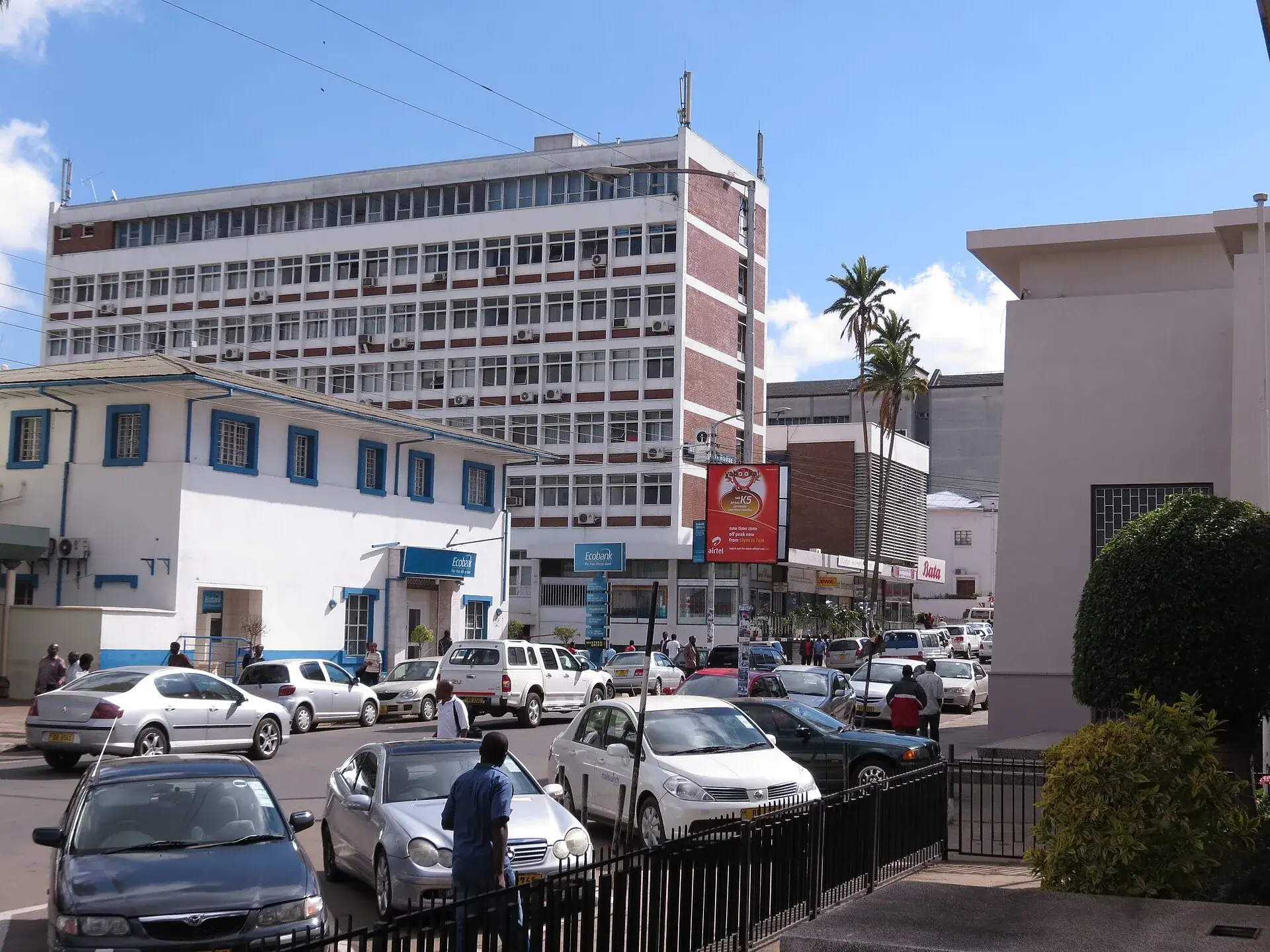 Photo: Malcolm Manners / Wikimedia Commons (CC BY 2.0)