Cost of Living in Mbabane
Where this figure comes from. No cost survey covers Mbabane, so the $900 a month above is our own estimate rather than a measurement. On 416 of our 999 city guides the figure is built from a published Numbeo basket, a one-bedroom rent in the centre plus one person's monthly costs without rent, converted to USD; this city is not one of them. How we source everything.
Budget around $900 a month as a solo remote worker in Mbabane, which is low and reflects a small economy inside South Africa's customs union. A one-bedroom place runs roughly $300 to $550. Food is cheap and largely South African, and many residents shop across the border or in Manzini, the larger commercial city half an hour away. The lilangeni is pegged one to one with the South African rand and rand circulate freely. This is our own estimate rather than a reconciliation against measured data. Anyone comparing with South Africa should note that the customs union keeps most goods at similar prices, so the saving is in rent rather than in shopping. Fibre runs about $40 to $80 a month and a coworking desk, where one exists, $60 to $120. Because the lilangeni is pegged to the rand, a South African card works everywhere and there is no exchange cost at all crossing the border, which makes the two economies effectively one for a visitor's purposes. Rents in the Ezulwini valley between the two cities sit above Mbabane itself and are where most of the country's expatriate staff live, since the hotels, the reserves and the craft markets are all along that road.
Where to Work in Mbabane
Eswatini's connectivity is modest: fibre has reached parts of Mbabane and Manzini and mobile data from Eswatini Mobile and MTN is the common fallback. Power comes largely from South Africa and is affected when that grid is under strain. There is very little coworking. English is an official language alongside siSwati and is the medium of education, government and business, which removes the language barrier. The country sits two hours ahead of London in the northern winter, which is a workable offset for European hours. Anyone needing anything the capital lacks will find Manzini half an hour east, which is larger and holds most of the country's commerce. Eswatini imports most of its electricity from Eskom, so South African load shedding used to reach here directly. Those cuts ended in May 2025, which removed the scheduled outages without removing the dependency that transmits them, and a property with an inverter is still worth the premium for the same reasons it is across the border. Johannesburg is the practical hub for anything the country cannot supply professionally. Coworking is effectively limited to hotel business centres and a couple of small spaces in Manzini, so a flat with a reliable line is the arrangement to look for rather than a desk.
Getting Around Mbabane
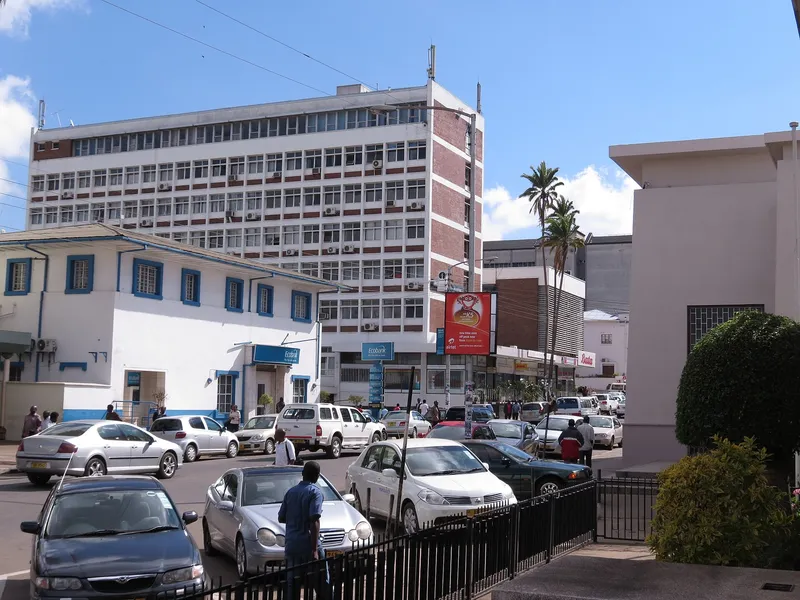
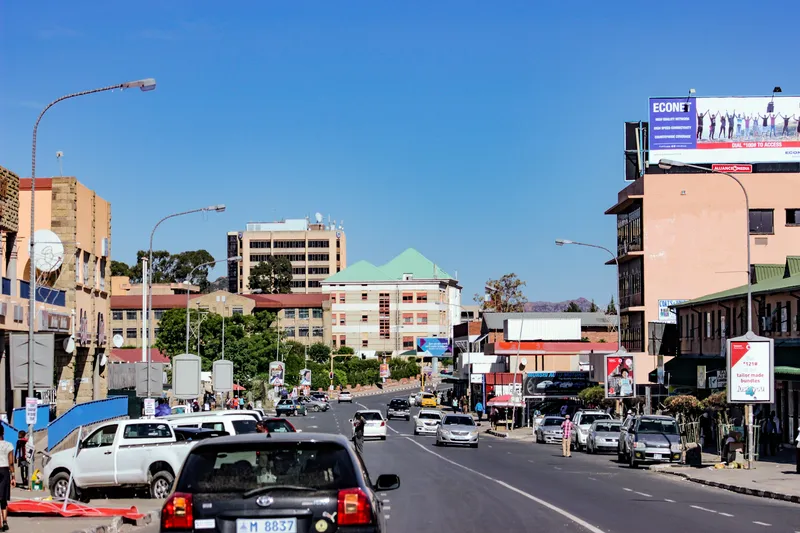
Mbabane is a small highland capital and its centre is walkable, though the town is built across steep ground. Minibus taxis and kombis cover the country cheaply. Eswatini is small enough to cross in a few hours: Manzini is thirty minutes east, Hlane and Mkhaya game reserves an hour or so beyond that, and Mlilwane Wildlife Sanctuary sits in the Ezulwini valley between Mbabane and Manzini, close enough to visit on an afternoon. King Mswati III airport has limited connections and most people fly into Johannesburg, four hours away by road. Kombis run to fixed destinations from the ranks in Mbabane and Manzini and leave when full, and the fare anywhere in the country is a couple of dollars. Driving is on the left and the roads between the main towns are good. Malolotja in the northwest holds Africa's longest zipline canopy tour and some of the oldest mining evidence anywhere, with iron ore workings dated to over forty thousand years ago at Ngwenya.
Sorting transport? Book an airport transfer, or compare car rental on Auto Europe and QEEQ.
Visas for Mbabane
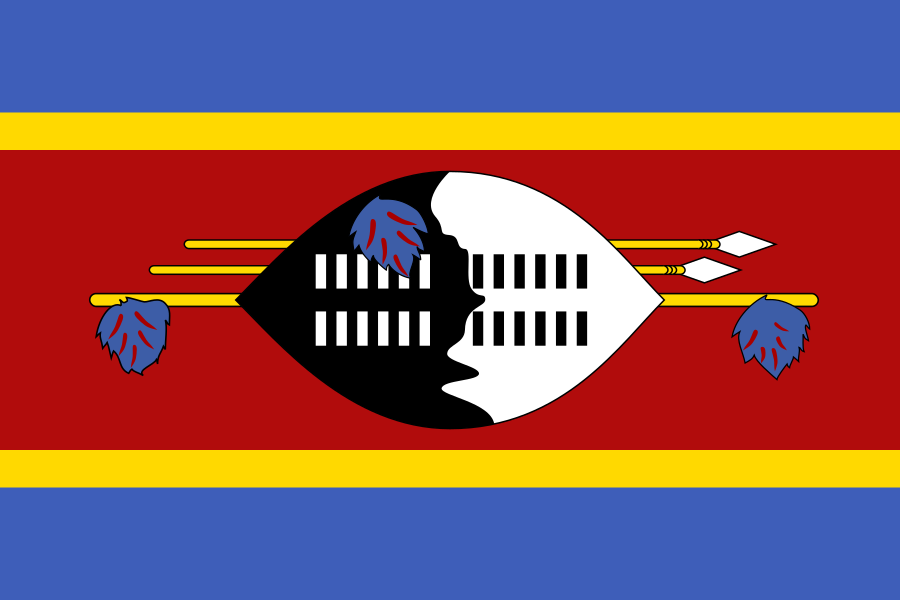
Eswatini grants visa-free entry to citizens of most Commonwealth countries, the European Union and the United States for up to thirty or ninety days depending on nationality, with an e-visa available for everyone else. There is no remote work visa. Extensions are applied for at the immigration department. The country belongs to the Southern African Customs Union with South Africa, Botswana, Lesotho and Namibia, which governs trade rather than movement, so each border still has its own immigration process. Anyone entering overland from South Africa or Mozambique should check the border post hours, since several of the smaller crossings close in the early evening. The country was still called Swaziland until 2018, so older insurance policies, airline systems and reference material sometimes still carry the previous name, which occasionally needs explaining at a desk and is worth checking on any document bought in advance.
Best Time to Visit Mbabane
April to September is the dry season and the comfortable window, with warm days in the low twenties at Mbabane's altitude and cold nights. October to March is the wet season, hotter and with heavy afternoon storms, and it is when the lowveld game reserves are greenest. The Umhlanga reed dance in late August and the Incwala kingship ceremony around December and January are the two great national events, both of them living ceremonies rather than performances for visitors. The Ezulwini valley between Mbabane and Manzini holds most of the country's craft markets and the Mantenga cultural village, and is pleasant year-round. Umhlanga runs over several days in late August and involves tens of thousands of unmarried women, and Incwala is closed to photography entirely, which is worth knowing before arriving with a camera. Mbabane sits at around 1,150 metres and is noticeably cooler than the lowveld reserves an hour east, where summer temperatures climb well into the thirties.
Pros and Cons of Mbabane
Eswatini packs a great deal into a small area: Mlilwane and Hlane hold rhino, elephant and big cats within an hour of the capital, Malolotja is serious mountain walking country, and the Ezulwini valley is genuinely beautiful. English works everywhere, it is cheap, and the country is calmer and safer than most of its neighbours. It is one of the last absolute monarchies left in the world and the pro-democracy protests of 2021 were met with force, the HIV prevalence is the highest anywhere, and Mbabane itself is very quiet. Eswatini changed its name from Swaziland in 2018 by royal decree, and both names remain in circulation internationally, which matters when searching for anything official or recent. The country's HIV prevalence among adults has been the highest in the world for two decades, though treatment coverage is now among the best in Africa and life expectancy has recovered substantially since the worst years.
Who Mbabane Is For
An English-speaking southern African base with game reserves and mountains within an hour, at a fraction of South African prices, for anyone content with a very small capital. It works well as part of a longer regional trip rather than alone. Mbabane is a small administrative town rather than a city, and whatever professional network Eswatini has is in Manzini or across the border in South Africa. Anyone staying should read about the country's political situation rather than treating it as a purely scenic destination. Swazi craft is a working industry rather than a visitor attraction. The candle, glass and weaving workshops in the Malkerns valley are businesses that export, and they let people watch because it costs them nothing. Anybody crossing between South Africa and Mozambique passes through this country whether or not they meant to, and the Lomahasha border puts Maputo about two hours away from here. Next to Maseru in Lesotho, Eswatini is warmer, greener, has the better game reserves and considerably less mountain.
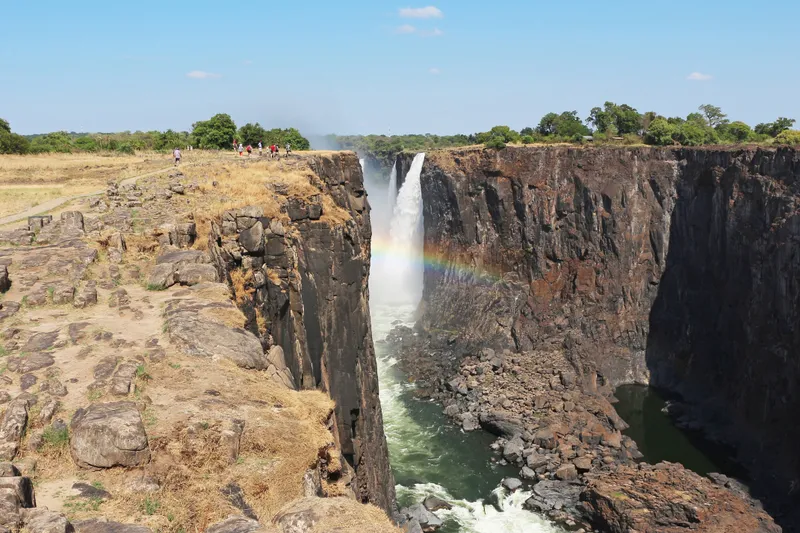
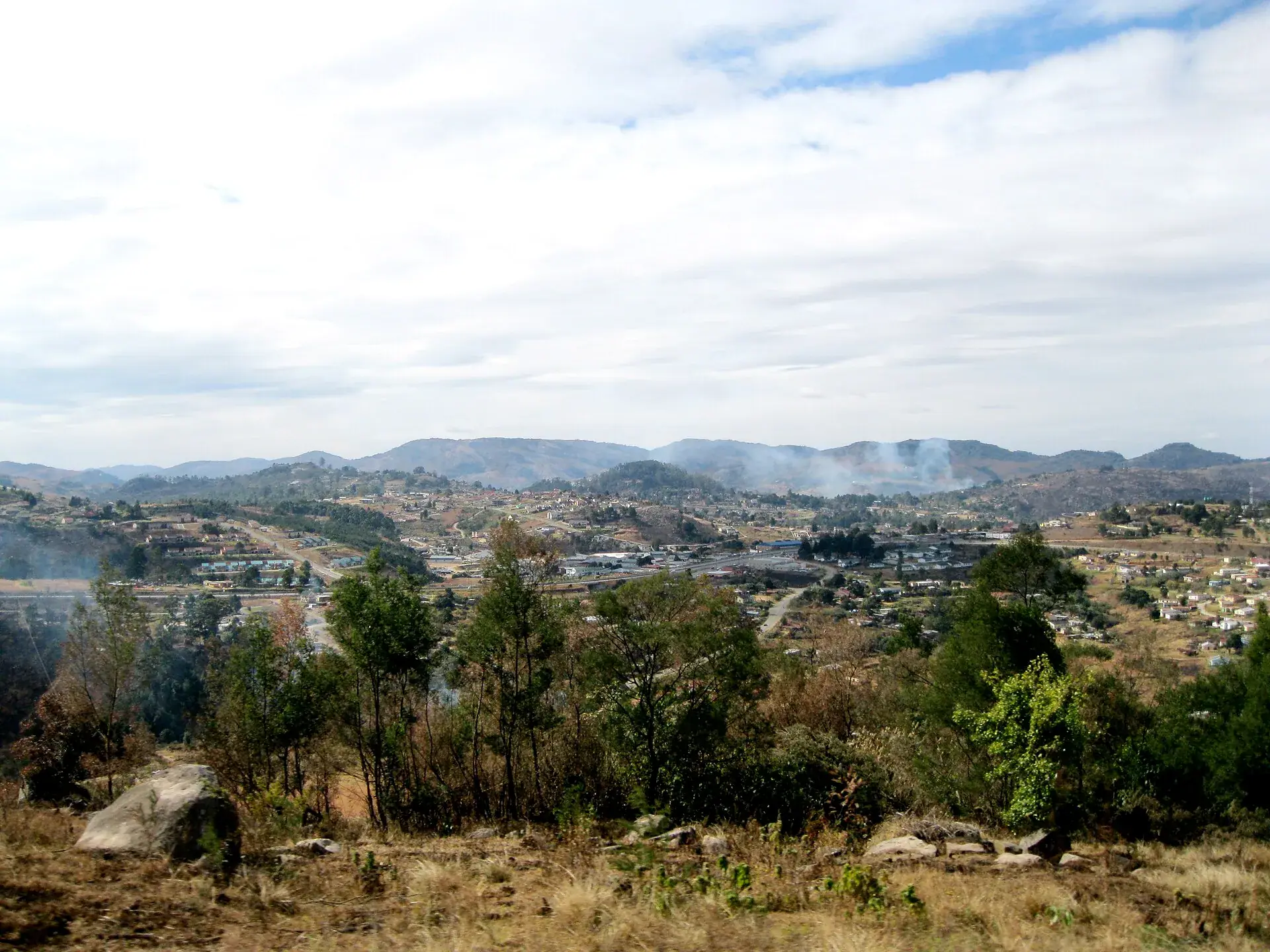 Photo: Athena Lao from Bulgaria / Wikimedia Commons (CC BY 2.0)