Cost of Living in Nelspruit
Where this figure comes from. No cost survey covers Nelspruit, so the $900 a month above is our own estimate rather than a measurement. On 416 of our 999 city guides the figure is built from a published Numbeo basket, a one-bedroom rent in the centre plus one person's monthly costs without rent, converted to USD; this city is not one of them. How we source everything.
Nelspruit runs about $900 a month for one person, cheap for a South African provincial capital. A furnished one-bedroom in Sonheuwel or West Acres is $330 to $500, and a room in a shared house $180 to $280. Groceries are $200 to $280 a month, and a restaurant main is $8 to $14. Coworking exists in a small way at $90 to $150 a month. Fibre is $30 to $45. A car is close to essential and fuel runs about $1.20 a litre. The line most people forget is backup power: an inverter and batteries became normal household kit here through the load shedding years, and most properties kept them after the national cuts ended in May 2025. The Lowveld grows what the rest of the country buys: macadamias, avocados, mangoes, bananas and citrus, and South Africa is now among the world's largest macadamia exporters with much of that crop coming from within an hour of here. The practical effect is a farm stall economy where fruit is bought at the gate for a quarter of the shelf price and the seasons announce themselves rather than needing looking up. Meat is the other line, and a braai pack from a butcher undercuts a restaurant so far that most people simply stop eating out.
Where to Work in Nelspruit
Fibre has reached most of Nelspruit's suburbs through Vumatel, Openserve and others at $30 to $45 a month, which is the foundation of working here. Coworking is limited to a few small spaces around Riverside and the town centre at $90 to $150 monthly, plus hotel business lounges. Most remote workers set up at home. The problem used to be electricity rather than bandwidth, because an outage takes the fibre ONT down with the lights unless you have an inverter and a battery. Eskom's load shedding eased through 2024 and then stopped altogether on 16 May 2025, with the 2026 winter carried without a single stage, so that battery now covers local faults rather than a published timetable. Budget for that before you budget for a desk. The city has been officially called Mbombela since 2009, meaning a crowded place in siSwati, and both names remain in daily use: the stadium and the municipality carry one, while most people and many road signs still use the other. It matters when searching for an address or a service provider, because a listing under one name may not surface under the other. siSwati and Xitsonga are the first languages here rather than Afrikaans, though English handles all business.
Getting Around Nelspruit
You need a car in Nelspruit. Minibus taxis run the main routes and are cheap but are aimed at commuters rather than visitors, and there is no useful municipal bus network. Uber and Bolt operate in town and cover most trips for $3 to $7. The town itself is compact around Louis Trichardt Street, but the reason to be here is what surrounds it: the Numbi and Malelane gates into Kruger are 50 to 65km, the Lowveld National Botanical Garden is on the edge of town where the Crocodile and Nels rivers meet, Sudwala Caves 35km, and the Blyde River Canyon and God's Window about 100km north on the escarpment. Barberton, forty five minutes southwest, sits under the Makhonjwa Mountains, listed by UNESCO in 2018 for holding some of the oldest exposed rock on the planet at around three and a half billion years. Geologists come here to study the earliest traces of life, and NASA has used the same rocks as a stand-in for Mars. The Geotrail is a marked drive over the pass into Eswatini with panels at each stop, and it is one of the stranger things available on a Saturday.
Sorting transport? Book an airport transfer, or compare car rental on Auto Europe and QEEQ.
Visas for Nelspruit
South Africa gives most Western nationalities 90 days visa free on arrival, extendable once by another 90 days through VFS, though the extension process is slow and needs to be started well before expiry. In 2024 South Africa introduced a remote work visa for people earning above a set annual threshold from a foreign employer, valid up to three years; the requirements and the threshold have been revised more than once. There is also a general work visa and a retired person visa. Overstaying triggers a ban, and enforcement is real. The border position is the practical visa fact here. Eswatini is about an hour away through Jeppe's Reef and Mozambique about ninety minutes through Komatipoort, so a reset here means a day on the road rather than a flight, which very few South African bases can say. Both are separate immigration regimes with their own requirements, and Mozambique in particular has revised what it grants at the post several times, so the trip needs checking afresh rather than repeating whatever worked last quarter.
Best Time to Visit Nelspruit
Nelspruit sits in the Lowveld at about 660m and is warm year round. April to September is the season: dry, sunny, highs of 24C to 27C, cool nights, and it is also the best time for Kruger because the bush thins out and animals concentrate at water. October to March is the wet summer, with highs near 30C, high humidity and heavy afternoon thunderstorms, and the malaria risk in the Lowveld and Kruger is at its highest then, which is worth a conversation with a travel clinic. The escarpment above the town is often in cloud in summer. June and July nights can drop to 8C, so bring something warm. The Lowveld's seasons are read off the bush rather than the calendar. By August the grass is down and the trees are bare, which is why the game viewing peaks then, and the first rains in October green everything within a fortnight and the animals disperse. The Panorama Route works the other way round: the waterfalls on the escarpment are worth the drive in the wet months and disappointing in the dry, so the two halves of what this town offers peak in opposite seasons.
Pros and Cons of Nelspruit
Nelspruit is the most practical base there is for Kruger and the Panorama Route, with an international airport 27km away, good fibre, a proper hospital, big supermarkets, and costs that sit well under those of Cape Town or Johannesburg. The Lowveld climate means shorts in July. The botanical garden and the river gorges are in the town itself. There is a car requirement, crime rates that need ordinary South African precautions rather than paranoia but do need them, seasonal malaria risk in the surrounding Lowveld, a nomad community of essentially nobody, and a town centre that is functional rather than charming. Load shedding led that list for years and came off it in 2025. Kruger's rhino are the hard fact behind the safari brochure. The park held the largest white rhino population on earth and lost most of it to poaching across roughly a decade, the count falling by thousands, and the response has run to dehorning, armed anti-poaching units and relocations to private reserves. A visitor will see fences, patrols and helicopters and may see no rhino at all. The stadium at the edge of town is the lighter counterpoint, built for the 2010 World Cup with floodlight pylons shaped like giraffes and seating striped like zebra, which is either charming or absurd depending on the day.
Who Nelspruit Is For
The bush is the reason to be in South Africa here: wildlife photographers, guides, researchers, or anyone planning to be in and out of Kruger for weeks rather than days. It is also a reasonable landing point for the new remote work visa if you want space, sun and a low cost base rather than a city. It works far better with a car and a backup power setup than without. Walkable urban life is not what a Lowveld town built around a highway offers, the nightlife is thin, no coworking community exists, and the nearest beach is in Mozambique. Cape Town remains the obvious South African choice for a first stay, at roughly double the cost. It suits a geologist as squarely as a wildlife photographer, which is not a sentence many towns earn: the Makhonjwa rocks are a working research site and the Barberton greenstone belt turns up in undergraduate textbooks worldwide. It suits somebody with a Mozambique or Eswatini interest, since both are within a morning. Anybody wanting to live without a car should look elsewhere entirely, because the distances here are the whole proposition and none of them are walkable.
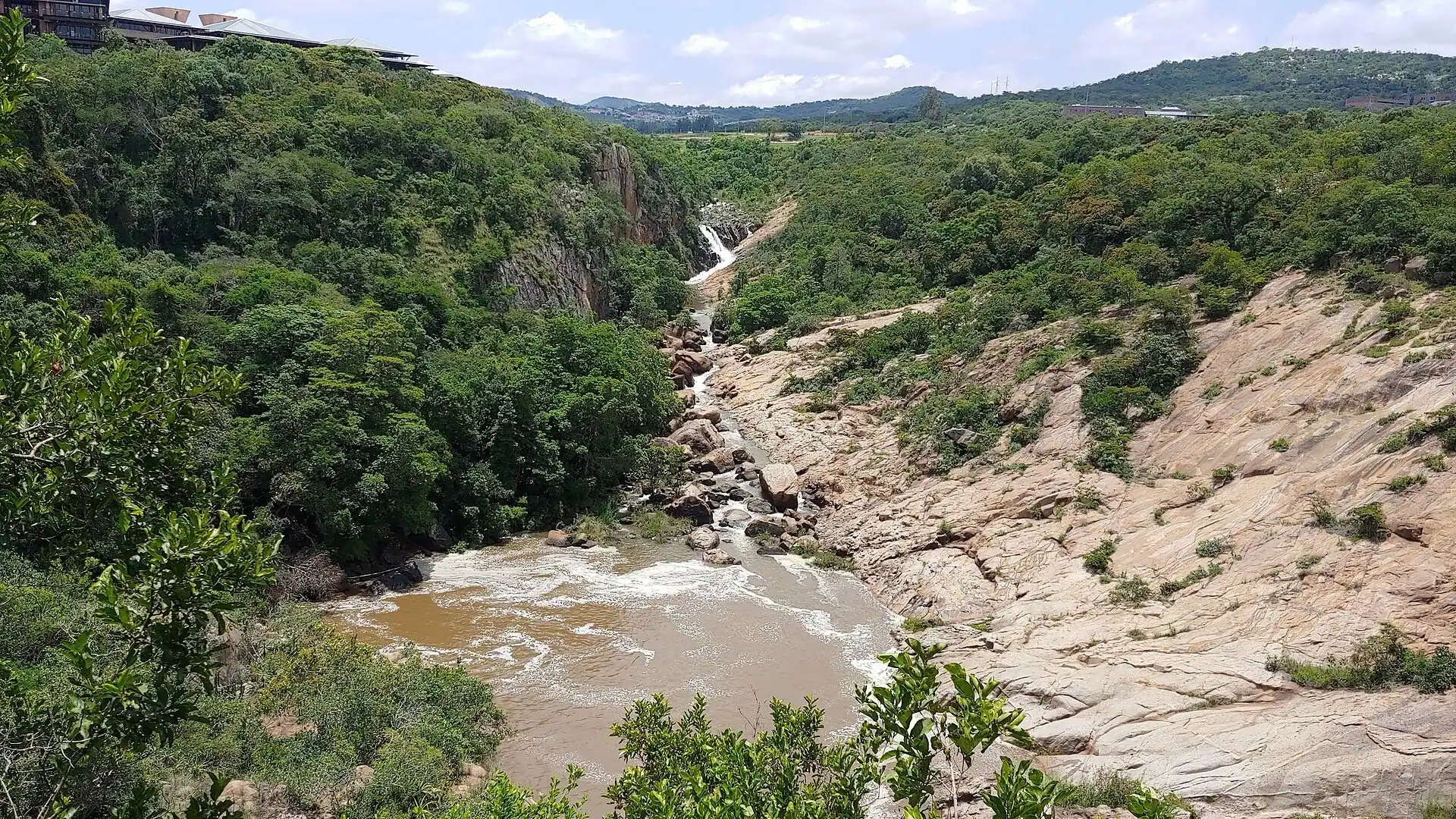 Photo: Werner Bayer OR http://www.wbayer.com OR http://www.facebook.com/wbayercom / Wikimedia Commons (CC0)