Cost of Living in Banaue
Where this figure comes from. No cost survey covers Banaue, so the $600 a month above is our own estimate rather than a measurement. On 416 of our 999 city guides the figure is built from a published Numbeo basket, a one-bedroom rent in the centre plus one person's monthly costs without rent, converted to USD; this city is not one of them. How we source everything.
Banaue is cheap by any nomad standard, but you are not paying for convenience, you are paying for a bed, a plate of rice and vegetables, and a view of terraces that took centuries to carve. A basic homestay or family-run inn room runs roughly $8 to $20 a night, often with cold-water showers and patchy hot water at best. A simple meal at a local carinderia or lodge restaurant costs $1.50 to $4, and a full day of trekking with a guide (mandatory in most areas, including Batad) runs $13 to $24 depending on the route and group size. Budget travelers can live on $15 to $25 a day including food and lodging; add guide fees, van transport to Batad or Hapao, and the odd craft souvenir, and $30 to $40 a day is a comfortable, unhurried pace. There are no coworking memberships to buy because there is nothing here that resembles a coworking space. Everything is cash, in Philippine pesos. There is one ATM in Banaue town (often out of cash or out of order), so bring more cash than you think you need from Manila or nearby larger towns before heading up.
Where to Work in Banaue
Anyone planning to "work remotely" from Banaue should know the town grew up around rice terraces and trekking, not around desks and routers. There is no coworking space, no reliable dedicated fiber line, and no cafe culture with laptop-friendly outlets and steady wifi. What exists is a handful of inns and small restaurants around the town center, like the Banaue Hotel, People's Lodge, and Sanafe Lodge, that offer wifi to guests, and it is slow, shared, and frequently down, especially during rain (which is often). Some travelers get by using a Philippine SIM (Globe or Smart) for mobile data, but signal in Banaue town is weak and essentially nonexistent once you drop into the Batad valley or the more remote barangays like Hapao. If you must handle real work, plan for short, low-bandwidth tasks (email, text-based updates) rather than video calls or large uploads, and treat any connectivity as a bonus, not a given. Most people who "work" here are doing so around a trek, not building their trip around work. If you need dependable internet for client calls or deadlines, Banaue is the wrong base; treat it as a multi-day cultural detour from a better-connected hub like Baguio or Manila.
Getting Around Banaue
Reaching Banaue takes commitment. The standard route from Manila is an overnight public or tourist bus (around 9 to 10 hours, often on a winding mountain road) with operators like Ohayami Trans and Coda Lines running direct night services to Banaue town; some travelers instead route through Baguio and continue by van or bus, which adds time but breaks up the journey. Once in Banaue, the town itself is small enough to walk, but the real terraces are outside it. Tricycles handle short hops around town and to the main viewpoint. Jeepneys and habal-habal (motorcycle taxis) run to nearby villages on a loose, weather-dependent schedule. To reach Batad, most people hire a van or tricycle to the Batad junction or saddle, then walk (roughly 30 to 45 minutes downhill on a rough trail) into the village, since no vehicle road reaches the amphitheater itself. Getting to Hapao, Hungduan, or Bangaan means chartering a van or habal-habal, as public transport there is sparse and unpredictable. Roads are frequently affected by landslides or fog in the wet season, so build slack into any itinerary; a "quick day trip" here can easily become an overnight if the weather turns.
Sorting transport? Book an airport transfer, or compare car rental on Auto Europe and QEEQ.
Visas for Banaue
Banaue follows standard Philippine immigration rules, since there is no separate regional visa. Most Western passport holders (US, UK, EU, Canada, Australia, and many others) get a visa-free stay of 30 days on arrival. That stay can be extended at a Bureau of Immigration office, most practically done in Manila, Baguio, or another regional office before or after your Banaue trip, since Banaue itself has no immigration office. Extensions typically add 29 or more days at a time for a fee (roughly $49 to $65 for a first extension, though prices shift), and can usually be stacked for a few months of stay before more paperwork or a border run is needed. The Digital Nomad Visa created by Executive Order No. 86 in 2025 was still not open for applications in October 2026, and nothing about it is specific to Ifugao province; you are simply a tourist here, which is honestly how most people experience Banaue anyway, as a stop of a few days rather than a base for months. Plan your immigration paperwork around cities with actual immigration offices, not around Banaue.
Best Time to Visit Banaue
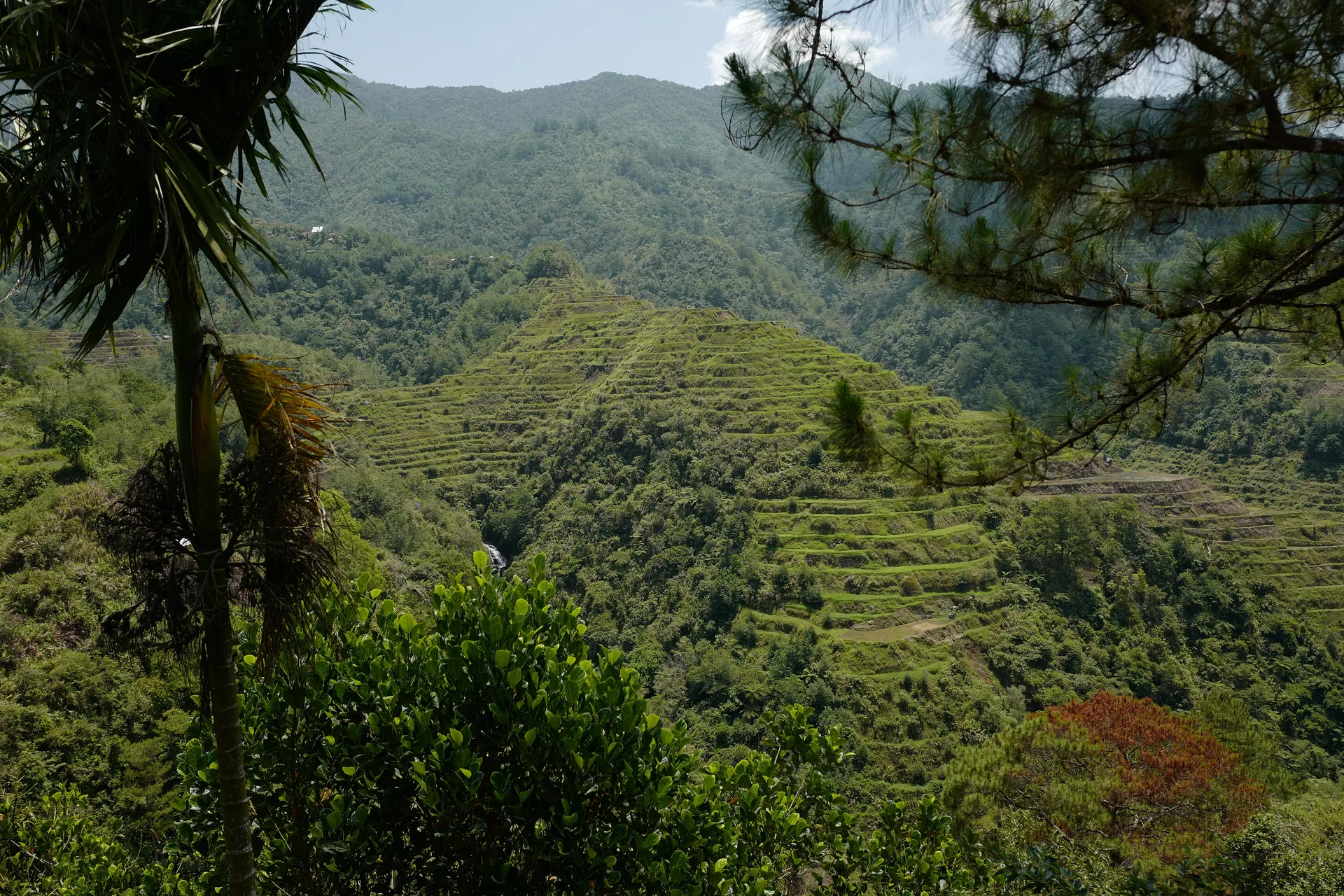
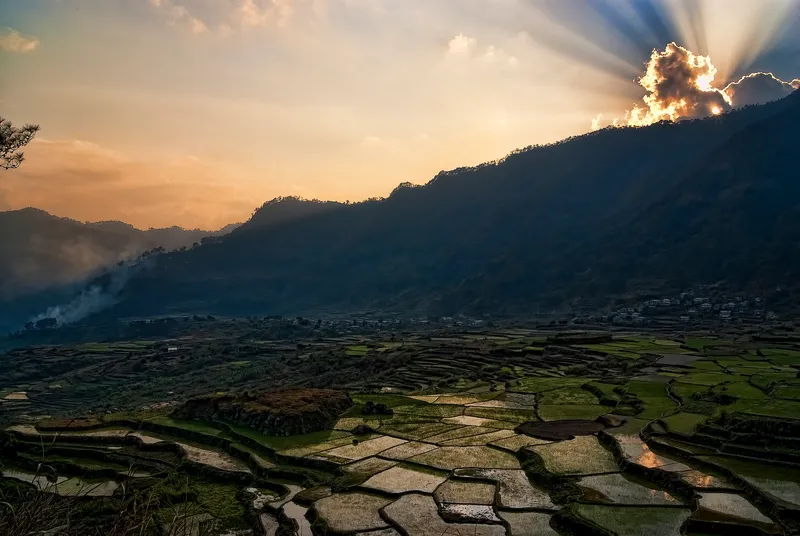
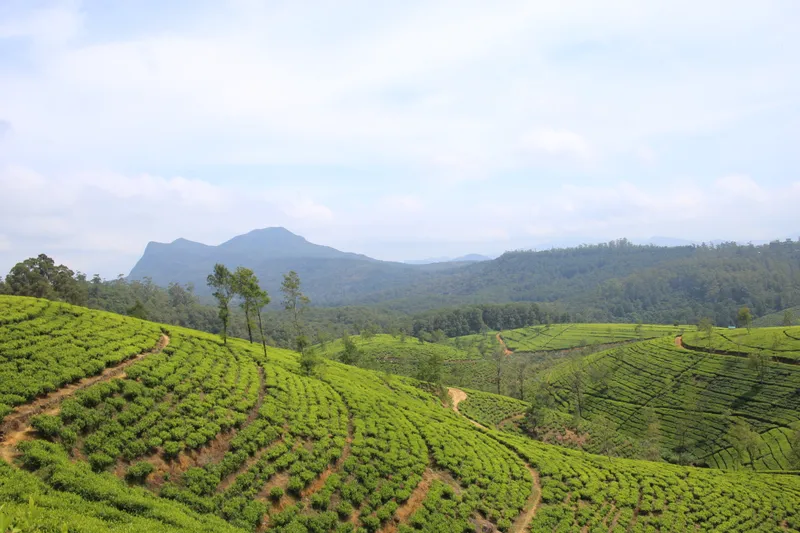
The dry season, roughly November through April, is the most reliable window, with clearer skies, firmer trekking trails, and a much lower chance of your bus getting stuck behind a landslide. December through February can be cool and even foggy at this elevation (around 1,500 meters), so pack a light jacket; nights get genuinely chilly. The wet season, May through October, brings heavier rain, slippery trails, and a real risk of road closures on the mountain routes in and out, though it also brings dramatic mist and lush, deep-green terraces. For the terraces themselves, timing matters as much as the season: the planting period (roughly April to June) fills the paddies with water that mirrors the sky, while the harvest period (around September to October) turns them a rich gold. Between plantings the terraces can look comparatively dry and green rather than the postcard flooded-mirror shot, so if a specific look matters to you, it is worth checking with a local guide or inn before booking dates.
Pros and Cons of Banaue
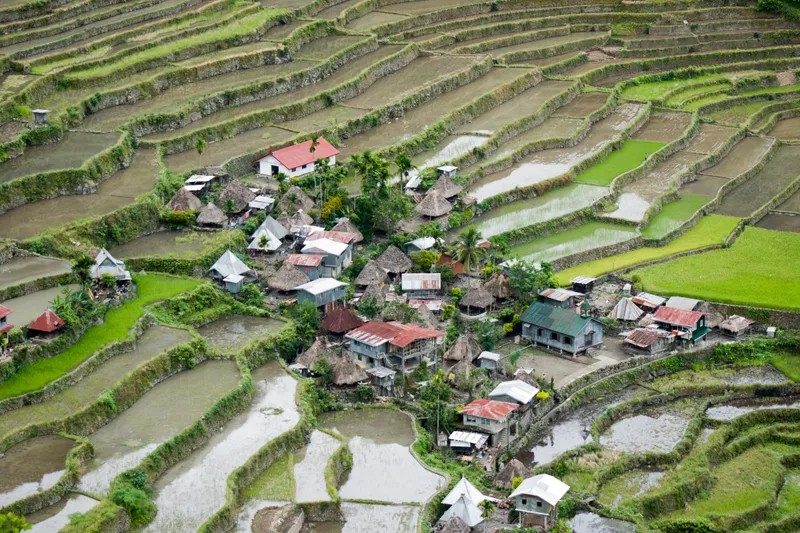
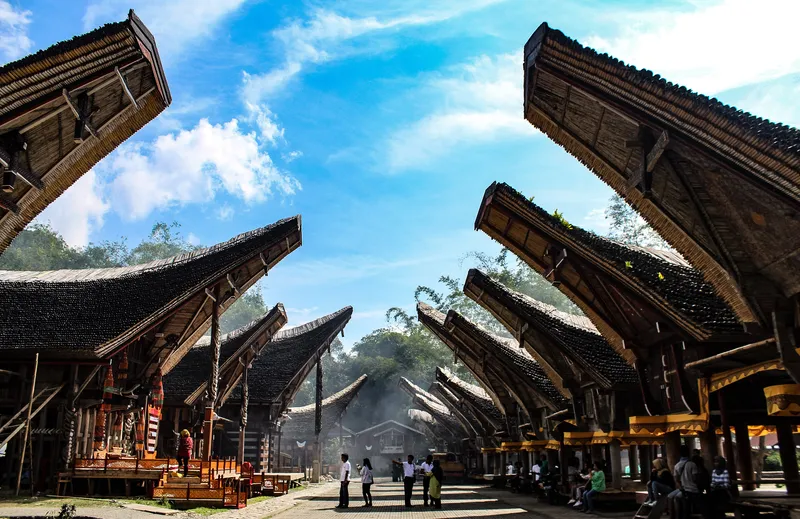
The pros are substantial if you come for the right reasons: the rice terraces are a genuine, UNESCO-recognized wonder, the Batad amphitheater and Tappiya Falls are among the most striking landscapes in the Philippines, and Ifugao culture, from woodcarving to weaving to traditional rituals, is alive here rather than staged for tourists. Homestays put you directly with local families, and the trekking is world-class for the effort involved. The cons are equally real: wifi and mobile signal are weak to absent, the bus ride in and out is long and can be uncomfortable, accommodation is basic (expect cold showers, thin walls, and simple rooms), the weather can wash out a day or a road with little warning, and there is essentially no nightlife or expat social scene to speak of. Prices, while low, add up faster than expected once you factor in mandatory guides and van charters. This is a place that rewards patience and low expectations about comfort, and punishes anyone hoping for a smooth, connected, high-amenity stay.
Who Banaue Is For
Banaue is for travelers and short-stay nomads who want a genuine cultural and trekking experience and are willing to disconnect to get it. It suits people who can front-load their work before arriving, take a real offline break of three to seven days, and reconnect afterward in a better-connected hub. It is a strong fit for photographers, hikers, and anyone curious about indigenous Cordillera culture, and a poor fit for anyone needing daily video calls, fast uploads, or predictable infrastructure. If your business can tolerate a few days of near-total radio silence, Banaue delivers scenery and culture that few places on earth can match. If it cannot, visit it as a vacation from your nomad base, not as the base itself.