Cost of Living in Lalibela
Where this figure comes from. No cost survey covers Lalibela, so the $600 a month above is our own estimate rather than a measurement. On 416 of our 999 city guides the figure is built from a published Numbeo basket, a one-bedroom rent in the centre plus one person's monthly costs without rent, converted to USD; this city is not one of them. How we source everything.
Lalibela is very cheap, one of the most affordable places a traveller could base themselves, reflecting Ethiopia's low prices and the town's small, rural highland setting. A comfortable single-person budget runs roughly $500 to $900 a month. Simple guesthouse rooms or basic flats cost little, often $100 to $300 for a longer stay, and local Ethiopian food is inexpensive. These are our editorial estimates in US dollars, priced against the Ethiopian birr, which has fluctuated considerably. Beyond a room and food, the main cost is the entry ticket to the churches and the occasional guide. Budgeting here is awkward for reasons that have nothing to do with prices being high. The currency was floated in 2024 and has moved a great deal since, so any figure written more than a few months ago is unreliable; treat the ranges above as an order of magnitude rather than a quote. And this is a cash town: card acceptance is close to nonexistent beyond one or two of the bigger hotels, the machines are few and sometimes empty, and the sensible approach is to arrive with enough for the whole stay rather than assuming you can draw more.
- Guesthouse room or basic flat, long stay: roughly $100 to $300 a month
- Plate of injera with wot: roughly $2 to $4
- Traditional coffee ceremony: a modest sum
- Church-complex entry ticket: a one-off, priced for tourists
Where to Work in Lalibela
Lalibela is a remote highland pilgrimage town, emphatically not a remote-work destination, and connectivity is a serious limitation. Internet is slow, patchy and unreliable, and Ethiopia has periodically imposed nationwide internet shutdowns, so a working connection cannot be counted on at all; anyone dependent on the internet should treat Lalibela as a place to visit rather than to work from. There is no coworking scene, and even basic mobile data through Ethio Telecom can be inconsistent. Come for the churches and the culture, plan your work around a visit rather than the other way around, and manage expectations accordingly. Satellite internet became licensed in the country during 2024, and a handful of hotels in remote towns have begun using it, so ask any place you are considering what its connection actually runs on rather than assuming the answer. That is the only realistic route to a dependable connection here. Beyond bandwidth, the altitude does its own work on a schedule: at over two and a half thousand metres, the first few nights leave most people short of sleep and slow in the mornings, and pushing through it rarely works.
Getting Around Lalibela
Lalibela is a small hillside town, and the famous churches are clustered within walking distance in the centre, so getting around means walking, often up and down steep, rough paths at over 2,500 metres, which takes some effort. Minibuses and bajaj auto-rickshaws help with longer or steeper trips. The town has a small airport with flights from Addis Ababa, which is by far the easiest way in and out; the overland roads are long and rough. Local guides, easily arranged, add enormously to understanding the churches and their living religious role. A few details make the day easier. Shoes come off at every church entrance, so wear something you can slip in and out of twenty times, and expect to hand them to an attendant. The northern and eastern groups sit on either side of a stream bed, with the cross-shaped one out on its own a short walk further, and the passages linking some of them are genuinely dark, so bring a torch rather than relying on a phone. The domestic flight schedule changes with demand and with the season, so leave a day of slack at each end rather than connecting tightly to an international departure.
Sorting transport? Book an airport transfer, or compare car rental on Auto Europe and QEEQ.
Visas for Lalibela
Most visitors enter Ethiopia on an e-visa, applied for online before arrival and typically issued for 30 or 90 days, or a visa on arrival at the main airport for eligible nationalities. Extensions are handled through the immigration authorities in Addis Ababa. Ethiopia does not have a digital nomad visa. Entry rules and the security situation, especially in the Amhara region, have varied; note your permitted period to avoid overstaying. The detail that catches travellers is that the online permit is normally single entry. A side trip to a neighbouring country and back means a fresh application and a fresh fee, so plan the route as one loop rather than a hub and spokes. Because that paperwork happens only in the capital, which from here is a flight rather than an errand, it is far simpler to apply for the longer period at the outset even if you are unsure how long you will stay. Anyone arriving from a yellow fever country will be asked for the certificate at the airport.
Best Time to Visit Lalibela
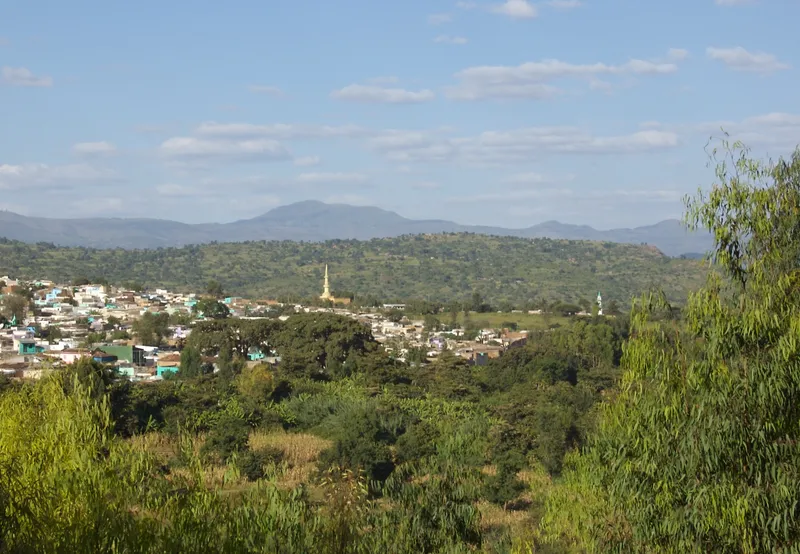
Lalibela sits high in the Ethiopian highlands, giving it a mild, temperate climate despite its tropical latitude, with warm days and cool nights year-round. The best time to visit is the dry season from October to March, when clear skies make exploring the churches and the surrounding highlands comfortable. The main rains fall from June to September, bringing heavy afternoon downpours that can complicate travel on rough roads. The most extraordinary time is the Ethiopian Christmas, Genna, in early January, when tens of thousands of white-robed pilgrims converge on the churches in a moving spectacle. The calendar itself needs explaining, because it is not the one you are used to. The local year runs about seven years behind the Gregorian and has thirteen months, so festival dates will not line up with any conversion you do in your head; ask rather than calculate. Timkat, the Epiphany celebration, falls a fortnight later and is nearly as vivid, which makes the opening weeks of the year the single richest stretch of the calendar and also the hardest time to find a bed.
Pros and Cons of Lalibela
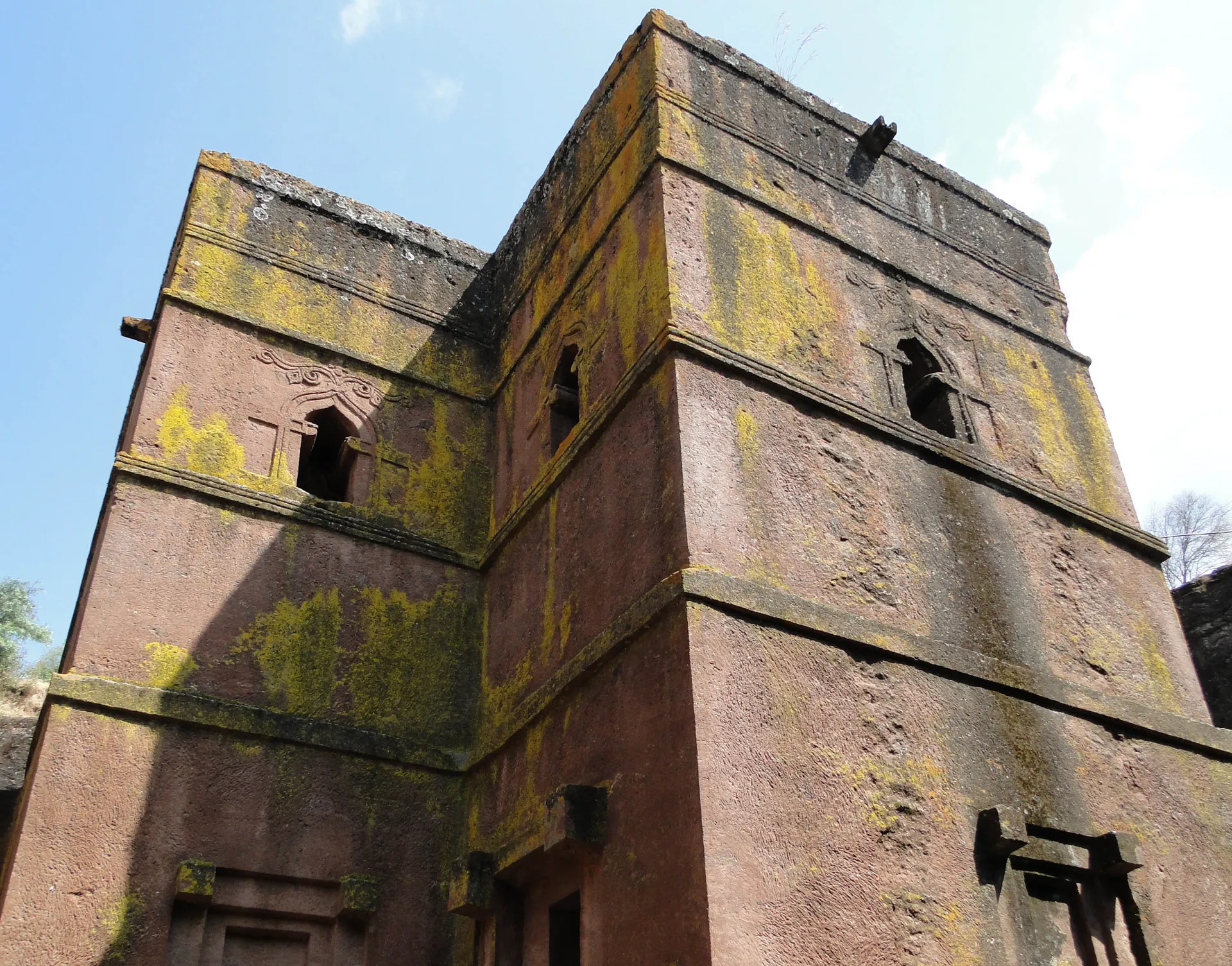
Lalibela offers a living wonder of the world, with the realities of a very remote and basic town. The honest framing is that this does not belong on any list of places to work from. It belongs on a much shorter list of places worth rearranging a year to see. Eleven churches cut downward out of solid rock in the twelfth and thirteenth centuries, still in daily use by the priests and pilgrims they were made for, is not a ruin or a museum piece; it is one of the few things on earth that genuinely resists comparison. Against that, everything practical is difficult. Connectivity cannot be relied on at all, the food choices narrow quickly, medical care is thin, and the wider regional situation has required careful attention in recent years. Go with your work paused rather than pretending it can continue, and the trip will be one of the ones you remember.
- Pros: the astonishing rock-hewn churches, a UNESCO World Heritage site and living centre of Ethiopian Orthodox faith, extraordinarily low costs, a mild highland climate, dramatic scenery, and a deeply authentic cultural experience.
- Cons: extremely poor and unreliable internet with the risk of national shutdowns, a very remote location, basic infrastructure and limited food variety, no nomad community, and the need to follow travel advisories carefully given Ethiopia's regional security situation.
Who Lalibela Is For
Lalibela is for the culturally and spiritually curious traveller who wants to witness one of the world's great wonders and a living religious tradition, and who is not trying to work online while there. History lovers, photographers and adventurous, off-the-beaten-path travellers will find it profoundly moving, especially around the Genna pilgrimage. It suits a shorter, immersive visit rather than any kind of work base. It is entirely unsuited to anyone who needs reliable internet, infrastructure, a community or comfort. Come for the churches, keep your plans flexible, and let Lalibela's faith and stone leave their mark. Practically, that means treating the visit the way you would treat a wedding or a funeral you have to fly to: block the days out, tell clients in advance, download what you need to read, and accept that you will be unreachable for stretches. Three to five days is the usual length, a week if you want to walk out to the monasteries in the hills. Anyone who cannot step away from a keyboard for that long should keep the place on a list for a year when they can, because doing it badly is worse than not doing it.