Cost of Living in San Francisco
Where this figure comes from. No cost survey covers San Francisco, so the $5,200 a month above is our own estimate rather than a measurement. On 416 of our 999 city guides the figure is built from a published Numbeo basket, a one-bedroom rent in the centre plus one person's monthly costs without rent, converted to USD; this city is not one of them. How we source everything.
Budget roughly $5,200/month as a solo remote worker in San Francisco. A one-bedroom apartment in a central neighborhood like SoMa, the Mission, or Nob Hill runs about $3,000 to $3,600, while heading out to the Sunset, Richmond, or nearby Oakland can trim that to $2,300 to $2,800. Groceries land around $450 to $600 because California prices and city markups add up. Eating out is expensive: expect $18 to $25 for a casual lunch and easily $60 or more for a dinner out. A Muni monthly pass is $81, and a coworking hot desk costs $250 to $450. Add utilities, phone, and a gym and you are comfortably past $5,000. These figures are editorial estimates in USD and shift with the season and your neighborhood, but San Francisco is genuinely one of the most expensive cities in the United States, so pad your buffer.
Where to Work in San Francisco
San Francisco is a tech hub, so coworking is plentiful. WeWork operates several downtown and SoMa locations, and Regus and Industrious have a presence too. Home internet is excellent: fiber from Sonic and AT&T reaches many neighborhoods, and gigabit plans are common, so remote calls rarely stutter. Cafe-work culture is strong but competitive; laptop-friendly spots in the Mission, Hayes Valley, and the Marina fill up fast on weekday mornings, and some busier cafes limit table time or discourage all-day sitting. Look for independent roasters with outlets and reliable wifi rather than crowded chains. If you take a lot of video calls, a dedicated coworking desk is worth the money because it guarantees a seat, quiet phone booths, and consistent bandwidth. Public libraries, including the beautiful Main Library downtown, offer free, quiet workspace if you want to keep costs down. Downtown office vacancy here sits at a level without precedent in any American city, which is why so much space is offered short and cheap and why a desk can be negotiated rather than simply bought at list price. The clock is the other consideration: eight hours behind London and on the far side of the date line from most of Asia, so one of the two has to give.
Getting Around San Francisco
You do not need a car in San Francisco, and parking is expensive and scarce, so many nomads skip one entirely. Muni runs buses, light rail, and the historic streetcars, while BART connects the city to Oakland, Berkeley, and the airport. The system is decent but not flawless, so build in buffer time. The city is famously walkable in its dense core, though the hills are real and will test your legs. Cycling works on flatter routes, and Bay Wheels bike share is widespread. Ride-hailing with Uber and Lyft is everywhere and reliable, which makes sense given both were founded here. The main airport is San Francisco International (SFO), a major hub about 30 minutes south and directly on BART. Oakland (OAK) is a smaller alternative across the bay. Overall, transit plus walking plus occasional ride-hailing covers almost everything. The commuter line south to the valley has run on electricity since 2024 and is quicker and quieter than it has been in decades, which matters to anybody whose meetings are down the peninsula rather than in the city itself. Car break-ins are common enough that residents leave nothing at all visible, and a hire car parked on a street overnight is a poor bet.
Sorting transport? Book an airport transfer, or compare car rental on Auto Europe and QEEQ.
Visas for San Francisco
The United States has no dedicated digital nomad visa, so plan around standard tourist entry. If you hold a passport from a Visa Waiver Program country, you apply online for ESTA and can visit for up to 90 days without a formal visa. Everyone else generally needs a B-2 tourist visa, which involves a consular interview; a B-2 visitor is normally admitted for six months. Neither status authorizes employment in the United States, and the US has no visa made for remote work. Never overstay, and be honest at the border about the length and purpose of your trip. A Visa Waiver stay cannot be extended, while a B-2 visitor can apply to USCIS for more time in steps of up to six months.
Best Time to Visit San Francisco
San Francisco has a mild, quirky climate that defies the usual seasons. Summers, June through August, are often cool and foggy, especially in western neighborhoods, where wind and gray skies can surprise visitors expecting California sunshine. The genuinely warm, clear stretch arrives in September and October, which are the best months to visit for reliable sun and comfortable temperatures. Late spring, particularly May, is also pleasant. Winter, from November to March, brings the rainy season with cool, damp days, though hard freezes and snow essentially never happen. There is no oppressive heat to avoid, but pack layers year round because temperatures swing sharply between the sunny and foggy sides of town and between day and night. If you want the postcard version of the city, aim for early autumn and keep a warm jacket handy regardless of the calendar. Smoke from fires burning elsewhere in the state reaches the city some autumns and can hold the air quality down for days at a time, which is the one seasonal risk worth tracking. The big storms arrive as atmospheric rivers, a few enormous systems rather than steady drizzle, and one of them can drop a month of rain across a weekend and bring trees down with it.
Pros and Cons of San Francisco
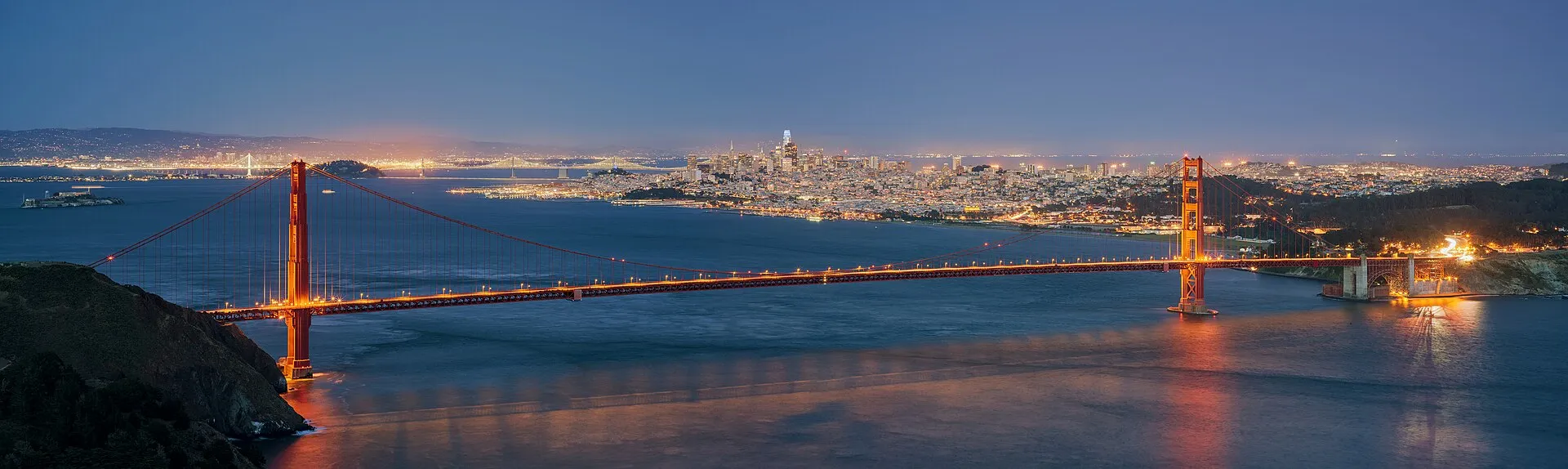
Pros: San Francisco offers world-class internet, a dense tech and startup scene, excellent public transit, walkable neighborhoods, and stunning natural surroundings from the bay to nearby redwoods and wine country. The food is outstanding and internationally diverse, and English-speaking remote workers slot in easily. Cons: cost is the headline problem, with rent and dining among the highest in the country, so your budget disappears fast. Visible homelessness and street issues in parts of downtown can feel jarring, and property crime like car break-ins is common. The famous fog and chill disappoint sun seekers, and the city can feel transient and work-obsessed. Timezone alignment with Europe and Asia is awkward for calls. It is a superb base if money is not your primary constraint, but a punishing one if you are trying to stretch a modest nomad budget over several months.
Who San Francisco Is For
The well-funded remote worker, founder or tech professional who wants to be at the centre of the startup and AI world, and who can absorb the costs without flinching, will get what they came for. It rewards nomads who value walkability, top-tier infrastructure, and easy access to nature over cheap living. If you are building a company, raising money, or want to network with engineers and investors, few places compress that opportunity so tightly. It also fits people who prefer a compact, transit-friendly US city where a car is optional. It is a poor match for budget travelers, sun worshippers, or anyone chasing geoarbitrage, since your money goes much further almost anywhere else. Come here for the ecosystem, the ideas, and the setting, not to save money. Short, intense stays tend to work better financially than long ones for most independent nomads.