Cost of Living in Portland
Real market data
Source: Numbeo · August 2026
$3,310/moSolo nomad1-bed centre + living costs
$4,290/moCoupleshared 1-bed + costs
$2,860/moLean / localcheaper area + costs
- 1-bed rent, city centre$2,080
- 1-bed rent, outside centre$1,630
- Monthly costs excl. rent (1 person)$1,230
- Meal, inexpensive restaurant$25
- Monthly transit pass$100
- Buy price, per m² (centre)$3,900
Prices are from Numbeo (August 2026), already in US dollars. The monthly living-costs figure is our transparent one-person basket, groceries, a few meals out, utilities, phone, internet, transport and essentials, priced from those figures. Solo adds central rent; couple and lean are estimates from the same numbers.
Portland sits in a middle tier for US cities: cheaper than San Francisco or Seattle, but noticeably more expensive than most of the world's nomad hotspots. Rent is the biggest variable. A one-bedroom in central areas like the Pearl District, Nob Hill, or the Central Eastside runs $1,600-2,200 per month. Move to outer northeast or southeast Portland, and you can find a solid one-bedroom for $1,100-1,500. Groceries for a single person run around $400-550 per month; Oregon ranks among the top ten most expensive states for food. Eating out is a highlight: a sit-down dinner at a mid-range restaurant costs $18-30 per person, and there are plenty of food cart pods where a full meal runs $10-14. A coworking hot-desk pass costs $30-45 per day, or roughly $200-350 per month for a part-time membership. Public transit (a monthly TriMet pass) is $100. Portland has no state income tax and no sales tax, which saves money on everyday purchases.
- Rent (central, 1BR): $1,600-2,200/month
- Rent (outer neighborhoods, 1BR): $1,100-1,500/month
- Groceries (single person): $400-550/month
- Eating out (avg. meal): $12-28
- Coworking hot-desk: $200-350/month
- Monthly transit pass: $100
- Total comfortable range: $2,600-3,800/month USD
All prices are in USD. Portland uses the US dollar (USD).
Where to Work
Portland has a real coworking scene that punches above its size. CENTRL Office runs multiple locations including a Pearl District space and a Central Eastside spot, with memberships starting around $95 per month and flexible day passes. NedSpace, a longtime downtown staple founded in 2009, offers 15,000 square feet of space and day passes for $45, including a podcast studio and fitness center. Co-Working PDX occupies a ninth-floor suite on SW Broadway and draws a tight-knit community. WeWork operates a Lloyd District building at 830 NE Holladay with full amenities.
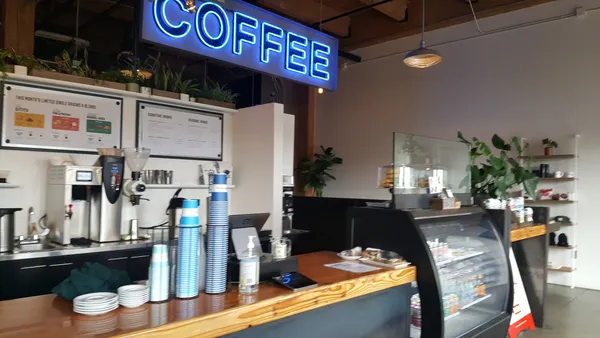
Cafe work culture is genuinely embedded in Portland's identity. Most independent coffee shops welcome laptop workers, though some limit time during busy hours. Wifi quality is generally solid at dedicated coworking spaces (fiber is common) and adequate at cafes. Home internet is reliable throughout the city, with fast plans widely available. The main issue is not wifi quality but rather finding a seat: popular cafes fill fast on weekday mornings.
Getting Around
Portland is walkable and bikeable in its central neighborhoods. The inner eastside, Pearl District, and downtown are all easy to cover on foot or by bike. The city has an extensive bike lane network and a well-used bikeshare program (BIKETOWN).
The MAX Light Rail system connects the city across five color-coded lines and runs every 15 minutes or less most of the day. A single adult fare costs $2.80; a monthly pass is $100. The system links downtown with the Lloyd District, the Central Eastside, and extends to suburbs like Beaverton and Hillsboro.
Getting to Portland International Airport (PDX) is simple: the MAX Red Line runs direct from downtown to the airport terminal in under 40 minutes, with trains every 15 minutes starting at 4:43am. The fare is the standard $2.80. Rideshare (Uber, Lyft) is available and typically runs $25-40 from central Portland.
A car is optional for most nomads staying in inner Portland, but useful if you want to explore the coast or Mount Hood on weekends.
Sorting transport? Book an airport transfer, or compare car rental on Auto Europe and QEEQ.
Visas and Staying Long-Term
The United States does not offer a dedicated digital nomad visa. Citizens of 42 countries in the Visa Waiver Program can enter without a visa for up to 90 days using ESTA (Electronic System for Travel Authorization), which costs $40.27 and must be approved before travel. Citizens outside the Visa Waiver Program need a B-2 tourist visa, and B-2 visitors are normally admitted for six months.
Critically, neither an ESTA nor a B-2 admission permits employment in the United States. A Visa Waiver stay cannot be extended beyond 90 days, while a B-2 visitor can apply to USCIS for an extension. Many nomads treat Portland as a short-term base of 4-8 weeks, then leave and re-enter, but this carries risk if a customs officer determines you are living in the US rather than visiting.
Best Time to Visit
Portland has a mild oceanic climate with a reputation for rain that is partly deserved and partly exaggerated. It rarely gets hot or freezing, but it is genuinely gray for much of the year.
Summer (June-September) is the best window for remote work. Temperatures sit in the 70-85°F (21-29°C) range, skies are reliably sunny, and daylight stretches to 15+ hours. July and August attract the most tourists and push accommodation prices up.
May and September/October are the sweet spots: good weather, thinner crowds, lower costs, and the city's food and arts scene in full swing. Wildfires in eastern Oregon can occasionally push smoke into the city in late summer, though 2025 saw zero unhealthy air quality days in Portland from wildfire smoke.
November through March brings persistent drizzle and grey skies, with temperatures rarely dropping below freezing. Rain is light but constant. It is cheap and quiet, which suits some nomads, but the lack of sunlight takes a toll over weeks.
Pros and Cons
- Exceptional food scene, particularly independent restaurants, food carts, and coffee culture
- No state income tax and no sales tax
- Strong coworking infrastructure for a mid-size city
- Easy airport access via direct MAX rail link
- Outdoor access: coast, Columbia River Gorge, and Mount Hood all within 90 minutes
- Walkable and bikeable central neighborhoods
- Violent crime dropped sharply in 2025, among the steepest declines in the US
- High property crime: vehicle break-ins and theft remain well above the national average
- Visible homelessness in downtown and under freeway underpasses
- 90-day tourist entry limit with no straightforward extension path
- Gray winters that stretch from November through early April
- More expensive than most global nomad destinations
- Wildfire smoke risk in August and September, though variable year to year
Who Portland Is Best For
Portland suits nomads who earn in USD or another strong currency and want a creative, food-obsessed US city without paying San Francisco prices. It works well for people who value independent coffee culture, access to nature, and a city with genuine character rather than a polished corporate sheen. The food cart scene and restaurant quality make it a strong pick for food-focused travelers. It is a natural fit for a 4-8 week stay in summer or early fall, particularly for North Americans who can enter under ESTA or on a US passport without visa complications.
Skip Portland if you are budget-constrained and better served by Southeast Asia or Latin America, if you are sensitive to grey weather and need reliable winter sun, or if you plan to stay more than 90 days without a US work authorization. It is also not ideal if you rely on a strict daytime schedule and cannot tolerate the noise and disruption that comes with visible urban poverty in certain downtown areas.