Cost of Living in Boise
Real market data
Source: Numbeo · September 2026
$2,520/moSolo nomad1-bed centre + living costs
$3,240/moCoupleshared 1-bed + costs
$2,180/moLean / localcheaper area + costs
- 1-bed rent, city centre$1,620
- 1-bed rent, outside centre$1,280
- Monthly costs excl. rent (1 person)$900
- Meal, inexpensive restaurant$20
- Monthly transit pass$42
- Buy price, per m² (centre)$7,300
Prices are from Numbeo (September 2026), already in US dollars. The monthly living-costs figure is our transparent one-person basket, groceries, a few meals out, utilities, phone, internet, transport and essentials, priced from those figures. Solo adds central rent; couple and lean are estimates from the same numbers.
Budget around $2,520 a month as a solo remote worker in Boise, which no longer makes it the bargain it was before 2020, when a wave of arrivals from the west coast reset the housing market permanently. A one-bedroom apartment runs roughly $1,100 to $1,500, with the North End and downtown at the top and the Bench and Garden City cheaper. Idaho has no local sales tax surprises beyond the state rate and utilities are reasonable. Health insurance is the line item that dominates any American budget and sits outside this figure. The figure is built from Numbeo prices for Boise: a one-bedroom in the centre plus a one-person basket of food, transport and bills. Idaho's income tax is a flat rate in the high five per cent range and the state sales tax is six per cent, which is middling for the American west. Coworking runs $200 to $350 a month. The housing reset since 2020 is the number that matters most: Boise had one of the steepest percentage increases of any American metro in that period, so any figure from before then is badly out of date and locals will tell you so.
Where to Work in Boise
Boise has a real coworking market for a city its size, built on a technology sector anchored by Micron and a startup scene that grew through the last decade. Desks run from roughly $200 a month. Fibre reaches most of the city at competitive American prices and mobile coverage is comprehensive. The professional network here is genuine rather than nominal, which distinguishes Boise from most of the smaller American cities on this site, and the state capital and university both add layers to it. Remote workers are common enough that no one finds the arrangement unusual. Boise sits in Mountain time, two hours behind New York and seven to eight behind most of Europe, so east-coast work starts early and European work is impractical. Micron's presence is the anchor of the technology sector and its expansion has continued, which is unusual for a city this size and is why the professional network holds up rather than being a handful of freelancers.
Getting Around Boise
Boise is flat where it matters and the downtown grid is walkable, though the city sprawls into the valley beyond it and most residents drive. The Boise River Greenbelt runs about forty kilometres along the water and is the spine of the city for cycling and walking, which is the single best thing about moving around here. Valley Regional Transit buses cover the main corridors and little else. The Ridge to Rivers trail network starts at the edge of the foothills within reach of downtown. Boise airport is fifteen minutes out with direct flights across the western United States. The Greenbelt is the single piece of infrastructure that defines daily life here, running from Lucky Peak through the middle of the city, and a good number of residents commute on it year-round. Bogus Basin is a non-profit community ski area rather than a resort, which keeps the season pass remarkably cheap by American standards and the crowds local. No passenger train has served this city in decades, so the airport ten minutes from downtown does everything, and the drive to the nearest larger city runs six hours in any direction you choose. That isolation is the thing residents either value or resent.
Sorting transport? Book an airport transfer, or compare car rental on Auto Europe and QEEQ.
Visas for Boise
The United States has no digital nomad visa, so a remote worker coming to Boise from abroad enters on the same ESTA or B-2 visitor terms as any tourist. Most Western nationals enter under the Visa Waiver Programme with an ESTA, which allows ninety days per visit for tourism or business meetings but not employment. Those who need a B2 visitor visa are normally admitted for six months. Anything longer requires a work visa tied to an employer, an investor category or family sponsorship, none of which is quick. As elsewhere in the United States, the practical reading is that this page describes a place for people who already hold work rights. Anyone entering on an ESTA should treat the ninety days as the ceiling it is and avoid the pattern of repeated back-to-back entries, which is precisely what secondary inspection exists to examine.
Best Time to Visit Boise
May, June, September and October are the best months, with warm dry days and cool nights that suit the trails and the river. Summer from July into August is hot and dry, regularly above thirty-five degrees, and wildfire smoke from the wider region has become a recurring feature of late summer that visibly affects air quality for days at a time. Winter is cold but not severe by northern American standards, with daytime temperatures around freezing and enough snow for Bogus Basin thirty minutes up the mountain, which is the reason many people here tolerate January. The Boise River is the summer social centre as much as the trails are: floating it from Barber Park to Ann Morrison is a city-wide ritual through July and August, and the shuttle and rental operation that supports it is run by the county. Smoke season increasingly overlaps the best of it. Floating the river on a rented tube from one park down to another is the town's summer institution, with a shuttle running people back upstream, and on a hot Saturday the water is busier than the path beside it.
Pros and Cons of Boise
Boise gives outdoor access that few American cities can match, with a forty-kilometre riverside greenbelt through the middle, foothill trails from the edge of downtown, a ski area half an hour away and whitewater within reach. It has a genuine technology employment base, a walkable centre and the largest Basque community in the United States with the food and festival culture to show for it. Costs here have risen sharply, the summer brings both heat and wildfire smoke, and the city is a long way from anywhere, with Salt Lake City and Portland both a serious drive. The Basque community is a genuine feature rather than a curiosity: the Basque Block downtown, the boarding house museum and the Jaialdi festival every five years make Boise the centre of Basque-American life, a legacy of the sheepherding migration of the late nineteenth century. Groceries are taxed at the full six per cent here, unlike in most states, which exempt food, so the supermarket bill always runs a little above the shelf prices.
Who Boise Is For
Trails, a river and a real professional network without a coastal price, for an American willing to drive for whatever the city does not stock itself. It is unusually good for anyone who skis, rides or paddles, since all three are within thirty minutes. Without American work rights there is essentially nothing to build on, since the visa system offers a remote worker almost no route, and the international community in Idaho is small enough to notice its absence. Late-summer arrivals should know what the smoke season does to the air here. Scale is the argument that keeps people here. This is a western American city with the trails and the airport of somewhere considerably larger, and it can still be crossed in twenty minutes, which is a combination that usually disappears as a place grows. It also works as a trial run for anyone considering settling in the interior West, because a few months on a furnished lease shows what the summer smoke and the long drives feel like before a house purchase locks anyone in.
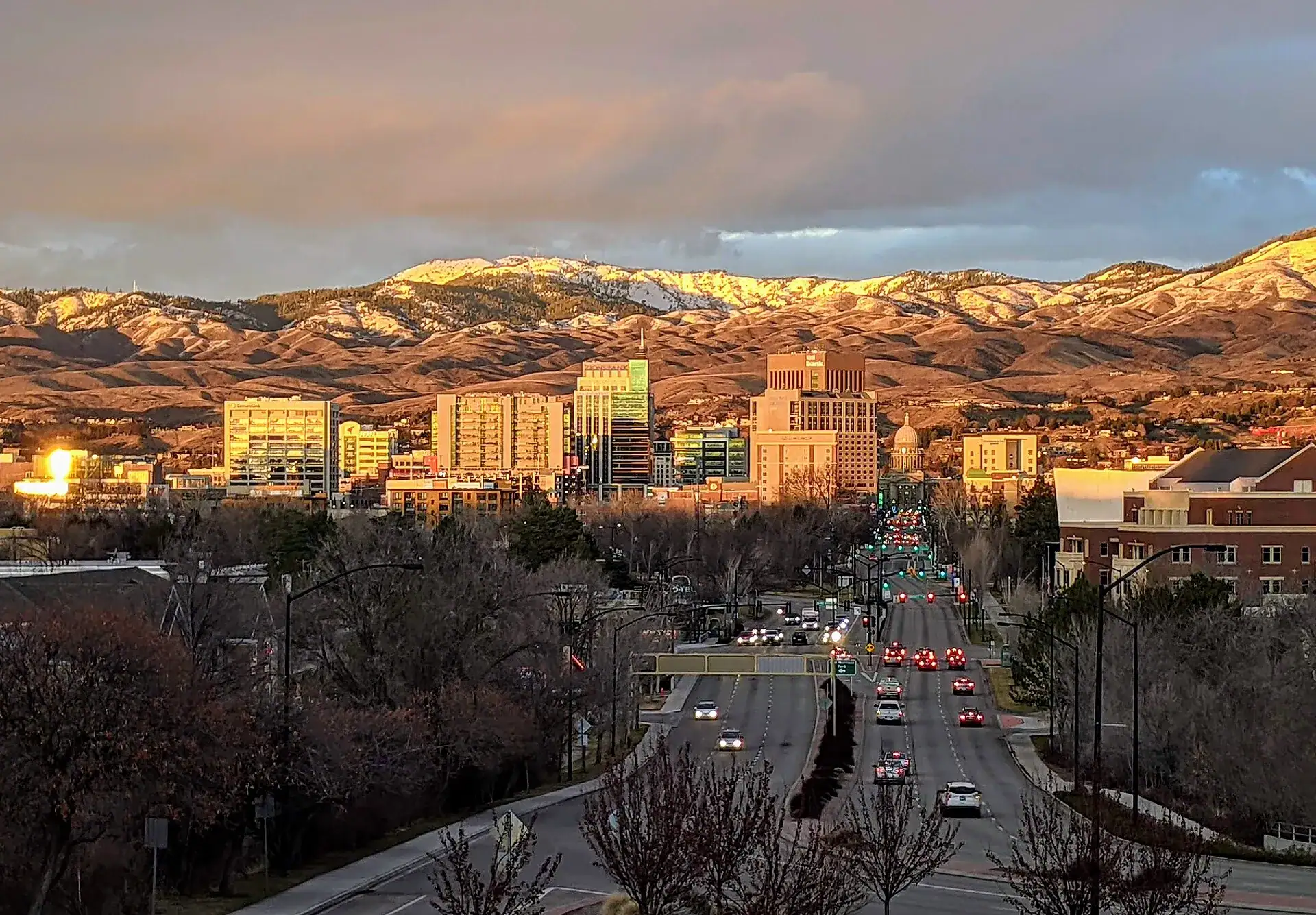 Photo: Jyoni Shuler / Wikimedia Commons (CC BY-SA 4.0)