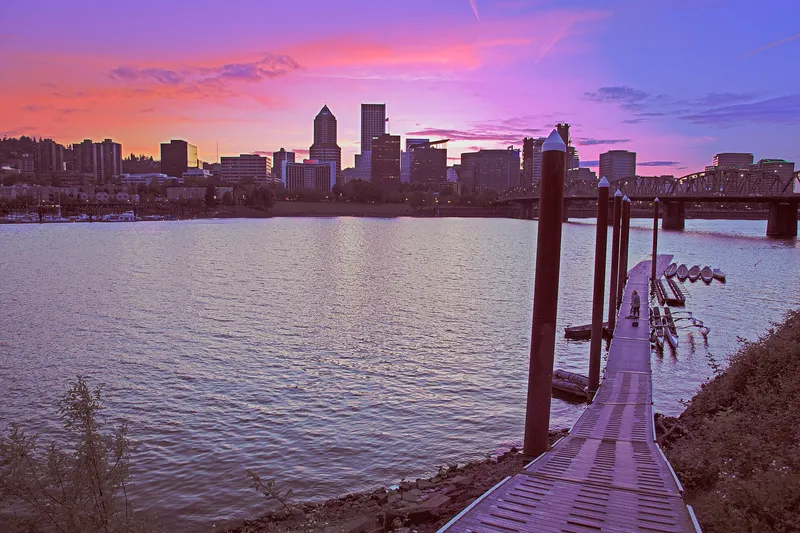
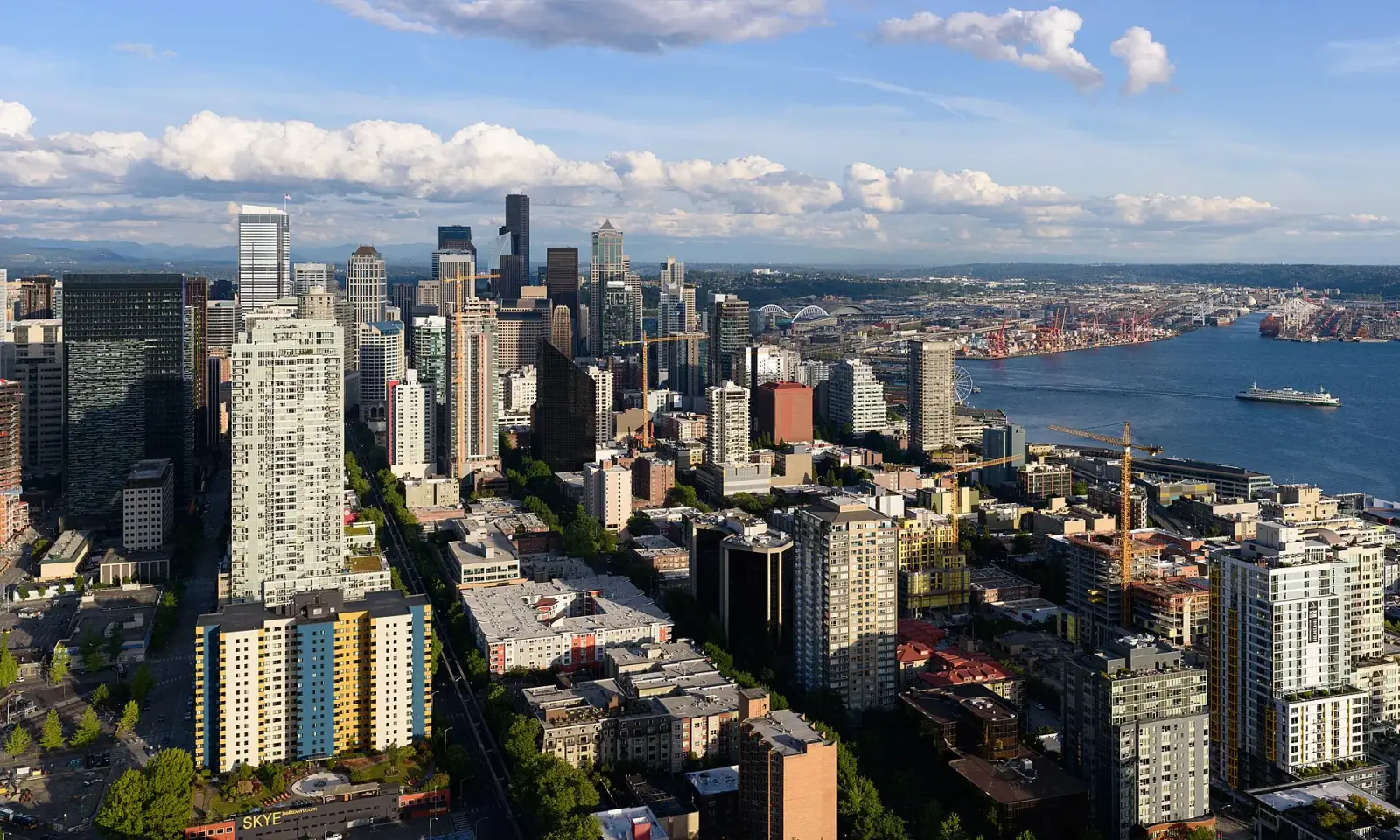
Seattle downtown skyline and Elliott Bay seen from the Space Needle on a sunny day
Photo: King of Hearts / Wikimedia Commons (CC BY-SA 4.0)
USA flag

Seattle

USA

Discover a tech giant capital with coffee culture and mountain views.

$4.500
Monthly Budget
--
Current Weather
Oceanic
Climate Type
90 Mbps
Avg. WiFi Speed
5/10
Safety Score
5,000+
Active Nomads
--
Time Difference
Scroll
0
Nomad Score

Why Seattle Works for Remote Work

Discover a tech giant capital with coffee culture and mountain views. Seattle pairs English with fast WiFi and a oceanic climate, all for about $4,500 a month. If anything, cost lags.

Compare Seattle vs Victoria →

Category Breakdown

How Seattle scores across all 13 factors

Weather in Seattle

Monthly averages from 2019-2023 (Open-Meteo), and the best time to visit

Jan
Feb
11°
Mar
13°
Apr
18°
May
21°
12°
Jun
24°
15°
Jul
25°
15°
Aug
21°
13°
Sep
15°
Oct
10°
Nov
Dec
Daily high & low (°C)Rainfall (mm/month)Best months to visit

The best time to visit Seattle for comfortable weather is Jun, Jul, Aug. The warmest month is Aug (around 25°C by day), and the wettest is Jan (about 194mm of rain).

Chasing good weather? See other cities that are warm in Jun, or plan a multi-city route around the seasons. Staying a while in Seattle? Check visa options, your time-zone overlap and how far your budget stretches, or find it on the world map.

Historical monthly averages, not a forecast. Source: Open-Meteo.

Best Neighborhoods in Seattle

Where to base yourself for the perfect nomad experience

Capitol Hill

$$
Alternative & LGBTQ+

Seattle's LGBTQ+ and nightlife hub

Capitol Hill is Seattle's alternative heart - LGBTQ+ culture, live music, and vibrant nightlife. It's the city's most diverse and energetic neighborhood.

Best for: LGBTQ+ travelers, night owls, and those seeking Seattle's edge
✓ Pros
  • Best nightlife
  • LGBTQ+ culture
  • Live music
  • Diverse community
✗ Cons
  • Parking nightmare
  • Can be loud
  • Expensive housing

Pike Place/Downtown

$$$
Tourist & Market

Seattle's iconic market and waterfront

Pike Place is Seattle's must-see - the famous market, original Starbucks, and waterfront access. It's touristy but genuinely essential.

Best for: First-time visitors, market lovers, and those seeking iconic Seattle
✓ Pros
  • Pike Place Market
  • Waterfront
  • Fresh seafood
  • Iconic
✗ Cons
  • Very touristy
  • Crowded
  • Expensive

Fremont

$$
Quirky & Fun

Seattle's quirky self-proclaimed center

Fremont declares itself the 'Center of the Universe' - quirky public art, local breweries, and eccentric character. It's Seattle's most fun neighborhood.

Best for: Art lovers, quirky seekers, and those seeking unique Seattle
✓ Pros
  • Quirky art
  • Great breweries
  • Sunday market
  • Character
✗ Cons
  • Far from downtown
  • Limited transit
  • Can be touristy

Ballard

$$
Brewery & Nordic

Seattle's Scandinavian brewery district

Ballard is Seattle's beer capital - craft breweries, Scandinavian heritage, and maritime history. It's where Seattle drinks and celebrates its Nordic roots.

Best for: Beer lovers, history buffs, and those seeking local Seattle
✓ Pros
  • Best breweries
  • Locks
  • Nordic heritage
  • Local feel
✗ Cons
  • Far from downtown
  • Limited transit
  • Weekend crowds

South Lake Union

$$$
Tech & Modern

Seattle's Amazon-transformed tech hub

South Lake Union is Seattle's tech center - Amazon headquarters, modern restaurants, and urban transformation. It's Seattle's most dramatically changed neighborhood.

Best for: Tech workers, modern seekers, and those seeking new Seattle
✓ Pros
  • Modern amenities
  • Good restaurants
  • Lake access
  • Tech energy
✗ Cons
  • Corporate feel
  • Expensive
  • Less character

Cost of Living in Seattle

Seattle is one of the more expensive cities in the United States, but costs vary significantly depending on where you choose to live and how you spend. All figures are in USD.

Rent is the biggest line item. A furnished studio or one-bedroom in central neighborhoods like Capitol Hill, Belltown, or South Lake Union runs $2,000-$2,600 per month. Move out to Ballard, Fremont, or Beacon Hill and you can find comparable space for $1,700-$2,200. Groceries at a standard supermarket cost around $300-$450 per month for one person. Eating out ranges from $18-$25 for a casual meal to $90-$130 for dinner for two at a mid-range place. A coworking hot desk runs roughly $40-$65 per day or $300-$550 per month on a membership. Local transport is a flat $3 per ride on buses and light rail, or $108/month for a pass. A realistic monthly total for a solo nomad is $3,500-$5,500, depending on your accommodation, how often you cook, and whether you use coworking daily.

Where to Work

Seattle has a solid coworking scene anchored by established operators and a genuinely laptop-friendly cafe culture. The city's tech roots mean most venues take reliable connectivity seriously.

Coworking spaces include WeWork at 1448 NW Market Street in Ballard, Industrious at 2033 6th Avenue in Belltown, and Pioneer Collective with locations in Ballard and Capitol Hill. Industrious day passes start around $50-$63. WeWork and Pioneer Collective offer similar flexibility. All three have fast, consistent internet suited to video calls.

Laptop-friendly cafes are plentiful. Zoka Coffee in the University District, Ballard Coffee Works on Market Street, and Caffe Vita's Capitol Hill flagship are all well known among remote workers. Most offer reliable WiFi and enough seating to make a half-day session practical. Expect to spend $5-$8 on drinks to justify a long stay.

In terms of the real WiFi situation: speeds at coworking spaces are consistently strong. Cafe WiFi is generally good enough for calls and video conferencing at the places listed above, though crowded chains can be inconsistent. If you need guaranteed uptime, a coworking day pass is worth it.

Getting Around

Seattle's public transport is anchored by the Link Light Rail, which connects Seattle-Tacoma International Airport (SEA) to downtown in around 38 minutes for a flat $3 fare. The 1 Line runs through Capitol Hill, downtown, and continues south toward Federal Way. Bus service fills in most other areas, but coverage is uneven: neighborhoods like Ballard, Fremont, and West Seattle have no light rail and rely entirely on buses.

Walkability is neighborhood-dependent. Capitol Hill, Belltown, and South Lake Union are genuinely walkable with dense amenities. Ballard is walkable within its core. The further you get from central neighborhoods, the more you need a bus, bike, or rideshare. Seattle has a growing network of protected bike lanes, and e-bike and scooter rentals are available citywide.

Rideshare (Uber and Lyft) is widely available. Driving is possible but parking downtown is expensive and traffic is notoriously congested during peak hours. Most nomads find they do not need a car if they base themselves in Capitol Hill or downtown.

The airport is well connected by light rail with no need to book a transfer in advance. Just follow signs to the station from the 4th floor of the parking garage via Skybridge Six.

Visas and Staying Long-Term

The United States does not offer a dedicated digital nomad visa. Your options depend on your passport. Citizens of Visa Waiver Program (VWP) countries (including most of the EU, UK, Australia, Japan, and many others) can enter without a visa and stay for up to 90 days, authorized through ESTA. Citizens of countries not on the VWP list need a B-2 tourist visa, which can grant up to 6 months per entry at the discretion of the border officer.

There is no official extension path for tourist or visa-waiver stays beyond the initial period without leaving the country. You can legally work remotely for non-US clients or employers while on tourist entry, but you cannot be employed by or receive US-source income from a US company. There is no nomad visa category for the US as of 2026.

Always confirm entry rules with your country's US embassy or the official USCIS website before travel, as policies can change.

Best Time to Visit

Seattle has a temperate marine climate: mild, wet winters and dry, warm summers. The pattern is predictable enough to plan around.

July through September is the clear sweet spot. Temperatures reach the mid-70s Fahrenheit (around 23-24C), skies are mostly clear, and the city comes alive. Long daylight hours and easy access to outdoor activities make productivity feel easier. August in particular is reliably sunny with very few rain days.

October through April brings persistent overcast skies and frequent light rain. It is rarely cold enough for snow in the city, but grey days are relentless from November through March. This can affect mood and motivation for longer stays. Accommodation is cheaper in winter, and coworking spaces are less crowded, which some nomads prefer.

April through June is a reasonable shoulder option: temperatures rise steadily, rain becomes less constant from May onward, and summer crowds have not yet arrived. It is a decent compromise if July and August are not possible.

For a short remote-work trip, July to early October is hard to beat. For a longer stay of several months, timing your arrival before the grey season sets in matters.

Pros and Cons

  • Excellent coworking and cafe infrastructure with fast, reliable internet across the city
  • Stunning natural surroundings: mountains, forests, and Puget Sound are all accessible from the city
  • No state income tax in Washington, which benefits US-based freelancers and contractors
  • Strong English-speaking tech and creative community with active meetup and networking scenes
  • Outstanding food culture with serious coffee, Pacific Northwest seafood, and diverse international options
  • Dry, mild summers that are among the most pleasant in any major US city
  • High cost of living with rent and dining well above the US average
  • Long, grey winters from November through March that can be genuinely draining for extended stays
  • 90-day cap for most international visitors under the Visa Waiver Program with no nomad visa option
  • Wildfire smoke from August through September can produce poor air quality days, sometimes for a week or more
  • Traffic and transit gaps: several desirable neighborhoods lack light rail, and driving is slow during peak hours
  • Homelessness and visible urban poverty in parts of downtown and Pioneer Square can be jarring

Who Seattle Is Best For

Seattle works well for nomads who already earn in USD or have a budget that comfortably covers $4,000-$5,000 per month. Tech workers, designers, and anyone with US-based clients will feel at home: the city's professional culture and infrastructure are calibrated to remote work in a way that few US cities match. Nature lovers who want to combine serious outdoor access (hiking, skiing, kayaking, whale watching) with a full urban experience will find the combination here is genuine, not just marketing copy. The coffee culture is real and among the best in North America.

Seattle is less suited to budget-conscious nomads or those relying on cheap extended stays. The 90-day visa limit makes it impractical as a long-term base for international nomads without additional planning. Anyone who needs consistent sunshine for their mental health should treat Seattle as a summer destination only and plan to leave before October.
Where to Stay in Seattle

Top neighborhoods and accommodations for digital nomads

Hyatt House Seattle/Downtown

Aparthotel
Lower Queen Anne

All-suite aparthotel steps from the Space Needle with full kitchenettes, free hot breakfast, and fast WiFi ideal for longer stays.

Check availability →

Staybridge Suites Seattle Downtown - Lake Union by IHG

Serviced apartments
South Lake Union

Extended-stay suites with full kitchens in walkable South Lake Union, close to tech campuses, cafes, and the lakefront trail.

Check availability →
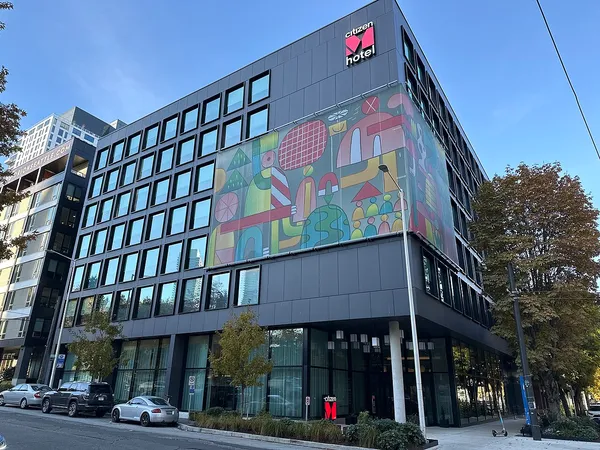
citizenM Seattle South Lake Union hotel exterior with colorful mural

Photo: Peaceray (CC BY-SA 3.0)

citizenM Seattle South Lake Union

Hotel
South Lake Union

Smart tech-forward hotel with a 24-hour co-working lounge, fast WiFi, and a lively lobby bar perfect for solo remote workers.

Check availability →
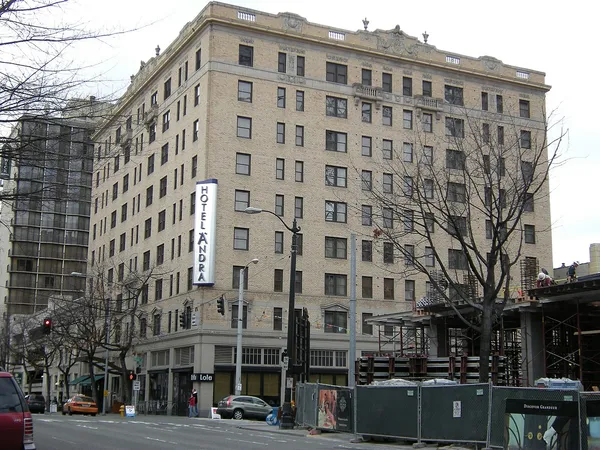
Hotel Ändra building exterior at 4th and Virginia, Seattle

Photo: Joe Mabel (CC BY-SA 3.0)

Hotel Ändra Seattle MGallery

Boutique hotel
Belltown

Scandinavian-inspired boutique hotel with laptop-friendly workspaces in every room, walkable to Pike Place Market and dozens of cafes.

Check availability →
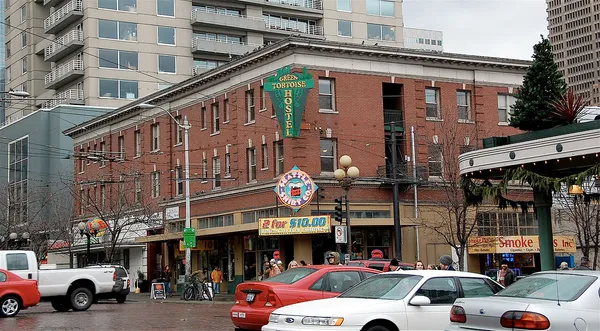
Green Tortoise Hostel exterior with signage at First and Pike, Seattle

Photo: LWYang (CC BY 2.0)

Green Tortoise Hostel Seattle

Hostel
Pike Place Market

Well-rated hostel across from Pike Place Market with free breakfast, fast WiFi, a full kitchen, and a sociable vibe for solo nomads.

Check availability →

Browse apartments, aparthotels and hotels across Seattle. Compare prices and book a base that suits a remote-work stay.

See available stays in Seattle →

Affiliate link. See our disclosure.

Best Coworking Spaces

Where nomads get work done in Seattle

Industrious Downtown Seattle

Premium coworking
Belltown

Polished coworking on the 6th floor with fast internet, private offices, open desks, and complimentary breakfast and snacks.

Visit website →

WeWork 1448 NW Market Street

Coworking space
Ballard

Full-service WeWork in the heart of Ballard with dedicated desks, private offices, phone booths, and onsite staff.

Visit website →

The Pioneer Collective Ballard

Community coworking
Ballard

Locally owned coworking in an eco-friendly timber building with flexible memberships, phone rooms, bike storage, and a genuine community feel.

Visit website →

Zoka Coffee University District

Laptop-friendly cafe
University District

Spacious cafe with a stone fireplace, floor-to-ceiling windows, abundant seating, and WiFi that handles video calls comfortably.

Visit website →
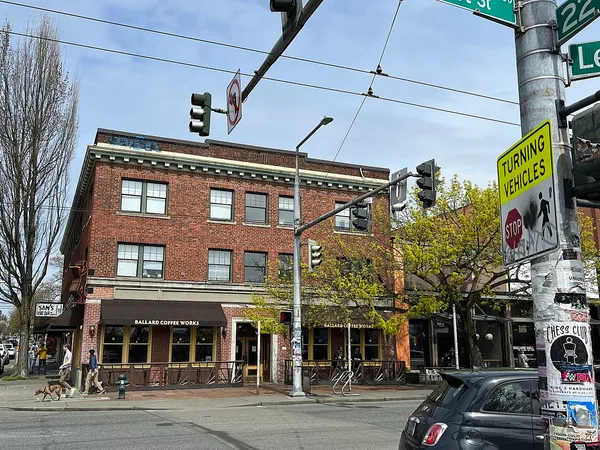
Ballard Coffee Works storefront on a brick corner building in Ballard, Seattle

Photo: Another Believer (CC BY-SA 4.0)

Ballard Coffee Works

Laptop-friendly cafe
Ballard

Industrial-style cafe in Ballard with free WiFi, plentiful outlets, and a spacious layout popular with remote workers and freelancers.

View on Maps →
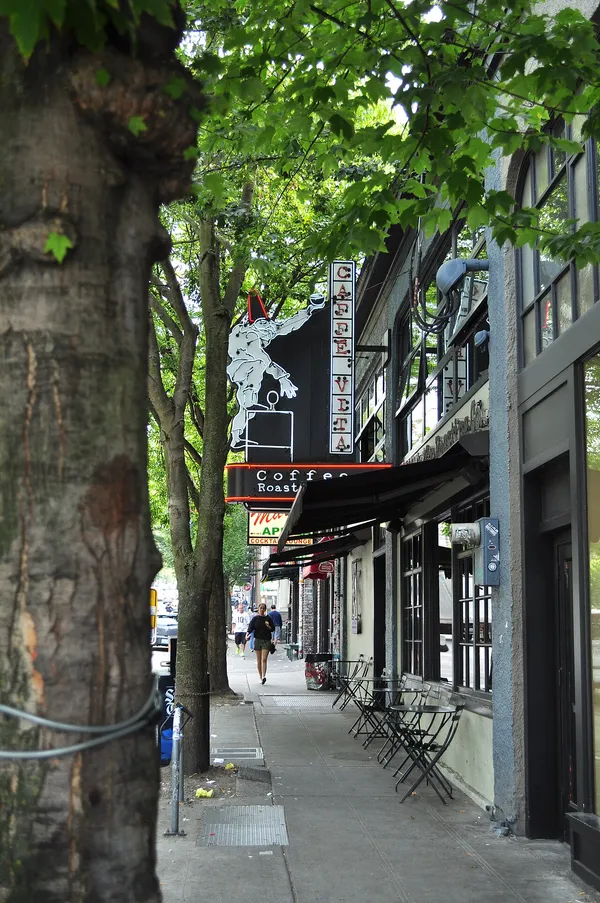
Caffe Vita neon sign and storefront on Capitol Hill, Seattle

Photo: Joe Mabel (CC BY-SA 3.0)

Caffe Vita Capitol Hill

Specialty coffee roastery cafe
Capitol Hill

Seattle's flagship Caffe Vita roastery with vintage Probat roasters, steady seating, and reliable WiFi in a busy but productive atmosphere.

Visit website →

Where to Eat & Drink

Best food and drink spots in Seattle

Altura

Italian tasting menu
Capitol Hill

Michelin-starred Italian restaurant with a weekly-changing menu focused on hyper-seasonal Northwest produce and specialty Italian ingredients.

Visit website →

Il Nido

Italian fine dining
West Seattle

Rustic Italian fine dining in the historic Alki Homestead with housemade pasta and some of the most praised Italian cooking in the Pacific Northwest.

Visit website →
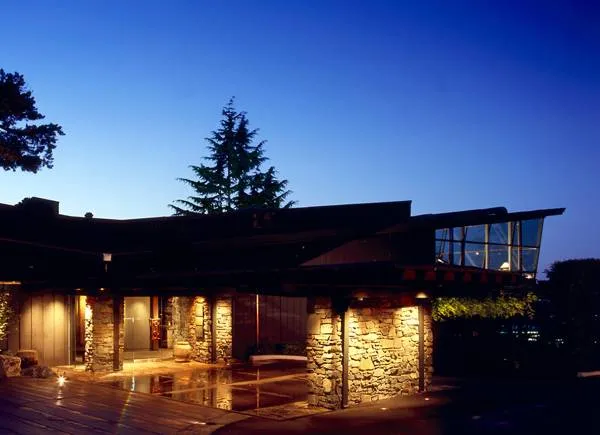
Front entrance of Canlis restaurant at dusk, Seattle

Photo: Brian Canlis (Public domain)

Canlis

New American fine dining
Queen Anne

Seattle institution since 1950 perched above Lake Union with a five-course prix fixe menu at $185 per person and sweeping views.

Visit website →

Rumba

Caribbean rum bar
Capitol Hill

Caribbean cocktail bar with over 700 rum selections, fresh-squeezed juices, and house-made syrups; a World's 50 Best Discovery bar.

Visit website →
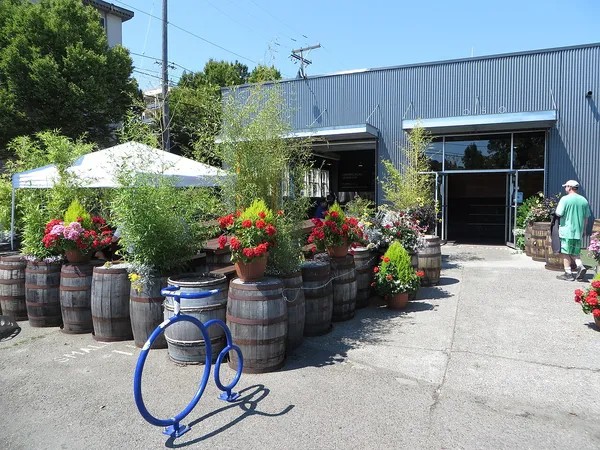
Fremont Brewing Company exterior with beer barrels and flower pots, Fremont neighborhood, Seattle

Photo: Bernt Rostad (CC BY 2.0)

Fremont Brewing

Brewery taproom
Fremont

Beloved local brewery with an expansive beer garden, large draft list of Pacific Northwest craft beers, and a relaxed outdoor atmosphere.

Visit website →

Bar Sabine

Mediterranean small plates
Ballard

Mediterranean mezze and craft cocktails with a large alleyway patio, well regarded for both its drinks program and shareable food menu.

View on Maps →

What Do Nomads Say?

Vote on how accurate these scores are based on your experience

Cities with a Similar Vibe to Seattle

Different places that score alike across our 13 categories, if you like Seattle, these tend to feel similar.

Frequently Asked Questions About Seattle

How much does it cost to live in Seattle as a digital nomad?

A comfortable nomad budget in Seattle is around $4,500 a month: a furnished rental, food, coworking, and getting around. Live a little outside the center or eat local to spend less.

Is the internet fast enough for remote work in Seattle?

With a WiFi score of 9/10, connectivity in Seattle is excellent for calls and focused work. A prepaid local SIM keeps you online when you are away from the apartment.

Is Seattle safe for digital nomads?

Seattle scores 5 out of 10 for safety in our ratings, which is workable for solo travel and long stays. Use normal precautions at night and with valuables, and choose well-reviewed areas.

Is Seattle a good city for digital nomads overall?

For nomads, Seattle is worth a look if you value English and fast WiFi. Costs sit near $4,500 a month and the community keeps growing, though, like anywhere, it will not match every checklist.