Cost of Living in Washington D.C.
Where this figure comes from. No cost survey covers Washington D.C., so the $4,200 a month above is our own estimate rather than a measurement. On 416 of our 999 city guides the figure is built from a published Numbeo basket, a one-bedroom rent in the centre plus one person's monthly costs without rent, converted to USD; this city is not one of them. How we source everything.
Budget around $4,200/month as a solo remote worker in Washington D.C., a high-cost but not San Francisco-level city. A one-bedroom apartment in a central neighborhood like Dupont Circle, Logan Circle, or Shaw runs about $2,200 to $2,800, while moving to the edges of the district or nearby Arlington and Silver Spring can bring that to $1,700 to $2,200. Groceries land around $400 to $550. Eating out is pricey given the professional crowd: a casual lunch runs $15 to $20 and a sit-down dinner $45 to $65. A Metro is distance-based, but a monthly regional pass costs about $128 and covers unlimited rail and bus. Coworking hot desks run $250 to $400. Add utilities, phone, and a gym, and you are comfortably in the low $4,000s. These are editorial estimates in USD and vary with neighborhood and season, but D.C. rewards using transit to offset the high housing costs.
Where to Work in Washington D.C.
Washington D.C. has a mature coworking market driven by consultants, nonprofits, and government contractors. WeWork operates multiple downtown and neighborhood locations, and Industrious and Regus are well represented too. Home internet is strong: fiber from Verizon Fios covers much of the region alongside cable broadband, so gigabit speeds and reliable video calls are easy to arrange. Cafe-work culture is solid, with laptop-friendly independent shops throughout Shaw, Dupont, and Capitol Hill, though popular spots get crowded around lunch. The city's professional density means quiet, wifi-equipped cafes are plentiful, and many hotels have comfortable lobby workspaces. For call-heavy days, a coworking desk gives you phone booths and guaranteed bandwidth. The Smithsonian museums, most of which are free, and the impressive public libraries including the renovated MLK Jr. Memorial Library offer excellent no-cost environments for a change of scene. Connectivity here is genuinely reliable across the board. More embassies, international institutions and research organisations sit inside this city than anywhere else on earth, which is why an event worth attending happens most evenings and why so many of them are free to whoever registers. For a freelancer that is a networking resource of a kind no coworking membership sells.
Getting Around Washington D.C.
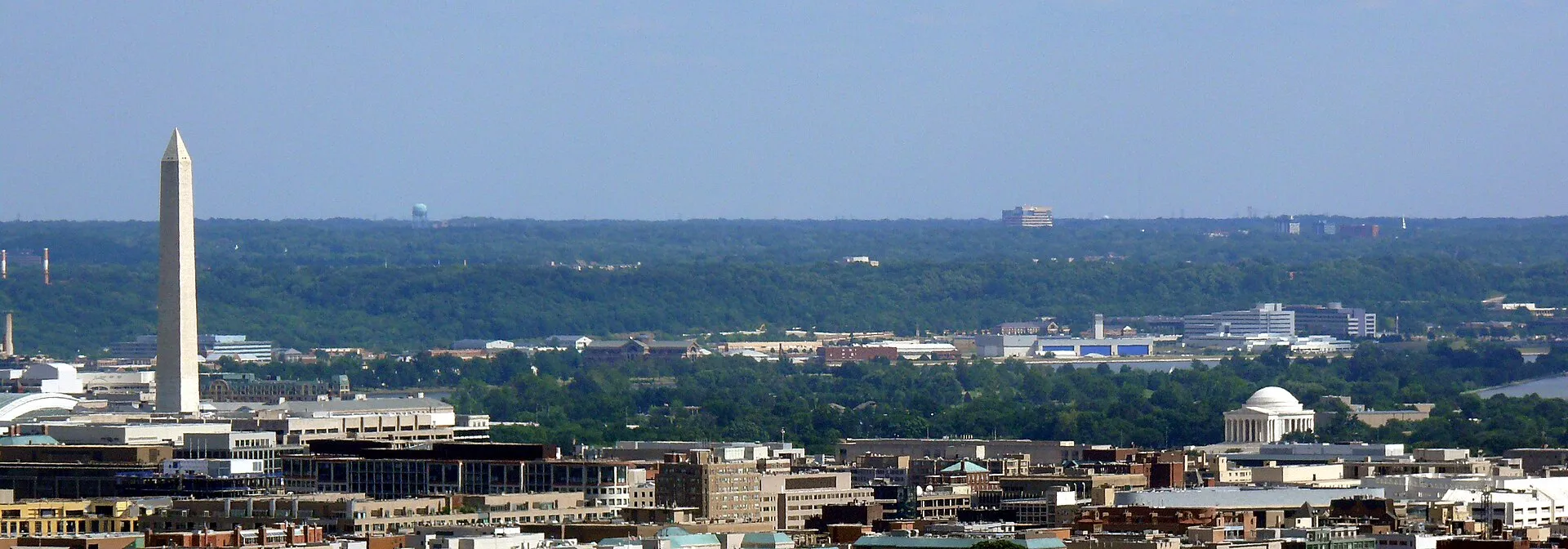
You do not need a car in Washington D.C., which has one of the better transit systems in the country. The Metro rail network is clean, extensive, and connects the district with Maryland and Virginia suburbs, while Metrobus fills in the gaps. The city is highly walkable, with a compact, grid-based core and pleasant, tree-lined neighborhoods. Cycling is well supported thanks to protected lanes and the Capital Bikeshare system. Ride-hailing with Uber and Lyft is abundant and reliable. There are three airports: Reagan National (DCA) sits closest, just across the river and directly on the Metro, making it the most convenient; Dulles International (IAD) handles more long-haul flights about 45 minutes out and now has its own Metro stop; and Baltimore/Washington (BWI) is another option to the northeast. Between Metro, walking, biking, and occasional ride-hailing, car-free living here is genuinely easy. A law dating from the early twentieth century caps how tall a building may be, which is why the skyline is flat and why the city spreads outward rather than upward, and it is the single rule that most shapes what walking around here feels like. The rail system shuts earlier than a capital warrants, so a late night finishes in a car.
Sorting transport? Book an airport transfer, or compare car rental on Auto Europe and QEEQ.
Visas for Washington D.C.
The United States has no digital nomad visa, so you enter as a tourist. Citizens of Visa Waiver Program countries apply online for ESTA and may stay up to 90 days without a formal visa. Travelers from other nations generally need a B-2 tourist visa arranged through a consular interview, and the usual B-2 admission is six months. Visitor status carries no permission to work in the United States, and there is no American remote-work visa. As the nation's capital with a heavy federal and security presence, D.C. is not a place to be careless about immigration rules, so answer border questions honestly, keep your stay within the permitted window, and never overstay. Longer plans run into a fixed limit: Visa Waiver stays cannot be extended, though a B-2 visitor can apply to USCIS for up to six more months.
Best Time to Visit Washington D.C.
Washington D.C. has four distinct seasons, and spring and autumn are clearly the best times to visit. Spring, particularly late March through May, brings the famous cherry blossoms, mild temperatures, and blooming greenery, though the peak-bloom weeks draw large crowds. Autumn, September through early November, offers crisp, comfortable days and beautiful foliage, and it is arguably the most pleasant season overall. Summer, June through August, is the stretch to avoid if you dislike heat: it turns hot and notoriously humid, with temperatures in the 90s Fahrenheit and sticky, oppressive afternoons. Winter, December through February, is cold with occasional snow and gray skies, but rarely extreme. If you want the ideal balance of good weather and walkable outdoor time around the monuments and museums, target April to early June or September to October, and pack for humidity if summer is your only option. The city empties in August when the legislature rises, and the restaurants, the traffic and the rental market all loosen for a month, which is the one stretch of the year when a table is easy to come by anywhere. It fills again the moment everybody returns, and the difference is obvious inside a week.
Pros and Cons of Washington D.C.
Pros: Washington D.C. combines excellent transit, strong walkability, top-tier fiber internet, and an unusually rich free cultural offering through the Smithsonian museums and national monuments. The professional, international population makes it easy to network, and English-speaking remote workers integrate effortlessly. It is safer and more navigable than many US cities and works well car-free. Cons: costs are high, especially rent and dining, and the city can feel buttoned-up, transactional, and dominated by politics and work. Summers are hot and humid, and the transient professional crowd can make deep local friendships slower to form. Some neighborhoods vary sharply in safety, so choose carefully. Nightlife and creative scenes exist but feel more restrained than in New Orleans or larger coastal cities. It is a strong, infrastructure-rich base for the right person, but it lacks the loose, spontaneous energy some nomads crave.
Who Washington D.C. Is For
Washington D.C. suits the professional, policy-minded, or internationally oriented nomad who values reliable infrastructure, easy transit, and a walkable, museum-rich environment over cheap living or a bohemian scene. It fits people working in government-adjacent fields, nonprofits, consulting, journalism, or international affairs who want to be near that world and its networking. It also works well for anyone who wants a safe, well-organized US city where a car is genuinely unnecessary and free culture is abundant. It is a weaker match for budget nomads chasing geoarbitrage, for creatives seeking a loose artistic scene, and for anyone who wilts in humid summer heat. If you appreciate order, substance, and world-class free institutions, and can afford the rent, D.C. is a rewarding and low-friction base. Come for the intellectual atmosphere and infrastructure, not for savings or spontaneity.