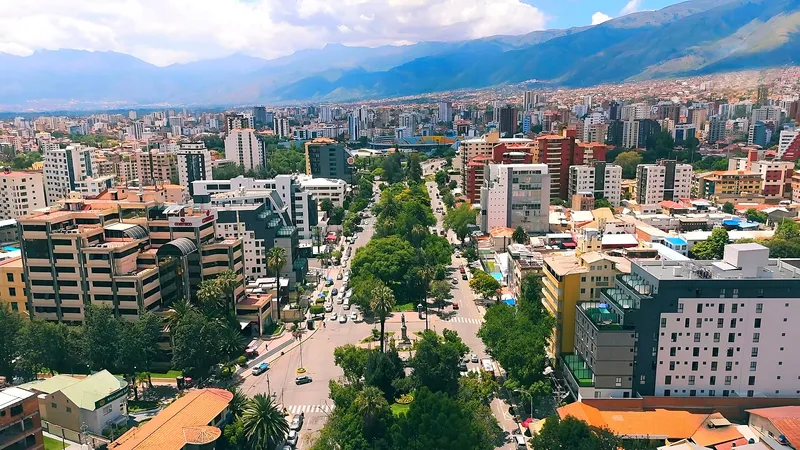
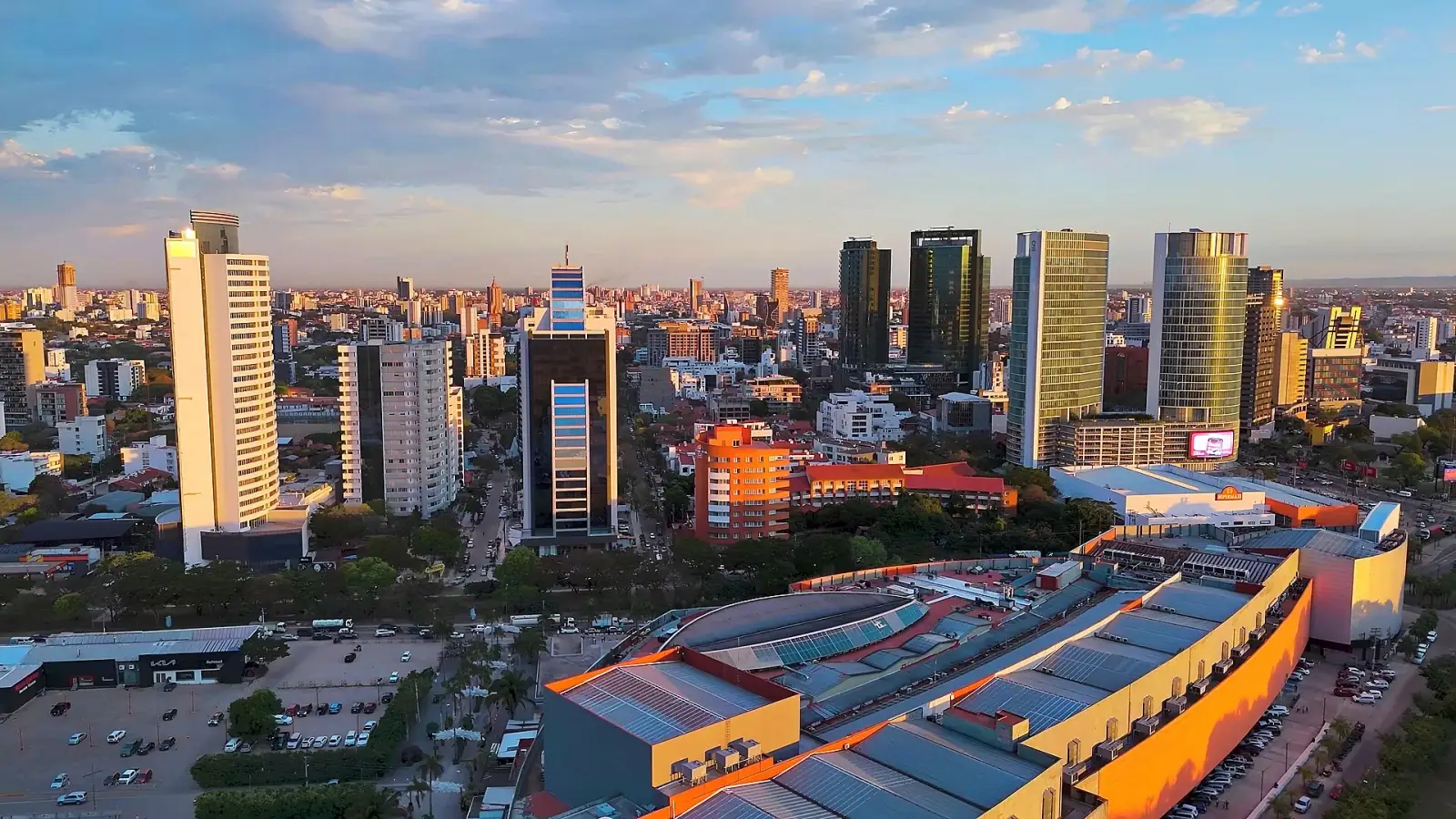
Santa Cruz de la Sierra skyline at golden hour
Photo: Parallelepiped09 / Wikimedia Commons (CC BY-SA 4.0)
Bolivia flag

Santa Cruz

Bolivia

Bolivia's economic engine with tropical lowland vibes awaits.

$1.200
Monthly Budget
--
Current Weather
Tropical
Climate Type
50 Mbps
Avg. WiFi Speed
5/10
Safety Score
500+
Active Nomads
--
Time Difference
Scroll
0
Nomad Score

Living in Santa Cruz as a Digital Nomad

Bolivia's economic engine with tropical lowland vibes awaits. What pulls nomads here is low costs, backed by easy visas and climate. Budget around $1,200 a month. The language barrier is the weak spot.

Compare Santa Cruz vs Sucre →

Category Breakdown

How Santa Cruz scores across all 13 factors

Weather in Santa Cruz

Monthly averages from 2019-2023 (Open-Meteo), and the best time to visit

30°
22°
Jan
29°
22°
Feb
29°
21°
Mar
28°
20°
Apr
25°
17°
May
24°
17°
Jun
25°
17°
Jul
27°
18°
Aug
29°
20°
Sep
31°
21°
Oct
31°
22°
Nov
30°
22°
Dec
Daily high & low (°C)Rainfall (mm/month)Best months to visit

The best time to visit Santa Cruz for comfortable weather is Apr, Aug, Sep. The warmest month is Oct (around 31°C by day), and the wettest is Dec (about 260mm of rain).

Chasing good weather? See other cities that are warm in Apr, or plan a multi-city route around the seasons. Staying a while in Santa Cruz? Check visa options, your time-zone overlap and how far your budget stretches, or find it on the world map.

Historical monthly averages, not a forecast. Source: Open-Meteo.

Best Neighborhoods in Santa Cruz

Where to base yourself for the perfect nomad experience

Centro

$
Urban commercial

Modern commerce meets colonial charm

Bolivia's commercial capital features the pleasant Plaza 24 de Septiembre surrounded by cafes, the cathedral, and colonial-era buildings. Modern shopping and traditional markets coexist in this bustling center.

Best for: Business travelers and first-time visitors
✓ Pros
  • Central location
  • Shopping options
  • Historic plaza
  • Good restaurants
✗ Cons
  • Hot climate
  • Traffic congestion
  • Noisy streets

Equipetrol

$$
Upscale modern

Upscale dining and nightlife district

Santa Cruz's most modern neighborhood offers international restaurants, trendy bars, and contemporary shopping. Business hotels and upscale apartments serve the city's growing middle and upper class.

Best for: Nightlife seekers and business travelers
✓ Pros
  • Best restaurants
  • Active nightlife
  • Modern amenities
  • Safe area
✗ Cons
  • Expensive
  • Less authentic
  • Car-dependent

Urbarí

$
Suburban peaceful

Green residential escape

This leafy residential area offers a more peaceful alternative to central neighborhoods. Tree-lined streets, parks, and family homes create suburban comfort while remaining accessible to the center.

Best for: Families and long-term stays
✓ Pros
  • Green spaces
  • Quieter streets
  • Family-friendly
  • Good value
✗ Cons
  • Far from center
  • Limited nightlife
  • Needs transport

Plan 3000

$
Local authentic

Authentic barrio with local energy

This working-class neighborhood offers genuine Santa Cruz life with local markets, street food, and neighborhood tiendas. Adventurous travelers find affordability and authenticity away from tourist areas.

Best for: Budget travelers seeking authenticity
✓ Pros
  • Very affordable
  • Local markets
  • Authentic experience
  • Street food
✗ Cons
  • Safety concerns
  • Basic infrastructure
  • Spanish essential

Biocentro Güembé

$$
Nature resort

Nature resort and butterfly gardens

This ecological resort area outside the city offers a unique escape with butterfly gardens, natural pools, and cabanas. Day visitors and overnight guests enjoy nature without leaving the city.

Best for: Nature lovers and families
✓ Pros
  • Beautiful nature
  • Swimming areas
  • Butterfly gardens
  • Peaceful escape
✗ Cons
  • Far from city
  • Resort prices
  • Limited to complex

Cost of Living in Santa Cruz

Santa Cruz is one of South America's more affordable mid-size cities, though prices have crept up as the expat and nomad community has grown. Here is a realistic monthly breakdown for a solo remote worker in 2025-2026.

  • Rent, central neighborhoods (Equipetrol, Casco Viejo): BOB 2,800-4,800 (~$400-690 USD) for a furnished one-bedroom
  • Rent, outer or residential areas (Plan 3000, Barrio Urbarí): BOB 1,400-2,400 (~$200-345 USD) for similar space, less finished
  • Groceries (cooking most meals): BOB 700-1,200 (~$100-175 USD)
  • Eating out (mix of local spots and mid-range restaurants): BOB 700-1,750 (~$100-250 USD); street empanadas run BOB 3-5, a sit-down meal BOB 50-100, and a proper restaurant BOB 150-200 with drinks
  • Coworking hot-desk: BOB 700-1,200 (~$100-175 USD) per month at most spaces
  • Local transport (app taxis, trufis): BOB 200-500 (~$30-70 USD) depending on how much you rely on InDriver versus shared trufis
  • Internet and utilities: BOB 350-560 (~$50-80 USD) combined

Total realistic range: $600-1,100 USD per month for a comfortable nomad lifestyle, or $500-700 if you go fully local. The currency is the boliviano (BOB); roughly 7 BOB to 1 USD at mid-2025 exchange rates.

Where to Work

Santa Cruz has a small but functional coworking scene concentrated in the Equipetrol business district. Hub40 (Manzana40 Plaza Empresarial, Equipetrol) is the most established, running on floors 9-10 of a tower with 200+ Mbps fiber and a large community of local startups. MAKE Cowork, also in Equipetrol, is more intimate and known for its friendly atmosphere and fast connections. Central43 in Barrio Urbarí is a quieter option at a lower price point, useful if you want fewer distractions. GoWork, another Equipetrol space, gets positive marks for energy and decor.

Cafe work is viable but patchy. Typica Cafe is widely cited as the best place to open a laptop, with good espresso and reliable WiFi. Alto Tostado has a dedicated cowork nook upstairs and outdoor seating. Avoid Starbucks-equivalent chains for serious work; they get loud and the WiFi degrades fast.

The broader WiFi situation is honest: fiber connections in coworking spaces and newer apartments are solid (50-200 Mbps is common), but public WiFi in malls and cafes can be inconsistent. Buy a local SIM from Tigo or Entel for 4G backup; data is cheap at around BOB 50-80 for a monthly plan with several gigabytes.

Getting Around

Santa Cruz is built in concentric rings radiating from the Casco Viejo (historic center). The city is not walkable at scale: the rings expand far, and the heat for most of the year makes walking impractical for anything beyond a few blocks. Most nomads rely on a combination of InDriver (the dominant rideshare app, where you name your price), standard app-booked taxis, and trufis (shared minibuses that follow fixed ring routes). Trufis cost around BOB 2-3 per ride but are cramped and pickpocketing does happen; keep your phone out of sight.

Taxis and InDriver rides within the central area typically run BOB 20-40. Uber also operates in Santa Cruz. Renting a bicycle is an option in the dry season; a few bike lanes exist around the inner rings.

Viru Viru International Airport sits about 15 km north of the center. An InDriver ride costs roughly BOB 60-100 (around $9-15 USD) and takes 20-40 minutes depending on traffic. There is no rail link. If you fly into Bogota, Lima, or Sao Paulo, direct connections to Viru Viru are easy to find.

Visas and Staying Long-Term

As of December 2025, US passport holders no longer need a tourist visa and can enter Bolivia visa-free for up to 90 days. EU, UK, Canadian, Australian, and New Zealand passport holders have also been in the visa-free category for years, also receiving 90 days on entry.

One requirement applies to everyone: you must complete the free SIGEMIG online pre-registration before flying in. It takes about 10 minutes and is mandatory at immigration.

You can extend your stay once at a SIGEMIG office in Santa Cruz, La Paz, or Cochabamba, bringing your passport, entry stamp, and approximately BOB 250-300 ($35-45 USD). This grants another 90 days, for a maximum of 180 days per calendar year. Bolivia does not currently offer a dedicated digital nomad or remote worker visa; the tourist stay is the only option for most visitors. Always confirm current entry rules with official sources before traveling, as policies can change.

Best Time to Visit

Santa Cruz has a tropical lowland climate with two distinct seasons. The dry season runs from May through October: temperatures sit between 22 and 32 degrees Celsius (72-90 F), humidity drops, and days are sunny. June and July are the coolest months and the most comfortable for being outside or staying focused at a desk without fighting sweat and stickiness. This is the clearest window for remote work.

The wet season from November through April brings daily afternoon thunderstorms, heavy rain bursts, and humidity that makes sitting in a non-air-conditioned space difficult. Mornings are usually fine and the city functions normally, but the heat and wet combination during January and February is exhausting. If you visit in the wet season, budget for an apartment or coworking space with air conditioning, which is common in central areas.

Be aware that during July, a cold front called the surazo can blow in from Argentina, dropping temperatures sharply for a few days. It passes quickly but the city grinds to a partial halt.

Pros and Cons

Pros

  • Very low cost of living compared to most Latin American nomad hubs
  • Warm, social local culture; Santa Cruz has a reputation for being one of Bolivia's more outward-facing, business-minded cities
  • Good food scene by regional standards, with a mix of traditional Bolivian cuisine and international options
  • Faster growth in coworking infrastructure than La Paz
  • No altitude sickness: Santa Cruz sits at only 416 m (1,365 ft), making it an easy adjustment from sea level
  • Direct flights to most major South American hubs

Cons

  • Small, nascent nomad community; English is rarely spoken outside hotels and some coworking spaces
  • Heat and humidity from November through April can be draining
  • Walkability is poor; you will be taxi-dependent
  • Safety requires standard precautions: petty theft in markets and trufis, with some areas of Plan 3000 best avoided at night
  • No digital nomad visa; the 90-day tourist allowance is the ceiling without a restart
  • Banking and international payments can be cumbersome; bring cash or rely on ATMs with fees

Who Santa Cruz Is Best For

Santa Cruz suits nomads who want to get off the well-worn Latin America circuit without sacrificing urban comfort. If you are comfortable working in Spanish, enjoy a city with real local character over a tourist overlay, and want to keep costs well below $1,000 a month, Santa Cruz delivers. It works especially well for people who have already done Medellin, Lima, or Buenos Aires and want something less saturated. The dry season months from May through September are the sweet spot.

It is a harder sell if you depend on a strong English-speaking network, struggle with heat and humidity, or need a large expat community to feel grounded. Travelers who want mountain scenery and high-altitude culture are better served by La Paz or Sucre. And anyone who needs seamless digital banking should research Bolivian ATM and card acceptance carefully before committing to a longer stay.

Where to Stay in Santa Cruz

Top neighborhoods and accommodations for digital nomads

Taos Apart Hotel

Aparthotel
Equipetrol

Spacious apartments with free WiFi and a business centre in the expat-friendly Equipetrol hub, steps from restaurants and coworking.

Check availability →

Premium Suites Deluxe Aparthotel Equipetrol

Serviced apartments
Equipetrol

17 fully equipped apartments (25-70 sqm) with unlimited broadband, rooftop pool, and 24h reception in the top nomad neighbourhood.

Check availability →

Urban Suites Apart Hotel

Aparthotel
City Centre

Walkable city-centre location rated 92/100 for walkability, with free fast WiFi, kitchenettes, pool, and strong value for medium stays.

Check availability →

Camino Real Hotel

Hotel
Equipetrol Norte

Established 5-star hotel in Equipetrol with laptop-friendly workspaces in rooms, multiple pools, and reliable service for longer stays.

Check availability →

Casa Cruz Hostel

Hostel
City Centre

Well-rated city-centre hostel with ample workspace, free WiFi, free breakfast, and an onsite bar ideal for solo nomads on a budget.

Check availability →

Browse apartments, aparthotels and hotels across Santa Cruz. Compare prices and book a base that suits a remote-work stay.

See available stays in Santa Cruz →

Affiliate link. See our disclosure.

Best Coworking Spaces

Where nomads get work done in Santa Cruz

Hub40

Professional coworking
Equipetrol

Bolivia's largest coworking hub on floors 9-10 of Manzana40 Plaza with 200+ Mbps fiber and a community of 1,000+ professionals.

Visit website →

MAKE Cowork

Boutique coworking
Equipetrol

Well-rated intimate coworking space known for fast WiFi, free coffee, meeting rooms, and a tight-knit community of local entrepreneurs.

View on Maps →

Central43

Collaborative workspace
Barrio Urbari

Quiet coworking space in Barrio Urbarí offering fast internet and unlimited coffee in a lower-key environment away from the Equipetrol bustle.

Visit website →

GoWork Bolivia

Flexible coworking
Equipetrol

Dynamic Equipetrol coworking praised for its decor, natural light, good WiFi, and energetic startup community close to the city's business core.

Visit website →

Typica Cafe Tostaduria

Specialty coffee cafe
Equipetrol

Santa Cruz's top laptop-friendly cafe with outstanding single-origin espresso, reliable WiFi, and a calm atmosphere suited for deep work sessions.

Visit website →

Alto Tostado

Cafe with cowork nook
Equipetrol Norte

Popular cafe with a dedicated cowork area upstairs, outdoor seating among plants, and good coffee that draws freelancers and students throughout the week.

View on Maps →

Where to Eat & Drink

Best food and drink spots in Santa Cruz

El Arriero

Steakhouse
Equipetrol

Long-running Bolivian steakhouse ranked in Santa Cruz's top five, known for quality grilled meats, good wine selection, and reliable service.

View on Maps →

Jardin de Asia

Asian fusion
Equipetrol

Upscale restaurant in a garden setting fusing Bolivian and Asian flavors, popular for ceviche, sushi, and its relaxed open-air atmosphere.

View on Maps →

El Aljibe Comida Tipica

Traditional Bolivian
Casco Viejo

Charming restaurant-museum in a 130-year-old colonial house serving classic Bolivian dishes like majadito and chicharron surubi in a leafy courtyard.

View on Maps →

Aviator

Bar and grill
Equipetrol

Aviation-themed bar and grill in Equipetrol known for wings, burgers, cold beer, large sports screens, and a lively crowd on weekends.

View on Maps →

El Cuartito

Argentine pizza
Equipetrol

Popular Argentine-style pizzeria drawing steady crowds with generous portions, good empanadas, and a casual neighborhood atmosphere.

View on Maps →

El Prado Restobar

Restobar
El Prado

Laid-back restobar near the pedestrian boulevard offering some of the cheapest drinks in the city alongside a solid menu of grills and appetizers.

View on Maps →

What Do Nomads Say?

Vote on how accurate these scores are based on your experience

Cities with a Similar Vibe to Santa Cruz

Different places that score alike across our 13 categories, if you like Santa Cruz, these tend to feel similar.

Frequently Asked Questions About Santa Cruz

How much does it cost to live in Santa Cruz as a digital nomad?

Budget roughly $1,200 a month in Santa Cruz for a furnished place, food, coworking, and transport. The most popular central areas cost more; suburbs and local spots cost noticeably less.

Is the internet fast enough for remote work in Santa Cruz?

Santa Cruz rates 5 out of 10 for WiFi in our scoring, so it handles video calls and daily remote work workable. Carry a local SIM with data as a backup for cafes and travel days.

Is Santa Cruz safe for digital nomads?

Our safety score for Santa Cruz is 5/10, workable for nomads. As anywhere, watch your belongings, favor busier streets after dark, and research neighborhoods before you book.

Is Santa Cruz a good city for digital nomads overall?

Santa Cruz stands out for low costs and easy visas among remote workers. With a typical budget near $1,200 a month and a growing nomad scene, it suits anyone whose priorities line up with those strengths.