Cost of Living in Chefchaouen
Where this figure comes from. No cost survey covers Chefchaouen, so the $1,000 a month above is our own estimate rather than a measurement. On 416 of our 999 city guides the figure is built from a published Numbeo basket, a one-bedroom rent in the centre plus one person's monthly costs without rent, converted to USD; this city is not one of them. How we source everything.
Chefchaouen is one of the more affordable places to base yourself in Morocco, though prices have crept up as the city's tourist profile has grown. Expect to spend around $1,000 per month for a comfortable but modest life.
Rent is the biggest variable. A furnished studio or small apartment in the medina itself runs $265 to $425/month, but these spaces are often compact, lack reliable heating in winter, and come with the noise and tourist foot traffic of the old city. Outside the medina, in the newer Makhzen and Bab El Ain areas, you can find larger, more practical apartments for $160 to $265/month. For a medina riad room on a monthly basis, budget $320 to $535.
- Rent (medina, furnished): $265 to $425/month
- Rent (outside medina): $160 to $265/month
- Groceries (self-catering): $105 to $160/month from local markets and the weekly souk
- Eating out (local restaurants): $3 to $8.50 per meal; tourist-oriented spots charge $8.50 to $16
- Coworking or cafe day pass: No formal coworking hotdesk exists in Chefchaouen as of 2025; budget $2 to $5.50/day in cafe spending to justify a table
- Local transport (petits taxis, buses): $0.50 to $1 per ride within the city; negligible monthly cost in such a small place
- SIM card with data (Maroc Telecom or Inwi): $5.50 to $16/month for a decent data plan
Total realistic budget: around $1,000/month. A frugal nomad cooking most meals and renting outside the medina can get below $535. Staying centrally and eating out regularly pushes past $1,000.
Where to Work
Chefchaouen does not have a dedicated coworking space in the traditional sense. If you need reliable, all-day desk access with guaranteed power sockets, you will need to create that environment yourself, either by negotiating with your riad for consistent workspace or by using a mobile hotspot.
Cafe Clock in the medina (near Outa el Hammam square) is the most nomad-familiar option. It has WiFi, multi-level seating, and a culturally rich atmosphere, but it is a busy cultural venue rather than a work hub. Note that staff have been reported to be unhelpful about power sockets, so bring a fully charged laptop. Cafe Beldi Bab Ssour and several other medina cafes have tables and WiFi, but signals can drop during busy tourist hours.
The real WiFi picture in Chefchaouen is inconsistent. Most riads and guesthouses advertise WiFi, but speeds in the medina vary widely, from slow on a good day to unusable during evening peaks. For video calls and reliable uploads, a local SIM card with a data plan is essential as a backup. Maroc Telecom has the strongest signal in the Rif Mountains region. Inwi is a solid second option.
If you need a proper work day, the most productive approach is: morning work session from your accommodation before tourist crowds peak, a cafe break mid-morning, and use your mobile hotspot when the cafe WiFi struggles. Plan video calls for early morning or evening when network congestion is lower.
Getting Around
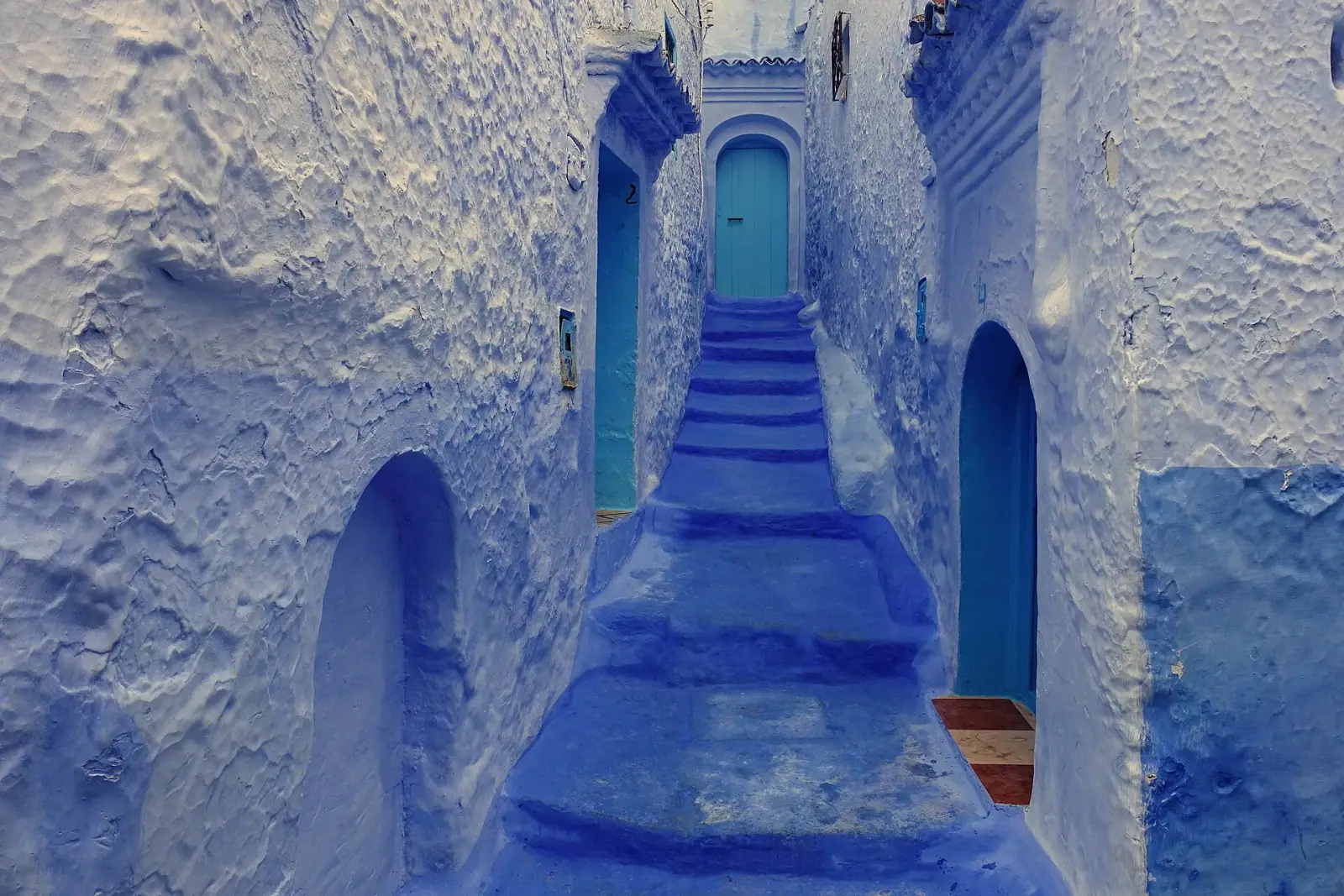
The medina of Chefchaouen is entirely walkable and is genuinely small. You can cross from one side to the other in about 15 minutes on foot. The blue-painted stairways and alleys are for pedestrians only, so a car is useless inside the old city. Petits taxis cover the short routes between the medina and the newer parts of town for $0.50 to $1.
Getting to and from Chefchaouen takes planning. There is no nearby international airport. Your two realistic gateways are:
- Tangier Ibn Battuta Airport (TNG): About 110 km northwest. CTM buses run from Tangier city center to Chefchaouen for $5.50 to $9.50 and take roughly 2.5 hours, but you first need to get into Tangier from the airport by taxi. A private transfer from TNG direct to Chefchaouen costs $43 to $64.
- Fes-Saiss Airport (FEZ): About 200 km southeast. CTM buses depart Fes for Chefchaouen multiple times daily for $12 to $15 and take 4 to 4.5 hours. Private cars from Fes run $53 to $75 for the vehicle.
Within Morocco, shared grand taxis and CTM buses connect Chefchaouen to Tetouan, Tangier, and Fes. Day trips by grand taxi to nearby towns are easy and cheap.
Sorting transport? Book an airport transfer, or compare car rental on Auto Europe and QEEQ.
Visas and Staying Long-Term
Citizens of the United States, United Kingdom, Canada, Australia, the European Union, and most other Western passport holders enter Morocco visa-free for up to 90 days. Your 90-day clock starts on the date stamped at the border, not three calendar months from entry. Some passports, including certain Asian and Gulf nations, receive only 30 days.
Morocco has no formal digital nomad visa. A remote worker category has been discussed, but nothing has been launched. For stays beyond 90 days, your options are: apply for a temporary residence card from within Morocco (a process that requires proof of address, income, and significant paperwork), or exit and re-enter. Border exits to Spain or Portugal and returns do work in practice to reset the 90-day window, but this is a grey-area strategy, not a legal entitlement. Be aware that staying in Morocco for more than 183 days in a calendar year may trigger Moroccan tax residency obligations.
Best Time to Visit
Spring (April and May) and early autumn (September and October) are the best windows for both comfortable living and remote work in Chefchaouen. Temperatures sit between 18 and 26 degrees Celsius (64 to 79F), the light in the mountains is beautiful, and the city has not yet hit peak-tourist saturation.
Summer (June through August) is hot, crowded, and expensive. Temperatures can hit 33 degrees Celsius (91F) or above, accommodation prices climb with demand, and the narrow medina alleys fill with tour groups. If you are trying to focus on work, this is the least hospitable season.
Winter (November through March) is quiet but cold. The Rif Mountains see real cold nights, sometimes dropping near 4 degrees Celsius (39F), and rain is common. Accommodation is cheap and you will have the blue streets largely to yourself, which some nomads find appealing. Heating in medina riads and older buildings can be inadequate, so check before booking.
For remote workers prioritizing output, the sweet spot is late September through November: post-tourist-season quiet, mild temperatures, and noticeably cheaper accommodation.
Pros and Cons
- Pro: Extremely affordable cost of living, especially outside peak season
- Pro: Calm, walkable environment with a slower pace suited to focused creative work
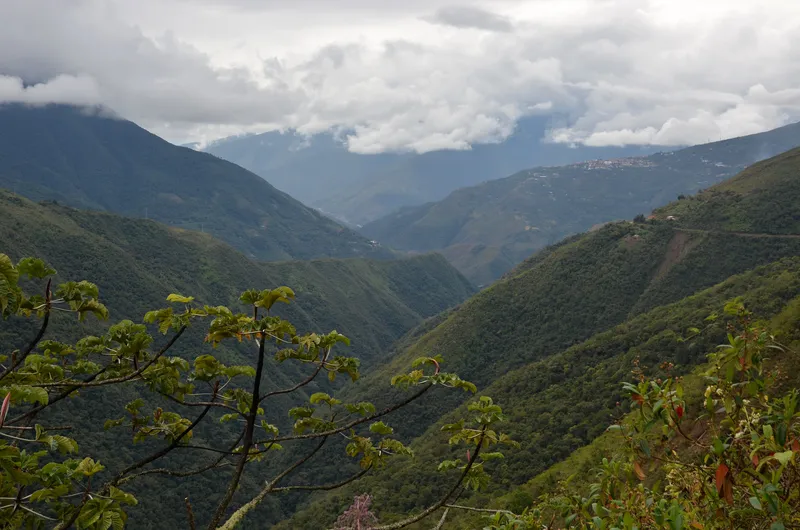
- Pro: Rich culture, stunning mountain scenery, and authentic local markets
- Pro: Very safe city with low petty crime rates relative to larger Moroccan cities
- Pro: Strong base for hiking in the Rif Mountains during rest days
- Con: No dedicated coworking space; WiFi reliability is inconsistent
- Con: Very small city with limited nomad community and few English speakers outside tourist venues
- Con: No nightlife to speak of; very limited bar options in this predominantly Muslim city
- Con: Getting here requires a significant journey from the nearest airport
- Con: Heavy tourist foot traffic in peak season disrupts the calm that makes it appealing
- Con: Cold, damp winters with inadequate heating in many traditional buildings
Who Chefchaouen Is Best For
Chefchaouen suits nomads who work asynchronously and do not need to be on video calls all day. If your workflow is mostly writing, design, or deep individual work with occasional syncs, the environment here is excellent: quiet, visually inspiring, and genuinely cheap. It works especially well as a one or two month reset from busier hubs like Lisbon, Barcelona, or Marrakech.
It is a particularly good fit for people who want cultural immersion without the chaos of a large city, and for those who enjoy hiking and outdoor time as a complement to their work schedule. The city is also well suited to budget-conscious nomads willing to accept some friction around internet reliability in exchange for very low monthly costs.
You should skip Chefchaouen, or at least not use it as your main base, if you depend on fast and stable internet for client work, need a coworking community around you for accountability, or want an active social scene and nightlife. It is also a poor fit for longer stays if you find very small cities isolating: the expat and nomad community here is minimal compared to cities like Lisbon, Medellín, or even Marrakech. Treat it as a compelling stopover or a short-term retreat rather than a primary base for a multi-month remote work year.