Cost of Living in Vaasa
Where this figure comes from. No cost survey covers Vaasa, so the $1,600 a month above is our own estimate rather than a measurement. On 416 of our 999 city guides the figure is built from a published Numbeo basket, a one-bedroom rent in the centre plus one person's monthly costs without rent, converted to USD; this city is not one of them. How we source everything.
Budget around $1,600 a month. A one-bedroom runs roughly $600 to $950, kept moderate by a substantial student population across several institutions. Groceries are expensive by European standards, though the discount chains keep basics reasonable. Eating out is expensive with a limited range. Utilities are the northern cost: district heating runs for most of the year and is a real annual figure. Finland uses the euro and is largely cashless in practice. Vaasa is cheaper than Helsinki for a comparable flat, which is the main financial argument for it. Anyone comparing with Sweden across the Kvarken should note that the ferry makes Umea a plausible shopping trip and that some goods are consistently cheaper on one side or the other. The weekday lunch is the one cheap restaurant meal in the country, a set plate with bread and coffee at a fixed price that most workplaces treat as the default, while the same kitchen at dinner costs several times more. Anything above 5.5 per cent alcohol is sold only through Alko, the state monopoly, which is why a supermarket beer is a poor guide to a bar bill. Deposits of two months are normal, rent is quoted without the per-person water charge most buildings add, and electricity is contracted separately in a market where the price moves by the hour.
Where to Work in Vaasa
Connectivity is excellent. Finland has extensive fibre, some of the best and cheapest mobile data in the world, and entirely reliable power. There is coworking and a genuinely substantial energy technology cluster: the Vaasa region hosts one of the largest concentrations of energy sector companies in the Nordics, including Wartsila and ABB, which employ several thousand people between them. The time zone is eastern European, two hours ahead of GMT, giving a full European overlap. Administration runs through digital services that work well once you have a personal identity code. July is the month everything bends around, since Finnish working life largely stops for it and a month of unanswered email is ordinary rather than a signal of anything. English is the working language inside the energy companies and the universities, which is not true of the shops or the municipality. The public library is the default free workspace, with power, bookable quiet rooms and long hours, which is the pattern in every Finnish town of this size and a better arrangement than most paid desks elsewhere.
Getting Around Vaasa
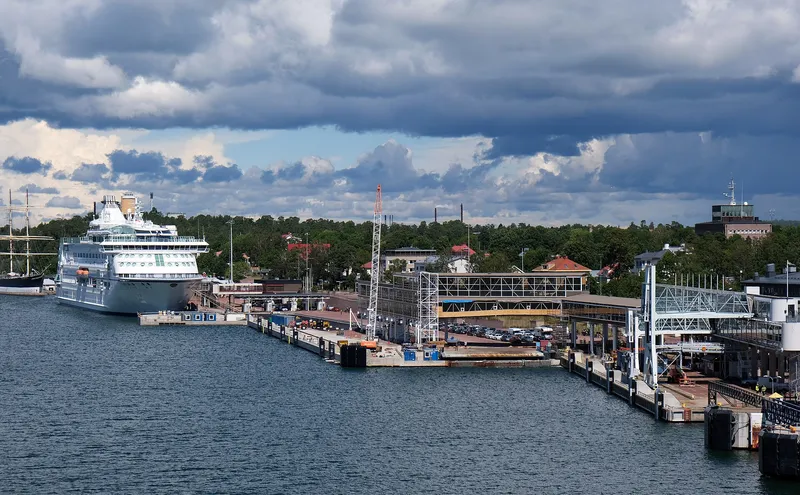
Vaasa is flat and compact and works well on foot or by bicycle, with the market square, the harbour and the university all within reach of each other. Buses cover the rest. The railway reaches Helsinki in about four hours via Seinajoki. Vaasa Airport has flights to Helsinki and Stockholm. The Wasaline ferry crosses to Umea in Sweden in about four hours across the Kvarken, which is the narrowest point of the Gulf of Bothnia and a UNESCO World Heritage site for the land rising out of the sea. Anyone taking the Wasaline ferry should note that it runs year round with icebreaker assistance in winter, and that the crossing is genuinely scenic through the archipelago. Winter cycling is ordinary rather than heroic, on tyres with studs in them, and some districts clear the paths before they clear the roads. The crossing runs on the Aurora Botnia, a hybrid vessel that entered service in 2021 and is unusually quiet for its size. Long-distance coaches fill the gaps the railway leaves, and the drive south to Turku takes about four hours.
Sorting transport? Book an airport transfer, or compare car rental on Auto Europe and QEEQ.
Visas for Vaasa
Finland is in the European Union and the Schengen area, so European Union and EEA citizens may live and work here without a permit, registering with the Digital and Population Data Services Agency for a personal identity code. Everyone else needs a Schengen visa for short stays or a residence permit for longer ones, with routes for employment, study and self-employment. There is no dedicated digital nomad visa. The personal identity code is the gate to banking and most services, as it is across the Nordics, and getting one early matters. A D visa introduced in 2022 lets specialists, start-up founders and their families travel as soon as a residence permit is decided rather than waiting for the card to arrive, which took weeks out of the process. Registration also gives you a municipality of residence, and that, rather than the permit itself, is what opens the municipal health and social system. A self-employment permit is judged on whether the business can actually support you, which is a real test rather than a formality. The Wasaline crossing to Umea is internal to Schengen, so Sweden is no reset: days on both sides of the Kvarken feed the same Entry/Exit System count, which started at the first external airport you landed at.
Best Time to Visit Vaasa
June to August is the season, with temperatures around twenty degrees, the archipelago accessible by boat and daylight running to nearly midnight at this latitude. September gives the ruska, the autumn colour. Winter from December to March is cold, often minus ten or below, with the Gulf of Bothnia freezing solid enough that icebreakers keep the shipping lane open and people walk and ski on the sea ice. Vaasa is among the sunniest places in Finland, which is a genuine local point of pride. The Kvarken archipelago offshore is a UNESCO site for post-glacial rebound: the land is still rising about eight millimetres a year, the fastest rate anywhere, so new islands surface and old channels silt up within a single lifetime. Midsummer empties the place completely: the weekend nearest the solstice is when the country leaves for its summer cottages, and the shops and restaurants go with it. The Replot bridge out to the archipelago is the longest in Finland at just over a kilometre and is how most people reach the islands without a boat. Mosquitoes are a genuine July consideration once you move inland from the water.
Pros and Cons of Vaasa
The Kvarken archipelago carries World Heritage status for one reason: the land here climbs clear of the water at close to a centimetre a year following the last ice age, the fastest post-glacial rebound anywhere on earth, which means the map genuinely changes within a single lifetime. The energy cluster gives the city a real professional base and Swedish is co-official here, which softens the Finnish language problem. Winter, distance and the narrow choice of a small city are the other half of the bargain. The city was also rebuilt on a new site after a fire destroyed the old town in 1852, which is why the grid is so regular and the old Vaasa ruins sit seven kilometres away. The bilingualism is administrative as well as social, since the hospital, the courts and the municipal offices all run in both languages, which is part of why the city fought so publicly to keep its full emergency services rather than send them inland to Seinajoki. Helsinki is four hundred and twenty kilometres away, which is the distance that decides how often anyone actually goes.
Who Vaasa Is For
Engineers and energy people, since the cluster here is substantial and internationally connected, along with anyone after a bilingual Nordic base where Swedish will carry you. It suits people who genuinely like winter, including sea ice. December gives almost no usable daylight this far north, a non-EU passport is useless here without an employer attached to it, and sixty five thousand people in northern Finland begins to feel like a limit somewhere around the third month. It also suits Swedish speakers particularly, since around a quarter of the city speaks Swedish as a first language and both languages carry equal official weight here. Arriving in August rather than January makes a measurable difference to how the first months go, because the city lives outdoors for those weeks and indoors for the rest. The student intake turns the place over every September, which is when rooms come free and when whatever social life exists reassembles itself. A one-year contract with one of the energy companies is how most foreigners arrive, and leaving again is usually about the dark rather than the job.
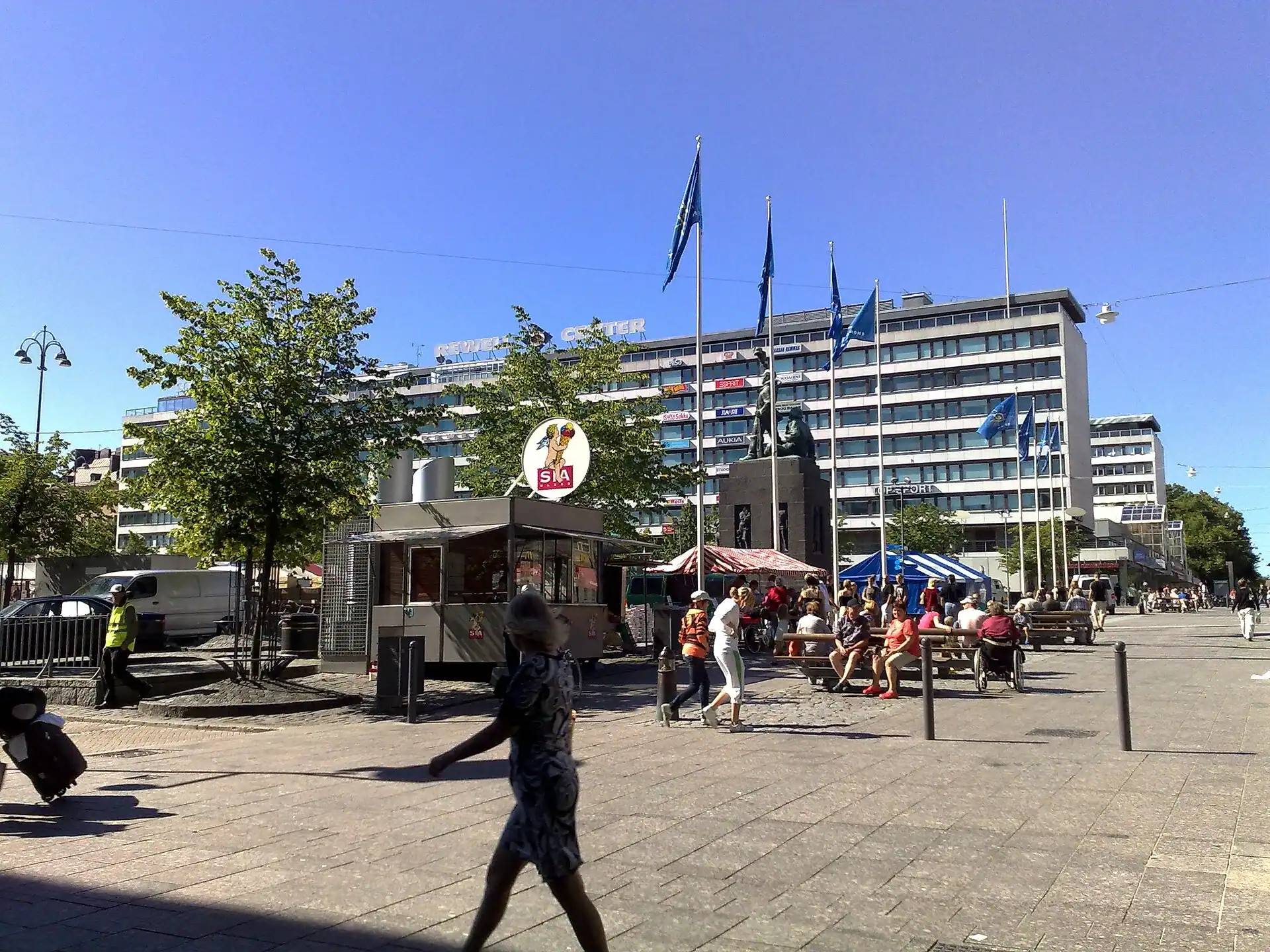 Photo: wstryder / Wikimedia Commons (CC BY 2.0)