Cost of Living in Pokhara
Real market data
Source: Numbeo · August 2026
$380/moSolo nomad1-bed centre + living costs
$580/moCoupleshared 1-bed + costs
$340/moLean / localcheaper area + costs
- 1-bed rent, city centre$130Rs19,333
- 1-bed rent, outside centre$85Rs13,000
- Monthly costs excl. rent (1 person)$250Rs38,635
- Meal, inexpensive restaurant$3Rs500
- Monthly transit pass$20Rs3,000
- Buy price, per m² (centre)$1,810Rs276,907
Prices are from Numbeo (August 2026), converted to USD at $1 = Rs152.83 (01 Aug 2026). The monthly living-costs figure is our transparent one-person basket, groceries, a few meals out, utilities, phone, internet, transport and essentials, priced from those figures. Solo adds central rent; couple and lean are estimates from the same numbers. The guide below quotes its own monthly range, which is a different measurement rather than a competing one: this table prices a defined basket at the figures above, while that range is a judgement about how somebody actually lives here.
Pokhara is one of the most affordable places in Asia for remote workers. Your biggest variable is accommodation. A basic one-bedroom apartment in the central Lakeside tourist strip runs around $92-120/month. Step a few streets back from the lake into quieter neighborhoods like Baidam or Pardi and you can pay $65-85/month for a similar space. A well-furnished apartment with a mountain view might push to $165-195/month.
- Rent (1BR, Lakeside central): $92-120
- Rent (1BR, quieter area nearby): $65-85
- Groceries (self-catering, one person): $52-79
- Eating out (mix of local and tourist restaurants): $52-98
- Coworking hot desk: $39-59/month
- Local transport (motorbike taxi apps, occasional bus): $10-20
- SIM with data: $10-13
Realistic monthly total: $400-700 for a comfortable nomad lifestyle including rent, daily cafe work, and regular dining out. A very lean budget can stretch down to $300. You are unlikely to need more than $900 unless you are renting a premium place and eating at tourist restaurants every meal.
Where to Work
Pokhara has a small but functional coworking scene concentrated in Lakeside. Pokhara Coworking on Phewa Marga is the most established option, offering hot desks, private cabins, a meeting room, dual-ISP fiber internet, power backup, printing, and air conditioning. Hot desks run roughly $39-52/month. Gyan Hub on Janapriya Marga is a second dedicated space with standing desks, an outdoor terrace, lockers, and showers.
Beyond coworking, the cafe culture is strong enough for daily laptop work. Caffe Concerto, Roadhouse Cafe, and Moondance Restaurant all have reliable wifi and tolerate long sessions with a coffee or meal. Most mid-range Lakeside cafes offer free wifi without a time limit.
The honest wifi situation: fiber from providers like WorldLink and Vianet reaches most of Lakeside, which serves you well when working from a coworking space or good hotel. Cafe connections handle video calls and cloud work fine. During monsoon season (June to September), power cuts are the bigger problem. Coworking spaces with UPS backup and your accommodation's inverter setup matter more than raw speed during those months. Outside monsoon, connectivity is reliable enough to depend on for full-time remote work.
Getting Around
Lakeside is a walkable strip. The main road running along Phewa Lake contains most restaurants, cafes, and gear shops within a 20-minute walk end to end. You do not need a vehicle for daily life if you base yourself here.
For anything beyond Lakeside, motorbike taxi apps are your best tool. Pathao and Tootle are the main apps, with drivers appearing quickly and rates beating regular taxis. A short hop across town costs $0.50-1.50. Taxis are easy to flag down but operate without meters, so negotiate the fare before you get in. A 3km ride should cost roughly $1.50-2.50.
Local microbuses run fixed routes and are very cheap (under $1 per trip) but require local knowledge to navigate. For visiting Sarangkot viewpoint, Seti Gorge, or the World Peace Pagoda, you need a taxi or rented motorbike/scooter.
Pokhara International Airport sits about 4km from Lakeside. A taxi from Lakeside to the airport costs $2.50-4 and takes 10-15 minutes outside rush hour. Domestic flights connect Pokhara to Kathmandu in 25 minutes; the bus takes 6-8 hours and costs $4.50-10 depending on class.
Sorting transport? Book an airport transfer, or compare car rental on Auto Europe and QEEQ.
Visas and Staying Long-Term
Nepal issues tourist visas on arrival at Tribhuvan Airport in Kathmandu and at the Pokhara airport for nationals of most countries. You can select 15, 30, or 90 days on arrival. Fees are $30 for 15 days, $50 for 30 days, and $125 for 90 days. Visa-free entry is not available for most Western passport holders; you pay at the immigration counter.
You can extend your stay up to a cumulative 150 days per calendar year. Extensions are done at the Immigration Office in Damside, Pokhara (inside the Nepal Tourism Board building), with a minimum extension of 15 days costing $45, plus $3 per additional day. The government's Nepaliport portal allows you to start an extension application online, but you still collect the stamp in person at the immigration office.
There is no dedicated digital nomad visa for Nepal as of mid-2026. Long stays require stacking tourist visa extensions within the 150-day annual cap. Work visas require a Nepali employer and take months to process.
Best Time to Visit
Pokhara has four distinct seasons, and the timing of your visit matters a lot for both comfort and productivity.
Autumn (October to November) is the prime window. Skies are clear after the monsoon clears, mountain views are at their sharpest, temperatures sit at a pleasant 15-25C (59-77F), and power cuts are minimal. This is peak trekking season for the Annapurna Circuit, so accommodation books up and prices can creep up, but the tradeoff is worth it for remote workers.
Spring (March to May) is the second-best period. Similar clear skies and moderate temperatures. Rhododendrons bloom across the hillsides, and daytime temperatures rise toward 25-30C (77-86F) by May. A good alternative to autumn if you want fewer crowds.
Winter (December to February) is quiet, cool (5-15C/41-59F in the evenings), and affordable. Mountain views are excellent and power cuts are rare. It is slower socially but fine for focused work. Bring layers.
Monsoon (June to September) is the most challenging period for nomads. Heavy daily rain, high humidity, and frequent power cuts from overloaded infrastructure make consistent remote work harder. Speeds drop and inverter quality at your accommodation becomes critical. Rates are lowest and crowds disappear, which some people value. If you plan to stay during monsoon, confirm your accommodation has a proper UPS or inverter before booking.
Pros and Cons
- Very low cost of living compared to most nomad hubs, with a comfortable lifestyle under $600/month
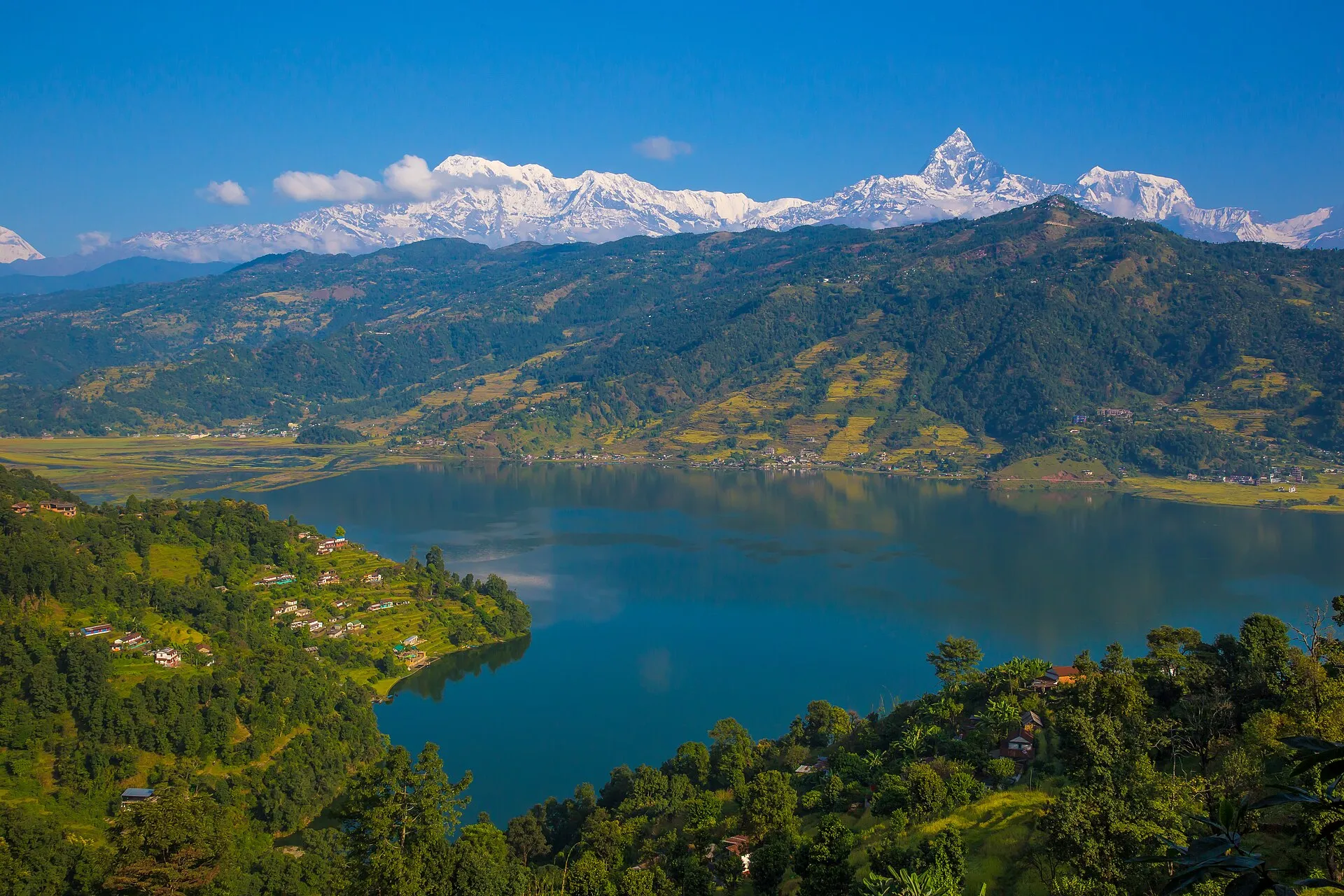
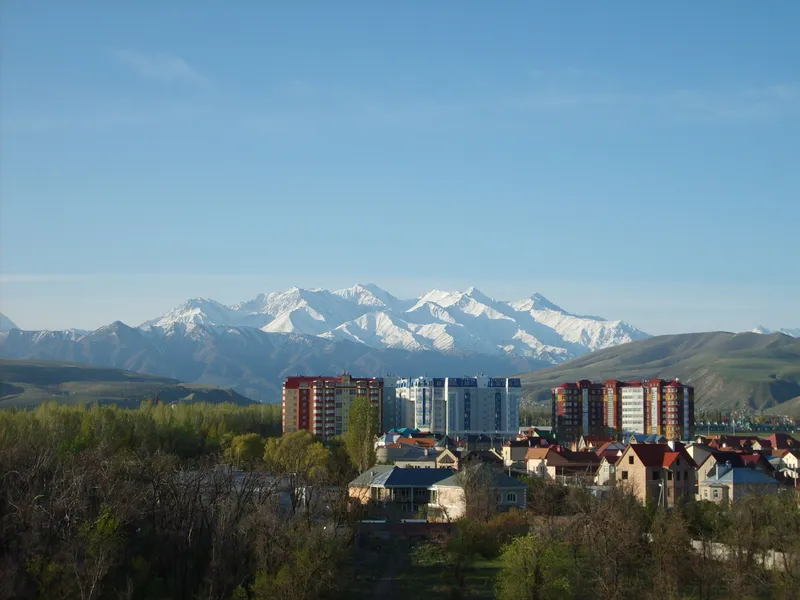
- Stunning natural setting with Phewa Lake and Annapurna range views directly from the city
- Safe and relaxed atmosphere, with low violent crime and a walkable tourist area
- Good food variety across Nepali, Tibetan, Indian, Italian, Japanese, and international options
- Easy access to trekking for Annapurna Circuit, Poon Hill, and other major routes from the city itself
- Friendly, English-speaking hospitality industry and growing expat community
- Power cuts during monsoon (June to September) disrupt work without proper backup power
- Internet speeds are modest, adequate but not fast for heavy uploads or large file transfers
- Limited healthcare: basic clinics exist locally, but serious medical issues require Kathmandu or evacuation
- Small coworking scene with few dedicated spaces, so you rely heavily on cafes for variety
- Cash-dependent economy: ATMs exist but run out on busy days; always keep NPR on hand
- Tap water is not drinkable, adding cost and waste from bottled water
Who Pokhara Is Best For
Pokhara suits nomads who want a low-cost base with serious natural beauty and a relaxed pace. If you can work on a modest connection without constant video calls or large uploads, you will have no daily frustrations. Writers, designers, developers, and anyone with an async workflow will find the lifestyle here hard to beat at this price point. It also works well for people who want to combine remote work with trekking, as the Annapurna trailheads are accessible directly from the city.
It is also a good fit for people who find Kathmandu too chaotic: Pokhara is quieter, cleaner, and easier to navigate. The nomad community is small but warm, centered around the Lakeside cafes and the occasional organized meetup.
Skip Pokhara if you need fast, reliable fiber for video production or large data transfers, or if you require access to good medical care without travel. It is also not ideal if you need a dense co-working culture with daily in-person networking. Those seeking a buzzing nightlife or a large expat social scene will find Pokhara too quiet outside peak tourist months.